
Banza pasta, made primarily from chickpeas, has surged in popularity as a high-protein, gluten-free alternative to traditional wheat-based noodles. Marketed as a healthier option, it appeals to fitness enthusiasts, plant-based eaters, and those managing food sensitivities. Yet despite its accolades, some consumers and health commentators have raised concerns about its long-term safety and nutritional trade-offs. So what’s behind the controversy? Is Banza truly a nutritious swap, or are there hidden downsides worth considering?
This article examines the claims surrounding Banza pasta—why some say it’s bad for you, whether those concerns hold up under scientific scrutiny, and how to safely include it in your diet.
What Is Banza Pasta Made Of?
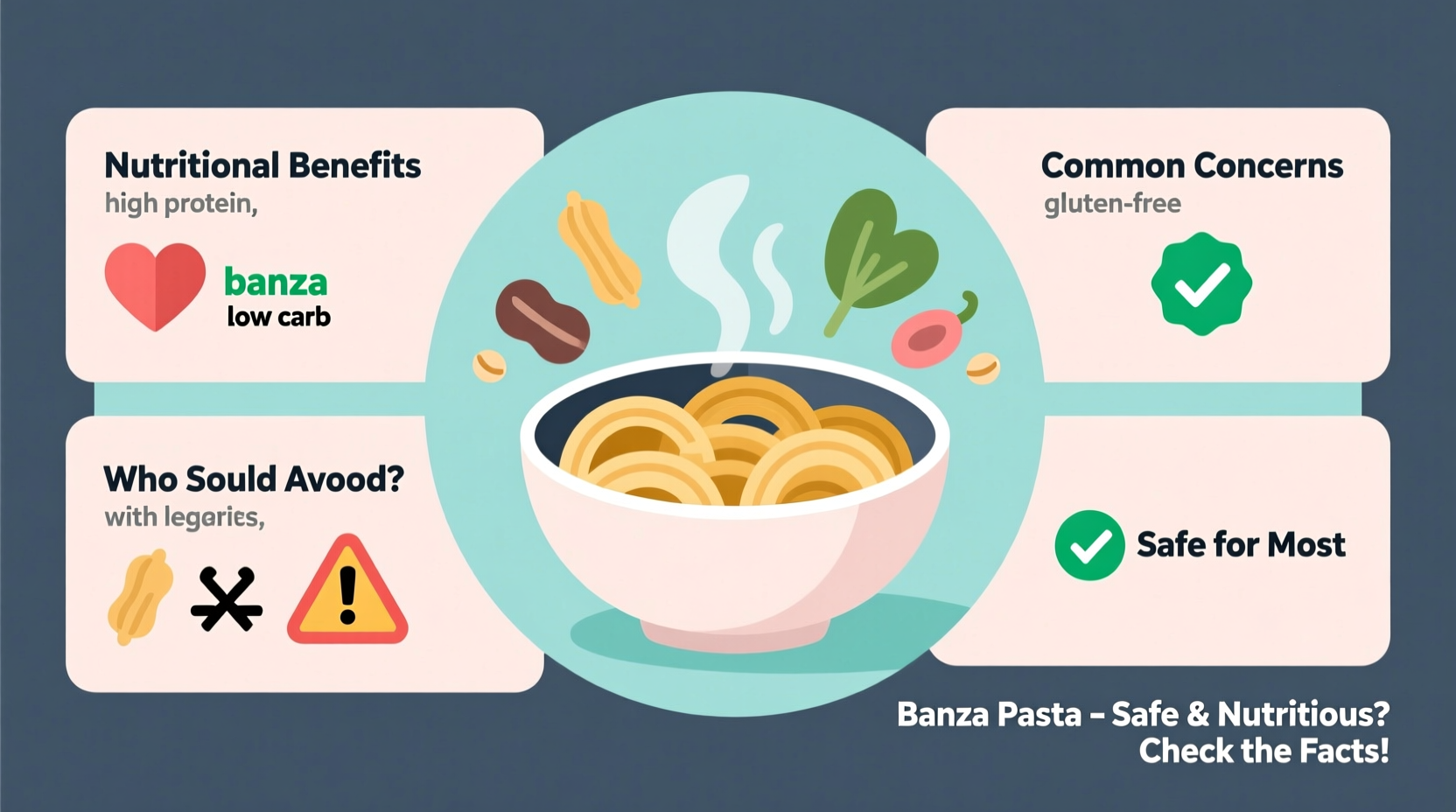
Banza pasta is crafted from chickpea flour, water, canola oil, and tapioca flour. Unlike conventional pasta made from refined semolina, Banza uses legume-based ingredients to deliver more protein and fiber while remaining naturally gluten-free. A typical 2-ounce serving contains around 25 grams of protein and 13 grams of fiber—nearly double the protein and quadruple the fiber of regular pasta.
The brand emphasizes clean labeling and non-GMO sourcing, appealing to health-conscious shoppers. However, its highly processed nature and reliance on isolated flours have sparked debate among nutrition experts about whether it qualifies as “whole food” or simply a cleverly marketed ultra-processed product.
Common Claims: Why Some Say Banza Is Bad for You
Criticism of Banza pasta tends to center on several key issues:
- High in antinutrients: Chickpeas naturally contain phytic acid and lectins, compounds that can interfere with mineral absorption and digestion when consumed in excess.
- Ultra-processed status: Despite being plant-based, Banza undergoes significant processing—chickpeas are milled into flour, mixed, extruded, and dried—which some argue diminishes its nutritional integrity.
- Digestive discomfort: The high fiber and oligosaccharide content in chickpeas can cause bloating, gas, or cramping in sensitive individuals.
- Added tapioca and oils: While minimal, the inclusion of tapioca starch and canola oil raises concerns about blood sugar spikes and inflammatory fats for certain diets.
These points aren’t baseless—but context matters. Let’s examine each claim through the lens of current research and dietary guidelines.
Antinutrients: Overblown Risk or Legitimate Concern?
Phytic acid and lectins are present in most legumes, including chickpeas. In theory, they bind to minerals like iron, zinc, and calcium, reducing their bioavailability. However, cooking and processing significantly reduce these compounds. Commercial products like Banza are heat-treated during manufacturing, which deactivates most active lectins and lowers phytic acid levels.
“While raw legumes contain antinutrients, standard preparation methods—including boiling, steaming, and extrusion—render them largely harmless in typical consumption amounts.” — Dr. Maria Hernandez, PhD in Nutritional Biochemistry
For most people eating a varied diet, the impact of phytates from one serving of chickpea pasta is negligible. Those with diagnosed mineral deficiencies or relying heavily on legumes as a primary protein source should pair Banza with vitamin C-rich foods (like tomatoes or bell peppers) to enhance iron absorption.
Nutritional Comparison: Banza vs. Traditional Pasta
| Nutrient (per 2 oz dry) | Banza Chickpea Pasta | Whole Wheat Pasta | Regular Enriched Pasta |
|---|---|---|---|
| Calories | 190 | 190 | 200 |
| Protein | 25g | 7g | 7g |
| Fiber | 13g | 6g | 2g |
| Total Carbohydrates | 42g | 40g | 42g |
| Sugars | 3g | 2g | 2g |
| Fat | 3g | 1g | 1g |
| Iron | 20% DV | 15% DV | 10% DV |
The data shows Banza outperforms both whole wheat and enriched pasta in protein and fiber—two nutrients linked to satiety, blood sugar control, and gut health. However, it also contains slightly more fat due to added canola oil. For low-fat diets, this may be a consideration, though the amount per serving remains modest.
Is Banza Safe for Regular Consumption?
Yes, Banza pasta is generally recognized as safe by regulatory bodies and suitable for most people when consumed in moderation. It is certified gluten-free, non-GMO, and free from major allergens beyond legumes (important for those with peanut or soy allergies due to cross-reactivity risks).
The FDA considers chickpea flour Generally Recognized As Safe (GRAS), and no studies have linked moderate intake of commercial chickpea pasta to adverse health effects. That said, individual tolerance varies. People with irritable bowel syndrome (IBS) or FODMAP sensitivity may experience gastrointestinal distress due to galacto-oligosaccharides (GOS), a fermentable carbohydrate in legumes.
Mini Case Study: Sarah’s Experience with Banza
Sarah, a 34-year-old teacher following a plant-based diet, switched to Banza pasta to increase her protein intake without relying on meat substitutes. Initially thrilled with the texture and fullness she felt after meals, she began experiencing bloating and gas after two consecutive days of chickpea pasta.
After consulting a registered dietitian, she learned that her gut microbiome needed time to adapt to higher fiber loads. By reducing portion sizes, drinking more water, and introducing Banza gradually, her symptoms subsided within two weeks. Today, she enjoys Banza once or twice a week without issue.
This example illustrates that while Banza is safe for most, personalization is key—especially for those new to high-fiber or legume-rich diets.
How to Eat Banza Safely and Effectively
To maximize benefits and minimize side effects, follow this step-by-step guide:
- Start with small portions: Begin with half a serving to assess digestive tolerance.
- Rinse after cooking: Draining and rinsing removes excess starch and may reduce bloating.
- Pair with vitamin C: Add lemon juice, tomatoes, or broccoli to improve iron absorption.
- Stay hydrated: High fiber requires adequate water to move smoothly through the digestive tract.
- Rotate with other alternatives: Alternate Banza with lentil, black bean, or whole grain pasta to diversify nutrient intake.
Frequently Asked Questions
Can Banza pasta spike blood sugar?
Despite containing carbohydrates, Banza has a lower glycemic index than regular pasta due to its high protein and fiber content. These nutrients slow glucose absorption, making it a better option for blood sugar management—though portion control still matters.
Is Banza safe for kids?
Yes, Banza is safe for children over the age of one, provided there’s no legume allergy. Its high protein and fiber content support growth and digestion, but introduce it slowly to prevent tummy upset.
Does Banza cause inflammation?
No direct evidence links Banza to inflammation. Canola oil, one ingredient, is sometimes criticized for its omega-6 content, but the amount per serving is low (about 1.5g). For most people, the anti-inflammatory benefits of fiber and plant protein outweigh potential concerns.
Final Verdict: Should You Eat Banza Pasta?
Banza pasta is not inherently “bad” for you. The concerns often stem from misunderstanding food processing, overstating antinutrient risks, or misapplying findings from raw or excessive legume consumption. When eaten as part of a balanced diet, Banza offers clear advantages: more protein, more fiber, and a gluten-free profile that supports diverse dietary needs.
Like any processed food, it shouldn’t dominate your plate every day—but as an occasional or even weekly staple, it’s a smart upgrade from refined pasta for many eaters. The key lies in mindful consumption, understanding your body’s response, and avoiding all-or-nothing thinking about food.
“Foods aren’t ‘good’ or ‘bad’—they’re tools. Banza is a useful tool for increasing plant protein and fiber, especially for those transitioning away from animal products or seeking gluten-free options.” — Lena Torres, RD, Integrative Nutrition Specialist
Action Checklist: Using Banza Wisely
- ☑ Read labels to confirm no unwanted additives
- ☑ Introduce slowly if increasing fiber intake
- ☑ Combine with vegetables and healthy fats for balanced meals
- ☑ Monitor digestive comfort and adjust portions as needed
- ☑ Don’t rely solely on any single pasta type—rotate varieties




 浙公网安备
33010002000092号
浙公网安备
33010002000092号 浙B2-20120091-4
Comments
No comments yet. Why don't you start the discussion?