
Chess has long been celebrated as a game of strategy, foresight, and mental discipline. As interest in the game grows—fueled by online platforms, streaming, and viral series like *The Queen’s Gambit*—new learners are exploring unconventional ways to pick up the game. One such method gaining attention is \"Battle vs Chess,\" a video game that blends traditional chess mechanics with animated battles and dramatic visuals. But does this stylized version truly help players improve their actual chess skills? Or is it more entertainment than education?
Battle vs Chess, originally released in 2011, transforms each move into a cinematic clash between pieces—pawns duel with swords, bishops cast lightning, and queens unleash devastating attacks. While visually engaging, the core question remains: can this gamified experience serve as a legitimate tool for learning chess fundamentals, tactics, and strategy?
How Battle vs Chess Works: More Than Just Animation
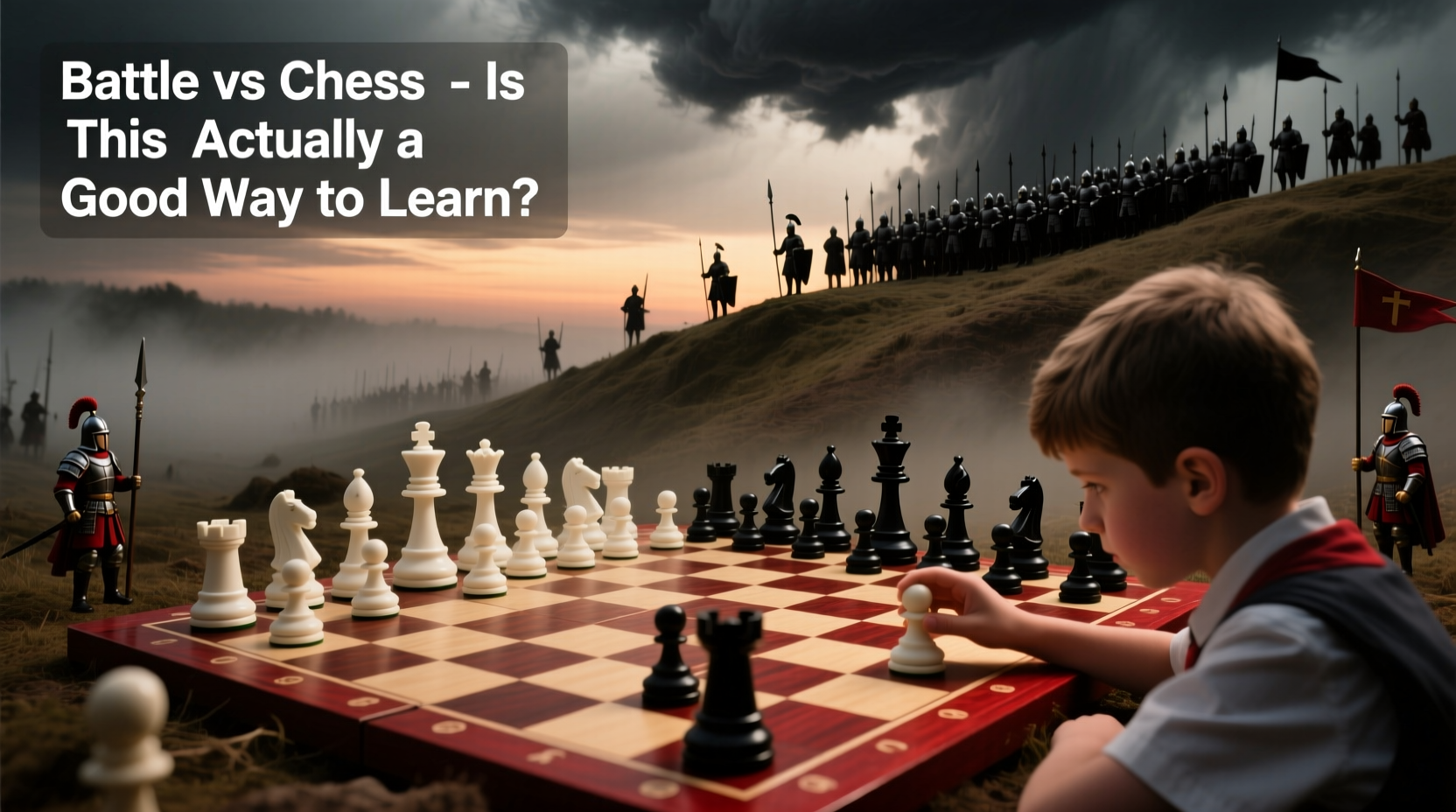
At its foundation, Battle vs Chess follows standard chess rules. The board is 8x8, pieces move according to classical patterns, and objectives remain checkmate, stalemate, or resignation. What sets it apart is the presentation: every capture triggers a short animated sequence, turning abstract moves into dramatic confrontations.
The game includes several modes:
- Classic Mode: Standard chess without animations (ideal for serious play).
- Battle Mode: Full visual effects on captures, adding flair but not altering gameplay.
- Tutorial Mode: Step-by-step lessons introducing piece movement, basic tactics, and common openings.
- Story Mode: A fictional narrative where players engage in themed matches against AI opponents.
This blend of storytelling and interactivity makes Battle vs Chess appealing to younger audiences and casual gamers who might find traditional chess intimidating or dry. However, the presence of educational content doesn’t automatically equate to effective skill transfer.
Pros and Cons of Learning Chess Through Battle vs Chess
To assess whether Battle vs Chess is a viable learning tool, it's essential to weigh its strengths against its limitations.
| Advantage | Disadvantage |
|---|---|
| Engagement Boost: Animations make early learning more exciting, especially for children or visual learners. | Distracting Visuals: Over-the-top effects can interrupt focus and slow down decision-making rhythm. |
| Beginner-Friendly Tutorials: Covers basic moves, checks, and simple tactics like forks and pins. | Limited Depth: Fails to teach advanced concepts like positional play, endgame technique, or opening theory beyond basics. |
| Low-Pressure Environment: Reduces intimidation factor for new players afraid of “serious” chess apps. | Weaker AI: Opponents lack the strength and adaptability of modern engines like Stockfish. |
| Motivation Through Story: Narrative elements encourage continued play and completion of challenges. | No Post-Game Analysis: Lacks tools to review mistakes, blunders, or missed opportunities. |
The data suggests a clear pattern: Battle vs Chess excels at initial engagement but falls short in structured progression. It can spark interest, but sustained improvement requires deeper study methods.
What Real Chess Improvement Requires
Learning chess effectively involves more than knowing how the pieces move. According to grandmasters and cognitive researchers, key components include:
- Patter Recognition: Identifying tactical motifs (pins, skewers, discovered attacks) quickly.
- Calm Calculation: Evaluating multiple move sequences without emotional interference.
- Positional Understanding: Grasping concepts like weak squares, pawn structure, and king safety.
- Error Review: Analyzing games to understand why mistakes occurred.
- Consistent Practice: Regular play combined with targeted exercises.
Battle vs Chess supports only the first point superficially. The animations may reinforce memory of piece capabilities, but they don’t train calculation under pressure or promote deep thinking. In fact, the exaggerated feedback after captures can condition players to seek immediate satisfaction rather than long-term strategic gain.
“Entertainment-driven chess variants can open the door, but mastery comes through disciplined study and reflective play.” — GM Jonathan Rowson, Author of *The Seven Deadly Chess Sins*
A Realistic Example: Can You Transition from Battle vs Chess to Competitive Play?
Consider Marcus, a 14-year-old who discovered chess through Battle vs Chess. He played story mode over two weeks, enjoyed the animations, and learned how knights jump and rooks control files. Encouraged, he joined his school’s chess club.
During his first live match, Marcus struggled. He forgot castling rules under pressure, missed a simple fork, and became frustrated when no dramatic music played after capturing a piece. His opponent, who trained using a standard app with puzzles and game reviews, won in 20 moves.
Marcus wasn’t failing because he was unskilled—he was failing because Battle vs Chess hadn’t prepared him for the quiet intensity of real gameplay. It taught him what chess *looks* like in movies, not what it *feels* like in competition.
With guidance, Marcus shifted to platforms like Chess.com and Lichess, began solving daily puzzles, and reviewed his games. Within three months, he won his first tournament. The lesson? Battle vs Chess was his entry point—not the path to proficiency.
Best Practices for Using Battle vs Chess as a Learning Tool
If you or someone you know enjoys Battle vs Chess, it doesn’t need to be abandoned. Used strategically, it can support early-stage learning. Here’s how to integrate it effectively:
- Start with Tutorial Mode: Complete all lessons to ensure foundational knowledge is accurate.
- Play One Game Daily in Classic Mode: Disable animations to build familiarity with standard presentation.
- Reinforce Concepts Elsewhere: After learning a tactic in-game (e.g., a pin), look up examples in real master games.
- Set Time Limits: Avoid marathon sessions focused only on spectacle; cap playtime to maintain balance.
- Transition Early: Within 2–3 weeks, begin using dedicated chess platforms for puzzles and live play.
Checklist: Is Battle vs Chess Right for Your Learning Stage?
- ✅ I am completely new to chess and feel intimidated by formal apps.
- ✅ I respond well to visual storytelling and interactive media.
- ✅ I plan to use it for no more than 2–3 weeks before moving to standard platforms.
- ✅ I will supplement it with external resources (videos, books, coaches).
- ✅ I understand that animations do not reflect real-world chess dynamics.
If most of these apply, Battle vs Chess can serve as a gentle on-ramp. If not, consider starting directly with beginner-friendly but education-focused tools like ChessKid or Lichess’s structured courses.
Frequently Asked Questions
Can Battle vs Chess help kids learn faster?
It can accelerate initial engagement and help young learners remember piece movements through visual association. However, long-term progress still depends on transitioning to analytical training and consistent puzzle-solving.
Does Battle vs Chess teach proper etiquette and clock management?
No. The game lacks time controls in many modes and doesn’t simulate tournament conditions like silent play, notation, or touch-move rules. These must be learned elsewhere.
Is there any benefit for adult beginners?
For adults who enjoy gaming aesthetics, it can reduce the perceived stiffness of chess. But most adult learners benefit more from direct instruction and immediate feedback, which Battle vs Chess doesn’t provide.
Final Thoughts: Entertainment as a Gateway, Not a Destination
Battle vs Chess isn’t broken—it’s just mispositioned. Marketed as both a game and a teacher, it delivers strongly on fun but weakly on pedagogy. For absolute beginners, particularly children, it can ignite curiosity. But true chess development demands clarity, repetition, and reflection—elements best supported by minimalist interfaces and robust analytical tools.
The danger lies in mistaking excitement for expertise. Seeing a queen obliterate a knight in flames feels powerful, but real mastery comes from quietly recognizing a mating net ten moves ahead. That kind of insight isn’t taught through special effects—it’s built through patience, practice, and purposeful learning.




 浙公网安备
33010002000092号
浙公网安备
33010002000092号 浙B2-20120091-4
Comments
No comments yet. Why don't you start the discussion?