
Itchiness and flaking are two of the most common frustrations men face during beard growth. Whether you're growing your first stubble or maintaining a full lumberjack look, dry skin under the beard can turn grooming into discomfort. The market is flooded with solutions—primarily beard oil and beard balm—but which one truly tackles the root causes of itch and flaking?
The answer isn’t always straightforward. While both products aim to improve beard health, they work differently, target different issues, and suit different beard types. Understanding their mechanisms, ingredients, and long-term effects is key to choosing the right solution.
Understanding Beard Itch and Flaking
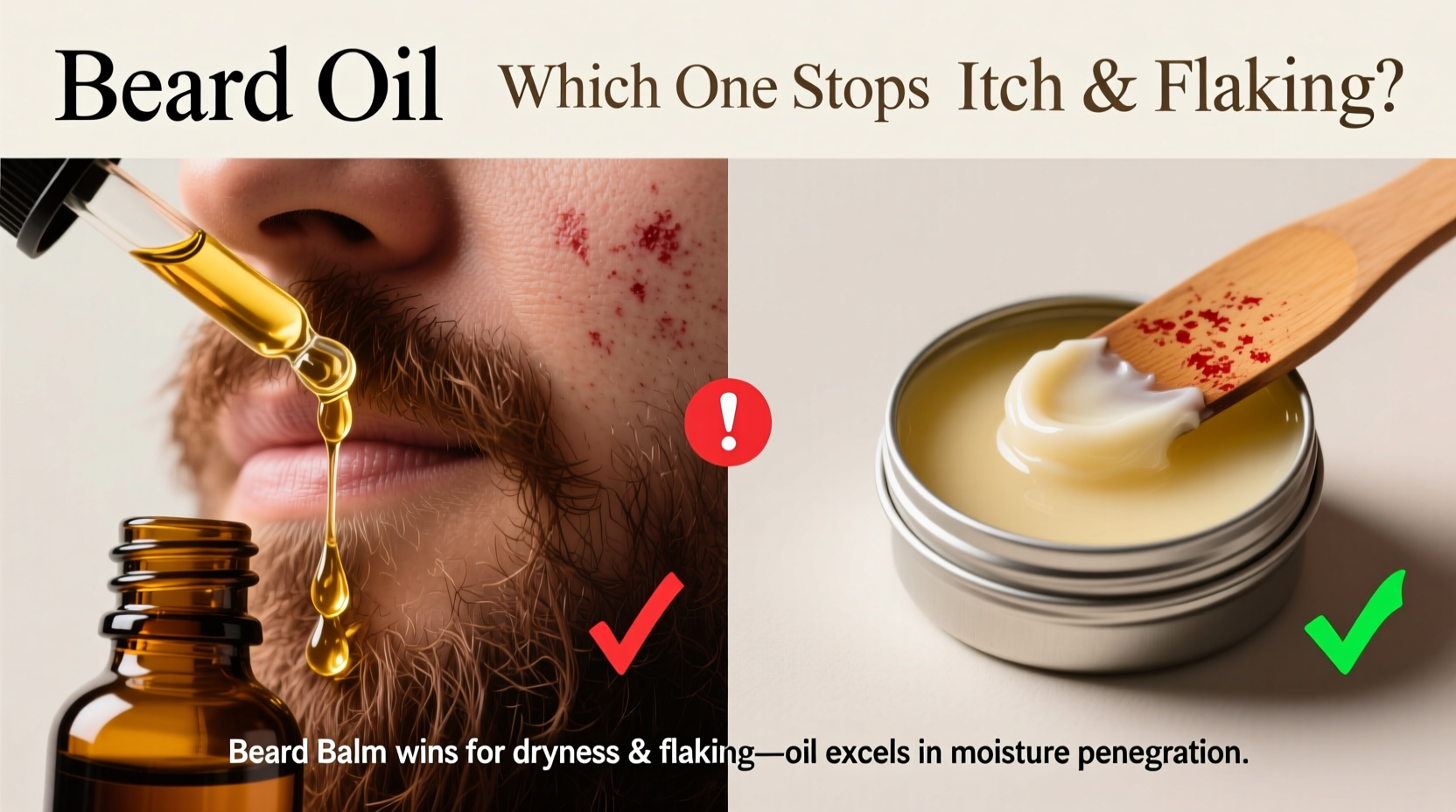
Facial itching during beard growth isn’t just psychological—it’s physiological. When hair begins to grow through the skin, especially after shaving, it can irritate nerve endings. This sensation intensifies when the skin underneath becomes dry, blocked with dead cells, or inflamed due to lack of moisture.
Flaking, often mistaken for dandruff, is usually caused by dry skin (xerosis) beneath the beard. Unlike scalp dandruff, which may stem from fungal overgrowth (like Malassezia), beard flakes are typically non-medicated dryness exacerbated by:
- Harsh cleansers stripping natural oils
- Low humidity environments
- Inadequate hydration of facial skin
- Poor exfoliation habits
- Overuse of alcohol-based grooming products
Left untreated, persistent dryness can lead to irritation, ingrown hairs, and even folliculitis. That’s where targeted beard care comes in.
How Beard Oil Works Against Itch and Flaking
Beard oil is primarily a moisturizing agent designed to mimic the skin’s natural sebum. It penetrates the skin beneath the beard and conditions both hair and follicles. Most formulas contain carrier oils (like jojoba, argan, or grapeseed) and essential oils for scent and additional benefits.
Jojaba oil, for example, has a molecular structure nearly identical to human sebum, making it highly effective at hydrating without clogging pores. Argan oil is rich in vitamin E and fatty acids that strengthen the skin barrier and reduce transepidermal water loss.
Because beard oil absorbs quickly and targets the skin directly, it’s particularly effective during the early stages of beard growth—when itch is most intense. It softens coarse new hairs, reduces friction against the skin, and prevents micro-tears that contribute to inflammation.
A 2022 survey by the Men’s Grooming Association found that 78% of men who used beard oil daily reported reduced itching within two weeks. However, the relief was temporary unless paired with consistent application.
“Beard oil is the foundation of any anti-itch regimen. Without proper hydration, no styling product will fix underlying dryness.” — Dr. Marcus Reed, Dermatologist specializing in male skin health
How Beard Balm Addresses Dryness and Flakiness
Beard balm goes beyond hydration. It combines oils with butters (like shea or cocoa) and beeswax to create a semi-solid product that moisturizes, styles, and protects. While it does condition the skin, its thicker consistency means it sits more on the surface than fully absorbing like oil.
The inclusion of shea butter—a natural emollient—helps seal moisture into the skin and forms a protective layer that reduces environmental damage. Beeswax provides light hold for shaping but doesn’t suffocate the skin if used moderately.
For longer beards (over 1 inch), balm can be more effective at managing flaking because it stays on the hair shaft longer, continuously releasing moisture throughout the day. However, on short or patchy growth, it may not reach the skin effectively, limiting its anti-flake impact.
One downside: cheaper balms often use low-grade waxes or synthetic fragrances that can irritate sensitive skin. Always check labels for natural, non-comedogenic ingredients.
Real Example: James’ Transition from Oil to Balm
James, a 34-year-old software developer, started growing his beard in spring. Within two weeks, he experienced severe itching and visible white flakes around his jawline. He began using a basic drugstore beard oil twice daily. After five days, the itch subsided slightly, but flakes returned by day 10.
He consulted a barber who recommended switching to a high-shear butter balm containing tea tree oil and unrefined shea butter. Within a week of applying the balm post-shower, his skin improved dramatically. The thicker formula stayed on longer, providing sustained hydration. His beard, now three months in, remains itch-free and well-conditioned.
This case illustrates that while oil helps initially, balm may offer superior long-term moisture retention—especially as the beard matures.
Beard Oil vs Beard Balm: A Direct Comparison
| Feature | Beard Oil | Beard Balm |
|---|---|---|
| Texture | Liquid, lightweight | Semi-solid, creamy |
| Primary Function | Hydrate skin & soften hair | Moisturize + style + protect |
| Best For | Short beards, early growth, oily skin | Medium to long beards, dry skin |
| Penetration | Deep (reaches skin easily) | Moderate (depends on application) |
| Daily Use Frequency | 1–2 times per day | 1 time per day (can reapply) |
| Effect on Flaking | Reduces temporarily; prevents recurrence with consistency | Longer-lasting moisture seal; better for chronic dryness |
| Hold/Style Support | None | Light to medium |
| Key Ingredients | Jojoba, argan, almond oil, essential oils | Shea butter, beeswax, coconut oil, fragrance oils |
When to Use One or Both Products
The choice between beard oil and balm shouldn’t be binary. Many men benefit from using both in tandem. Here’s how:
- Morning: Apply 3–5 drops of beard oil to clean, towel-dried skin and hair. Massage thoroughly into the beard line and down to the roots.
- Evening (if needed): Reapply oil or use a small amount of balm to lock in moisture overnight.
- During the day: If you need shaping or extra protection (e.g., cold weather), apply a pea-sized amount of balm.
This layered approach ensures deep hydration (oil) plus surface protection (balm). Think of oil as your daily skincare serum and balm as your daytime moisturizer with SPF.
Step-by-Step Routine to Eliminate Itch and Flaking
- Cleanse gently with a beard-specific wash or mild facial cleanser every 1–2 days.
- Exfoliate 1–2 times weekly using a soft brush or scrub to remove dead skin cells.
- Rinse with lukewarm water—hot water strips natural oils.
- Pat dry with a clean towel; do not rub.
- Apply beard oil while skin is still slightly damp.
- Comb through with a wooden or boar-bristle brush to distribute oils evenly.
- Follow with balm only if styling or needing extra moisture retention.
Consistency matters. Skipping applications—even for a few days—can allow dryness to return, reigniting the itch cycle.
Common Mistakes That Worsen Itch and Flaking
- Using too much product: Over-oiling can clog follicles and cause acne. Start with 3–5 drops for short beards.
- Ignoring skin prep: Applying oil on dirty or flaky skin limits absorption.
- Choosing scented synthetics: Artificial fragrances often trigger sensitivity and worsen dryness.
- Not adjusting with seasons: In winter, switch to a heavier balm; in summer, stick to lighter oils.
- Using hair shampoo on beard: Too harsh and alkaline—opt for pH-balanced facial cleansers.
Checklist: Is Your Beard Care Routine Effective?
- ✅ I cleanse my beard 2–3 times per week with a gentle product
- ✅ I exfoliate my facial skin weekly
- ✅ I apply beard oil daily, especially after washing
- ✅ I use balm only when I need hold or extra moisture
- ✅ My products contain natural oils and butters, not alcohols or parabens
- ✅ I comb or brush my beard daily to distribute oils
- ✅ I store products away from heat and sunlight to preserve integrity
Frequently Asked Questions
Can I use beard oil and balm together?
Yes—and it’s often recommended. Apply beard oil first to hydrate the skin, then follow with a small amount of balm to style and seal in moisture. This combination maximizes both comfort and appearance.
Why does my beard still itch after using balm?
If your balm isn’t penetrating the skin, it may be too wax-heavy or applied incorrectly. Try massaging it deeper into the roots, or switch to a butter-rich, lower-wax formula. Also, ensure you’re not skipping cleansing—buildup can block absorption.
Is there a difference between beard dandruff and regular dryness?
Yes. Regular dryness causes small, white, powdery flakes that disappear with moisturizing. Beard dandruff (pityriasis barbae) involves larger, oily, yellowish flakes and may require medicated shampoos with ketoconazole or selenium sulfide. If flaking persists despite proper care, consult a dermatologist.
Final Verdict: Which Product Actually Stops the Itch and Flaking?
For immediate, targeted relief from beard itch and flaking, **beard oil wins**—but only when used correctly and consistently. Its ability to penetrate the skin and replenish lost lipids makes it the most direct solution for dryness-related irritation.
However, **beard balm offers longer-lasting protection**, especially for men with medium to long beards or those in dry climates. Its occlusive properties help prevent moisture loss over time, reducing the frequency of reapplication.
The truth is, neither product alone is a magic bullet. The most effective strategy combines both: use beard oil daily as your foundational treatment, and supplement with balm when you need added conditioning or control. Pair this routine with proper cleansing, exfoliation, and lifestyle hydration (yes, drinking water helps), and you’ll eliminate itch and flaking for good.
“The best beard care isn’t about the fanciest product—it’s about consistency, understanding your skin type, and using the right tool for the right phase of growth.” — Lorenzo Fields, Master Barber & Founder of Urban Beard Co.
Take Action Today
Your beard doesn’t have to be itchy to be impressive. Start tonight: wash your face, towel dry, and apply four drops of quality beard oil. Massage it in, comb through, and commit to doing it again tomorrow. Small steps lead to smooth, healthy results. Share your journey or ask questions in the comments—your experience could help another man finally break free from the scratch.




 浙公网安备
33010002000092号
浙公网安备
33010002000092号 浙B2-20120091-4
Comments
No comments yet. Why don't you start the discussion?