
Choosing between a bed sheet set and buying individual fitted sheets isn’t just about price—it’s about value, convenience, sustainability, and long-term use. As bedding habits evolve and consumers become more conscious of waste and cost efficiency, many are questioning whether purchasing full sheet sets is still necessary or if opting for standalone fitted sheets makes more sense. This article dives deep into the practical differences, financial implications, and lifestyle factors that influence this decision.
Understanding the Basics: What’s in a Bed Sheet Set?
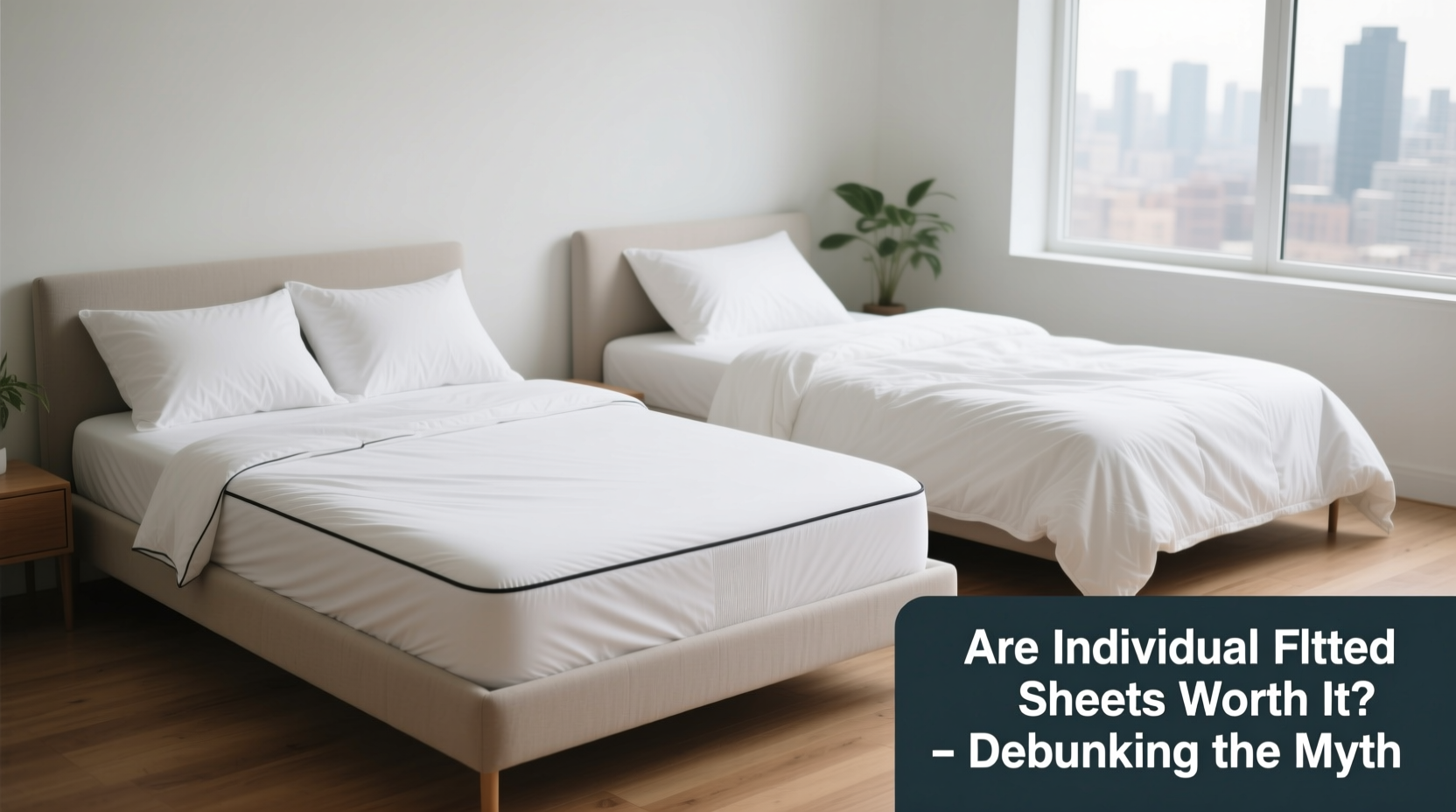
A standard bed sheet set typically includes three components: one fitted sheet, one flat sheet, and one or two pillowcases (depending on size). These are usually sold as a bundled package, often at a lower combined price than if purchased separately. The appeal lies in convenience—everything matches, coordinates with your decor, and arrives ready to use.
In contrast, an individual fitted sheet is sold alone. You might buy it to replace a lost or worn-out piece, to rotate through multiple fitted layers for easier laundry management, or because you don’t use flat sheets at all.
The Hidden Cost of Unused Components
Many modern sleepers have abandoned the traditional flat sheet. In warmer climates or with the rise of breathable duvets and high-thread-count comforters, the flat sheet has become redundant. A 2023 survey by the American Home Furnishings Alliance found that nearly 43% of respondents no longer use flat sheets regularly. Yet, most sheet sets still include them.
This creates a mismatch between what consumers need and what they’re forced to buy. Paying $50–$80 for a set when you only want or use the $25 fitted sheet means over 50% of your money goes toward unused fabric. Over time, replacing entire sets just to refresh the fitted portion becomes inefficient and wasteful.
“Consumers are increasingly rejecting one-size-fits-all bundles in favor of modular, needs-based purchases. This shift is not just economic—it's environmental.” — Dr. Lena Torres, Sustainable Textile Researcher, University of Oregon
Cost Comparison: Sets vs. Individual Fitted Sheets
To evaluate true value, let’s compare average prices across common bedding sizes and quality tiers. The table below illustrates typical retail costs for cotton-polyester blend and premium percale cotton options.
| Product Type | Material | Queen Size Price | Value Breakdown |
|---|---|---|---|
| Full Sheet Set | Cotton-Poly Blend | $45 | Fitted: ~$18, Flat: ~$15, 2 Pillowcases: ~$12 |
| Individual Fitted Sheet | Cotton-Poly Blend | $22 | Only what you need |
| Full Sheet Set (Premium) | Percale Cotton | $85 | Fitted: ~$35, Flat: ~$30, Pillowcases: ~$20 |
| Individual Fitted Sheet (Premium) | Perclave Cotton | $38 | No extra cost for unused items |
As shown, even when the per-unit cost of a fitted sheet within a set appears lower, the total expenditure includes items you may not use. Buying individually allows customization and eliminates waste—both financial and material.
When Individual Fitted Sheets Are Not a Waste of Money
Purchasing individual fitted sheets becomes a smart investment in several scenarios:
- You rotate bedding frequently: Having 2–3 fitted sheets lets you maintain clean bedding without constant washing, extending fabric life.
- You own multiple beds: Guest rooms, kids’ rooms, or vacation homes may only require fitted sheets, not full sets.
- You prefer deep-pocket or specialty sizes: Mattress depths vary widely today. Buying singles ensures perfect fit without compromising on the rest of the set.
- You prioritize sustainability: Replacing only the worn component reduces textile waste and resource consumption.
Mini Case Study: The Minimalist Bedroom Makeover
Sarah, a freelance designer from Portland, recently simplified her bedroom routine. She owns a high-end organic cotton sheet set but realized she hadn’t used the flat sheet in over a year. When the fitted sheet wore thin after 18 months, she faced a choice: replace the entire $90 set or find a matching individual fitted sheet.
She contacted the brand and discovered they offered replacement fitted sheets for $42—about half the original set price. Though initially frustrated by the cost, Sarah calculated that she’d save $48 annually by avoiding future full-set replacements. She now rotates two fitted sheets seasonally and stores the flat sheet for guests. Her approach reduced clutter, saved money, and aligned with her zero-waste goals.
Step-by-Step Guide: How to Decide What to Buy
Follow this five-step process to determine the best purchase strategy for your needs:
- Assess Your Usage: Do you use flat sheets? If not, factor in that 30–40% of a set is unnecessary.
- Check Your Inventory: Count how many fitted sheets you currently own and their condition.
- Plan for Rotation: Aim for at least two fitted sheets per bed to allow for washing and backup.
- Compare Prices: Calculate the effective cost of the fitted sheet within a set versus standalone pricing.
- Evaluate Brand Support: Choose brands that sell individual components—this supports long-term flexibility.
Common Misconceptions About Individual Sheets
Some believe buying individual fitted sheets is always more expensive or leads to mismatched bedding. However, these concerns are often outdated:
- Misconception: “Singles cost more per unit.”
Reality: While sometimes slightly pricier, the elimination of unused components often results in net savings. - Misconception: “You’ll never find a matching color again.”
Reality: Reputable brands maintain consistent dye lots and product lines for years. Save a swatch or note the SKU. - Misconception: “It’s less convenient.”
Reality: Online retailers now specialize in replacement linens, offering fast shipping and easy search filters.
FAQ
Can I mix and match fitted sheets from different sets?
Yes, as long as the size, pocket depth, and elastic quality are compatible. Many people curate their bedding by color or season this way.
Do hotels buy sheet sets or individual pieces?
Hotels almost exclusively purchase components separately. They buy large quantities of fitted and flat sheets independently to manage inventory, wear patterns, and laundering efficiency.
Are there eco-friendly benefits to buying individual sheets?
Absolutely. Producing fewer textiles reduces water, energy, and dye usage. Plus, replacing only worn parts minimizes household textile waste, which accounts for 15% of landfill content in the U.S.
Checklist: Smart Sheet Buying Strategy
- ☐ Determine if you use flat sheets
- ☐ Count existing fitted sheets per bed
- ☐ Identify mattress depth and size requirements
- ☐ Research brands that sell individual components
- ☐ Calculate cost-per-use for sets vs. singles
- ☐ Plan a 2–3 fitted sheet rotation per bed
- ☐ Store one clean set as backup
Conclusion: Rethinking Value Beyond the Package
The question isn’t whether individual fitted sheets are a waste of money—it’s whether continuing to buy full sets when you don’t need them is the smarter choice. For many, the answer is clear: modular, intentional purchasing leads to better financial outcomes, reduced waste, and greater flexibility. The bedding industry is slowly adapting, with more brands now offering refillable, component-based systems.
By assessing your real needs, planning ahead, and supporting companies that enable sustainable consumption, you can transform a simple bedding decision into a meaningful step toward mindful living. Stop paying for what you don’t use. Start building a bedroom that works for you—sheet by sheet.




 浙公网安备
33010002000092号
浙公网安备
33010002000092号 浙B2-20120091-4
Comments
No comments yet. Why don't you start the discussion?