
When it comes to dressing your bed, the decision between a bedding set and a bedspread is more than just aesthetic—it affects comfort, functionality, and even how well your bedroom sleeps at night. While both serve the purpose of covering your mattress and adding visual appeal, their construction, use cases, and maintenance differ significantly. Choosing the wrong option can lead to discomfort, unnecessary laundry loads, or mismatched decor. Understanding these distinctions helps ensure that your choice aligns with your lifestyle, climate, and interior design goals.
What Defines a Bedding Set?
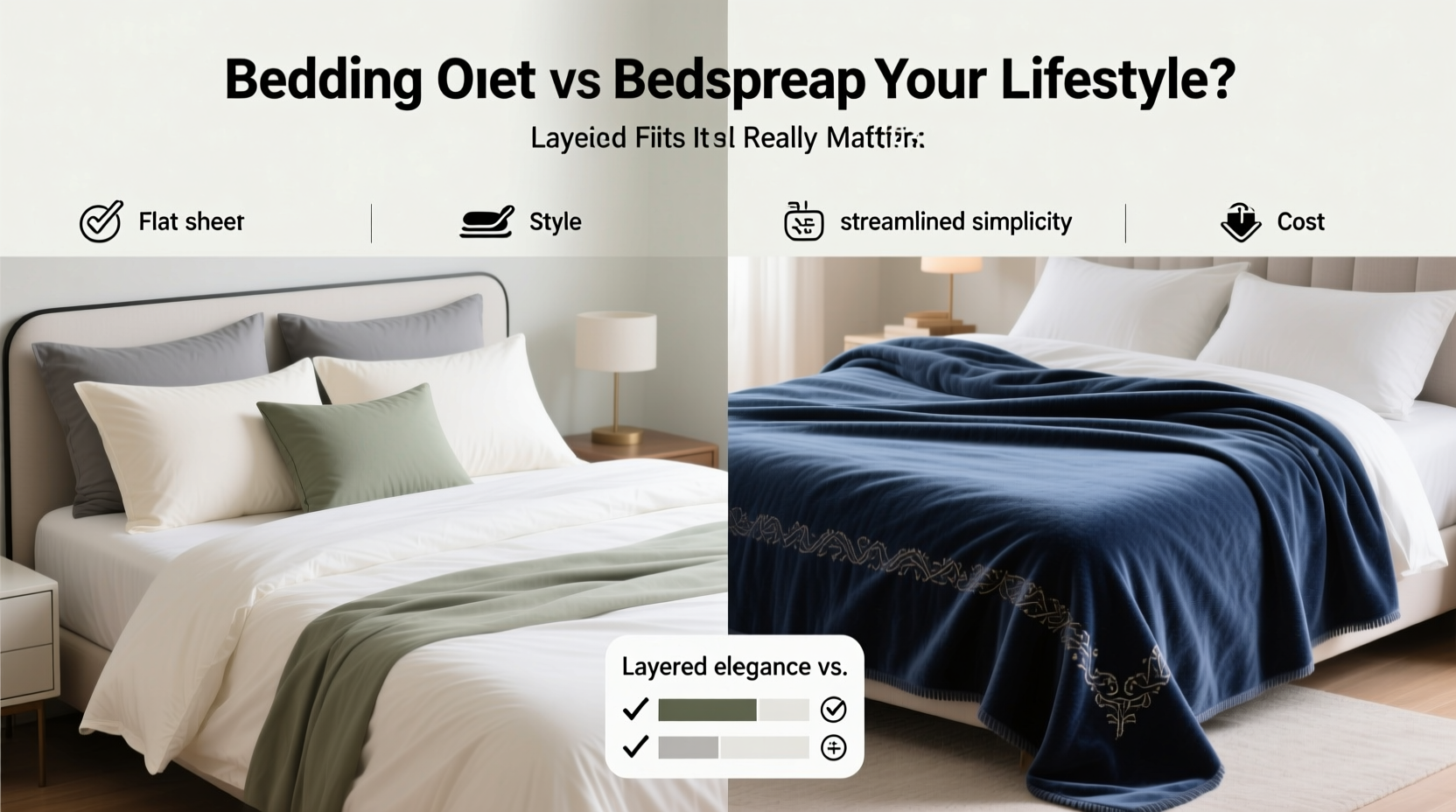
A bedding set typically includes multiple coordinated pieces designed to cover different parts of the bed. Most commonly, this includes a fitted sheet, flat sheet, pillowcases, and sometimes a comforter or duvet cover. High-end sets may also include shams, decorative pillows, or even a bed skirt. The primary goal of a bedding set is to provide layered comfort and hygiene while maintaining a cohesive look across all elements.
Because bedding sets are made with interchangeable layers, they allow for greater customization based on season and preference. For example, during winter, you might layer a flannel sheet set under a down-filled comforter, whereas in summer, you could switch to lightweight cotton percale with a breathable duvet.
Understanding the Role of a Bedspread
A bedspread is a single, often quilted or woven coverlet that drapes over the entire bed, usually extending to the floor. Traditionally used as a protective layer over other bedding, modern bedspreads serve both functional and decorative roles. They’re frequently placed over top sheets and comforters to add texture, color, or pattern without requiring additional tucking or layering.
Unlike bedding sets, bedspreads are not meant for direct skin contact. Instead, they act as a finishing touch—ideal for guest rooms where aesthetics take priority, or master bedrooms aiming for a classic, tailored appearance. Many vintage-style homes feature brocade or matelassé bedspreads that evoke elegance and formality.
“A well-chosen bedspread can anchor an entire room’s design, but it should never compromise sleep quality.” — Laura Simmons, Interior Stylist & Textile Consultant
Key Differences Between Bedding Sets and Bedspreads
| Feature | Bedding Set | Bedspread |
|---|---|---|
| Components | Fitted sheet, flat sheet, pillowcases, comforter/duvet | Single cover (sometimes with matching shams) |
| Primary Use | Sleeping comfort, hygiene, layering | Decorative coverage, light warmth |
| Material Variety | Cotton, linen, microfiber, silk, flannel | Quilted fabrics, jacquard weaves, chenille |
| Wash Frequency | Weekly to bi-weekly (sheets); monthly (comforters) | Rarely—spot clean only or dry clean |
| Seasonal Flexibility | High—easy to swap materials | Low—designed for year-round use |
| Comfort Level | High—designed for direct contact | Moderate—often stiff or bulky |
When It Really Matters: Choosing Based on Lifestyle
The real importance of choosing between a bedding set and a bedspread lies in how you live. A young professional living in a studio apartment may prioritize low-maintenance, machine-washable bedding sets for daily comfort. In contrast, someone with a formal bedroom suite may opt for a luxurious bedspread to maintain a polished appearance, especially if the bed isn’t used every night.
In humid climates, breathable bedding sets made from natural fibers like cotton or bamboo help regulate temperature and reduce sweating. Meanwhile, in drier environments, heavier bedspreads can add needed warmth without the bulk of extra blankets.
Mini Case Study: The Weekend Getaway Cabin
Jamie owns a mountain cabin used primarily on weekends. She initially installed a high-thread-count bedding set, but found guests were reluctant to make the bed due to its complexity. After switching to a washable cotton bedspread with built-in ties, she noticed a dramatic improvement in guest satisfaction. The bed looked neat upon arrival, required minimal effort to refresh, and survived occasional pet visits without damage. This shift improved usability without sacrificing style.
Step-by-Step Guide to Making the Right Choice
- Evaluate your sleep habits: Do you move a lot at night? Need cooling properties? Then a breathable bedding set is likely best.
- Assess your bedroom usage: Is it a daily space or mostly for show? Formal rooms benefit from bedspreads.
- Consider climate: Hot areas favor lightweight sheets; colder zones may support heavier spreads.
- Determine maintenance capacity: If you dislike frequent washing, a bedspread reduces laundry load.
- Match your decor style: Modern minimalism works with crisp bedding sets; traditional spaces shine with ornate spreads.
- Test for comfort: Drape a large blanket over your current setup to simulate a bedspread before buying.
Common Mistakes to Avoid
- Using a bedspread as a substitute for a comforter – Many bedspreads lack sufficient insulation for cold nights.
- Ignoring scale and proportion – Oversized bedspreads pool on the floor, creating tripping hazards; undersized ones look awkward.
- Forgetting about storage – Bedspreads need breathable garment bags or cedar chests to prevent mustiness.
- Matching too literally – Don’t force a bedspread to match curtains or rugs exactly; tonal harmony works better.
FAQ
Can I use a bedspread with a bedding set?
Yes, many people layer a bedspread over a complete bedding set for added warmth and visual depth. Just ensure the spread has ties or elastic corners to stay in place.
Are bedspreads outdated?
Not at all. While less common in ultra-modern designs, bedspreads remain popular in traditional, cottage, and luxury interiors. Updated materials like wrinkle-resistant blends keep them relevant.
How do I care for a vintage bedspread?
Vintage bedspreads, especially those made from delicate threads or metallic yarns, should be professionally cleaned or hand-washed gently. Store them flat or rolled with acid-free tissue to prevent creasing.
Checklist: Choosing Between a Bedding Set and Bedspread
- ☐ Determine primary use: everyday sleeping vs. decorative display
- ☐ Check your local climate and seasonal needs
- ☐ Assess how often you’re willing to launder bedding
- ☐ Measure your mattress depth for proper fit
- ☐ Confirm whether you prefer layered comfort or streamlined elegance
- ☐ Test fabric textures in person if possible
- ☐ Consider pets or children who may affect durability needs
Conclusion
The choice between a bedding set and a bedspread isn't merely cosmetic—it reflects how you interact with your bedroom space. If comfort, hygiene, and adaptability are priorities, a quality bedding set will serve you best. If your room doubles as a showplace or receives infrequent use, a well-crafted bedspread offers timeless charm with minimal upkeep. Ultimately, the \"right\" choice depends on your personal rhythm, aesthetic taste, and practical demands. By weighing these factors thoughtfully, you create a bed that doesn’t just look good—but truly supports the way you live and rest.




 浙公网安备
33010002000092号
浙公网安备
33010002000092号 浙B2-20120091-4
Comments
No comments yet. Why don't you start the discussion?