
Shopping for new bed linens can quickly become overwhelming. You browse online, compare prices, and suddenly realize: two nearly identical-looking products—one labeled “bedding set,” the other “quilt set”—have vastly different price tags. Is one truly better? Or are you just paying extra for branding and packaging? The truth lies somewhere in between, and understanding what you’re actually buying is key to making a smart, value-driven decision.
What’s Actually Included: Breaking Down the Components
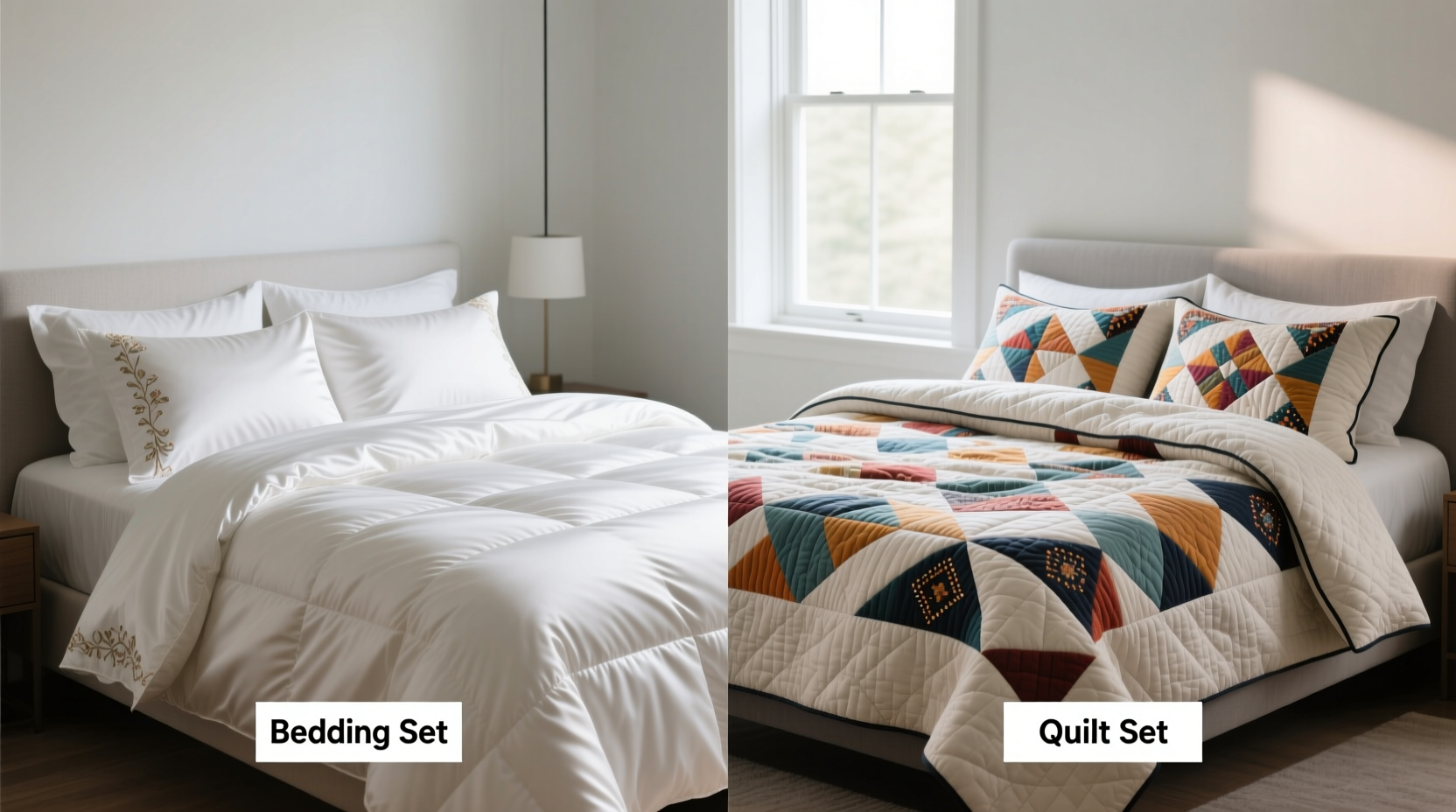
The first step in evaluating whether you're overpaying is knowing exactly what each product includes. At face value, both bedding sets and quilt sets aim to provide a coordinated look for your bed, but their contents differ significantly.
| Product Type | Typically Includes | May Exclude |
|---|---|---|
| Bedding Set | Duvet cover, sheet set (fitted + flat sheets), pillowcases, shams, decorative pillows, bed skirt | Quilt or comforter (if not included) |
| Quilt Set | Quilt, matching pillow shams, sometimes decorative pillows | Sheets, pillowcases, duvet insert |
A bedding set usually functions as an all-in-one solution—everything you need to dress your bed from mattress to top layer. In contrast, a quilt set centers on the quilt itself, often treated as a standalone top layer. This distinction matters because you may end up needing to purchase additional items separately when choosing a quilt set, which could negate any upfront savings.
Material Quality and Construction: Where Value Meets Price
It’s tempting to assume that higher-priced bedding sets are simply charging more for extras. But material quality plays a major role in cost. A $120 quilt set made from 100% cotton percale will likely outperform and outlast a $90 microfiber bedding set—even if the latter includes more pieces.
Thread count, fabric weight, stitching technique, and dye processes all influence durability and comfort. For instance:
- Cotton sateen quilts feel luxurious but may wrinkle more than brushed microfiber alternatives.
- Double-stitched seams and reinforced corners indicate long-term resilience.
- Pre-shrunk fabrics maintain fit after repeated washings.
“Many consumers focus on piece count without checking fabric composition. That’s where they get misled.” — Lena Patel, Textile Consultant at HomeFabric Labs
If a bedding set uses polyester blends instead of natural fibers, you might save money initially but sacrifice breathability and softness over time. Meanwhile, a well-made quilt set with premium cotton or linen can serve as a centerpiece for years, especially if rotated seasonally.
Real-World Scenario: Sarah’s Bedroom Refresh
Sarah wanted to update her guest room with a coastal-themed look. She found two options:
- Option A: A “Luxury Bedding Set” ($139) including a duvet cover, sheet set, two shams, and two decorative pillows.
- Option B: A “Coastal Quilt Set” ($89) with a quilt, two shams, and a single embroidered throw pillow.
At first glance, Option A seemed like the better deal—more items for only $50 more. But Sarah already owned white sheet sets and didn’t need another. She also preferred using a lightweight blanket under a quilt rather than a bulky duvet. By purchasing Option B and pairing it with her existing sheets, she achieved her desired aesthetic at a lower total cost—and avoided clutter.
This example illustrates that value isn't always about quantity. It's about alignment with your actual needs and lifestyle.
Step-by-Step Guide: How to Compare Sets Like a Pro
Before clicking “Add to Cart,” follow this sequence to ensure you're making a cost-effective choice:
- Inventory Your Current Linens: Do you already have quality sheets or pillowcases? If yes, a quilt set may suffice.
- Check Fabric Content: Prioritize breathable, durable materials like cotton, linen, or TENCEL™ over synthetic blends unless budget is tight.
- Review Piece Count and Size: Confirm the set matches your bed dimensions (twin, queen, king). Some sets skimp on pillowcases or omit shams entirely.
- Calculate Cost Per Item: Divide total price by number of included pieces. A $100 set with five components costs $20 per item; a $70 set with three items is ~$23.33 each—less economical than it appears.
- Evaluate Longevity: Look for care instructions. Machine-washable, low-maintenance fabrics increase long-term value.
Common Misconceptions About Pricing
One widespread myth is that “bedding set” automatically means higher quality. In reality, manufacturers often inflate perceived value by bundling inexpensive accessories like thin pillow inserts or flimsy bed skirts. These additions drive up packaging and shipping costs—not necessarily performance.
Conversely, some quilt sets are marketed as minimalist, artisanal products, commanding premium prices due to design uniqueness or ethical sourcing. These aren’t inherently overpriced; they cater to niche preferences.
The real issue arises when branding overshadows substance. A luxury brand may charge $200 for a bedding set with 85% polyester content, while an independent maker offers a 100% organic cotton quilt set for $150. In this case, the quilt set delivers superior material value despite having fewer components.
FAQ: Your Top Questions Answered
Can I mix a quilt set with separate sheets?
Absolutely. Many people prefer using high-quality fitted and flat sheets beneath a quilt for added comfort and hygiene. Since quilt sets rarely include sheets, buying them separately allows customization based on thread count, color, and fit.
Is a duvet cover better than a quilt?
It depends on your priorities. Duvet covers are easier to clean and allow seasonal insert changes. Quilts are thinner, ideal for warmer climates or layered styling. Neither is objectively superior—it comes down to climate, washing habits, and aesthetic preference.
Why do some quilt sets cost more than full bedding ensembles?
Premium quilt sets often use hand-quilted techniques, organic dyes, or sustainably sourced materials. They may also be produced in smaller batches, increasing per-unit cost. Meanwhile, mass-market bedding sets benefit from economies of scale, even if materials are lower grade.
Final Checklist Before You Buy
- ✅ I know what linens I already own and won’t duplicate unnecessarily.
- ✅ I’ve checked the fabric type and care requirements.
- ✅ I’ve compared cost per included item, not just total price.
- ✅ I’ve read recent customer reviews focusing on durability.
- ✅ I understand whether the set includes a comforter, quilt, or just a cover.
Conclusion: Pay for What You Need, Not Just What’s Packaged
The gap between bedding sets and quilt sets isn’t just about labels—it’s about intentionality. You’re not inherently overpaying for a bedding set, nor are you guaranteed savings with a quilt set. The real value lies in clarity: knowing what you need, what you’ll actually use, and what materials will stand the test of time.
Stop treating these purchases as one-size-fits-all upgrades. Instead, assess your sleep environment, laundry routine, and design goals. When you do, you’ll find that the most expensive option rarely wins—but the most thoughtful one always does.




 浙公网安备
33010002000092号
浙公网安备
33010002000092号 浙B2-20120091-4
Comments
No comments yet. Why don't you start the discussion?