
Stools are among the most versatile pieces of furniture in a home. Compact, functional, and often stylish, they serve multiple roles across rooms. Yet many homeowners wonder: is there a real difference between a bedroom stool and a living room stool? Can one piece truly pull double duty? The answer isn’t always straightforward—function, aesthetics, and lifestyle all play a role in determining whether a single stool can transition seamlessly from one space to another.
While both types may look similar at first glance, their intended uses, placement, and design priorities differ subtly but significantly. Understanding these distinctions helps you make smarter furniture choices—without unnecessary duplication or wasted space.
Functionality: Purpose Drives Design
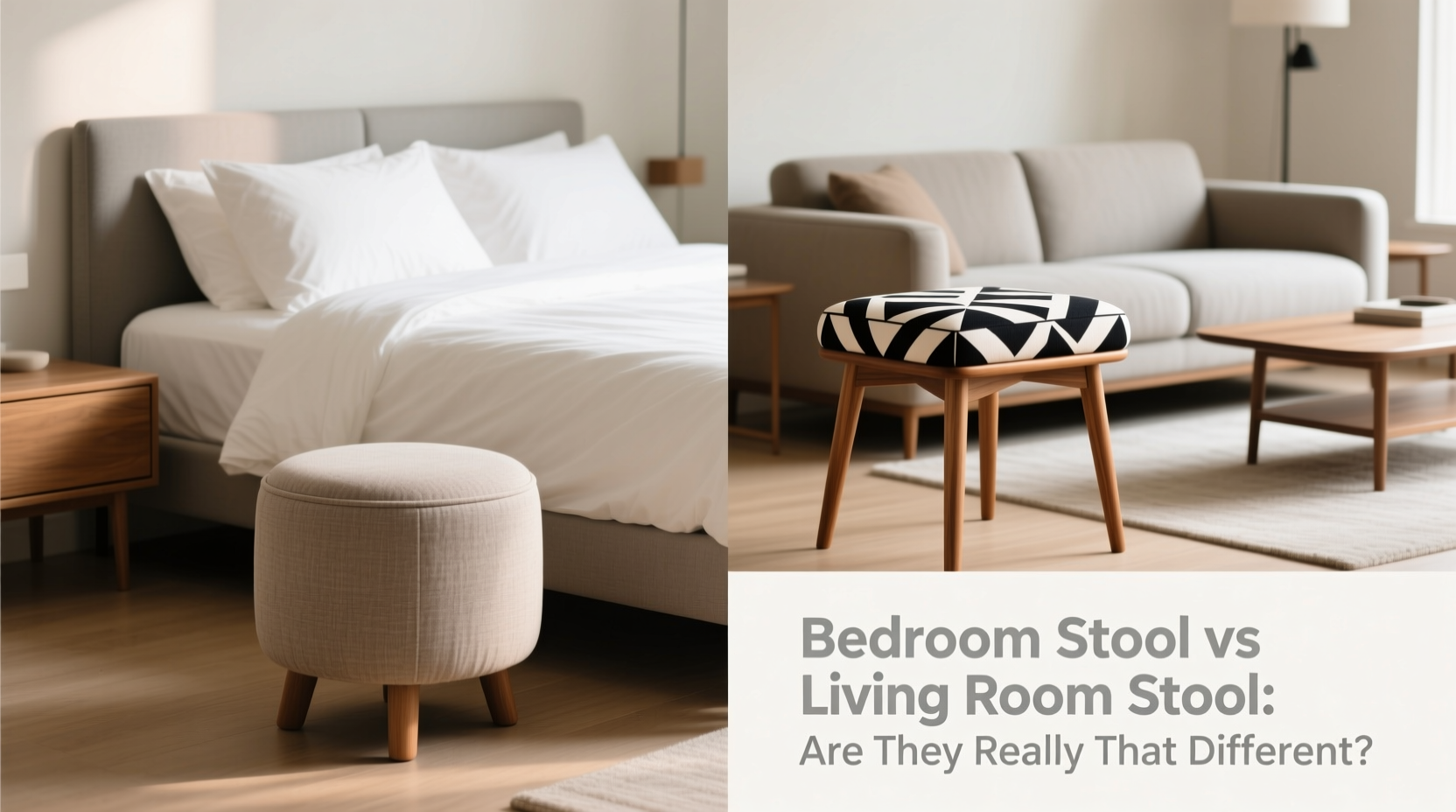
The primary difference between bedroom and living room stools lies in how they’re used. In the bedroom, a stool is typically functional and personal. It’s placed at the foot of the bed or beside a dressing table, serving as a spot to sit while putting on shoes, organizing clothes, or folding laundry. These stools are designed with convenience in mind—often low-profile and easy to tuck away.
In contrast, living room stools tend to be more social. They act as supplemental seating during gatherings, extra perches near a coffee table, or even part of a layered decor scheme. Some are pulled up to a kitchen island or bar cart within the living area, making them multi-functional beyond just sitting.
Design & Aesthetic Priorities
Aesthetics play a crucial role in where a stool feels “at home.” Bedroom stools often lean toward softness and comfort. Upholstered tops, padded seats, and fabric finishes are common because they complement the cozy, intimate atmosphere of a sleeping space. Neutral tones, textured fabrics, or matching sets (like a stool that echoes the bedspread) help integrate the piece into the overall bedroom theme.
Living room stools, however, are more likely to reflect the room’s decorative personality. They might feature bold legs, metallic accents, or unique shapes that stand out. Materials like wood, metal, or leather are popular—not only for durability but also for their ability to blend with modern, industrial, or eclectic styles.
This doesn’t mean a bedroom-style stool can’t work in a living room. But if it’s overly plush or matches bedroom linens too closely, it may feel out of place in a more dynamic, shared environment.
Material & Durability Comparison
Durability needs vary by room. Living rooms generally see higher traffic—kids, pets, guests—which means furniture must withstand frequent use. Stools here benefit from sturdy frames (solid wood, steel), scratch-resistant finishes, and easy-to-clean surfaces.
Bedrooms, being lower-traffic areas, allow for more delicate materials. A tufted velvet stool might be perfect beside a vanity but could wear quickly if constantly moved around or used by active family members.
“Furniture isn’t just about appearance—it’s about behavior. Ask not just how it looks, but how it will be used.” — Lena Torres, Interior Designer & Space Planner
Comparison Table: Bedroom vs Living Room Stool Features
| Feature | Bedroom Stool | Living Room Stool |
|---|---|---|
| Primary Use | Sitting while dressing, storing items, decorative accent | Extra seating, social use, decor statement |
| Seat Comfort | High – often padded or upholstered | Moderate – balance of style and support |
| Materials | Fabric, soft upholstery, lighter woods | Leather, metal, hardwoods, composites |
| Traffic Level | Low to moderate | Moderate to high |
| Style Focus | Cozy, coordinated, calming | Bold, complementary, eye-catching |
| Mobility | Rarely moved | Often repositioned |
Can One Stool Work in Both Rooms?
Yes—but with caveats. A well-chosen stool can absolutely transition between spaces, especially in smaller homes where multifunctional furniture is essential. The key is selecting a piece that balances comfort, durability, and aesthetic flexibility.
For example, a mid-century wooden stool with a cushioned seat might fit beautifully at the end of a bed in the morning and double as extra seating during a weekend movie night. Its clean lines and neutral tone allow it to adapt without clashing.
However, avoid using a heavily ornate bedroom bench in a high-traffic living area unless it’s built to last. Similarly, a metal barstool meant for a kitchen nook may feel too cold or industrial in a softly decorated bedroom.
Mini Case Study: The Studio Apartment Solution
Jamie lives in a 500-square-foot studio apartment where the bed occupies one corner and the living area flows directly into the kitchen. Space is tight, so Jamie invested in a single walnut-framed stool with a removable linen cushion. During the day, it sits near the sofa as an impromptu side table or guest seat. At night, it moves to the bedside, doubling as a shoe bench and reading perch. By choosing a piece with natural materials and understated elegance, Jamie eliminated redundancy without sacrificing style or comfort.
How to Choose a Dual-Purpose Stool: Step-by-Step Guide
- Assess your usage patterns: Will the stool be sat on daily? Moved frequently? Exposed to spills or sunlight?
- Prioritize materials: Opt for durable woods (oak, walnut), wipeable fabrics, or powder-coated metals that resist wear.
- Neutralize the color: Choose shades like beige, gray, black, or natural wood tones that blend with multiple palettes.
- Test proportions: Ensure the height works in both settings—ideally between 16”–18” for general seating.
- Add versatility: Look for features like storage compartments, folding designs, or removable cushions.
- Style it intentionally: Rotate accessories (a throw pillow, tray, or plant) to match the room’s current mood.
Checklist: Is Your Stool Ready for Dual Duty?
- ✔️ Seat height is comfortable for both casual lounging and dressing
- ✔️ Frame is sturdy enough for regular movement and use
- ✔️ Finish resists scratches, stains, and fading
- ✔️ Color or material doesn’t clash with either room’s palette
- ✔️ Lightweight enough to move easily (under 25 lbs ideal)
- ✔️ No sharp edges or delicate details that could break
Frequently Asked Questions
Can I use a dining chair as a bedroom stool?
Possibly, but dining chairs are often taller and less cushioned than ideal for bedroom use. If you go this route, add a small cushion for comfort and ensure it fits under or beside the bed without blocking movement.
What’s the ideal stool height for both rooms?
A height of 17–18 inches is generally suitable for most adults, working well at the foot of a standard bed (18–24”) and alongside sofas or low tables. For higher surfaces like kitchen islands, consider a taller stool (24–30”), though it may not suit bedroom use.
Should the stool match other furniture exactly?
Not necessarily. Matching creates cohesion, but coordinating through color tone, material texture, or design era often looks more intentional and less rigid. A leather stool doesn’t need to match your sofa perfectly—just harmonize.
Final Thoughts: Flexibility Over Formality
The idea that furniture must stay confined to one room is outdated—especially in modern, space-conscious living. While bedroom and living room stools have traditionally served distinct roles, today’s interiors reward adaptability. With thoughtful selection, a single stool can enhance both intimacy and sociability, proving that function and form don’t have to be mutually exclusive.
The goal isn’t uniformity, but harmony. Choose pieces that reflect your lifestyle, endure daily use, and move effortlessly between moments of quiet and connection. When done right, one stool doesn’t just save space—it adds value.




 浙公网安备
33010002000092号
浙公网安备
33010002000092号 浙B2-20120091-4
Comments
No comments yet. Why don't you start the discussion?