
Furniture choices often reflect the function and mood of a room. Stools, though compact, serve more than just seating—they contribute to style, storage, and daily convenience. When it comes to bedroom and living room stools, many homeowners wonder: are they truly different, or can the same piece pull double duty across spaces? The answer isn’t always black and white. While some stools transition seamlessly between rooms, others are purpose-built for specific environments. Understanding the nuances helps you make smarter, more versatile furniture decisions.
Functional Differences Between Bedroom and Living Room Stools
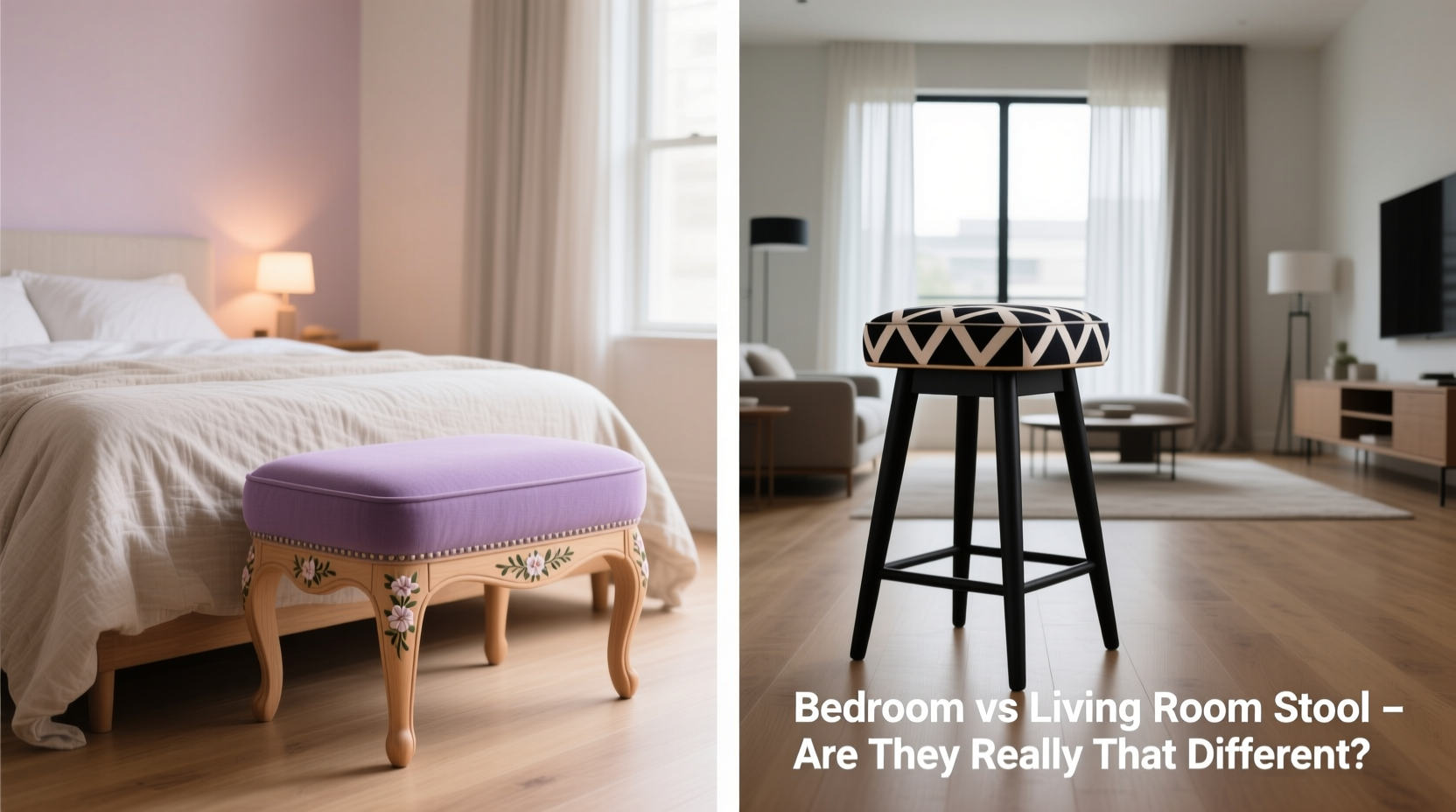
The primary role of a stool shapes its design. In the bedroom, stools are often used at the foot of the bed or beside nightstands. Their main functions include providing a place to sit while putting on shoes, storing extra linens, or serving as a decorative accent. These stools tend to be lower, softer, and sometimes padded for comfort during morning or evening routines.
In contrast, living room stools frequently support social interaction. They may act as extra seating during gatherings, side tables, or even footrests. Materials are typically sturdier—wood, metal, or upholstered frames built to handle frequent use. Height also varies; living room stools are often taller, especially if placed near ottomans, bars, or coffee tables.
Design and Aesthetic Considerations
Interior design plays a major role in where a stool feels “at home.” Bedrooms lean toward calming, cohesive aesthetics. Think neutral tones, soft textures like velvet or linen, and rounded edges that complement beds and wardrobes. A tufted ottoman-style stool in muted gray or blush fits naturally here.
Living rooms, however, are often designed for visual impact. Bolder colors, geometric shapes, and mixed materials (like metal legs with a leather seat) are common. A mid-century modern wooden stool with clean lines might feel out of place in a serene bedroom but shine in a contemporary living area.
That said, minimalist designs bridge the gap. A simple walnut bench with no upholstery can function equally well at the end of a bed or beneath a console table in the living room. The key is cohesion with surrounding decor. If your home follows a unified style—Scandinavian, industrial, farmhouse—a single stool design may indeed serve both rooms.
Material and Durability: Can One Handle Both Spaces?
Durability matters, but so does maintenance. Bedrooms usually see less traffic and fewer spills, allowing for delicate fabrics like silk blends or untreated wood. Living rooms endure more wear—pets, food, foot traffic—so materials must be resilient. Leather, performance fabric, sealed hardwood, or powder-coated metal stand up better over time.
If you’re considering using one stool in both areas, opt for a material that balances elegance and endurance. For example, a stool with a kiln-dried hardwood frame and Crypton® fabric offers spill resistance without sacrificing style. It’s suitable for bedtime reading or hosting guests.
“Furniture versatility starts with material intelligence. A well-chosen stool shouldn’t just look good—it should survive real life.” — Lena Torres, Interior Design Consultant
Comparison Table: Bedroom vs Living Room Stool Features
| Feature | Bedroom Stool | Living Room Stool |
|---|---|---|
| Average Height | 16–18 inches | 18–22 inches |
| Common Materials | Fabric, foam padding, softwood | Hardwood, metal, leather, durable textiles |
| Primary Use | Sitting, storage, decoration | Extra seating, accent piece, multi-functional |
| Traffic Level | Low to moderate | Moderate to high |
| Storage Capability | Often includes lift-top or hollow interior | Rarely includes storage |
| Style Focus | Soft, cozy, integrated | Bold, statement-making, flexible |
Can You Use One Stool for Both Rooms? Practical Tips
Yes—with planning. The best candidates for dual use are stools that balance form, function, and flexibility. Here’s how to choose wisely:
- Select neutral finishes—Natural wood tones, charcoal gray, or beige allow easy integration into multiple color schemes.
- Prioritize modularity—A nesting stool or one with removable cushions adapts to changing needs.
- Consider weight and mobility—If you plan to move the stool between rooms, ensure it’s lightweight or has glide-friendly feet.
- Avoid overly themed designs—A floral-printed stool may suit a bedroom but clash in a modern living room.
Mini Case Study: The Shared Stool Experiment
Sophie, a homeowner in Portland, wanted to reduce clutter in her small two-bedroom apartment. She purchased a single rectangular walnut bench with a hidden compartment for throw blankets. Initially placed at the foot of her bed, she found it equally useful when moved to the living room during dinner parties, where guests used it as extra seating or a surface for drinks. After six months, she concluded: “It works because it’s simple, sturdy, and doesn’t scream ‘bedroom only.’ I swap it based on the day’s needs.”
Her success came down to choosing a piece that was neutral in tone, moderately padded, and structurally sound—proving that cross-functional furniture is possible with intentional selection.
Step-by-Step Guide to Choosing a Multi-Room Stool
- Assess your usage patterns—Will the stool stay mostly in one place, or do you want to move it regularly?
- Measure both spaces—Ensure the stool fits under furniture, allows clearance, and complements existing seating height.
- Evaluate material needs—Choose fabrics or finishes that resist stains and wear if used in high-traffic areas.
- Test for comfort—Sit on potential options. Padding matters if used for longer periods.
- Check for storage needs—Only prioritize storage if both rooms benefit from it.
- Visualize in context—Use room planner apps or tape outlines on the floor to preview placement.
FAQ
Can I use a living room barstool in the bedroom?
Generally not ideal. Barstools are typically 28–30 inches tall—too high for comfortable use at a standard bed height (18–24 inches). They can also feel out of place stylistically unless your bedroom has an open-concept layout with a kitchenette or lounge area.
Is a padded stool necessary for the bedroom?
Not mandatory, but highly recommended. Padded or upholstered stools offer greater comfort when sitting to put on shoes or fold clothes. In the living room, padding depends on intended use—if it's mainly decorative or used briefly, it's optional.
What’s the best way to protect a stool used in multiple rooms?
Use removable, washable seat covers. Rotate placement to prevent uneven wear, and avoid placing near heat sources or direct sunlight to minimize fading and warping.
Final Thoughts: Flexibility Over Rigidity
The distinction between bedroom and living room stools exists for practical reasons, but it doesn’t have to be rigid. Modern living demands adaptable solutions, especially in smaller homes. With careful attention to size, material, and design language, one well-chosen stool can serve multiple purposes without compromising comfort or style.
The goal isn’t uniformity—it’s intentionality. Whether you invest in a single versatile piece or maintain separate stools tailored to each room, the decision should enhance your daily routine, not complicate it. Furniture should support your life, not dictate it.




 浙公网安备
33010002000092号
浙公网安备
33010002000092号 浙B2-20120091-4
Comments
No comments yet. Why don't you start the discussion?