
A bedside table sits at the quiet edge of your bedroom, just an arm’s reach from where you rest. It’s more than furniture—it’s part of your nightly ritual. You set down your glasses, place your book, charge your phone, maybe keep a glass of water nearby. But what if all it does is collect dust? Is a simple dust cover sufficient protection, or does this small but essential piece of furniture demand more thoughtful use through built-in storage?
The answer isn’t as straightforward as it seems. While a dust cover might preserve surface cleanliness, it doesn’t address function. A bedside table without storage may look clean, but it often fails to support daily habits. On the other hand, cluttered surfaces with open shelves can feel chaotic. This article examines whether a dust cover alone meets your needs—or if integrated storage is not just preferable, but necessary.
Understanding the Role of a Bedside Table
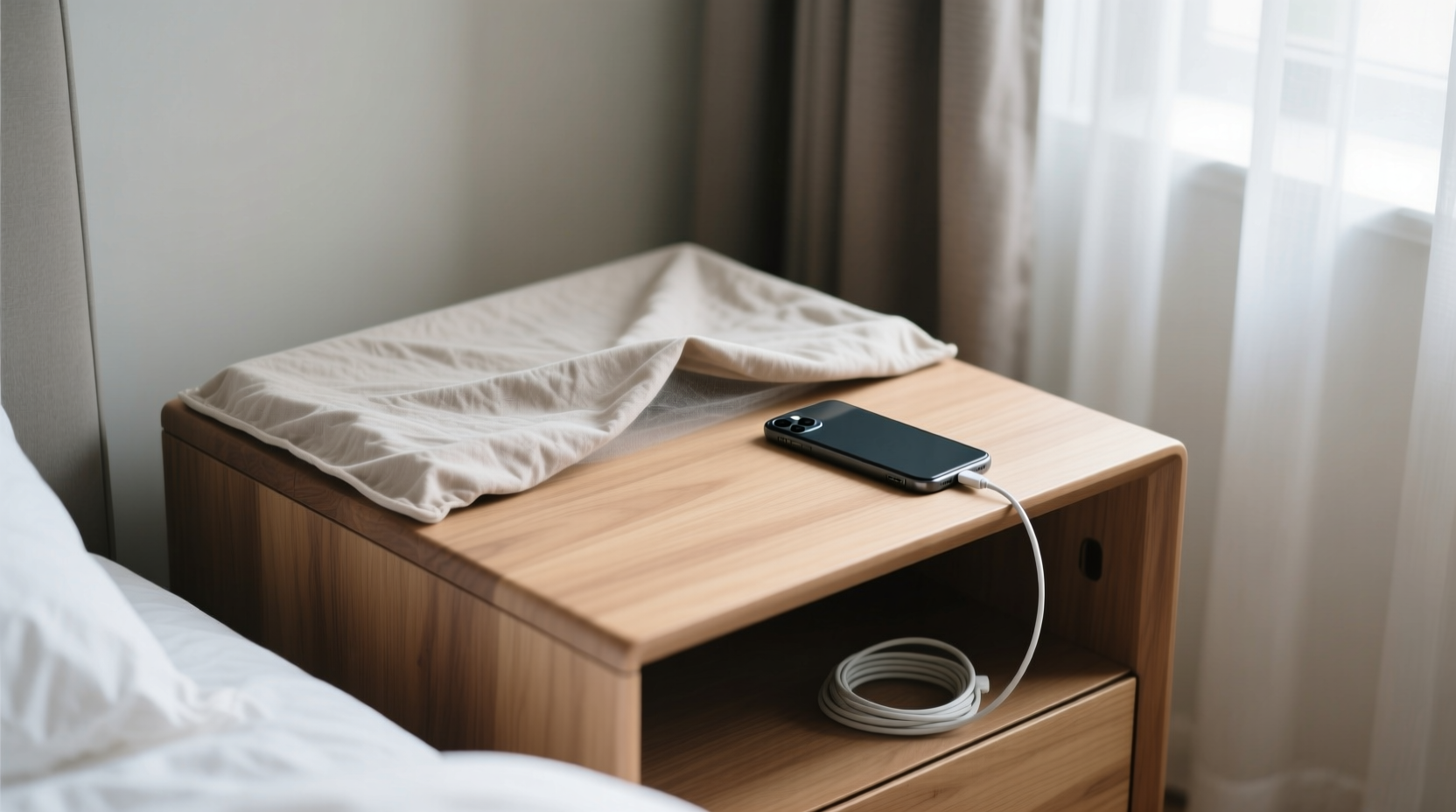
At its core, a bedside table bridges comfort and convenience. Historically, it evolved from modest nightstands used by Victorian-era sleepers to hold candles or chamber pots. Today, it serves multiple roles: a charging station, a reading nook companion, a medication organizer, and even a personal display space.
Its location makes it one of the most frequently accessed pieces of furniture in the home. Unlike dressers tucked into corners or wardrobes behind doors, the bedside table interacts with you during vulnerable moments—when winding down, waking up, or needing something in the middle of the night.
Given this constant interaction, merely covering it with a cloth to prevent dust accumulation ignores its functional potential. Dust protection is only one aspect of maintenance; usability, accessibility, and organization are equally critical.
Dust Covers: Protection vs. Practicality
Dust covers serve a clear purpose—they reduce cleaning frequency and protect delicate finishes from airborne particles. For ornate antique tables or high-gloss lacquered surfaces, a light fabric cover can help maintain appearance over time.
However, relying solely on a dust cover suggests the table has no active role in daily life. If you're covering it every morning after use, you're signaling that the surface isn't meant to be used freely. That raises a question: why have a table beside your bed if it can't be readily accessed?
Moreover, dust covers introduce friction into your routine. Need your phone charger at night? You must uncover the table first. Want to jot something down before sleep? Lift the cover, place the notebook, then re-cover it in the morning. These micro-delays accumulate and subtly discourage consistent use.
In short, while dust covers preserve aesthetics, they compromise utility. And in a space as intimate as the bedroom, functionality should outweigh superficial neatness.
Why Storage Matters More Than You Think
Storage transforms a bedside table from a passive object into an active helper. Drawers, cabinets, or open cubbies allow you to tuck away essentials while keeping them within reach. Consider what typically lives near your bed:
- Reading glasses or contact lens case
- Medication or vitamins
- Phone and charging cable
- Notebook and pen
- Eyedrops, lip balm, or nighttime skincare
- Earplugs or sleep mask
Without storage, these items end up scattered across the surface, creating visual clutter—even if wiped clean daily. A drawer consolidates them neatly, reducing stress and supporting better sleep hygiene.
“Clutter-free surfaces contribute to lower cortisol levels at bedtime. Functional storage in bedside furniture supports mental calm.” — Dr. Lena Patel, Sleep Environment Researcher, University of Michigan
Benefits of Integrated Storage
- Reduces visual noise: Hidden items mean fewer distractions before sleep.
- Protects privacy: Medications or personal items stay out of sight.
- Improves longevity: Cables and devices are less likely to get tangled or damaged.
- Supports habit formation: Designated spaces encourage consistency (e.g., always placing your book inside).
Choosing Between Open and Closed Storage
Not all storage is created equal. The type of storage matters based on lifestyle, room size, and design preferences. Below is a comparison to guide your decision:
| Feature | Open Shelving/Cubbies | Closed Drawers/Doors |
|---|---|---|
| Accessibility | Immediate access; great for frequently used items | Slightly slower retrieval but still convenient |
| Dust Protection | Limited—items still exposed | High—contents shielded from air and debris |
| Design Flexibility | Allows for decorative objects and lighting | Minimalist look; hides imperfections |
| Ideal For | Small bedrooms, modern aesthetics, minimalists | Families, allergy sufferers, those with many small items |
If you prefer a minimalist aesthetic and only keep a lamp and book on your nightstand, open storage may suffice. But if you juggle multiple small items or share the room with others, closed storage offers greater control and peace of mind.
Real-Life Scenario: The Overlooked Nightstand Upgrade
Sarah, a freelance writer in Portland, used a sleek marble-top bedside table for years. Beautiful, yes—but entirely impractical. Every night, she balanced her phone, glasses, journal, and tea mug on the limited surface. She started using a dust cover during the day to “keep it clean,” but admitted it felt like a band-aid solution.
After experiencing back strain from reaching awkwardly for dropped items and frustration over misplaced pens, she replaced it with a compact wooden nightstand featuring a single soft-close drawer. Inside, she organized dividers for cables, a small tray for jewelry, and space for her current novel.
“It changed my mornings,” Sarah said. “I don’t spend time searching anymore. And I stopped using the dust cover because I actually *use* the table now instead of just protecting it.”
This shift—from preservation to utilization—is common among people who upgrade to functional bedside storage.
Actionable Checklist: Assessing Your Bedside Table Needs
Before deciding whether storage is necessary, evaluate your current setup with this checklist:
- Count how many items you place on or near your bedside table nightly.
- Note how often you misplace something (glasses, earbuds, etc.).
- Observe whether dust buildup frustrates you or leads to avoidance of use.
- Determine if guests comment on clutter or disorganization.
- Ask yourself: Would adding a drawer improve your bedtime routine?
- Consider allergies—if dust is a concern, does open storage worsen symptoms?
- Measure available floor space—can you accommodate a slightly larger unit with storage?
If you answered “yes” to three or more, storage isn’t just beneficial—it’s likely overdue.
Frequently Asked Questions
Can I add storage to a table that doesn’t have any?
Yes. Options include under-table baskets, adhesive wall pockets, or slim rolling carts that fit beside the bed. Some modern solutions even include magnetic organizers that attach to metal frames.
Are dust covers ever truly useful for bedside tables?
Only in specific cases: when the table is primarily decorative, during long-term vacancy (e.g., guest rooms), or for protecting valuable antiques not in daily use. For functional nightstands, they hinder more than help.
What’s the ideal height for a bedside table with storage?
The top surface should align with the height of your mattress, typically within 1–3 inches. This ensures easy reach without disrupting posture. Storage elements should not compromise ergonomics.
Final Thoughts: Function Over Form, But Harmony Is Key
A dust cover might keep your bedside table looking pristine, but it won’t make your life easier. True bedroom comfort comes not from spotless surfaces, but from seamless routines supported by smart design. Storage isn’t about hiding things—it’s about enabling access, reducing stress, and honoring the quiet rituals that prepare you for rest.
You don’t need a large cabinet beside your bed. Even a shallow drawer or discreet shelf can transform how you interact with your space. Prioritize function, yes—but choose designs that harmonize with your room’s style so utility doesn’t come at the cost of beauty.




 浙公网安备
33010002000092号
浙公网安备
33010002000092号 浙B2-20120091-4
Comments
No comments yet. Why don't you start the discussion?