
Every bedroom tells a story—through its color scheme, furniture layout, and the small details that bring comfort and personality. One such detail often debated is the use of bedside table mats or table pads. Are they essential for protecting your furniture, or are they merely decorative accessories meant to elevate aesthetics? The answer isn’t as simple as yes or no. It depends on how you use your space, the materials involved, and what you value most in your home environment.
Understanding the distinction between these two items—and their real-world benefits—can help you make informed decisions about whether they belong in your bedroom setup.
What’s the Difference Between Bedside Table Mats and Table Pads?
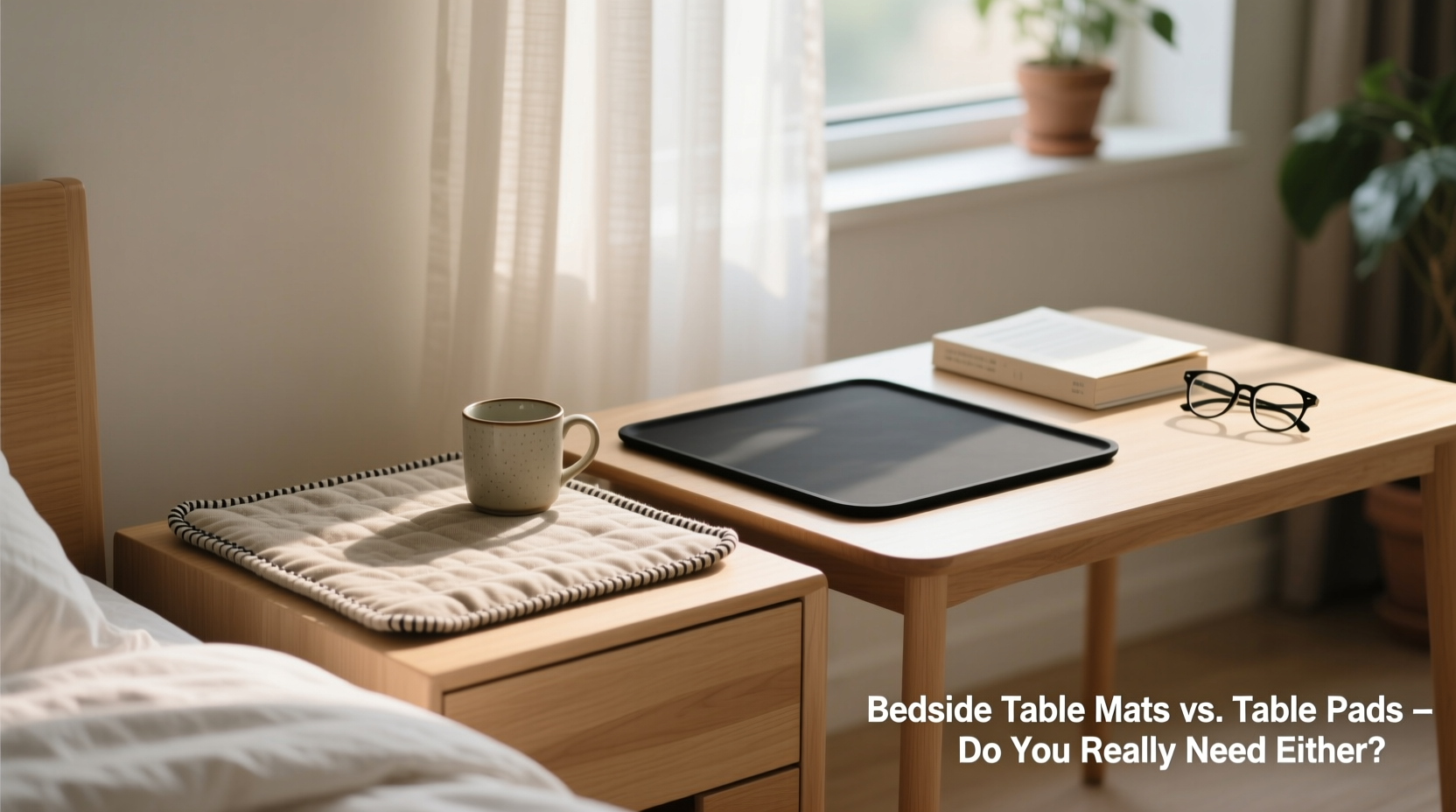
At first glance, bedside table mats and table pads may seem interchangeable. Both sit on top of surfaces and serve protective or decorative roles. However, their construction, purpose, and typical usage differ significantly.
| Feature | Table Mat | Table Pad |
|---|---|---|
| Material | Felt, woven fabric, rattan, silicone, cork | Foam, rubber, felt underlay, thermal vinyl |
| Thickness | Thin (1–3mm), flexible | Thicker (3–6mm), cushioned |
| Primary Purpose | Decorative protection, heat resistance, light scratch prevention | Cushioning, long-term surface protection, moisture barrier |
| Lifespan | Moderate (6 months – 2 years) | Longer (2–5 years with care) |
| Common Use Case | On nightstands for lamps, books, phones | Under glass tabletops or delicate wood finishes |
A **table mat** is typically smaller, more decorative, and designed for daily use—like placing under a lamp base or holding a cup of tea at night. A **table pad**, by contrast, is often larger, less visible, and installed beneath the tabletop itself to prevent warping, dents, or moisture damage over time.
Functional Benefits: Protection Beyond Appearance
While both items can enhance the look of a bedroom, their functional advantages should not be overlooked. Wood finishes, especially on cheaper or mass-produced nightstands, are vulnerable to everyday wear. Spills, hot mugs, keys, and even friction from moving objects can leave marks.
Felt or cork bedside mats absorb minor impacts and prevent scratches caused by metal or ceramic bases. Silicone options offer heat resistance—ideal if you enjoy reading with a warm drink nearby. These mats act as a first line of defense against accidental damage.
Table pads go further. Installed underneath the surface, they reduce stress on joints and veneers, particularly in humid or temperature-variable environments. They also minimize noise when placing items down and protect against condensation from water glasses or humidifiers.
“Many people don’t realize how much daily micro-abrasions add up. A simple mat can delay refinishing or replacement by years.” — Daniel Reeves, Furniture Restoration Specialist
Style vs. Substance: When Aesthetics Take Center Stage
Let’s be honest—many people choose table mats primarily for design reasons. A well-chosen mat can tie together a color palette, introduce texture, or reflect personal taste. Woven seagrass mats evoke coastal calm; minimalist black silicone pads suit modern industrial themes; soft pastel felt rounds add warmth to Scandinavian setups.
However, prioritizing looks over function comes with trade-offs. Thin decorative mats may not protect against heat or moisture effectively. Some synthetic materials can trap moisture against wood, leading to staining or mildew if not cleaned regularly.
The key is balance. Choose a mat that complements your decor while still offering tangible protection. For example, a natural cork mat provides both organic texture and excellent insulation, making it both beautiful and practical.
Real Example: The Overlooked Nightstand Disaster
Sarah, a freelance writer, loved having her herbal tea beside her bed each evening. After six months, she noticed a faint white ring forming under her favorite mug spot. She hadn’t used any pad or mat, assuming the lacquered finish was durable enough. By winter, the ring darkened into a permanent stain, and the varnish began peeling slightly at the edges.
She switched to a heat-resistant silicone mat in a neutral tone that matched her room. Not only did it stop further damage, but she also found the non-slip surface kept her phone and lamp securely in place during late-night adjustments.
This common scenario illustrates how small habits compound over time—and how an inexpensive accessory can prevent costly repairs or replacements.
Do You Really Need Either?
The necessity of bedside table mats or pads hinges on three factors: your lifestyle, your furniture quality, and your expectations for longevity.
- If you frequently place drinks, electronics, or heated devices on your nightstand, a mat offers immediate protection.
- If your nightstand has a high-quality, sealed finish and sees minimal use, you might safely go without.
- If your table has a glass top or delicate veneer, an under-table pad helps preserve structural integrity.
In rental properties or lower-durability furniture, using protective layers makes financial sense. They’re low-cost insurance against wear that could result in fees or early replacement.
Checklist: Should You Use a Mat or Pad?
- ✅ Do you place hot or cold drinks on your nightstand regularly?
- ✅ Is your nightstand made of particleboard, MDF, or thin veneer?
- ✅ Have you noticed scratches, rings, or fading on the surface?
- ✅ Do you want to extend the life of your furniture beyond 2–3 years?
- ✅ Are you renting and responsible for end-of-lease condition fees?
If you answered “yes” to two or more, investing in a quality mat or pad is advisable.
How to Choose the Right Option for Your Space
Selecting between a bedside table mat and a full table pad requires considering several variables:
Step-by-Step Guide to Choosing Protection
- Evaluate your usage patterns: Track what goes on your nightstand weekly—mugs, chargers, books, skincare products.
- Inspect your furniture material: Solid wood withstands more than laminated composites. Check for existing damage.
- Determine visibility needs: If appearance matters, opt for stylish mats. For hidden protection, choose clear or neutral pads.
- Measure your surface: Ensure coverage where impact occurs—usually near the lamp or primary access side.
- Test for compatibility: Avoid rubber-backed mats on porous wood; they can cause yellowing. Use breathable materials instead.
- Install and monitor: Place the mat or pad and observe for slippage, bubbling, or trapped moisture after a week.
For most homeowners, a combination approach works best: a decorative mat on top for daily protection and aesthetics, paired with a thin under-pad if the table surface is fragile or exposed to humidity.
FAQ
Can I use a placemat as a bedside table mat?
Yes, many placemats—especially those made from cork, bamboo, or silicone—are durable enough for nightstand use. Just ensure the size fits proportionally and doesn’t interfere with drawers or lighting.
Do table pads prevent scratches from jewelry or keys?
Surface-level mats are better for preventing fine scratches from frequent contact. Under-table pads mainly guard against dents and moisture, not surface abrasions.
Are there eco-friendly options available?
Absolutely. Look for mats made from natural cork, recycled felt, organic cotton, or biodegradable rubber. These offer sustainability without sacrificing performance.
Final Thoughts: Function Meets Form
Bedside table mats and table pads aren’t just about appearances—they’re practical tools that preserve your furniture and improve daily usability. While some designs prioritize beauty, the best choices blend form and function seamlessly. Whether you're safeguarding an heirloom nightstand or simply keeping a rental unit in good condition, these small additions deliver outsized value.
You don’t need both in every situation, but understanding when and why to use them empowers smarter home decisions. Rather than viewing them as optional décor, consider them part of a thoughtful, long-term approach to interior care.




 浙公网安备
33010002000092号
浙公网安备
33010002000092号 浙B2-20120091-4
Comments
No comments yet. Why don't you start the discussion?