
Vinyl records have made a powerful comeback, not just as nostalgic artifacts but as a preferred format for audiophiles and music lovers seeking warmth, depth, and authenticity in sound. For beginners, the world of vinyl collecting can feel overwhelming—where to start, what equipment to buy, and how to care for fragile discs and delicate players. This guide breaks down everything you need to know to begin building a sustainable, high-quality vinyl collection while maintaining your turntable and preserving your records for years.
Understanding the Appeal of Vinyl
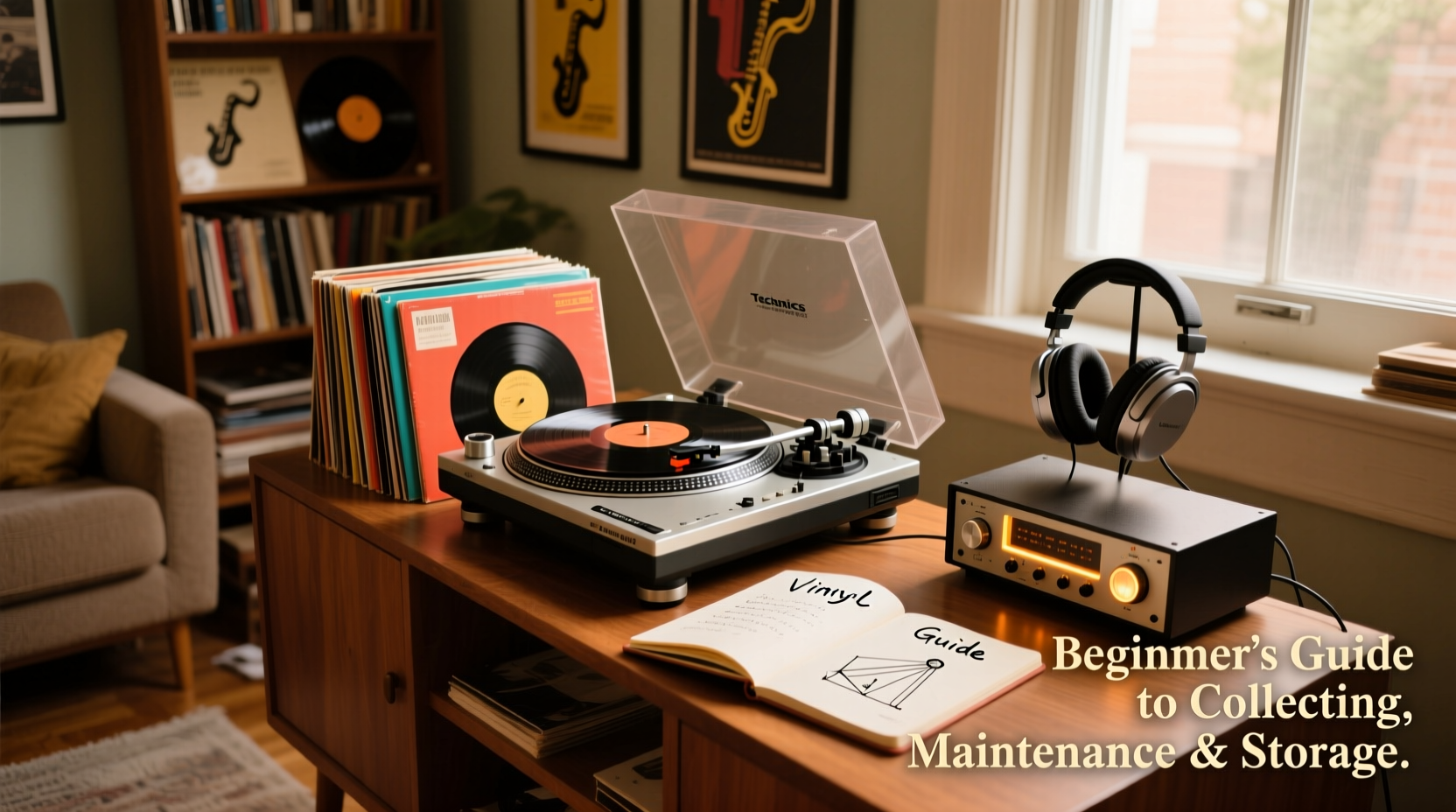
The resurgence of vinyl isn’t just about retro aesthetics. Many listeners report that analog sound offers a richer, more immersive experience than digital formats. The ritual of handling a record, placing the needle, and listening without interruptions fosters a deeper connection to music. For collectors, vinyl also represents art—album covers, liner notes, and limited pressings become part of a personal archive.
However, unlike streaming or digital files, vinyl requires active care. Dust, warping, and improper playback can degrade both sound quality and value. A thoughtful approach to selection, maintenance, and storage ensures your investment—both emotional and financial—lasts.
Choosing Your First Turntable
Your turntable is the foundation of any vinyl setup. Beginners don’t need to spend thousands, but investing in a reliable entry-level model prevents frustration and protects your records.
Look for these key features:
- Belt-drive mechanism: Smoother speed consistency and less vibration than direct-drive models at this level.
- Pre-mounted cartridge: Simplifies setup and reduces risk of damage during installation.
- Anti-skate and adjustable tonearm: Ensures the stylus tracks grooves evenly, reducing wear.
- Speed options: Must support 33⅓ and 45 RPM; some records use 78 RPM, though rare today.
Recommended starter models include the Audio-Technica AT-LP60X, Rega Planar 1, and Pro-Ject Debut Carbon. These offer excellent value, upgrade potential, and compatibility with future enhancements like better cartridges or external phono preamps.
Maintenance: Keeping Your Turntable in Top Condition
A clean, well-maintained turntable ensures accurate playback and prolongs the life of both your records and stylus. Maintenance isn’t complicated, but it must be consistent.
Step-by-Step Turntable Cleaning Routine
- Power off and unplug the turntable before cleaning.
- Remove the platter and mat if possible; wipe with a microfiber cloth dampened slightly with distilled water.
- Clean the stylus using a carbon fiber brush or a dedicated stylus cleaner. Gently swipe from back to front—never side-to-side—to avoid damaging the delicate tip.
- Inspect the tonearm for dust buildup. Use a soft brush or compressed air (used sparingly) to remove debris.
- Check belt tension (on belt-drive models) annually. Replace if cracked or loose.
- Verify tracking force using a stylus gauge, especially after moving the unit.
The stylus is the most critical—and fragile—component. Most last 500–1000 hours of playtime. Keep a log of usage, and replace it before performance degrades. A worn stylus damages records irreversibly.
“Replacing a $80 stylus is far cheaper than replacing a warped or groove-damaged first pressing.” — Daniel Reeves, Analog Audio Technician
Proper Record Storage: Protecting Your Collection
Records are vulnerable to heat, moisture, light, and gravity. Poor storage leads to warping, mold, and surface noise. Follow these principles to keep your vinyl in pristine condition.
Do’s and Don’ts of Vinyl Storage
| Do | Don't |
|---|---|
| Store vertically, like books, to prevent warping from pressure | Stack records horizontally on top of each other |
| Use anti-static inner sleeves (polyethylene or rice paper) | Keep records in only the original paper sleeves |
| Place in outer protective sleeves (clear polypropylene) | Expose to direct sunlight or near windows |
| Keep in a climate-controlled room (65–75°F, 40–50% humidity) | Store in attics, basements, or garages |
| Wipe records before and after playing with a carbon fiber brush | Touch the playing surface with bare hands |
Shelving should be sturdy and spaced to allow easy access without tilting. Avoid overcrowding, which stresses spines and makes removal difficult. For larger collections, consider modular units designed specifically for vinyl, such as IKEA Kallax with inserts or specialized racks from ULINE or Audio Furniture.
Handling and Cleaning Records
Even new records can carry static and dust. Used records may have fingerprints, grime, or mold. Proper cleaning preserves fidelity and extends lifespan.
Basic Record Care Checklist
- Always handle records by the edges and label—never the playing surface.
- Inspect each record under bright light for scratches or residue before playing.
- Use a carbon fiber brush before and after each play session.
- Store immediately after use—don’t leave records out on turntables or furniture.
- For deeper cleaning, use a vacuum-based record cleaning machine (e.g., Spin Clean, Clearaudio) every 5–10 plays, especially for secondhand purchases.
For spot-cleaning minor smudges, apply a few drops of distilled water mixed with a drop of isopropyl alcohol (90%+) to a microfiber cloth and gently wipe in circular motions following the grooves. Never use household cleaners, window sprays, or paper towels.
“Every time you play a dirty record, you’re grinding contaminants into the grooves. It’s like sanding the surface with every rotation.” — Lena Torres, Restoration Archivist, Pacific Sound Lab
Building a Thoughtful Collection
Beginners often rush to acquire as many records as possible. A more rewarding path is intentional collecting—curating based on sound quality, personal taste, and long-term value.
Start with albums you already love. Seek out reissues with reputable mastering (look for “AAA” – all-analog production) or original pressings if within budget. Labels like Mobile Fidelity, Classic Records, and Analogue Productions are known for high standards.
When buying used:
- Check the condition grading: Mint (M), Near Mint (NM), Very Good Plus (VG+), etc.
- Avoid records with deep scratches, skip marks, or visible warps—even slight ones affect tracking.
- Smell the record: Musty or mildew odors suggest mold, which can spread and damage other records.
One collector, Marcus Lin, started with five jazz records inherited from his grandfather. Over two years, he focused on 1960s Blue Note pressings, learning to identify original New York runs by catalog numbers and run-off etchings. “I passed on dozens of tempting buys,” he said. “But now my collection sounds incredible, and I know each piece has history and integrity.”
Frequently Asked Questions
How often should I clean my records?
Light brushing before and after each play is ideal. Deep cleaning (with fluid and vacuum) should happen every 5–10 plays for frequently used records, or immediately upon acquiring used ones.
Can I play a slightly warped record?
Slight warps (where the record lies mostly flat on a surface) may be playable without damage, but expect audible distortion. Severely warped records should not be played—they risk damaging the stylus and motor. Consider professional flattening services if the record is valuable.
Do I need a phono preamp?
Yes, unless your turntable has one built-in or your receiver has a “Phono” input. The signal from a turntable is much weaker than digital sources and must be amplified and equalized (RIAA curve) before reaching speakers.
Essential Maintenance Schedule
To stay proactive, follow this timeline:
| Action | Frequency |
|---|---|
| Brush record before/after play | Every use |
| Wipe turntable platter | Weekly |
| Clean stylus with brush | Weekly |
| Deep clean records | Every 5–10 plays per record |
| Inspect tonearm and tracking force | Every 3 months |
| Replace stylus | Every 800–1000 hours or as needed |
| Check storage environment (temp/humidity) | Monthly |
Conclusion: Start Simple, Stay Consistent
Collecting vinyl is as much about patience and care as it is about music. You don’t need rare pressings or vintage gear to enjoy the format—just a reliable turntable, clean records, and good habits. By storing your collection properly, maintaining your player, and handling each record with respect, you’ll preserve both sound quality and sentimental value for years to come.




 浙公网安备
33010002000092号
浙公网安备
33010002000092号 浙B2-20120091-4
Comments
No comments yet. Why don't you start the discussion?