
For many, the rhythm of creating something with yarn—something warm, functional, or beautifully decorative—offers both creative fulfillment and therapeutic calm. Crochet and knitting are two of the most beloved fiber arts, each with deep roots in global textile traditions. Yet for beginners standing at the threshold of this world, a common question arises: which is easier to learn?
The answer isn’t absolute—it depends on individual preferences, hand-eye coordination, and how one responds to different motor patterns. But by examining tools, techniques, learning curves, and real-world experiences, we can offer clear guidance to help newcomers decide where to begin.
Understanding the Basics: How Crochet and Knitting Differ
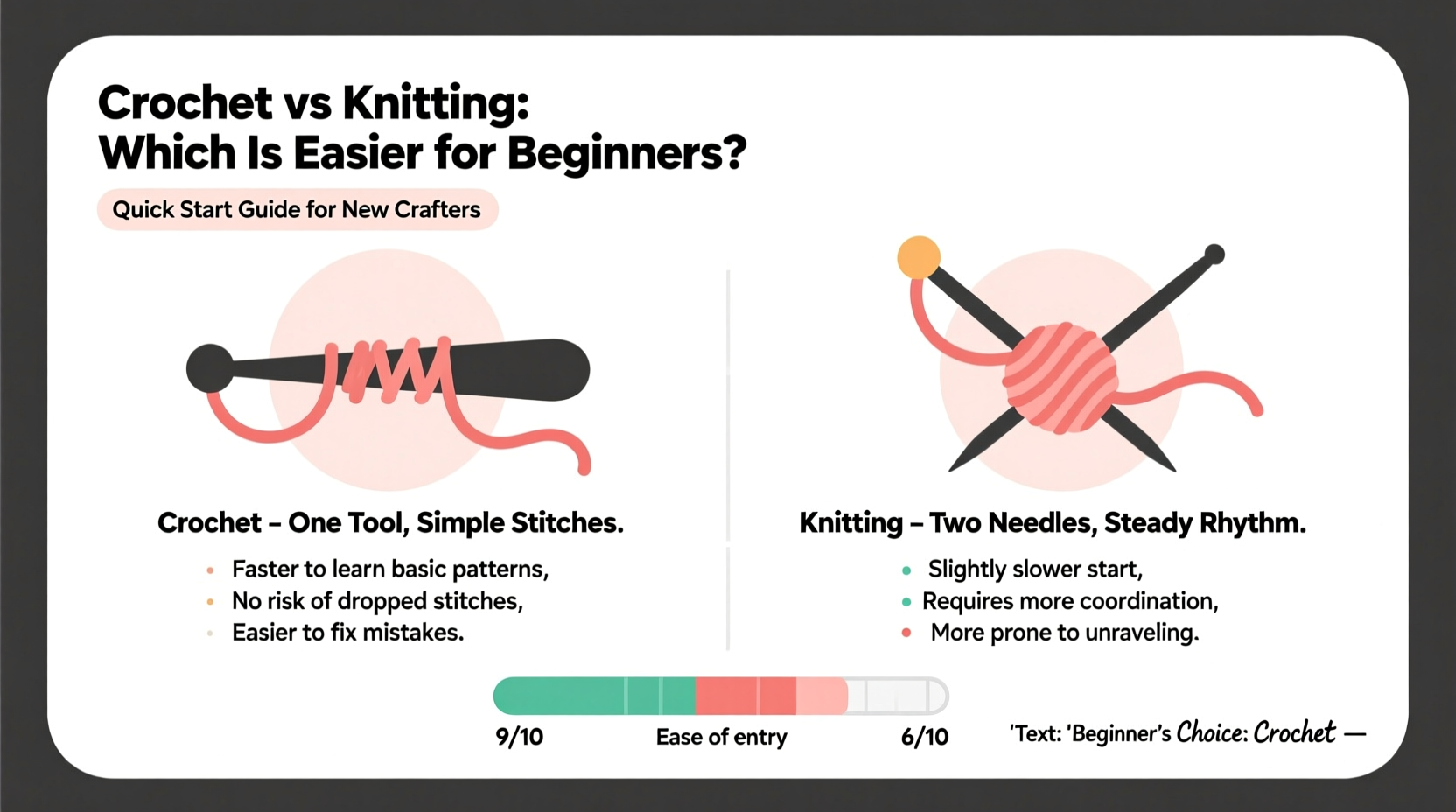
At first glance, crochet and knitting may seem nearly identical—both use yarn and create fabric from loops. However, their mechanics are fundamentally different.
Knitting involves using two (or more) long needles to hold multiple active loops simultaneously. The knitter transfers these loops from one needle to another, forming rows of interlocking stitches. Because many stitches remain open at once, dropped stitches can unravel several rows if not caught quickly.
Crochet, by contrast, uses a single hooked tool to form one stitch at a time. Only one loop remains live on the hook at any moment, making it less prone to catastrophic unraveling. Each stitch is completed before moving to the next, giving crochet a more modular, forgiving structure.
This structural difference has profound implications for beginners. While knitting offers fluid, rhythmic motion once mastered, the initial challenge lies in managing tension and preventing dropped stitches. Crochet, though sometimes perceived as tighter or denser, allows immediate correction and fewer points of failure during early practice.
Tools and Materials: What You Need to Start
Both crafts require minimal investment to begin, but the tools differ significantly in number and complexity.
| Aspect | Knitting | Crochet |
|---|---|---|
| Primary Tools | Two straight or circular needles | One crochet hook |
| Stitch Management | Multiple live stitches on needles | One live loop on hook |
| Yarn Consumption | Moderate | Slightly higher (denser fabric) |
| Portability | Needles can snag; circulars help | Highly portable; compact hook |
| Learning Curve (Tool Handling) | Moderate to steep (coordination needed) | Gentler (single tool, fewer moving parts) |
The simplicity of crochet’s toolkit often makes it more approachable for total beginners. Holding one hook and managing a single loop reduces cognitive load. Knitting requires coordinating two needles while maintaining even tension—a skill that develops over time but can be frustrating at first.
Learning Curve: Which Is Easier to Master Quickly?
“Easier” doesn’t mean “simpler,” but rather which craft allows a beginner to achieve visible progress with minimal frustration in the first few weeks.
Most new crocheters complete their first small project—a coaster, dishcloth, or granny square—within 3 to 5 hours of practice. The basic chain stitch and single crochet are intuitive and build quickly into recognizable shapes. Mistakes are easy to spot and fix because each stitch is distinct.
Knitting beginners often spend their first session mastering the cast-on and struggling through a few rows of garter stitch. Uneven tension, twisted stitches, and accidental drops are common. It may take 10–15 hours of practice before a knitter produces a neat, consistent swatch. The reward comes later, in the meditative flow of rhythmic stitching.
“Crochet gives faster feedback, which boosts confidence. Knitting rewards patience. If you want quick wins, start with crochet.” — Lila Chen, fiber arts instructor and author of *Hook & Needle Foundations*
Another factor is pattern literacy. Crochet patterns often use abbreviations (sc, hdc, dc), but the visual structure of the work mirrors the written instructions closely. Knitting patterns rely heavily on symbols and charts, especially for advanced designs, which can overwhelm novices.
Real Example: Sarah’s First Month with Yarn
Sarah, a 28-year-old graphic designer with no prior crafting experience, decided to try both crafts over a four-week period. She spent Week 1 learning knit and purl stitches. Despite following video tutorials, she frequently dropped stitches and became discouraged when her scarf edge curled unevenly.
In Week 3, she switched to crochet. After watching one 15-minute tutorial on chaining and single crochet, she made a small square in under an hour. “It felt like I was actually making something,” she said. By week’s end, she’d completed a market bag using a free online pattern. Though imperfect, it held together and looked intentional.
Sarah hasn’t abandoned knitting—she plans to revisit it—but credits crochet with keeping her engaged long enough to develop confidence in her abilities.
Step-by-Step Guide: Your First Project in Either Craft
Whichever path you choose, starting with a simple, structured goal increases your chances of success. Follow this timeline to build momentum in your first month.
- Day 1: Gather Supplies
Buy a skein of worsted-weight yarn and the recommended hook or needle size. For crochet: 5.5mm hook. For knitting: US size 8 (5mm) straight needles. - Day 2: Learn the Foundation
Practice the chain stitch (crochet) or long-tail cast-on (knitting). Aim for 20 consistent chains or cast-on stitches. - Days 3–5: Master the First Stitch
Crocheters: perfect the single crochet. Knitters: repeat the knit stitch across a row (garter stitch). Focus on even tension. - Days 6–10: Complete a Swatch
Make a 4x4 inch square. This builds muscle memory and lets you see progress. - Week 3: Begin a Mini Project
Crochet: try a washcloth or coaster. Knit: make a bookmark or headband. Use free beginner patterns from trusted sources like Yarnspirations or Ravelry. - Week 4: Evaluate and Choose
Reflect: Did you enjoy the rhythm? Were mistakes manageable? Decide whether to continue, switch, or pursue both.
Checklist: Getting Started the Right Way
- ✅ Choose smooth, light-colored yarn (easier to see stitches)
- ✅ Use the correct tool size for your yarn weight
- ✅ Practice in good lighting with minimal distractions
- ✅ Limit first sessions to 20–30 minutes to avoid hand fatigue
- ✅ Watch slow-motion video tutorials (search “beginner crochet close-up” or “knit stitch slow motion”)
- ✅ Join a free online community (Reddit’s r/crochet or r/knitting) for support
- ✅ Accept that early work will be uneven—this is part of learning
Common Challenges and How They Affect Beginners
Every crafter faces hurdles. Knowing what to expect helps prevent early burnout.
For Knitters:
- Dropped stitches: Can cause panic when rows unravel. Learning to “tink” (knit backward) or use a lifeline takes time.
- Tension issues: Tight or loose stitches affect drape and fit. This improves with repetition but frustrates early efforts.
- Boredom in early stages: Garter stitch scarves are classic starters but can feel monotonous.
For Crocheters:
- Hook control: Beginners often grip too tightly, causing hand strain. Relaxing the wrist comes with practice.
- Counting stitches: Miscounting leads to uneven edges. Using stitch markers helps.
- Stiff fabric: Over-tightening creates rigid projects. Focus on loose, consistent loops.
Crochet’s advantage lies in error containment. A miscount affects only one row. In knitting, a missed increase or decrease can distort an entire piece. This makes crochet inherently more resilient for learners still developing precision.
Frequently Asked Questions
Is crochet faster than knitting?
Generally, yes. Because crochet stitches are taller and worked individually, projects often finish more quickly. A simple blanket might take 10–15 hours in crochet versus 20+ in knitting, depending on complexity and skill level.
Can I teach myself to crochet or knit?
Absolutely. Thousands do every year. Free YouTube tutorials, blogs, and apps provide excellent step-by-step guidance. Success depends more on consistency than formal instruction. Dedicate 15–20 minutes daily, and progress will follow.
Which craft is better for making wearable items?
Knitting excels at garments requiring drape and elasticity—like sweaters, socks, and shawls—due to its stretchy, fluid fabric. Crochet shines in structured items: bags, amigurumi, blankets, and home decor. That said, modern crochet designers create stunning wearables with lace and textured stitches, so don’t limit yourself prematurely.
Conclusion: Starting With Confidence
The choice between crochet and knitting isn’t about which is objectively better, but which aligns with your temperament and goals in the crucial early weeks. If you value immediate results, simpler tools, and resilience to mistakes, crochet offers a smoother on-ramp. If you’re drawn to the quiet rhythm of needles clicking and dream of hand-knit sweaters, knitting may be worth the steeper climb.
Many crafters eventually explore both. The skills complement each other: understanding tension, reading patterns, and colorwork translates across disciplines. But for rapid engagement and sustained motivation, crochet consistently proves more accessible to beginners.




 浙公网安备
33010002000092号
浙公网安备
33010002000092号 浙B2-20120091-4
Comments
No comments yet. Why don't you start the discussion?