
Warhammer 40,000—often called Warhammer 40k—is more than a tabletop wargame. It’s a sprawling, gothic science fiction universe spanning thousands of years of conflict, religious fanaticism, cosmic horror, and interstellar warfare. For newcomers, diving into its lore can feel like stepping into a hurricane of names, factions, timelines, and apocalyptic prophecies. The Imperium of Man, the Chaos Gods, Space Marines, Tyranids, Orks, and the enigmatic Eldar are just the beginning.
The good news? You don’t need to memorize every battle since M30 to appreciate the depth and drama of this universe. With the right starting point and approach, you can gradually build your understanding while enjoying some of the most compelling sci-fi storytelling in modern pop culture. This guide cuts through the noise and shows you exactly where—and how—to begin.
Why Start with the Lore Before the Game?
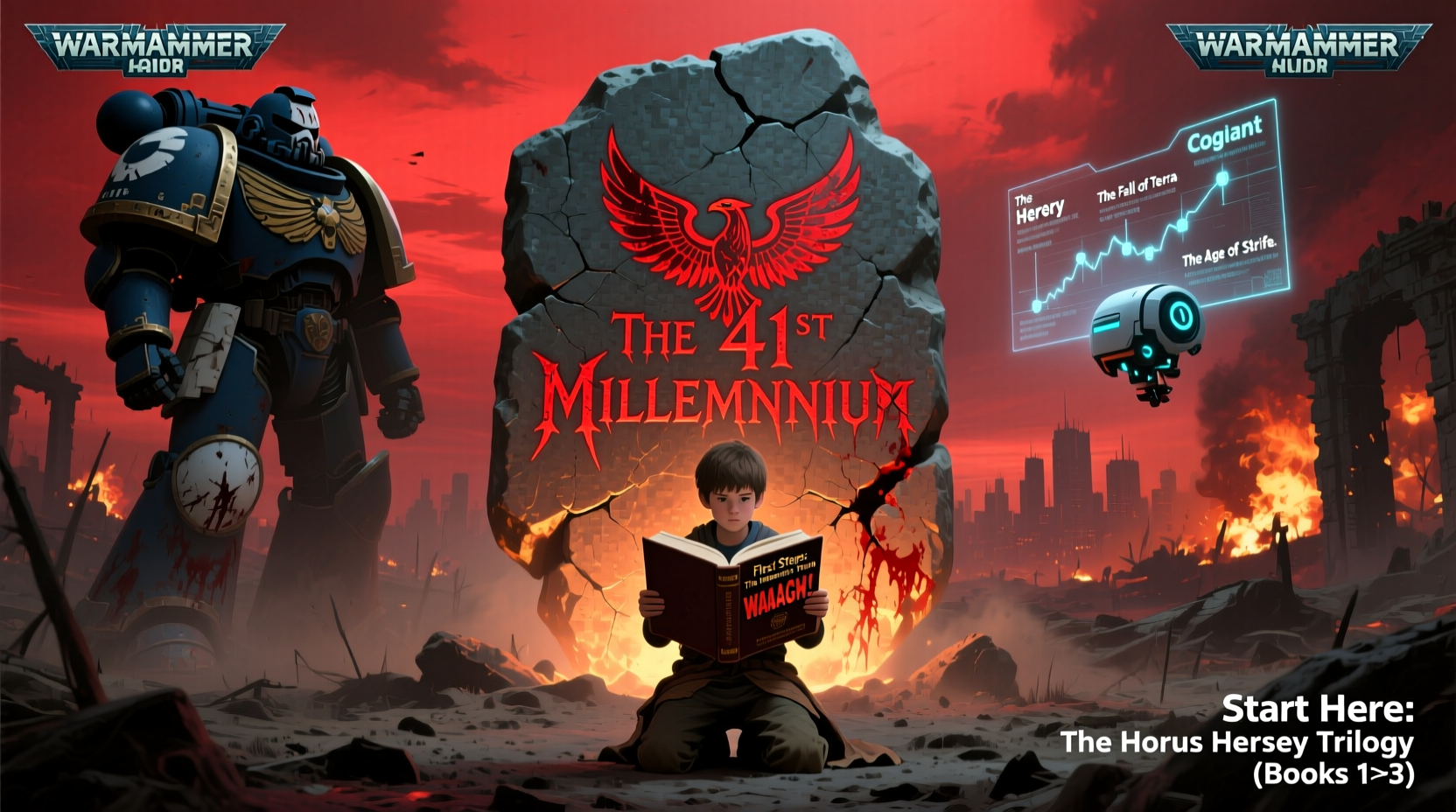
Many new fans are drawn to Warhammer 40k through the miniatures or gameplay. But unlike other strategy games, 40k’s mechanics are deeply rooted in its narrative. The rules for Chaos Daemons, the special abilities of Space Marine chapters, and even the way units move across the battlefield reflect centuries of fictional history and theological doctrine.
Understanding the lore enhances both your appreciation of the game and your ability to engage with the community. More importantly, it transforms 40k from a collection of painted models into a living, breathing universe.
Step-by-Step Guide to Entering the 40k Universe
Navigating Warhammer 40k’s lore isn’t about reading everything in chronological order. It’s about building context, identifying your interests, and progressing logically through layers of narrative. Follow this five-step approach to avoid burnout and confusion.
- Start with the Core Rulebook (Free PDF): The current edition’s core rulebook opens with a 20-page lore summary that introduces the major factions, the state of the galaxy, and the core themes—faith, survival, decay, and eternal war. This is the single best primer available, and it’s free from Games Workshop’s website.
- Read One Foundational Novel: Pick up Dan Abnett’s First Among Sequels—wait, no. That’s Thursday Next. For 40k, start with Horus Rising. It’s the first book in the Horus Heresy series and sets up the origin of the galaxy’s current state: a galaxy-wide civil war that shattered the dreams of the Imperium.
- Explore a Faction That Interests You: Did the Space Marines fascinate you? Dive into the Ultramarines novels by Graham McNeill. Prefer something darker? Try Nemesis by James Swallow, which follows an assassin of the Inquisition. Personal interest keeps motivation high.
- Watch Animated Shorts or Documentaries: Warhammer Community’s YouTube channel features animated lore summaries and behind-the-scenes videos that distill complex events into digestible 10-minute segments.
- Join a Reading Group or Forum: Reddit’s r/40kLore and r/HorusHeresy are active communities where fans discuss books, timelines, and philosophical questions about the setting. Engaging with others helps solidify your understanding.
What to Read First: A Curated Reading Path
There are over 500 Warhammer 40k novels. Jumping in at random leads to spoilers and disorientation. Instead, follow a structured path based on narrative importance and accessibility.
| Reading Stage | Recommended Book(s) | Purpose |
|---|---|---|
| Beginner | Horus Rising (Horus Heresy #1) | Introduces the Primarchs, the Emperor, and the betrayal that defines the setting. |
| Beginner+ | Prospero Burns or Age of Darkness | Explores the emotional and political fallout of the Heresy from multiple angles. |
| Intermediate | Dark Imperium by Guy Haley | Covers the state of the Imperium after the Great Rift splits the galaxy—modern-era entry point. |
| Intermediate | Eisenhorn trilogy by Dan Abnett | A detective-style narrative that reveals the underbelly of the Imperium—corruption, heresy, and faith. |
| Advanced | The Buried Dagger or Shadows of Treachery | Anthologies that explore lesser-known factions and hidden corners of the lore. |
While the Horus Heresy series (set 10,000 years before the “present” timeline) is often recommended as a starting point, it’s not mandatory. Some readers prefer beginning with modern-era stories like the Dawn of Fire series, which assumes less prior knowledge.
“Warhammer 40k isn’t about winning—it’s about enduring. The lore reflects that: it’s grim, heavy, but profoundly human.” — Christian Dunn, Black Library Editor (2004–2018)
Common Pitfalls and How to Avoid Them
Newcomers often make a few predictable mistakes when approaching the lore. Recognizing them early saves time and frustration.
- Mistake: Trying to learn everything at once. The timeline spans over 30,000 years. Focus on one era—either the Horus Heresy or the 41st millennium—and expand later.
- Mistake: Skipping foundational texts for obscure ones. Reading about the Alpha Legion before understanding who the Emperor is leads to confusion. Build the foundation first.
- Mistake: Believing the lore is consistent. Due to decades of contributions from dozens of writers, contradictions exist. Accept that 40k is mythic, not historical—details shift to serve theme and drama.
- Mistake: Ignoring non-novel sources. Short stories, codexes, and audio dramas from the Black Library website offer concise, focused insights into specific factions or events.
Mini Case Study: From Clueless to Confident Fan
Mark, a 28-year-old software developer, first encountered Warhammer 40k through a friend’s painted Blood Angels army. Intrigued by the aesthetic but lost in the jargon, he bought a box set—only to realize he had no idea who Sanguinius was or why his army wore red armor.
Instead of jumping into the game, Mark started with the free core rulebook’s lore section. He then read Horus Rising, followed by Fall of Damnos to experience the modern 40k tone. After three months, he joined a local lore discussion group and began painting his models with intentional symbolism—red for sacrifice, black for mourning.
Today, Mark runs a themed narrative campaign based on the Gothic War, blending gameplay with story arcs from the novels. His journey shows that starting slow with the lore leads to deeper engagement and longer-lasting passion.
Faction Spotlight: Where Your Interests Can Lead You
The 40k universe is divided into major factions, each with unique philosophies, aesthetics, and novel series. Identifying which resonates with you helps narrow your reading path.
- Space Marines: Ideal for readers who enjoy military sci-fi and heroic tragedy. Start with the Ultramarines series or Descent of Angels.
- Chaos: For fans of moral ambiguity and cosmic horror. Black Legion and Forge World’s Traitor Guard anthologies explore fallen heroes and dark gods.
- Imperial Guard (Astra Militarum): Ground-level warfare and human resilience. Only in Death by Dan Abnett captures their scale and sacrifice.
- Eldar (Aeldari): Tragic, ancient beings fleeing extinction. Vaults of Terra: The Garden of Death blends mystery and urgency.
- Tau: A rare faction with optimistic ideology—“The Greater Good.” Celeansia short stories highlight their expansion and internal conflicts.
You don’t have to pick just one. Many fans rotate between factions, gaining a broader view of the galaxy’s fractured state.
Checklist: Your First 30 Days Into 40k Lore
Follow this actionable checklist to build momentum without overwhelm:
- ✅ Download the latest 40k Core Rulebook and read pages 6–26 (the lore summary).
- ✅ Read one novel cover-to-cover (Horus Rising or Nemesis).
- ✅ Watch three Warhammer Community animated shorts (e.g., “The Lion,” “The Primarch Project”).
- ✅ Join one online forum (r/40kLore or Faeit212 Discord server).
- ✅ Identify your favorite faction and find its dedicated subreddit or wiki.
- ✅ Listen to one Black Library audio drama (free samples available).
- ✅ Write a short paragraph summarizing the core conflict of 40k in your own words.
FAQ: Common Questions from Newcomers
Do I need to play the tabletop game to understand the lore?
No. While the game and lore inform each other, the novels, audio dramas, and rulebook background sections are designed for readers and fans regardless of gaming experience.
Is the Horus Heresy essential reading?
It’s highly recommended, but not required. The Heresy explains how the Imperium became tyrannical and broken, so skipping it means missing key context. However, you can start with modern-era stories and circle back later.
Are there any beginner-friendly audiobooks?
Yes. Nemesis and Horus Rising are available as well-produced audiobooks. Many fans find listening easier than reading dense prose, especially during commutes or workouts.
Conclusion: Embrace the Grimdark, One Chapter at a Time
Warhammer 40k’s lore isn’t meant to be mastered overnight. It’s meant to be explored—like wandering through the ruins of a dead civilization, piecing together what happened from fragmented inscriptions and half-buried relics. The darkness of the setting—the endless war, the dying stars, the false gods—is balanced by moments of heroism, mystery, and profound storytelling.
You don’t need to know every Primarch’s gene-seed organ to belong in this universe. You just need curiosity and a willingness to step into the shadows. Start with one book. Ask one question in a forum. Watch one video. Each small step builds your understanding and deepens your connection to one of sci-fi’s most ambitious worlds.




 浙公网安备
33010002000092号
浙公网安备
33010002000092号 浙B2-20120091-4
Comments
No comments yet. Why don't you start the discussion?