
A capsule wardrobe is more than a fashion trend—it’s a sustainable, intentional approach to dressing that simplifies daily choices and reduces clutter. The common misconception is that building one requires tossing out your entire closet. In reality, the most effective capsule wardrobes grow from what you already own. This guide shows how to create a streamlined, versatile collection of clothing without waste, guilt, or unnecessary spending.
Understanding the Capsule Wardrobe Philosophy
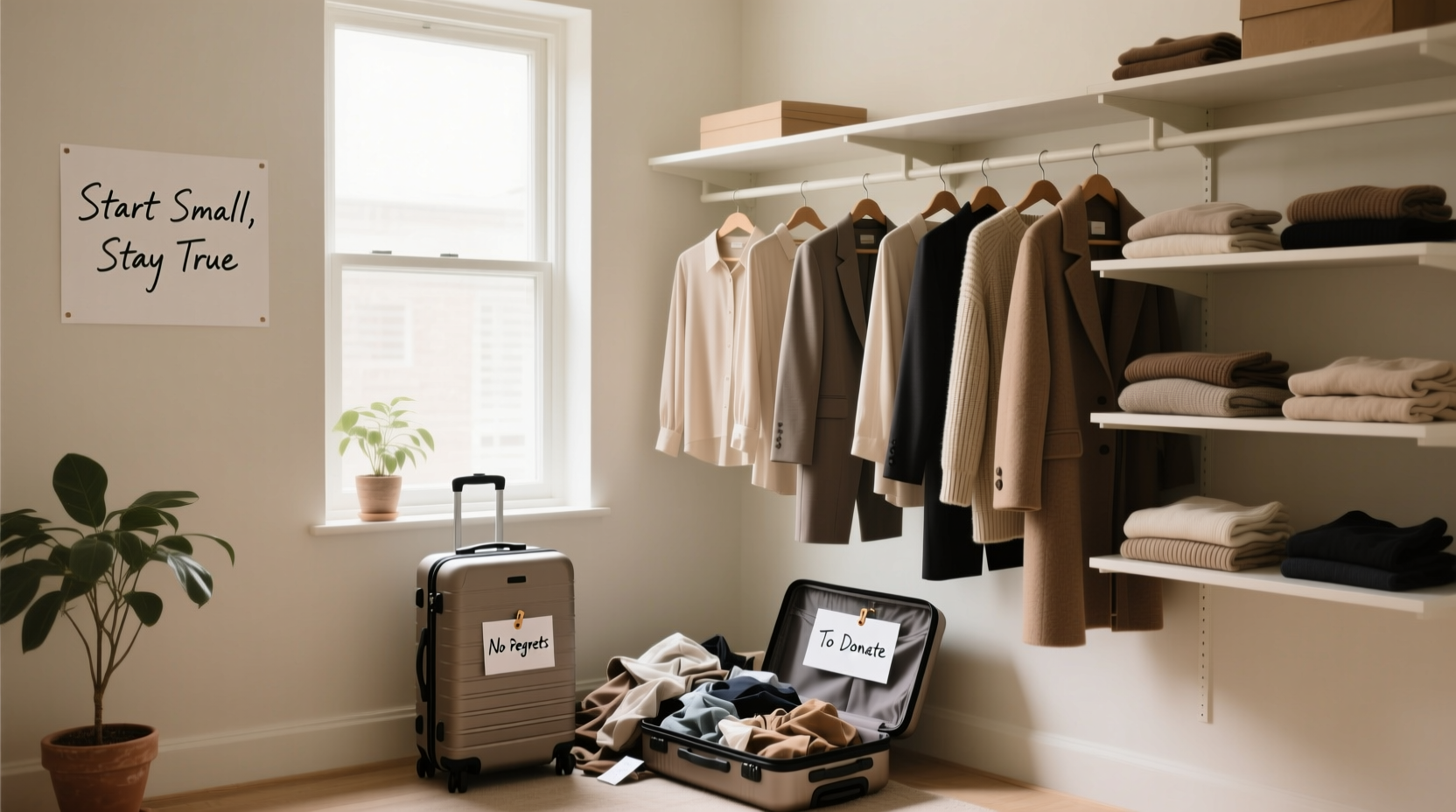
The term “capsule wardrobe” was popularized in the 1970s by London boutique owner Susie Faux, who described it as a small group of essential garments that can be mixed and matched throughout a season. Today, the concept has evolved into a minimalist lifestyle tool, emphasizing quality over quantity, personal style over trends, and intentionality over impulse.
A typical capsule contains 30–40 pieces, including tops, bottoms, dresses, outerwear, and shoes—everything needed to dress for your lifestyle over 3–6 months. The goal isn’t deprivation but clarity: owning fewer items that you love, wear often, and feel confident in.
The environmental impact of fast fashion makes this shift especially relevant. According to the Ellen MacArthur Foundation, the average person buys 60% more clothing than they did 15 years ago, yet keeps each item for half as long. A capsule wardrobe counters this cycle by promoting mindful consumption and reducing textile waste.
“Sustainability starts with stewardship—not just buying less, but caring more for what we already have.” — Dana Thomas, author of *Fashionopolis*
Step-by-Step: Building Your Capsule Without Discarding
You don’t need to empty your closet to begin. Instead, follow this phased process to identify, organize, and elevate your current wardrobe.
- Pause new purchases for two weeks. This creates space to assess your habits without external influence.
- Wear only what you currently own. Pay attention to what you reach for, what feels uncomfortable, and what never leaves the hanger.
- Gather all clothing in one area. Take everything out of drawers and closets. Seeing it all at once reveals patterns in color, fit, and frequency of use.
- Categorize by type and season. Separate into groups: tops, bottoms, dresses, outerwear, shoes, and accessories. Then sort further by season (e.g., lightweight vs. warm layers).
- Try each item on. Fit changes over time. If something doesn’t fit well or makes you feel self-conscious, set it aside—but not necessarily for donation.
- Identify your core colors and silhouettes. Notice which combinations you wear most. These become the foundation of your capsule.
- Select 30–40 core pieces. Prioritize versatility, comfort, and alignment with your daily activities (work, errands, social events).
This method avoids the emotional overwhelm of mass decluttering. You’re not eliminating—you’re curating.
What to Do With the Remaining Clothes
After selecting your capsule, you’ll likely have non-capsule items left over. Resist the urge to donate or discard them immediately. Many can still serve a purpose.
- Seasonal rotation: Store off-season pieces in labeled bins. Rotate them back in when weather changes.
- Occasional wear: Keep formal wear, travel-specific items, or sentimental pieces in a separate section.
- Repair and refresh: Tailor ill-fitting garments or re-dye faded ones to extend their life.
- Re-purpose: Turn worn-out shirts into cleaning rags or tote bags.
By reframing excess as “rotated” rather than “rejected,” you maintain flexibility without compromising your capsule’s integrity.
Do’s and Don’ts of Post-Capsule Clothing Management
| Do | Don’t |
|---|---|
| Store off-season clothes in breathable cotton bags | Leave clothes in plastic bins where moisture can build up |
| Label storage boxes by category and season | Assume you’ll remember what’s inside unlabeled containers |
| Keep 3–5 transitional items outside the capsule for variety | Let non-capsule pieces clutter your daily decision-making space |
| Reassess stored items every 3 months | Forget about stored clothes and rediscover stained or damaged items later |
Creating Outfit Formulas for Maximum Versatility
The power of a capsule lies in its mix-and-match potential. To maximize utility, develop simple outfit formulas based on your lifestyle.
For example:
- Workwear: Blazer + blouse + tailored pants + loafers
- Weekend casual: T-shirt + jeans + sneakers + denim jacket
- Evening out: Silk camisole + midi skirt + ankle boots + statement earrings
Each formula uses interchangeable pieces. One blazer can pair with five different tops and three pairs of pants, creating multiple distinct looks.
Track your outfits for a week using a notebook or app. Note which combinations you wear most. Over time, gaps will emerge—perhaps you’re missing a neutral cardigan or a pair of black ankle boots. These observations guide future purchases, ensuring every addition serves a purpose.
Real Example: How Maria Built Her Capsule in 3 Weeks
Maria, a 34-year-old teacher from Portland, felt overwhelmed by her closet despite wearing the same three outfits repeatedly. She decided to build a capsule without throwing anything away.
In Week 1, she wore only what she owned and took notes on discomforts—her wool sweaters itched, and two blouses didn’t button comfortably. In Week 2, she pulled everything out, tried each piece on, and grouped items by use. She identified 12 tops, 6 bottoms, 3 dresses, 2 jackets, and 4 pairs of shoes that met her criteria: comfortable, professional, and easy to wash.
She kept 38 items in her capsule and stored the rest in under-bed bins labeled “Fall Layering” and “Special Occasions.” Three months later, she hadn’t missed a single discarded item. Instead, she saved time each morning and felt more confident in her daily appearance.
Common Challenges and How to Overcome Them
Starting a capsule wardrobe is simple in theory but can face real-life obstacles. Here’s how to navigate them.
Challenge: “I have different needs for work, weekends, and exercise.”
Solution: Design sub-capsules within your main one. Include 10 work-appropriate tops, 5 casual tees, and 3 workout-ready pieces. Rotate sportswear separately if used infrequently.
Challenge: “My body changes seasonally or due to health.”
Solution: Embrace elastic-waist pants, adjustable belts, and stretch fabrics. Keep a few size-flexible items in rotation rather than discarding others prematurely.
Challenge: “I’m afraid of looking boring.”
Solution: Style is expressed through layering, textures, and accessories. A white shirt can look sharp with a blazer, relaxed with rolled sleeves and jeans, or elegant with a silk scarf.
“You don’t need more clothes to have more style. You need more ways to wear what you have.” — Matilda Kahl, stylist and creator of the Power Suit capsule
Your Capsule Wardrobe Checklist
Use this checklist to stay on track while building your wardrobe:
- ✅ Paused new clothing purchases for at least 14 days
- ✅ Wore only existing clothes to observe usage patterns
- ✅ Removed all clothing from storage spaces for full visibility
- ✅ Tried on every top, bottom, and outerwear item
- ✅ Identified 5–7 core colors that complement your skin tone and each other
- ✅ Selected 30–40 versatile, well-fitting pieces for your capsule
- ✅ Stored off-season or occasional-use items in labeled, breathable containers
- ✅ Created 3–5 repeatable outfit formulas for different scenarios
- ✅ Scheduled a monthly review to assess satisfaction and fit
- ✅ Committed to repairing or altering items before replacing them
Frequently Asked Questions
Can I include trend-driven pieces in my capsule?
Yes, but sparingly. One trendy item—like a pleated skirt or oversized blazer—can be included if it pairs easily with at least three other capsule pieces. Treat it as a temporary addition and reassess after 3–6 months.
How often should I update my capsule?
Every 3–6 months is ideal. Seasonal shifts, lifestyle changes, or weight fluctuations may require adjustments. Updates should be incremental—adding one piece, removing another—not a complete overhaul.
What if I need clothes for a special event outside my capsule?
Borrow, rent, or temporarily pull from storage. The capsule supports daily life; exceptions are allowed. Just return to your core wardrobe afterward to maintain consistency.
Conclusion: Start Where You Are, Use What You Have
Building a capsule wardrobe isn’t about perfection—it’s about progress. You don’t need a blank closet or a big budget to begin. By working with what you already own, you honor your past choices while shaping a more intentional future.
Every garment has value, whether worn daily or saved for later. The true measure of a successful capsule isn’t how few items you own, but how fully you live in them. Confidence comes not from having the right clothes, but from knowing how to wear them well.




 浙公网安备
33010002000092号
浙公网安备
33010002000092号 浙B2-20120091-4
Comments
No comments yet. Why don't you start the discussion?