
Choosing your first alto saxophone is a pivotal step in any musician’s journey. It’s not just about finding an instrument that plays notes—it’s about selecting a reliable companion that supports growth, inspires confidence, and withstands the demands of regular practice and performance. For beginners, the market can feel overwhelming: too many brands, unclear quality markers, and conflicting advice. Even intermediate players often struggle to identify when it’s time to upgrade and what to look for in a more advanced model.
This guide cuts through the noise. Whether you're starting out or ready to move beyond beginner gear, we’ll explore top models across price ranges, break down key buying considerations, and provide actionable insights to help you make a smart investment in sound, durability, and long-term musical development.
What Makes a Great Beginner Alto Sax?
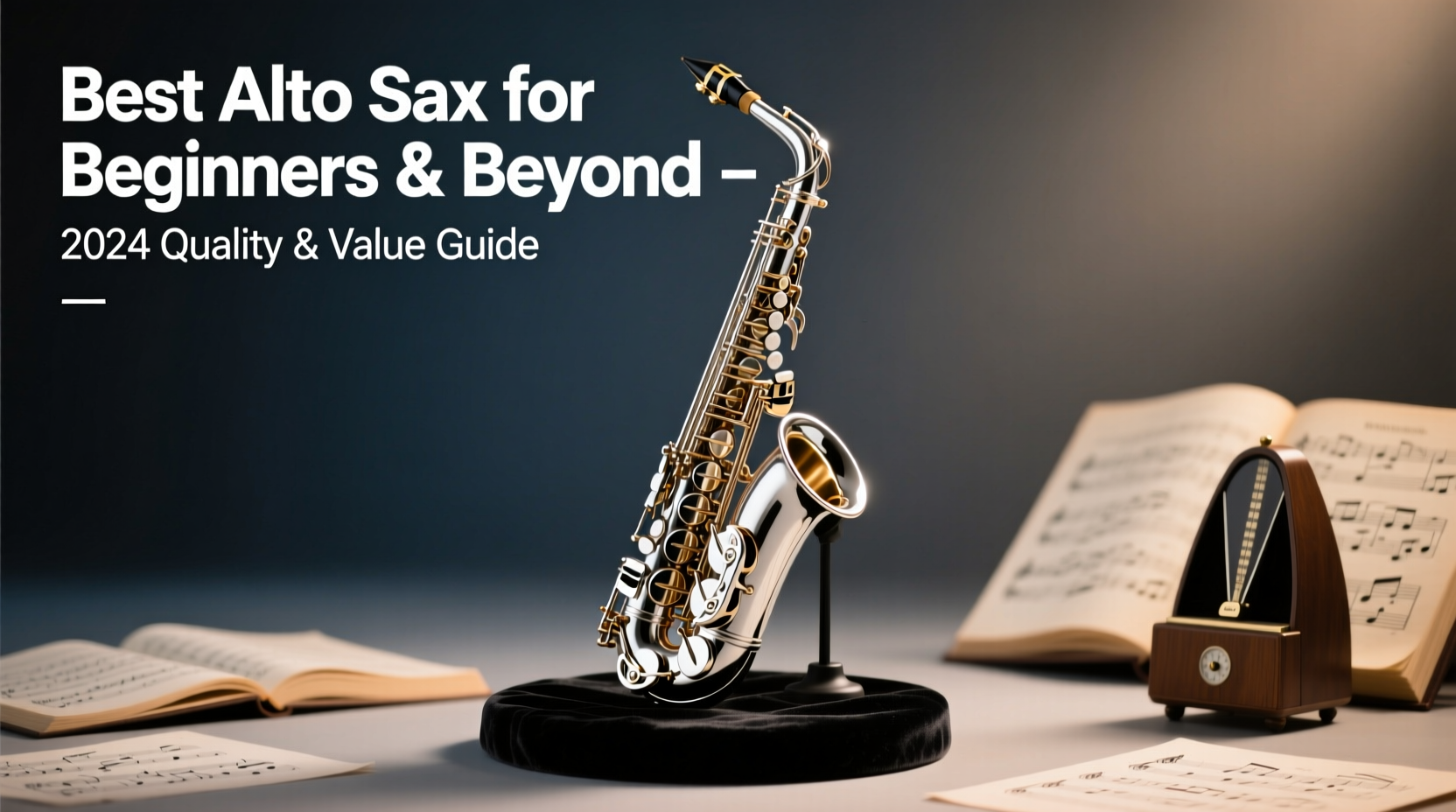
A good beginner sax must strike a balance between affordability, playability, and build quality. Entry-level instruments should be forgiving for new players—responsive enough to produce tone without excessive effort, yet sturdy enough to survive school band rooms and daily handling. Look for features like durable brass bodies, protective lacquer finishes, and well-aligned keywork.
Beginner models are typically made from yellow brass with a clear or gold lacquer coating. This provides corrosion resistance while maintaining warm tonal characteristics. Padded keys should seal tightly, and the neck should fit securely into the body. Poorly fitted parts lead to air leaks, making it harder to produce consistent sound.
Brands like Yamaha, Jean Paul USA, and Mendini dominate the entry-level space because they offer factory consistency and widespread service support. While some budget options under $500 may seem appealing, they often use inferior metals, weak springs, or misaligned mechanisms that frustrate progress. Investing slightly more—between $700 and $1,000—can yield significantly better results in both performance and longevity.
Top 5 Alto Saxophones Compared
| Model | Price Range | Best For | Key Features | Durability |
|---|---|---|---|---|
| Yamaha YAS-280 | $1,100–$1,400 | Beginners to intermediates | Precision engineering, smooth response, excellent intonation | ★★★★★ |
| Jean Paul AS-400 | $600–$750 | True beginners, schools | Lightweight, consistent build, includes case and mouthpiece | ★★★★☆ |
| Mendini by Cecilio MA-L | $350–$500 | Budget-conscious starters | Affordable, full kit included, decent initial tone | ★★★☆☆ |
| Orla SAX-480 | $800–$950 | Serious students upgrading | Hand-engraved bell, premium pads, improved resonance | ★★★★☆ |
| Prelude ASX-700 | $700–$850 | Students needing reliability | Reinforced posts, responsive action, stable tuning | ★★★★☆ |
The Yamaha YAS-280 stands as the gold standard for student saxes. Used widely in schools and private instruction, it offers professional-grade mechanics at a student price. Its redesigned octave mechanism and refined bore improve response and pitch accuracy—critical for developing proper embouchure and finger technique.
For those on tighter budgets, the Jean Paul AS-400 delivers remarkable consistency. Unlike many low-cost brands that vary drastically between units, Jean Paul uses controlled manufacturing to ensure each sax performs reliably out of the box. It’s a favorite among band directors for this reason.
“Starting on a poorly made saxophone is like learning to run with shoes that don’t fit. You might eventually succeed, but you’ll develop bad habits along the way.” — Marcus Lin, Band Director & Saxophone Instructor
When to Upgrade: Signs You’ve Outgrown Your Beginner Sax
As skills advance, limitations in entry-level instruments become more apparent. Intermediate players often notice sluggish key response, inconsistent intonation across registers, or difficulty producing dynamic expression. These aren’t always due to the player—they can stem from worn pads, thin metal construction, or simplified internal design.
Upgrading makes sense when:
- You consistently play above Grade 4 repertoire (e.g., jazz solos, classical etudes).
- Your current sax requires frequent adjustments or pad replacements.
- You’re preparing for auditions, college programs, or live performances.
- You crave richer tone, better projection, or expanded tonal control.
Intermediate models, such as the Yamaha YAS-480 or Trevor James TJ880, feature hand-hammered bells, premium leather pads, and more precise regulation. These refinements allow for greater nuance in articulation and vibrato, supporting expressive playing styles essential in jazz and classical genres.
Step-by-Step Guide to Buying Your First Alto Sax
- Set a realistic budget: Aim for $700+ if possible. Avoid no-name brands selling ultra-cheap kits online.
- Decide new vs. used: New comes with warranty; used can offer higher specs at lower cost—but only buy from reputable dealers or technicians.
- Inspect the instrument: Check for dents, sticky keys, tarnished neck tenon, and even pad seating. Light should not pass through closed pads.
- Test play or have someone test it: Listen for even scale response, ease in upper register, and clean altissimo transitions.
- Verify included accessories: A decent mouthpiece, ligature, case, and cleaning swab are essential. Many cheap kits include unusable extras.
- Research servicing availability: Brands like Yamaha have wide technician networks. Obscure brands may lack parts or expertise.
Real-World Example: From School Band to Solo Performer
Emily Rodriguez started on a rental Jean Paul AS-400 in middle school. It served her well through eighth grade, allowing her to learn fundamentals without mechanical distractions. By ninth grade, she joined jazz ensemble and began private lessons. Her instructor noticed she struggled with fast passages and couldn’t match pitch stability in group settings.
After inspection, the tech found multiple leaking pads and a bent neck. Instead of costly repairs, Emily’s parents invested in a Yamaha YAS-280. The difference was immediate: cleaner articulation, smoother glissandos, and stronger projection during solos. Within a year, she placed second in a regional solo competition—an achievement she credits to having a responsive, reliable instrument.
Her story illustrates a common truth: progress isn’t just about practice hours. The right tool removes friction from the learning process.
Frequently Asked Questions
Can I rent an alto sax instead of buying?
Yes, renting is a smart option for young students unsure about long-term commitment. Many music stores offer rent-to-own programs. However, after 12–18 months, purchasing often becomes more economical than continued payments.
Do I need to buy a separate mouthpiece?
Most beginner kits include basic mouthpieces, but upgrading early can enhance tone and response. A Vandoren AL3 or Yamaha 4C is a popular step-up choice, offering balanced resistance and warmth.
How often does a saxophone need maintenance?
Professional setup every 12–18 months is ideal. Clean the inside with a swab after every use, wipe fingerprints off regularly, and have pads checked annually. Harsh environments (humidity, temperature swings) may require more frequent care.
Final Thoughts: Invest in Growth, Not Just Gear
The best alto sax for beginners—and those moving beyond—isn’t always the cheapest or flashiest. It’s the one that supports steady improvement, responds to your touch, and lasts through years of exploration. Whether you choose the dependable Yamaha YAS-280, the value-packed Jean Paul AS-400, or plan for an intermediate upgrade later, prioritize craftsmanship over gimmicks.
Remember: great music starts with trust in your instrument. When your sax feels like an extension of your breath and intention, creativity flows freely. Take the time to research, test, and consult experienced players. Your future self—playing confidently on stage or in rehearsal—will thank you.




 浙公网安备
33010002000092号
浙公网安备
33010002000092号 浙B2-20120091-4
Comments
No comments yet. Why don't you start the discussion?