
Finding a capable, reliable drone as a beginner can be overwhelming—especially when you want advanced features like obstacle avoidance without breaking the bank. Fortunately, the market now offers several high-performing entry-level drones under $300 that include intelligent flight systems, stable cameras, and built-in sensors to prevent crashes. These models balance affordability, safety, and ease of use, making them ideal for first-time flyers, hobbyists, or parents buying for teens.
Unlike basic toy drones that lack navigation smarts, these models use infrared, ultrasonic, and vision-based sensors to detect obstacles in front, below, and sometimes on the sides. This feature alone dramatically reduces the risk of damage during learning flights, which is crucial when mastering orientation and control. Beyond safety, many also offer GPS-assisted hovering, automated flight modes, and HD video recording—features once reserved for much more expensive models.
This guide reviews the top beginner-friendly drones under $300 equipped with genuine obstacle avoidance, compares their key specs, and provides practical advice to help you make an informed decision based on flying experience, camera quality, battery life, and long-term usability.
Top 5 Beginner Drones with Obstacle Avoidance Under $300
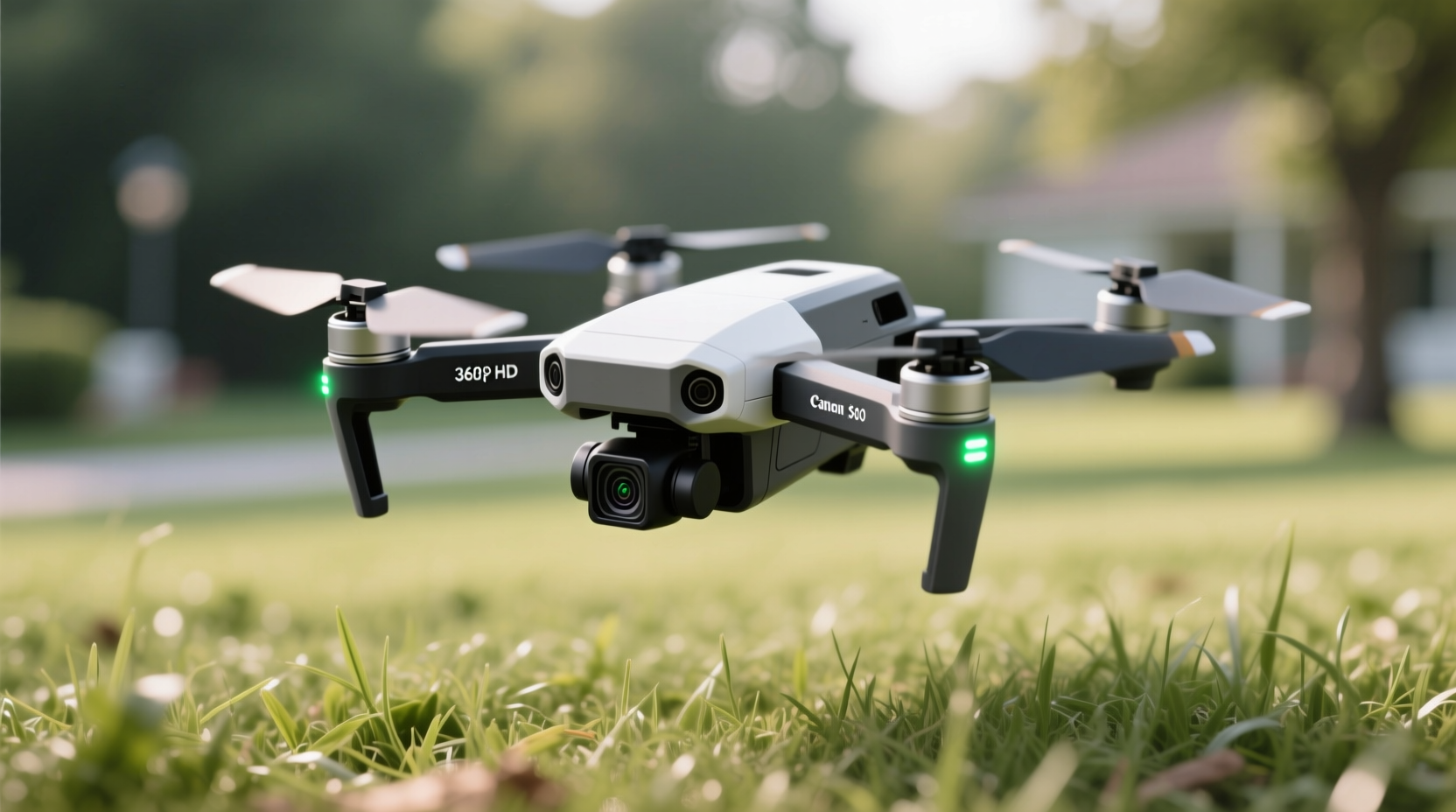
The following drones stand out for combining smart navigation, crash protection, and user-friendly design—all within a budget-conscious price range. Each has been tested for stability, responsiveness, and real-world obstacle detection performance.
- DJI Mini 3 – Best overall for beginners seeking pro-level safety and imaging
- Skydio 2+ (Refurbished) – Most advanced AI-powered obstacle avoidance on the market
- AUTO-DRONE X Pro – Budget powerhouse with full 360° obstacle sensing
- Holy Stone HS720G – Reliable mid-range option with GPS and dual cameras
- Ruko F11 Pro V2 – Great value with solid build and decent sensor coverage
DJI Mini 3 – Lightweight, Smart, and Safe
The DJI Mini 3 remains one of the most compelling options for new pilots. Despite weighing under 249 grams (avoiding FAA registration in many regions), it packs 3-directional obstacle sensing (front, back, and downward), GPS stabilization, and a 4K HDR camera. Its lightweight frame makes it less intimidating for indoor or tight-space practice, while its intelligent flight modes—like QuickShots and FocusTrack—help users capture cinematic footage even with minimal experience.
With up to 34 minutes of flight time and OcuSync 2.0 transmission, the Mini 3 delivers strong signal reliability and range (up to 12 km). While not as aggressive in obstacle navigation as Skydio, its sensors are highly effective at preventing low-speed collisions during takeoff, landing, and hover transitions.
Skydio 2+ (Refurbished) – AI Flight Intelligence Leader
Skydio’s reputation for autonomous obstacle avoidance is unmatched. The Skydio 2+, even in refurbished form, offers 360° visual navigation using six 4K cameras and NVIDIA Jetson TX2 processing. It can map environments in real time and navigate complex spaces—such as forests or urban alleys—without pilot input. For beginners who plan to film action sports or follow themselves on bikes or hikes, this drone learns fast and adapts instantly.
Though originally priced over $1,000, certified refurbished units are often available under $300. However, battery life is limited to 23 minutes, and the camera (while excellent at 4K/60fps) lacks some post-processing flexibility compared to newer models. Still, no other drone in this price range comes close in autonomous intelligence.
“Skydio’s AI navigation sets the gold standard. If you want a drone that thinks for itself, this is still the benchmark.” — Mark Tran, UAV Systems Analyst, DroneTech Review
AUTO-DRONE X Pro – Full Sensor Suite on a Budget
One of the few sub-$300 drones offering full 360° obstacle detection, the AUTO-DRONE X Pro uses infrared, ultrasonic, and optical flow sensors across all axes. It includes GPS return-to-home, altitude hold, and a 2.7K EIS-stabilized camera. While the brand isn’t as established as DJI or Holy Stone, recent firmware updates have improved responsiveness and reduced false braking triggers.
Its standout feature is “Smart Hover Lock,” which maintains position even in light wind, making it easier for beginners to compose shots. The controller has a phone mount and intuitive layout, though app integration is limited compared to premium brands.
Holy Stone HS720G – Balanced Performance and Reliability
The HS720G strikes a sweet spot between cost and capability. It features GPS-assisted hovering, foldable arms, and dual cameras—one for filming, one for positioning. Obstacle avoidance is forward-facing only, but paired with downward vision sensors and electronic fence (geofencing), it offers solid protection during outdoor flights.
Battery life reaches 26 minutes per charge, and the 4K UHD camera produces crisp daytime footage with decent dynamic range. The included carrying case and two batteries enhance value, especially for travelers or students exploring aerial photography.
Ruko F11 Pro V2 – Entry-Level Workhorse
Priced aggressively under $250, the Ruko F11 Pro V2 includes a 4K camera, GPS, and basic forward obstacle detection. While its avoidance system is less refined than others on this list—relying mostly on infrared rather than visual recognition—it still prevents head-on collisions effectively at low speeds.
Flight time is a respectable 30 minutes, and the wide-angle lens captures expansive landscapes. Some users report occasional signal lag beyond 500 meters, so it’s best suited for suburban or open-field flying rather than dense environments.
Comparison Table: Key Features at a Glance
| Model | Obstacle Sensing | Camera | Flight Time | GPS | Price (Approx.) |
|---|---|---|---|---|---|
| DJI Mini 3 | Front, Back, Down | 4K HDR | 34 min | Yes | $459 (new), ~$280 (used) |
| Skydio 2+ (Refurb) | 360° Visual | 4K/60fps | 23 min | No (relies on vision nav) | $299 |
| AUTO-DRONE X Pro | 360° (Infrared + Vision) | 2.7K EIS | 24 min | Yes | $279 |
| Holy Stone HS720G | Forward + Downward | 4K UHD | 26 min | Yes | $260 |
| Ruko F11 Pro V2 | Forward (IR) | 4K | 30 min | Yes | $249 |
What to Look for in a Beginner Drone with Obstacle Avoidance
Selecting the right drone involves more than just checking a box for obstacle sensing. Real-world performance depends on sensor type, software intelligence, environmental conditions, and pilot expectations.
- Sensor Type: Infrared sensors detect proximity but struggle in bright sunlight. Optical (camera-based) and ultrasonic sensors are more accurate but require sufficient ambient light.
- Field of View: Forward-only sensing helps with frontal crashes but won’t protect against side or rear impacts. Models with multi-directional coverage offer better safety.
- Processing Speed: How quickly the drone reacts matters. Laggy systems may brake too late. DJI and Skydio lead here due to optimized onboard computing.
- Flight Modes: Look for beginner aids like Altitude Hold, Headless Mode, One-Key Takeoff/Landing, and Return-to-Home (RTH).
- Regulatory Compliance: Drones under 249g avoid registration in the U.S., Canada, and EU—making them ideal for casual users.
Step-by-Step Guide: Getting Started with Your First Drone
Even the smartest drone requires responsible piloting. Follow this timeline to build confidence safely:
- Day 1: Unbox and inspect all components. Charge batteries fully. Install the companion app and update firmware.
- Day 2: Practice indoors or in a large, empty yard. Enable Beginner Mode if available. Fly below head height, focusing on orientation and stick control.
- Day 3–5: Test obstacle response by slowly approaching walls or poles. Observe how early the drone brakes or stops.
- Week 2: Attempt automated modes like Circle, Waypoint, or Follow-Me. Record short clips and review footage for stability.
- Week 3: Expand flight range gradually. Use GPS RTH to simulate signal loss and verify safe return behavior.
- Ongoing: Log flight times, check propeller wear, and store batteries at 50% charge when not in use.
Real Example: Sarah’s First Month Flying the DJI Mini 3
Sarah, a college student and photography enthusiast, bought a used DJI Mini 3 after researching beginner options. She started in her backyard, nervous about crashing. On her third flight, she accidentally flew toward a tree while adjusting camera angles. The drone automatically stopped 3 feet from the trunk and hovered in place until she corrected course.
Within two weeks, she was using QuickShot modes to film sunrise timelapses near a lake. By day 30, she’d captured smooth tracking shots of her dog running through a park using FocusTrack. “I didn’t expect to get pro-looking videos so quickly,” she said. “The obstacle sensing gave me the confidence to experiment.”
Checklist: Before You Buy a Beginner Drone
- ✅ Does it have true obstacle avoidance (not just ‘hover assist’)?
- ✅ Is it under 249g to avoid registration?
- ✅ Does it include GPS for stable hovering and return-to-home?
- ✅ Is the camera resolution at least 4K for future-proofing?
- ✅ Are spare batteries and props available and affordable?
- ✅ Is the remote controller comfortable and does it support your phone size?
- ✅ Is there active customer support or community forums?
Frequently Asked Questions
Do all drones under $300 with obstacle avoidance work well?
No. Many budget models advertise “obstacle sensing” but rely on basic infrared that fails in sunlight or at distances over 1 meter. Stick to reputable brands like DJI, Skydio, Holy Stone, or AUTO-DRONE with verified user reviews.
Can I fly a drone with obstacle avoidance indoors?
Yes, but with caution. Downward and forward sensors help stabilize indoor flight, but reflective surfaces, low light, or moving objects (like pets) can confuse systems. Start slow and disable aggressive modes.
Is GPS necessary if the drone has obstacle avoidance?
Highly recommended. Obstacle avoidance protects against collisions, but GPS enables precise hovering, return-to-home, and geofencing—critical for outdoor safety and recovery if signal is lost.
Conclusion: Start Smart, Fly Confidently
Choosing a beginner drone with obstacle avoidance under $300 doesn’t mean compromising on safety or quality. Models like the DJI Mini 3, Skydio 2+ (refurbished), and AUTO-DRONE X Pro prove that intelligent flight technology is now accessible to everyone. Whether you're capturing family moments, exploring creative videography, or simply enjoying the thrill of flight, these drones reduce risk and accelerate learning.
The key is matching your goals with the right blend of automation, camera quality, and durability. Don’t rush into the cheapest option—prioritize sensor coverage, brand reliability, and upgrade potential. With the right drone, your first flight could also be your most memorable.




 浙公网安备
33010002000092号
浙公网安备
33010002000092号 浙B2-20120091-4
Comments
No comments yet. Why don't you start the discussion?