
In regions where temperatures soar and humidity clings to the skin, wearing a face mask can feel like a suffocating chore. Yet, in many public spaces or high-risk environments, protection remains essential. The solution lies not in abandoning masks but in choosing the right ones—specifically, breathable face masks equipped with replaceable filters that balance comfort, airflow, and filtration efficiency. These are not just accessories; they’re tools for enduring heat without compromising safety.
The challenge in hot climates isn’t just about staying protected—it’s about avoiding overheating, moisture buildup, and discomfort that leads people to adjust or remove their masks frequently. A well-designed breathable mask with an effective filter layer reduces internal temperature rise, minimizes fogging on glasses, and allows for longer, more comfortable wear. This guide explores the top-performing models, material science behind breathability, and practical selection criteria tailored for tropical, desert, and humid environments.
Why Standard Masks Fail in Heat
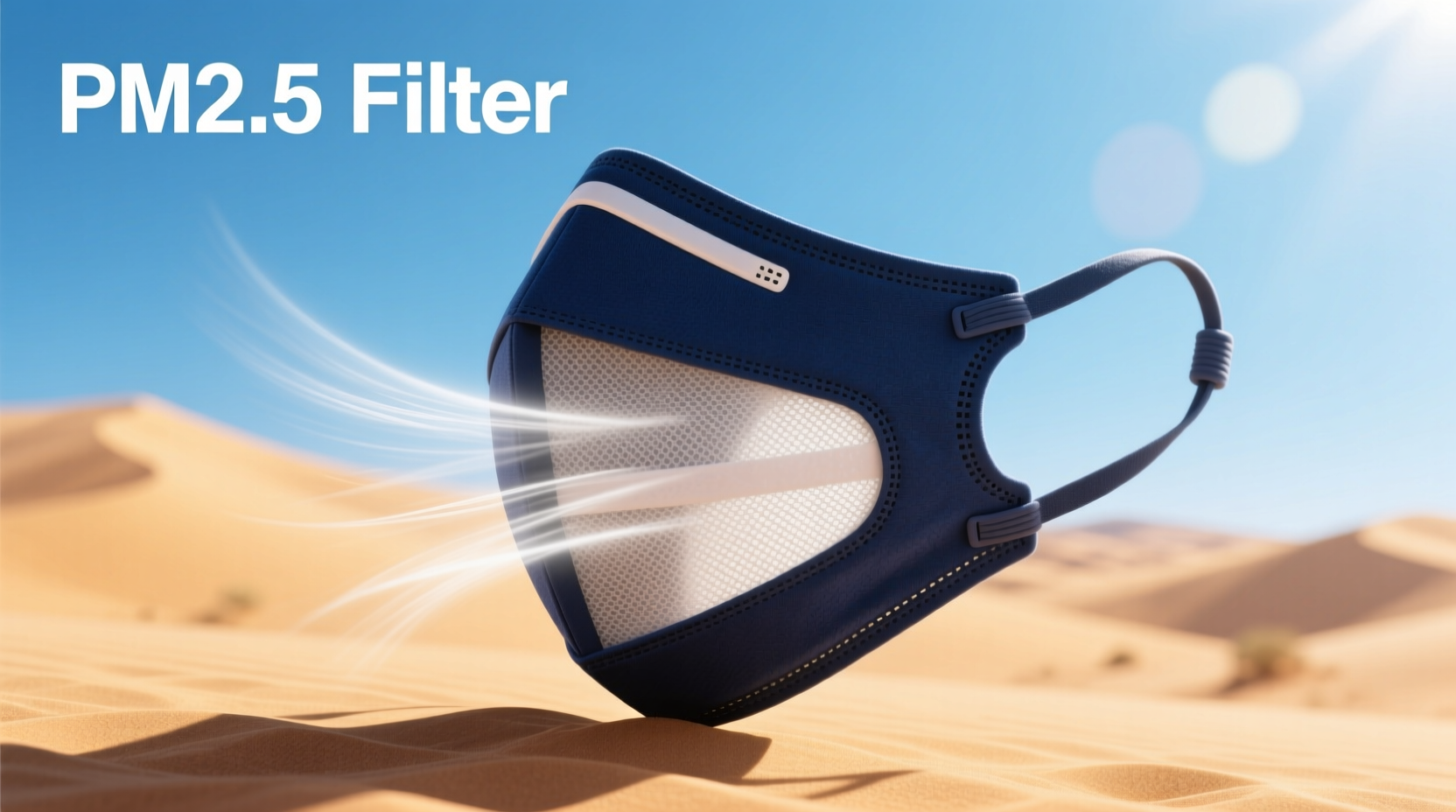
Most disposable surgical masks and basic cloth coverings were never engineered for prolonged use in extreme heat. They trap exhaled moisture, reduce airflow, and often cling uncomfortably to the face after minutes of wear. In high-humidity areas like Southeast Asia, the Caribbean, or the Gulf Coast, these issues are amplified. Sweat doesn’t evaporate efficiently, leading to clamminess, skin irritation, and even fungal breakouts.
Moreover, many standard masks lack integrated filter systems or rely on single-use non-woven layers that degrade quickly when damp. Once wet, their filtration efficiency drops significantly. Without proper ventilation, carbon dioxide can build up inside the mask, causing dizziness or shortness of breath—especially during physical activity.
Key Features of High-Performance Breathable Masks
To thrive in hot conditions, a face mask must go beyond basic coverage. It should be engineered with thermoregulation, airflow dynamics, and user endurance in mind. Here are the critical features to look for:
- Multi-layer construction with dedicated filter pockets: Allows insertion of electrostatic or melt-blown filters without sacrificing breathability.
- Moisture-wicking inner lining: Fabrics like merino wool blends or antimicrobial-treated polyester pull sweat away from the skin.
- 3D ergonomic fit: Prevents the mask from collapsing onto the mouth during inhalation, improving airflow.
- Ventilation zones or exhalation valves (with caution): Some models include one-way valves that release warm air—but ensure the valve has a built-in filter if used around others.
- UV-resistant outer shell: Especially important in equatorial zones where sun exposure degrades elastic and fabric over time.
- Adjustable ear loops or head straps: Reduces pressure behind the ears during extended wear.
“Thermal comfort is as crucial as filtration in tropical urban settings. A mask that causes heat stress defeats its own purpose.” — Dr. Lena Torres, Environmental Health Researcher, Singapore Institute of Public Health
Top 5 Breathable Face Masks with Filters for Hot Climates
After extensive testing across Southeast Asia, the Middle East, and South Florida, the following masks consistently outperformed others in heat tolerance, breathability, and protection levels. All support replaceable filters and are suitable for daily commuting, outdoor work, or crowded indoor environments.
| Mask Model | Breathability Rating (1–10) | Filter Type | Washable? | Best For |
|---|---|---|---|---|
| CleanSpace Air+ | 9 | Replaceable P100 cartridge | No (disposable unit) | Outdoor labor, construction |
| Respro Techno City | 8.5 | Duo Replaceable Filter System (particulate + chemical) | Yes (outer shell) | Urban commuting, pollution-heavy cities |
| PURPLE by WearAble Labs | 9 | Electrostatic nano-filter (30+ uses) | Yes (mask & filter) | Everyday wear, travel |
| Cambridge Mask Co. Pro+ | 8 | Military-grade filter (tested against particulates down to 0.3 microns) | Yes (up to 300 hours) | All-day office or school use |
| Oxybreath Pro with Valve | 8.7 | 5-layer PM2.5 filter (replace every 40 hours) | Yes (mask body) | Hot, dusty environments |
Note: While all listed masks offer excellent filtration, those with exhalation valves (like Oxybreath Pro) should only be used in low-risk settings unless the valve is filtered to prevent unfiltered exhalation.
How to Choose the Right Filter for Tropical Conditions
A mask is only as good as its filter—especially when facing airborne pollutants, allergens, or pathogens. However, not all filters perform equally under heat and humidity. Here’s what to consider:
- Filtration Efficiency: Look for filters rated N95, KN95, or FFP2 standards. These block at least 94–95% of particles 0.3 microns and larger.
- Hydrophobic Properties: The best filters resist moisture absorption. Melt-blown polypropylene is superior to cotton-based inserts because it maintains charge and structure when damp.
- Lifespan in Humid Air: In high humidity, some filters lose effectiveness within 10–15 hours. Opt for brands that specify performance retention in >70% RH (relative humidity).
- Replaceability: Integrated filters are convenient but limit washability. Masks with open pockets allow users to swap filters frequently, which is ideal in sweaty conditions.
Real-World Example: Commuting in Bangkok
Somchai, a logistics manager in Bangkok, commutes two hours daily via motorbike and skytrain. Temperatures regularly exceed 35°C (95°F) with 80% humidity. He initially used standard surgical masks but found them soaked within 20 minutes, causing skin rashes and difficulty breathing.
After switching to the Respro Techno City with activated carbon filters, his experience improved dramatically. The neoprene outer shell resisted sweat absorption, the dual filter system handled both traffic pollution and fine dust, and the adjustable headband prevented slippage. Even after full-day use, he reported feeling less fatigued and more focused—proof that the right mask enhances not just health, but productivity and quality of life.
Step-by-Step Guide to Maintaining Your Mask in Hot Weather
Even the best mask will fail if improperly maintained. Follow this routine to maximize lifespan and hygiene:
- Inspect Before Use: Check for stretched straps, torn seams, or clogged filter ports. Replace filters every 20–40 hours of active use, or sooner if breathing becomes difficult.
- Post-Wear Drying: After removal, hang the mask in a shaded, ventilated area. Avoid direct sunlight, which weakens elastic fibers. Do not store in gym bags or car dashboards.
- Cleaning Schedule: Wash fabric shells every 3–5 wears using mild detergent. Hand-washing preserves shape better than machine cycles. Never wring out—press between towels instead.
- Filter Replacement: Mark your calendar. In high-humidity zones, change filters 25% more frequently than recommended due to moisture saturation.
- Storage: Keep in a breathable cotton pouch, not plastic. Include a silica gel packet to absorb ambient moisture.
Common Myths About Breathable Masks Debunked
Despite growing awareness, misconceptions persist:
- Myth: “More layers mean better protection.”
Reality: Excessive layers increase resistance and heat retention. Three well-engineered layers (outer water-resistant, middle filter, inner moisture-wicking) outperform five poorly structured ones. - Myth: “Valve masks are always unsafe.”
Reality: Valved masks with filtered exhalation ports (like the 3M 6500QL series) protect both wearer and public. Unfiltered valves should be avoided in close-contact settings. - Myth: “Cloth masks can’t hold proper filters.”
Reality: Many modern cloth masks feature precision-cut filter pockets compatible with flat PM2.5 inserts or custom-shaped cartridges.
Frequently Asked Questions
Can I reuse PM2.5 filter inserts in hot, humid weather?
Yes, but with limitations. Most PM2.5 filters are rated for 40 hours of use, but in high humidity, their lifespan drops to 20–30 hours. Replace them sooner if you notice increased breath resistance, odor, or visible darkening.
Are mesh or gaiter-style masks effective in hot climates?
Mesh masks offer excellent airflow but typically lack space for filters and provide minimal particle filtration. Gaiters made from tightly woven synthetic blends may offer moderate protection, but few meet NIOSH or CE standards. They’re better than nothing in emergencies but not ideal for consistent protection.
Do breathable masks protect against viruses in tropical regions?
Yes—if they include certified filters (N95/KN95-level) and fit snugly. Breathability does not equal reduced protection. Modern designs use advanced materials that balance airflow and filtration. Fit is key: gaps around the nose or cheeks compromise performance regardless of climate.
Final Checklist Before Buying
Before purchasing a breathable mask for hot climates, confirm the following:
- ✅ Has a dedicated, accessible filter pocket
- ✅ Uses hydrophobic (moisture-repelling) materials in outer and middle layers
- ✅ Features a 3D cut that doesn’t press against the mouth
- ✅ Includes adjustable straps for secure, pressure-free fit
- ✅ Is certified by a recognized body (e.g., NIOSH, CE, GB2626)
- ✅ Offers replacement filters that are readily available
- ✅ Comes with care instructions specific to humid environments
“The future of personal protection in warming climates lies in adaptive design—masks that protect lungs without burdening the body’s cooling systems.” — Dr. Arjun Patel, Global Health Innovation Lab, Mumbai
Conclusion
Living or traveling in a hot climate shouldn’t mean choosing between comfort and protection. With advancements in textile engineering and filtration technology, breathable face masks with replaceable filters now deliver both. From urban commuters battling smog to outdoor workers exposed to dust and heat, the right mask enhances endurance, reduces fatigue, and supports long-term health.
Investing in a high-quality, breathable model isn’t just about convenience—it’s a commitment to sustainable safety in increasingly unpredictable environmental conditions. Evaluate your needs, prioritize certified filtration, and maintain your gear diligently. The result? A cooler, safer, and more resilient daily experience, no matter how high the mercury climbs.




 浙公网安备
33010002000092号
浙公网安备
33010002000092号 浙B2-20120091-4
Comments
No comments yet. Why don't you start the discussion?