
In today’s fast-paced digital environment, maintaining sustained focus is one of the most challenging aspects of professional life. Distractions are constant—emails, notifications, meetings—and mental fatigue sets in quickly. While productivity tools and time management techniques help, few people consider the powerful influence of scent on cognitive performance. Aromatherapy, particularly through essential oil diffusion, has been shown to modulate mood, reduce stress, and enhance concentration. The right calming diffuser blend can create a sensory environment that supports deep work without overstimulation. This article explores scientifically supported essential oil combinations designed to calm the nervous system while sharpening mental clarity—ideal for knowledge workers, creatives, and remote professionals seeking a natural edge.
The Science Behind Scent and Focus
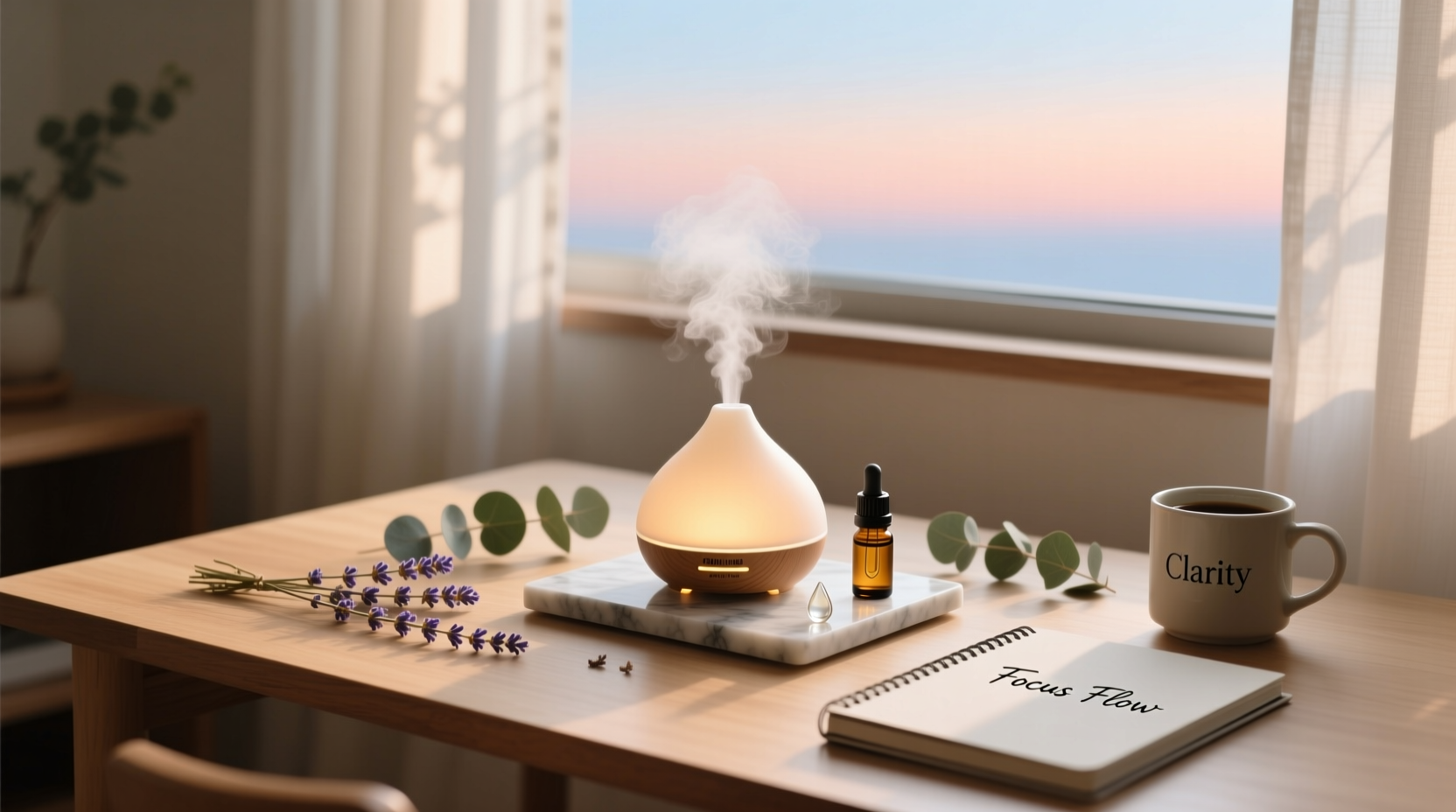
Aromatherapy works primarily through the olfactory system, which has direct neural pathways to the limbic system—the brain’s emotional control center. When you inhale essential oils, volatile compounds bind to olfactory receptors, sending signals to the amygdala and hippocampus, regions involved in memory, emotion, and attention regulation. Unlike synthetic air fresheners, high-quality essential oils contain bioactive molecules that interact with neurotransmitter systems. For instance, linalool (found in lavender) has demonstrated anxiolytic effects by modulating GABA receptors, while limonene (in citrus oils) may elevate dopamine levels, promoting alertness and motivation.
A 2012 study published in Phytotherapy Research found that participants exposed to rosemary essential oil vapor showed significantly improved cognitive performance, including enhanced memory speed and accuracy. Similarly, research from the University of Northumbria confirmed that peppermint oil increases alertness and reduces mental fatigue during prolonged tasks. These findings support the strategic use of specific essential oils not just for relaxation, but for creating a neurochemical environment conducive to focused work.
“Scent is one of the most underutilized tools in workplace wellness. A well-formulated diffuser blend can lower cortisol, increase alpha brain waves, and improve task persistence.” — Dr. Naomi Reed, Cognitive Neuroscientist & Aromatherapy Researcher
Top Calming Diffuser Blends for Mental Clarity
The key to effective aromatherapy for focus lies in balance: calming enough to reduce anxiety, yet stimulating enough to maintain alertness. Overly sedative blends can induce drowsiness; overly sharp scents may trigger agitation. The following five blends are formulated based on clinical studies, traditional use, and user-reported outcomes from professionals in high-focus fields such as programming, writing, and design.
1. The Zen Focus Blend
- 4 drops Frankincense (Boswellia carterii)
- 3 drops Bergamot (Citrus bergamia)
- 2 drops Cedarwood (Cedrus atlantica)
This combination promotes grounding and mental stillness. Frankincense slows respiration and induces meditative states, making it ideal for deep work sessions. Bergamot, a citrus oil with unique mood-lifting properties, reduces cortisol without overstimulation. Cedarwood adds a warm, woody base that enhances theta brain wave activity, associated with creativity and insight.
2. Clarity Boost Blend
- 3 drops Rosemary (Rosmarinus officinalis)
- 3 drops Peppermint (Mentha piperita)
- 2 drops Lemon (Citrus limon)
A potent blend for mid-afternoon slumps or complex problem-solving. Rosemary contains 1,8-cineole, a compound linked to increased acetylcholine activity—crucial for memory and processing speed. Peppermint’s menthol provides a cooling sensation that heightens alertness, while lemon uplifts mood and combats mental fog. Use this blend in short 30-minute intervals to avoid sensory overload.
3. Balanced Mind Blend
- 3 drops Lavender (Lavandula angustifolia)
- 3 drops Sweet Orange (Citrus sinensis)
- 2 drops Vetiver (Vetiveria zizanioides)
Ideal for high-pressure environments or deadline-driven work. Lavender calms the sympathetic nervous system, reducing heart rate and anxiety. Sweet orange introduces a cheerful, energizing note that prevents lethargy. Vetiver, a deeply earthy oil, acts as an anchor—particularly helpful for those prone to racing thoughts or ADHD-related distractibility.
4. Forest Calm Blend
- 4 drops Pine (Pinus sylvestris)
- 3 drops Juniper Berry (Juniperus communis)
- 1 drop Patchouli (Pogostemon cablin)
Designed to mimic the restorative effects of forest bathing (shinrin-yoku). Pine oil contains pinene, which has anti-inflammatory and bronchodilatory effects, improving oxygen intake and mental stamina. Juniper berry clears mental clutter, while patchouli adds emotional stability. This blend is especially effective in windowless offices or urban workspaces lacking natural elements.
5. Tranquil Flow Blend
- 3 drops Ylang Ylang (Cananga odorata)
- 3 drops Roman Chamomile (Chamaemelum nobile)
- 2 drops Grapefruit (Citrus paradisi)
A gentle, floral-citrus profile suited for creative tasks requiring both calm and inspiration. Ylang ylang lowers blood pressure and promotes patience—valuable during long editing or brainstorming sessions. Roman chamomile soothes irritability and perfectionism, common productivity blockers. Grapefruit adds a bright top note that stimulates action without agitation.
How to Use Diffuser Blends Effectively at Work
Even the best blend won’t deliver results if used incorrectly. Here’s a step-by-step guide to integrating aromatherapy into your workday for maximum cognitive benefit.
- Choose the Right Diffuser: Opt for an ultrasonic diffuser with intermittent settings. Continuous diffusion can lead to olfactory fatigue within 20–30 minutes, rendering the scent ineffective.
- Time Your Sessions: Run the diffuser for 20–30 minutes before and during critical work blocks. Avoid running it all day—this diminishes sensitivity and may cause headaches.
- Position Strategically: Place the diffuser slightly off to the side of your desk, not directly in front. This allows for ambient exposure without overwhelming your immediate breathing space.
- Rotate Blends Weekly: Prevent adaptation by changing your primary blend every 5–7 days. This maintains neurological responsiveness.
- Combine with Rituals: Pair diffusion with the start of a Pomodoro session or deep work block. Over time, the scent becomes a conditioned cue for focus.
| Blend Name | Best Time to Use | Duration | Work Type |
|---|---|---|---|
| Zen Focus | Morning planning, meditation | 20–30 min | Strategic thinking, writing |
| Clarity Boost | Post-lunch, complex tasks | 20 min | Problem-solving, coding |
| Balanced Mind | Before deadlines, high stress | 30 min | Editing, presentations |
| Forest Calm | Remote workdays, low light | 25 min | Long projects, research |
| Tranquil Flow | Creative sessions | 30 min | Design, ideation |
Common Mistakes to Avoid
Many professionals start with good intentions but undermine their results through simple errors. Be mindful of these pitfalls:
- Over-diffusing: Using more than 6–8 drops total per session can cause nausea or headaches, especially with potent oils like peppermint or eucalyptus.
- Poor oil quality: Synthetic or adulterated oils lack therapeutic compounds. Always choose 100% pure, GC/MS tested essential oils from reputable brands.
- Ignoring personal sensitivity: Some people find certain scents distracting. Test blends during low-stakes work before using them in important tasks.
- Using near others without consent: In shared spaces, always ask before diffusing. Strong scents can trigger migraines or respiratory issues in sensitive individuals.
- Skipping maintenance: Clean your diffuser weekly with white vinegar and water to prevent clogs and bacterial growth.
Real-World Application: A Case Study
Sarah, a freelance UX designer based in Portland, struggled with afternoon burnout and difficulty transitioning into deep work. Despite using time-blocking and noise-canceling headphones, she often felt mentally scattered after lunch. She began experimenting with the Clarity Boost Blend—3 drops rosemary, 3 peppermint, 2 lemon—in her ultrasonic diffuser for 25 minutes at the start of her afternoon work block.
Within three days, she noticed a sharper onset of focus. By the end of the first week, her self-reported “deep work” time increased from 1.5 to nearly 3 hours daily. After two weeks, she replaced the blend with Forest Calm on remote collaboration days to stay grounded during video calls. Sarah now rotates blends weekly and credits aromatherapy with helping her meet client deadlines more consistently. “It’s not magic,” she says, “but it’s like having a subtle mental reset button built into my routine.”
Essential Oil Safety Checklist
Before incorporating diffuser blends into your workday, follow this safety checklist:
- ✅ Confirm all oils are 100% pure and undiluted
- ✅ Check for allergies or sensitivities (test one oil at a time)
- ✅ Avoid phototoxic oils (e.g., bergamot FCF unless labeled safe) if applying to skin
- ✅ Keep diffusers away from pets, especially cats (many oils are toxic to animals)
- ✅ Do not diffuse around infants or pregnant individuals without medical approval
- ✅ Store oils in dark glass bottles, away from heat and sunlight
- ✅ Use a timer to prevent overexposure
Frequently Asked Questions
Can diffuser blends really improve focus?
Yes, when used correctly. Multiple peer-reviewed studies confirm that certain essential oils—particularly rosemary, peppermint, and frankincense—can enhance cognitive performance by influencing brainwave activity, neurotransmitter balance, and stress hormone levels. However, effects are subtle and cumulative, working best as part of a holistic focus strategy.
How long does it take to notice results?
Most users report perceptible changes within 3–5 days of consistent use. Immediate effects—such as increased alertness or reduced tension—can occur within minutes of inhalation. Long-term benefits, like improved task endurance, typically emerge after 1–2 weeks of regular application.
Are there any oils I should avoid during work hours?
Yes. Oils like ylang ylang (in high concentrations), clary sage, and heavy florals such as jasmine absolute can be overly sedating for some people. Eucalyptus and camphor-rich oils may be too sharp and cause irritation with prolonged use. Start with balanced blends and adjust based on personal response.
Final Thoughts: Make Focus a Sensory Experience
Productivity isn’t just about discipline and tools—it’s also about environment. The modern workplace, often sterile and screen-dominated, lacks sensory richness that supports sustained attention. Introducing intentional scent through carefully crafted diffuser blends offers a simple, non-invasive way to rewire your mental state for deeper focus. By combining neuroscience with aromatic tradition, you can create a personalized atmosphere that calms the mind while sharpening its edge.
Start with one blend, use it consistently for a workweek, and track your focus levels. Adjust ratios based on your energy patterns—lighter in the morning, grounding in the afternoon. Over time, your nose will become a reliable guide to your cognitive rhythm. This isn’t about masking stress; it’s about cultivating a workspace that actively supports your best thinking.




 浙公网安备
33010002000092号
浙公网安备
33010002000092号 浙B2-20120091-4
Comments
No comments yet. Why don't you start the discussion?