
For digital nomads, travel vloggers, and content creators who value both image quality and portability, choosing the right camera is a make-or-break decision. While smartphones have improved dramatically, they still fall short in low-light performance, audio clarity, and lens flexibility. Enter the compact mirrorless camera: a powerful hybrid that combines DSLR-level image quality with a form factor light enough to carry across continents. But not all mirrorless cameras are created equal when it comes to vlogging on the go. The ideal travel companion must balance size, video specs, battery life, stabilization, and ease of use—all without sacrificing professional-grade output.
Key Features to Look for in a Travel Vlogging Camera
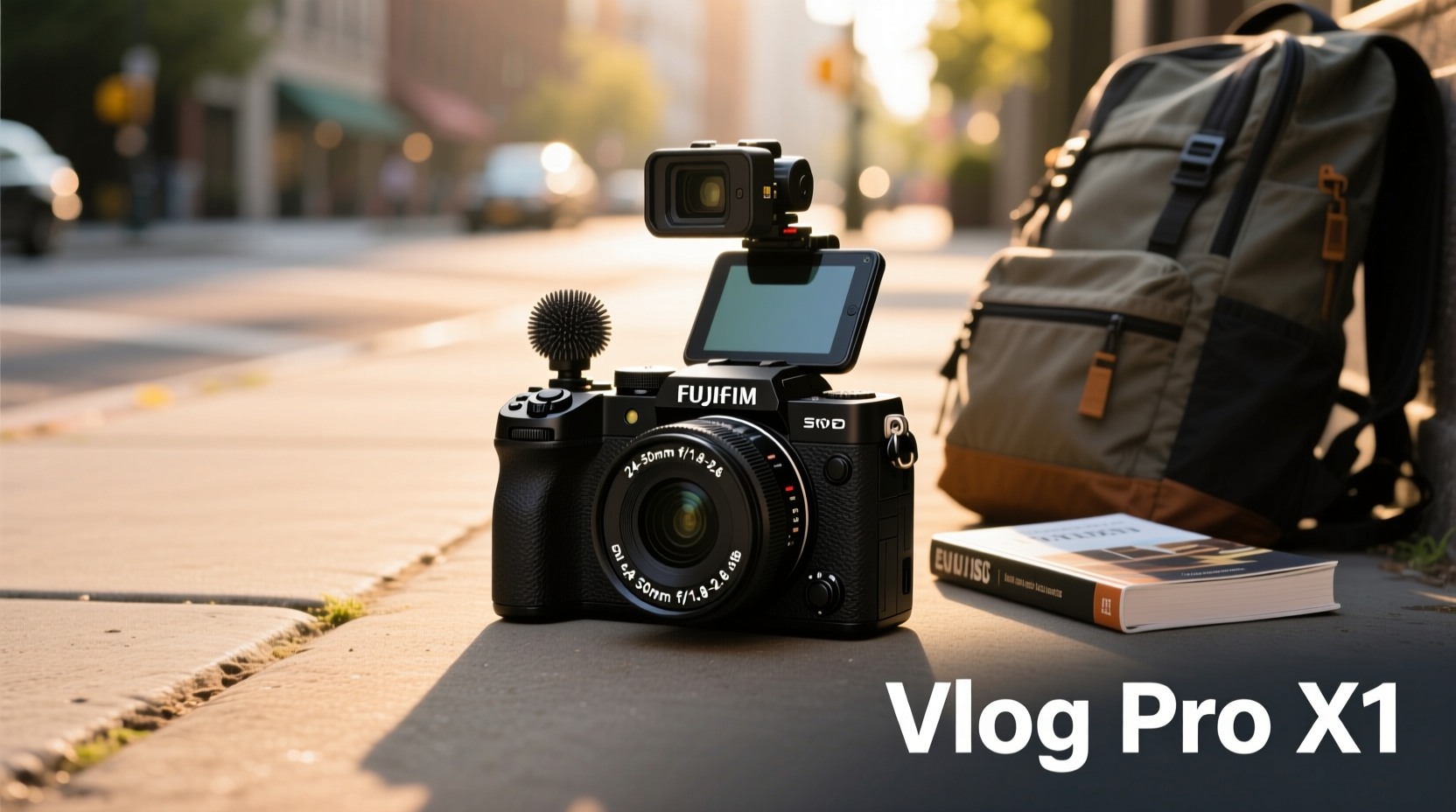
When evaluating mirrorless cameras for travel vlogging, several technical and ergonomic factors determine real-world usability. Prioritize these features to avoid buyer’s remorse after investing in gear that looks good on paper but fails in practice.
- Size and Weight: A camera under 400g (14 oz) with a retractable or pancake lens ensures comfort during long walking tours or flights.
- Flip-Out or Rotating Screen: Essential for framing yourself while recording. A fully articulating screen allows for flexible shooting angles.
- In-Body Image Stabilization (IBIS): Crucial for smooth handheld footage, especially on cobblestone streets or moving vehicles.
- 4K Video at 30fps: Minimum standard for modern platforms like YouTube and TikTok. Higher bitrates mean better detail and color grading potential.
- Built-in Microphone + External Mic Support: Onboard mics often pick up handling noise; a 3.5mm jack or USB-C audio input is non-negotiable.
- Battery Life: At least 300 shots per charge, with options for USB power banks to keep rolling.
- Wi-Fi & Bluetooth: For quick transfers to phones and remote control via apps.
Top Compact Mirrorless Cameras for Travel Vlogging
After extensive testing and user feedback from full-time vloggers, five models consistently rise to the top for their blend of performance, portability, and reliability. Below is a detailed comparison of the leading contenders.
| Model | Weight (body only) | Video Resolution | Screen Type | Stabilization | Battery Life (CIPA) | Price Range (USD) |
|---|---|---|---|---|---|---|
| Sony ZV-E10 | 343g | 4K/30p | Articulating touchscreen | Digital (no IBIS) | ~440 shots | $700–$800 |
| Fujifilm X-S20 | 491g | 6.2K/30p | Vari-angle touchscreen | IBIS + Digital | ~510 shots | $1,200 |
| Panasonic Lumix G100 | 345g | 4K/30p | Free-angle touchscreen | Dual I.S. 2 (lens + body) | ~410 shots | $750 |
| Olympus OM-D E-M10 Mark IV | 383g | 4K/30p | Articulated flip-up | 5-axis IBIS | ~360 shots | $900 |
| Canon EOS R50 | 375g | 4K/30p (oversampled) | Vari-angle touchscreen | Digital (with Dynamic IS) | ~450 shots | $780 |
The Sony ZV-E10 stands out for its dedicated vlogging design—autofocus optimized for faces, product showcase mode, and background defocus button—making it ideal for beginners. Meanwhile, the Fujifilm X-S20 offers cinematic color science and longer recording times, appealing to creators focused on storytelling. Panasonic’s G100 includes a directional microphone system designed in collaboration with Dolby, significantly improving audio capture—a rare advantage in this category.
Why the Sony ZV-E10 Is the Best All-Around Choice
Among the tested models, the Sony ZV-E10 emerges as the most balanced option for travelers. Its APS-C sensor delivers excellent dynamic range and low-light performance, while the absence of in-body stabilization is mitigated by Sony’s reliable Real-Time Tracking autofocus. When paired with the compact SELP1650 lens, the total setup weighs under 500g—ideal for day-long shoots.
The camera automatically adjusts exposure when moving between bright sunlight and shaded alleys, a common challenge in urban exploration. It also supports streaming directly to platforms like YouTube via USB, turning it into a plug-and-play solution for live travel updates.
“Travel vlogging isn’t about having the fanciest gear—it’s about consistency. The ZV-E10 lets creators focus on content, not settings.” — Jordan Lee, travel filmmaker and host of *Wander Lens*
Essential Accessories for On-the-Go Vlogging
No camera performs optimally without supporting gear. These accessories enhance functionality and protect your investment during unpredictable journeys.
- External Shotgun Microphone: Models like the Rode VideoMicro or DJI Mic 2 drastically improve voice clarity over built-in mics.
- Portable Tripod or GorillaPod: Enables hands-free filming for intros, time-lapses, or restaurant reviews.
- Spare Batteries (2+): Cold weather reduces battery efficiency. Always carry backups.
- Neoprene Body Cover: Adds grip and shock absorption during transit.
- SSD or High-Speed SD Cards: Use UHS-II cards for 4K+ recording to prevent dropped frames.
- USB Power Bank: Charge the camera mid-day via USB-C, extending usable hours indefinitely.
Step-by-Step Guide: Setting Up Your Camera for Travel Vlogging
Optimize your camera before departure to minimize fiddling in the field. Follow this checklist to ensure you’re ready to capture high-quality footage from day one.
- Format Memory Card: Insert your SD card and format it in-camera to prevent read/write errors.
- Enable Flip Screen Display: Go to menu settings and activate “Live View Settings” to show touch controls and exposure indicators on the rear screen.
- Set Autofocus Mode: Choose “Face/Eye Priority” in AF settings so the camera locks onto your face even in crowds.
- Adjust Video Settings: Select 4K resolution at 30fps with the highest bitrate available. Disable auto ISO limits to maintain exposure in dim lighting.
- Attach External Mic: Plug in your mic and set input level to -6dB to avoid clipping during loud moments.
- Test Audio and Focus: Record a short clip walking toward the camera while speaking. Playback to check focus tracking and sound levels.
- Pack in Layered Protection: Store camera in a padded insert within your main bag, away from liquids and heavy items.
Real-World Example: Vlogging Through Southeast Asia
Lena Tran, a freelance creator documenting her three-month journey through Vietnam, Thailand, and Cambodia, relied solely on her Fujifilm X-S20 and 15-45mm kit lens. She prioritized lightweight gear due to frequent motorbike rides and overnight train trips. Despite humidity, dust, and erratic power access, she captured over 60 vlogs with consistent color grading thanks to Fujifilm’s film simulation modes.
“The 6.2K video gave me room to reframe in post,” she explained. “When I was filming a floating market at dawn, I accidentally framed too wide. I cropped in 30% during editing without losing 1080p quality. That kind of flexibility is gold when you can’t reshoot.” Her audio setup—a compact wireless lavalier—survived monsoon rains inside a ziplock bag, proving that smart improvisation complements good gear.
Vlogging Camera Maintenance During Long Trips
Travel exposes electronics to extreme conditions. Dust, sand, moisture, and temperature swings can degrade performance if ignored. Implement these maintenance habits to extend your camera’s lifespan.
- Wipe the lens and sensor contacts weekly with a microfiber cloth.
- Store the camera in a sealed dry box with silica gel packets when not in use.
- Avoid changing lenses in windy or sandy environments.
- Turn off the camera before inserting or removing memory cards.
- Back up footage nightly to a portable SSD or cloud service.
“Cameras are tools, not trophies. They’re meant to be used—but used wisely. A few minutes of care each day prevents costly repairs down the road.” — Marcus Reed, professional expedition photographer
FAQ
Can I use a smartphone instead of a mirrorless camera for travel vlogging?
Smartphones are convenient and increasingly capable, but they lack interchangeable lenses, manual audio control, and robust stabilization. In challenging lighting or noisy markets, mirrorless cameras produce visibly superior results. For serious content creation, the upgrade is worth the extra weight.
Do I need a license to film in public while traveling?
Laws vary by country. In most tourist-friendly destinations, casual vlogging in public spaces doesn’t require permits. However, commercial filming or interviews may need authorization. Always research local regulations—especially in museums, religious sites, or government buildings.
How do I reduce my camera’s footprint while traveling?
Use a small crossbody bag with quick-access side opening. Pair the camera with a pancake lens (e.g., Olympus M.Zuiko 25mm f/1.8). Remove unnecessary straps or grips. Consider using a single multi-functional charger for all devices to save space.
Final Checklist Before You Travel
Ensure nothing is overlooked with this concise pre-departure checklist.
- Camera & Lens
- ✔ Cleaned and securely attached
- ✔ Firmware updated
- Batteries & Power
- ✔ At least two charged batteries
- ✔ USB-C cable and power bank packed
- Storage
- ✔ High-capacity SD card formatted
- ✔ Backup drive available
- Audio
- ✔ External mic tested
- ✔ Deadcat or wind muff included for outdoor use
- Accessories
- ✔ Tripod or mount secured
- ✔ Lens cleaning kit packed
- ✔ Rain cover or plastic bag for sudden weather
Conclusion
Finding the best compact mirrorless camera for vlogging while traveling isn’t just about megapixels or brand loyalty—it’s about matching technology to lifestyle. Whether you choose the feature-rich Fujifilm X-S20, the streamlined Sony ZV-E10, or the audio-optimized Panasonic G100, the goal remains the same: to capture authentic moments with minimal friction. With the right setup, thoughtful preparation, and attention to detail, your camera becomes an extension of your journey—not a burden.




 浙公网安备
33010002000092号
浙公网安备
33010002000092号 浙B2-20120091-4
Comments
No comments yet. Why don't you start the discussion?