
Destructive chewing, excessive barking, digging, and pacing are common signs of anxiety in dogs. While medication and training play important roles, one often overlooked yet highly effective tool is the strategic use of puzzle toys. These aren’t just distractions—they’re cognitive exercises that channel nervous energy into productive problem-solving, reducing stress and preventing damage to furniture, shoes, and household items. The right puzzle toy doesn’t merely entertain; it calms, focuses, and satisfies a dog’s natural instincts to forage, solve, and work for food.
Not all puzzle toys are created equal, especially when dealing with anxious dogs. Some are too complex and may increase frustration, while others are too simple to hold attention. The key lies in matching the toy’s difficulty level, sensory feedback, and predictability to your dog’s emotional state and temperament. This guide explores science-backed options, real-world effectiveness, and practical strategies for integrating puzzle toys into a behavioral wellness plan.
How Puzzle Toys Help Anxious Dogs
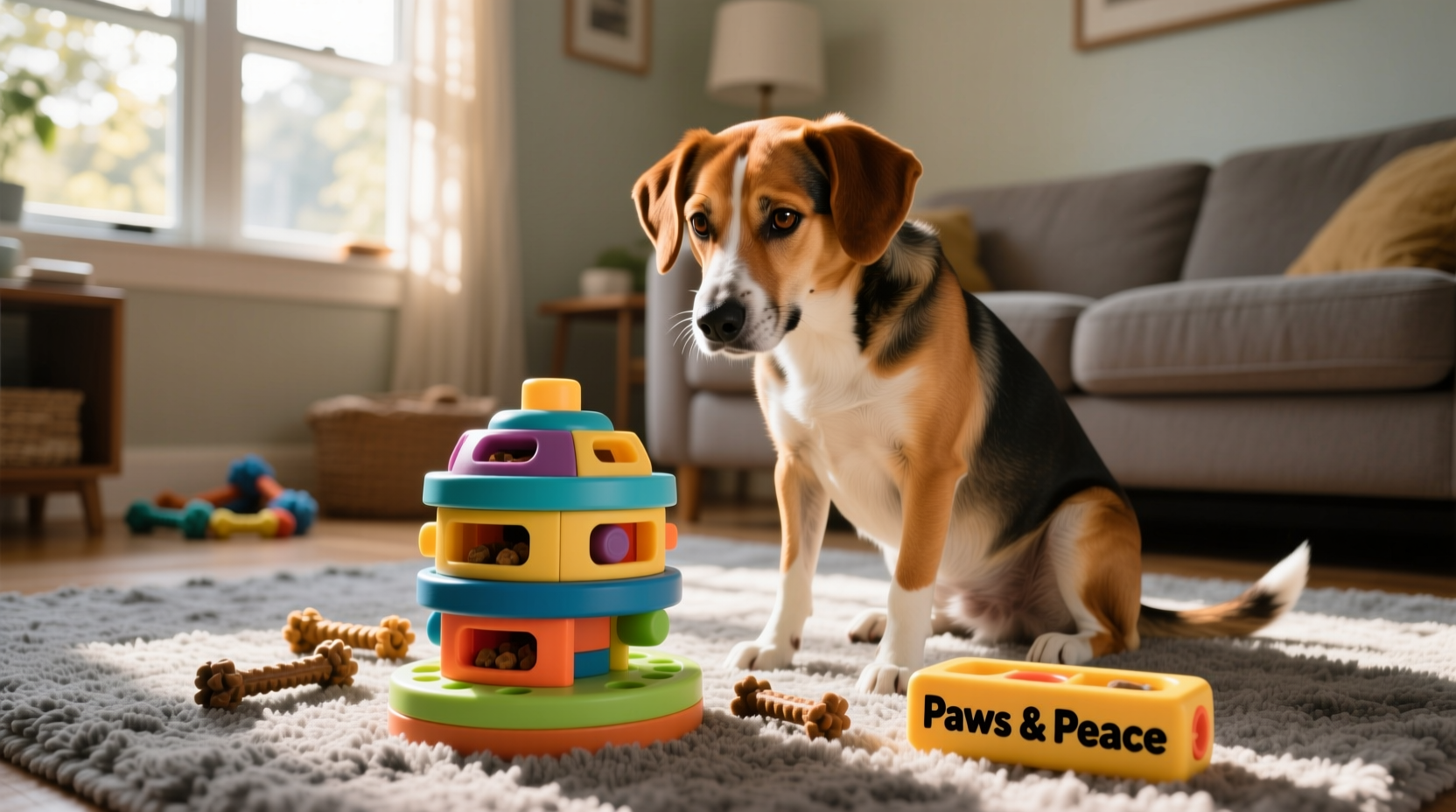
Anxiety in dogs often stems from under-stimulation, lack of control over their environment, or separation distress. When a dog feels overwhelmed, their brain defaults to repetitive behaviors—like chewing or circling—as a form of self-soothing. Mental engagement through puzzle toys interrupts this cycle by activating the prefrontal cortex, the area responsible for focus and decision-making.
Studies have shown that dogs engaged in food-based cognitive tasks exhibit lower cortisol levels—the primary stress hormone—compared to those left idle. A 2020 study published in *Applied Animal Behaviour Science* found that shelter dogs given access to interactive feeders showed significantly reduced signs of stress, including less pacing and vocalization.
The act of searching, nudging, sliding, or flipping parts of a puzzle mimics natural foraging behaviors. This taps into what ethologists call “species-typical activity,” which satisfies deep-rooted instincts and provides a sense of accomplishment. For anxious dogs, this structured outlet replaces chaos with purpose.
Top 5 Puzzle Toys Proven to Reduce Destructive Behavior
Based on veterinary recommendations, trainer feedback, and owner-reported outcomes, these five puzzle toys stand out for their ability to soothe anxious dogs and minimize destructive habits.
- Nina Ottosson Dog Worker – This multi-tiered wooden puzzle features sliding blocks, rotating discs, and hidden compartments. Its progressive difficulty allows owners to start simple and gradually increase complexity as confidence builds. Ideal for medium to high-energy breeds prone to boredom-induced destruction.
- Outward Hound Hide-A-Squirrel – A plush toy set with squeaky squirrels that nest inside a tree trunk. Dogs must pull out each squirrel to release treats. The tactile and auditory feedback helps redirect obsessive licking or chewing onto a constructive target.
- StarMark Bob-A-Lot – A weighted, wobbling treat dispenser that moves unpredictably when pushed. Its erratic motion captivates anxious dogs without requiring advanced problem-solving. Great for dogs who get frustrated easily with static puzzles.
- Kong Classic with Peanut Butter Stuffing – Though not a traditional puzzle, freezing a Kong filled with peanut butter (xylitol-free) creates a long-lasting challenge. The licking action triggers endorphin release, providing both mental engagement and physiological calming.
- CleverPet HyperFetch – A tech-powered option that uses lights and sound cues to guide dogs through progressively harder challenges. Best suited for tech-comfortable owners and dogs already comfortable with basic commands.
Choosing the Right Toy: A Behavioral Checklist
Selecting a puzzle toy isn’t about novelty—it’s about function. Use this checklist to ensure the toy supports emotional regulation:
- ✅ Adjustable difficulty level (starts easy, scales up)
- ✅ Safe materials (non-toxic, chew-resistant)
- ✅ Treat-compatible (allows kibble, wet food, or pastes)
- ✅ Predictable movement (avoids sudden loud noises)
- ✅ Size-appropriate (not a choking hazard)
- ✅ Easy to clean (prevents bacterial buildup)
- ✅ Matches your dog’s primary anxiety trigger (e.g., separation, noise phobia)
Real Example: Reducing Crate Chewing in a Rescue Terrier
Max, a 2-year-old Jack Russell Terrier rescued from a hoarding situation, exhibited severe crate anxiety. He would chew through plastic bowls, scratch at walls, and bark incessantly within minutes of being crated. His adoptive family tried white noise machines and calming sprays with limited success.
Under the guidance of a certified canine behaviorist, they introduced the StarMark Bob-A-Lot filled with soaked kibble and frozen yogurt. Initially, Max knocked it around aggressively, but within three days, he began interacting with it methodically. By week two, he spent 20–30 minutes focused on extracting food, followed by extended periods of rest.
After four weeks of consistent use—paired with gradual crate desensitization—Max stopped chewing entirely during confinement. His owners reported that the toy gave him a “job” to do, transforming the crate from a prison into a space of engagement and safety.
“Puzzle toys are not distractions—they’re functional tools that give anxious dogs agency. When a dog solves a problem, they gain confidence, which directly reduces fear-based destruction.” — Dr. Lena Torres, DVM, Certified Veterinary Behaviorist
Step-by-Step Guide: Integrating Puzzle Toys into Daily Routine
Introducing puzzle toys incorrectly can backfire, leading to frustration or disinterest. Follow this timeline to build positive associations and lasting impact.
- Day 1–3: Open Access Introduction
Leave a simple puzzle (e.g., a flat slide-and-find tray) out with no barriers. Fill it with high-value treats placed visibly on top. Let your dog discover it naturally during calm times. - Day 4–7: Guided Engagement
Sit nearby and encourage interaction with verbal praise. Gently demonstrate how to nudge a piece if needed. Reward any attempt to engage, even accidental ones. - Week 2: Increase Challenge Gradually
Switch to a slightly harder version or hide treats deeper. Monitor body language—ears back, lip licking, or walking away indicate stress. Scale back if necessary. - Week 3–4: Strategic Placement
Use the toy proactively before known stressors (e.g., before leaving the house). Pair it with a cue like “Find it!” to create a conditioned response. - Ongoing: Rotate Toys Weekly
Prevent habituation by cycling through 3–4 different types. Rotation maintains novelty and prevents burnout.
Comparison Table: Puzzle Toy Features for Anxious Dogs
| Toy Name | Best For | Difficulty Level | Cleaning Method | Anxiety Suitability |
|---|---|---|---|---|
| Nina Ottosson Dog Worker | Problem-solvers, high-drive breeds | Medium to High | Hand wash only (wood) | Moderate anxiety (needs focus) |
| Outward Hound Hide-A-Squirrel | Dogs who love plush toys | Low to Medium | Machine wash (remove squeakers) | High anxiety (tactile comfort) |
| StarMark Bob-A-Lot | Easily frustrated dogs | Low | Dishwasher safe (top rack) | Severe anxiety (motion engagement) |
| Kong Classic | All dogs, especially chewers | Adjustable (via stuffing) | Dishwasher safe | Any anxiety level (versatile) |
| CleverPet HyperFetch | Tech-savvy owners, obedient dogs | Progressive (levels 1–10) | Wipe down with damp cloth | Mild to moderate (structured learning) |
Frequently Asked Questions
Can puzzle toys replace anxiety medication?
No, puzzle toys should complement—not replace—professional treatment. They are most effective when used alongside behavioral training, environmental management, and, if prescribed, medication. Always consult your veterinarian before adjusting any treatment plan.
My dog ignores the puzzle. What am I doing wrong?
Lack of interest often means the toy is too hard, the reward isn’t enticing enough, or the dog feels pressured. Start with an open, easy version and use high-value treats like boiled chicken or cheese. Let your dog approach on their own terms. Patience is key—some dogs take days to engage.
How long should my dog play with a puzzle toy?
Aim for 10–30 minutes per session, depending on focus level. Overuse can lead to fatigue or obsession. Limit sessions to 1–2 times daily, ideally before stressful events or during downtime.
Final Thoughts: Turning Anxiety into Achievement
Puzzle toys are more than clever gadgets—they’re therapeutic tools that empower anxious dogs to regain emotional balance. When chosen wisely and introduced thoughtfully, they transform destructive impulses into constructive problem-solving. The reduction in chewing, barking, and restlessness isn’t coincidental; it’s the result of a mind engaged, challenged, and ultimately calmed.
The journey begins with observation: notice what soothes your dog, what frustrates them, and where their focus naturally goes. From there, match the toy to the temperament, not the trend. Whether it’s a wobbling Bob-A-Lot or a stuffed Kong, consistency matters more than complexity.




 浙公网安备
33010002000092号
浙公网安备
33010002000092号 浙B2-20120091-4
Comments
No comments yet. Why don't you start the discussion?