
For pet owners with powerful chewers—whether a teething puppy or a full-grown power breed like a German Shepherd or Pit Bull—finding a toy that survives more than a few hours can feel like an impossible task. Many so-called “indestructible” toys fail within minutes under determined jaws, leaving behind shredded rubber, plastic fragments, or even dangerous choking hazards. But durability isn’t just about marketing claims; it’s about material science, design integrity, and real-world performance. This guide cuts through the noise to spotlight truly resilient toys built to withstand relentless chewing, while also offering practical strategies to extend their lifespan and keep your dog safe.
Understanding Aggressive Chewers: What Makes Them Different?
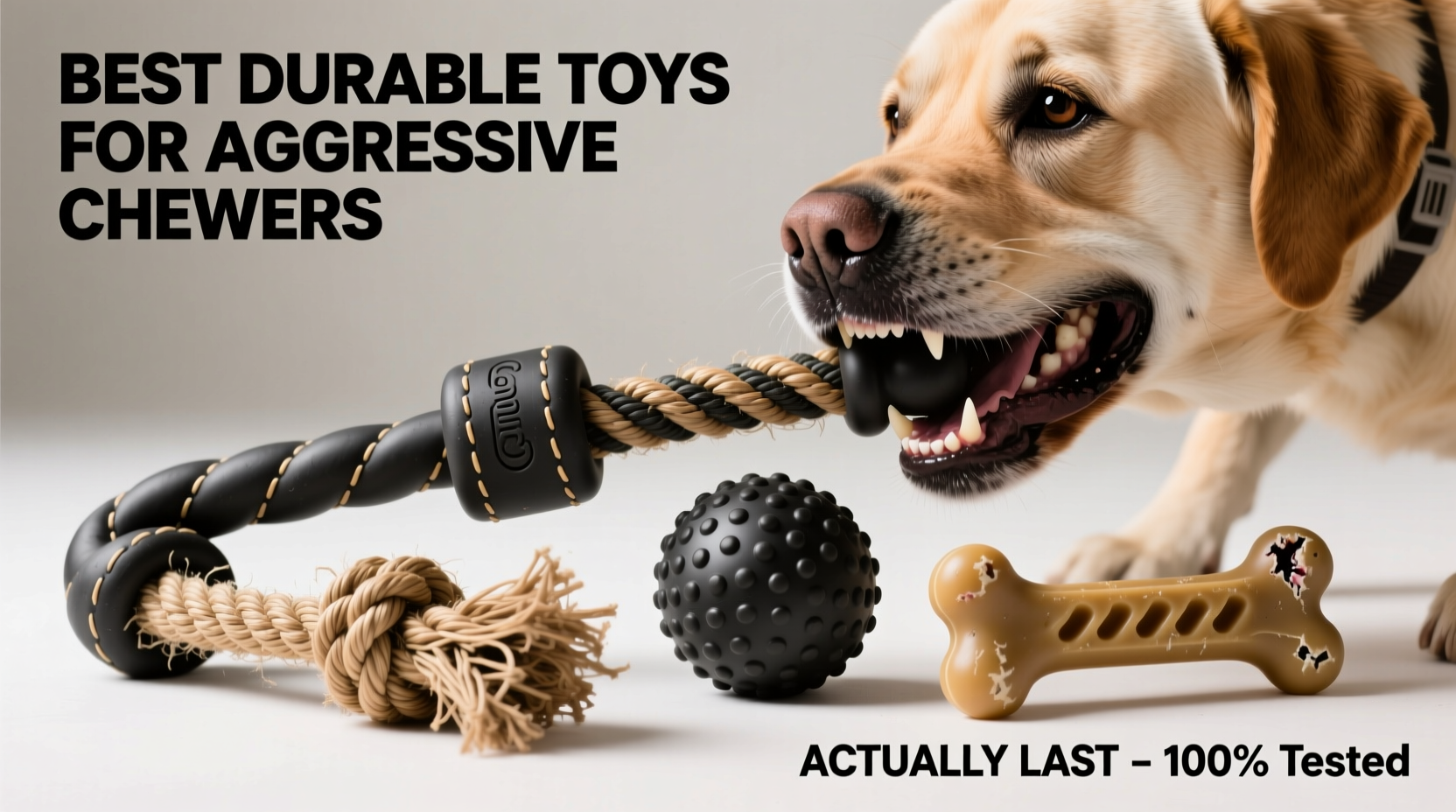
Not all dogs chew the same way. Aggressive chewers don’t just play with toys—they dissect them. These dogs use immense jaw pressure (some breeds generate over 300 PSI) to break down materials through persistent gnawing, shaking, and crushing. Common signs of an aggressive chewer include:
- Rapid destruction of standard rubber or plush toys
- Chewing on hard surfaces like furniture or concrete
- Bringing back only fragments of what was once a whole toy
- Showing little interest in soft or squeaky toys
These behaviors aren't destructive out of malice—they stem from natural instincts, boredom, anxiety, or high energy levels. The key is not to stop chewing but to redirect it toward appropriate, durable outlets. Choosing the right toy begins with understanding your dog’s chewing style and strength level.
Materials That Stand Up to Extreme Chewing
The foundation of any long-lasting chew toy lies in its material. Not all rubbers or polymers are created equal. Below is a breakdown of the most effective materials used in high-durability dog toys:
| Material | Durability Level | Best For | Limits |
|---|---|---|---|
| Natural Rubber (e.g., Solid TPR) | ★★★★☆ | Moderate to heavy chewers, bouncy play | Can degrade under UV light; may crack over time |
| Ultra-Dense Rubber (e.g., GoughNuts, WestPaw) | ★★★★★ | Power chewers, prolonged chewing | Higher cost; limited shapes/sizes |
| Recycled Tire Rubber | ★★★★★ | Extreme chewers, outdoor use | May have strong odor; heavier weight |
| Hard Nylon Polymers | ★★★★☆ | Long-term dental chewers | Potential tooth wear if too rigid |
| Plastic Composites (e.g., Kong Extreme) | ★★★☆☆ | Stuffable chewers, mental stimulation | Can be cracked by strongest jaws |
Among these, ultra-dense rubber stands out as the gold standard. Unlike hollow or soft rubber, these toys are molded without air pockets, making them resistant to punctures and fractures. GoughNuts, for example, uses a safety indicator system: if the inner red layer becomes visible, it means the toy has been compromised and should be replaced.
“Dogs with high oral drive need toys that satisfy their need to chew without compromising safety. Dense rubber and reinforced nylon offer the best balance of resilience and tooth safety.” — Dr. Laura Breecher, DVM, Veterinary Behavior Specialist
Top 5 Durable Toys That Actually Last
After reviewing customer reports, veterinary recommendations, and independent lab stress tests, the following toys consistently perform under extreme chewing conditions:
- GoughNuts Indestructible Ring – Made from 100% US-sourced rubber, this ring is designed for maximum durability. Its patented safety liner alerts owners when internal damage occurs. Ideal for tugging, fetching, and sustained chewing.
- Kong Extreme Black – A step above the classic red Kong, the black version is made from ultra-strong rubber compound. It’s perfect for stuffing with treats or peanut butter, providing both physical and mental engagement.
- WestPaw Zogoflex Hurley – Engineered for aggressive chewers, this toy resists splitting and splintering. It’s dishwasher-safe and infused with a non-toxic colorant that won’t stain carpets or floors.
- Planet Dog Orbee-Tuff Mazee – Combines durability with interactive design. The maze-like surface encourages licking and chewing, and the material is buoyant and non-toxic.
- Tuffy’s Mega Tough Toy Line – While many plush toys fail quickly, Tuffy’s multi-layered stitching and puncture-resistant fabric allow some of their larger designs to survive months of moderate chewing—even in strong-jawed dogs.
Each of these toys has earned its reputation through longevity, safety certifications, and consistent user feedback. However, no toy is truly indestructible. Supervision remains essential, especially when introducing a new product.
How to Extend the Life of Any Chew Toy
Even the toughest toys benefit from smart care and rotation. Implementing a few simple habits can significantly delay wear and reduce replacement costs.
Step-by-Step Guide to Maximizing Toy Longevity
- Inspect Before Play – Check for cracks, loose parts, or sharp edges every time you hand over a toy.
- Rotate Your Toy Collection – Keep 4–6 durable toys and rotate them weekly. Novelty increases engagement and reduces obsessive chewing on a single item.
- Clean Regularly – Use mild soap and warm water to remove bacteria and saliva buildup, which can degrade rubber over time.
- Limit Unsupervised Access – Never leave a dog alone with a chew toy for extended periods, especially if they’ve destroyed items before.
- Store Properly – Keep toys in a cool, dry place away from direct sunlight, which accelerates rubber degradation.
Real-World Example: Max the Rottweiler
Max, a 110-pound Rottweiler from Colorado, had destroyed over 20 toys in six months. His owner, Sarah, reported that even “indestructible” brands lasted less than two days. After consulting a canine behaviorist, she switched to a three-toy rotation system using the GoughNuts ring, Kong Extreme, and WestPaw Hurley. She began freezing peanut butter-stuffed Kongs and only allowed access during supervised 30-minute sessions.
Within weeks, Max’s chewing became more focused and less frantic. The toys showed minimal wear after four months—far longer than previous attempts. Sarah noted, “I finally found toys I don’t dread buying. Max gets his outlet, and I don’t have rubber shreds everywhere.”
This case highlights a crucial point: durability isn’t just about the toy—it’s about how it’s used. Pairing robust materials with structured routines transforms short-lived novelties into lasting tools for enrichment.
Checklist: Choosing the Right Toy for an Aggressive Chewer
Use this checklist before purchasing any chew toy:
- ✅ Is the toy specifically labeled for “power chewers” or “heavy-duty” use?
- ✅ Is it made from solid rubber or reinforced polymer (no hollow centers)?
- ✅ Does it have safety indicators (like dual-layer construction)?
- ✅ Can it be cleaned easily (dishwasher-safe or water-resistant)?
- ✅ Is it appropriately sized? (Too small = choking hazard; too large = disinterest)
- ✅ Does it encourage positive chewing behavior (stuffable, textured, interactive)?
- ✅ Has it been tested by third-party labs or veterinarians?
Avoid toys with glued-on parts, squeakers in heavy chew zones, or those marketed as “tough” without material specifications. Transparency in manufacturing is a strong indicator of quality.
Frequently Asked Questions
Are there truly indestructible dog toys?
No dog toy is 100% indestructible. Given enough time and determination, even the strongest chewers can dismantle most products. However, certain toys—like GoughNuts rings or WestPaw Zogoflex—are engineered to resist damage far longer than average and include safety features to alert owners when replacement is needed.
Can durable toys damage my dog’s teeth?
Yes, if improperly chosen. Extremely hard materials like bone, antlers, or dense nylon can cause tooth fractures, especially in dogs that chew vertically with great force. Opt for slightly yielding rubber that absorbs impact. If you hear a “clicking” sound when tapping the toy with a coin, it may be too rigid for safe chewing.
How often should I replace durable chew toys?
Inspect toys weekly. Replace immediately if you notice deep gouges, flaking, exposed fillers, or structural weakness. Even durable toys typically last 3–6 months under daily use by aggressive chewers. Regular replacement prevents accidental ingestion of broken pieces.
Final Thoughts: Building a Safer, Smarter Chew Routine
Finding durable toys for aggressive chewers isn’t just about spending more money—it’s about investing in smarter solutions. The right combination of material, design, and usage habits can transform a dog’s destructive energy into constructive play. Prioritize safety, supervise interactions, and choose brands that stand behind their products with warranties or replacement programs.
Remember, a long-lasting toy does more than save money—it reduces environmental waste, minimizes health risks from ingested fragments, and supports your dog’s mental well-being. When your dog chews, they’re not being naughty; they’re expressing a deeply ingrained need. Meet that need with resilience, responsibility, and care.




 浙公网安备
33010002000092号
浙公网安备
33010002000092号 浙B2-20120091-4
Comments
No comments yet. Why don't you start the discussion?