
Fleas are more than just a nuisance—they can cause severe discomfort, allergic reactions, and even transmit diseases to young puppies. As a pet parent, protecting your puppy from these parasites is essential. However, not all flea control methods are safe for young dogs. Puppies have delicate skin, developing immune systems, and lower body weight, making them more vulnerable to harsh chemicals. This makes choosing the right flea collar critical—not only must it work, but it must also be gentle enough to avoid irritation or toxicity.
The market is flooded with flea collars, many of which contain strong pesticides like tetrachlorvinphos or propoxur—ingredients that the Environmental Protection Agency (EPA) has flagged as potentially harmful, especially for small animals. For puppies under 12 weeks old, some products are outright unsafe. That’s why selecting a flea collar requires careful research, veterinary guidance, and an understanding of active ingredients, duration of protection, and physical comfort.
This guide focuses on identifying flea collars that strike the ideal balance: proven effectiveness against fleas and ticks without compromising your puppy’s health. From natural formulations to vet-recommended brands, we’ll explore what works, what doesn’t, and how to use these tools safely during your puppy’s early months.
Understanding Puppy-Safe Flea Control
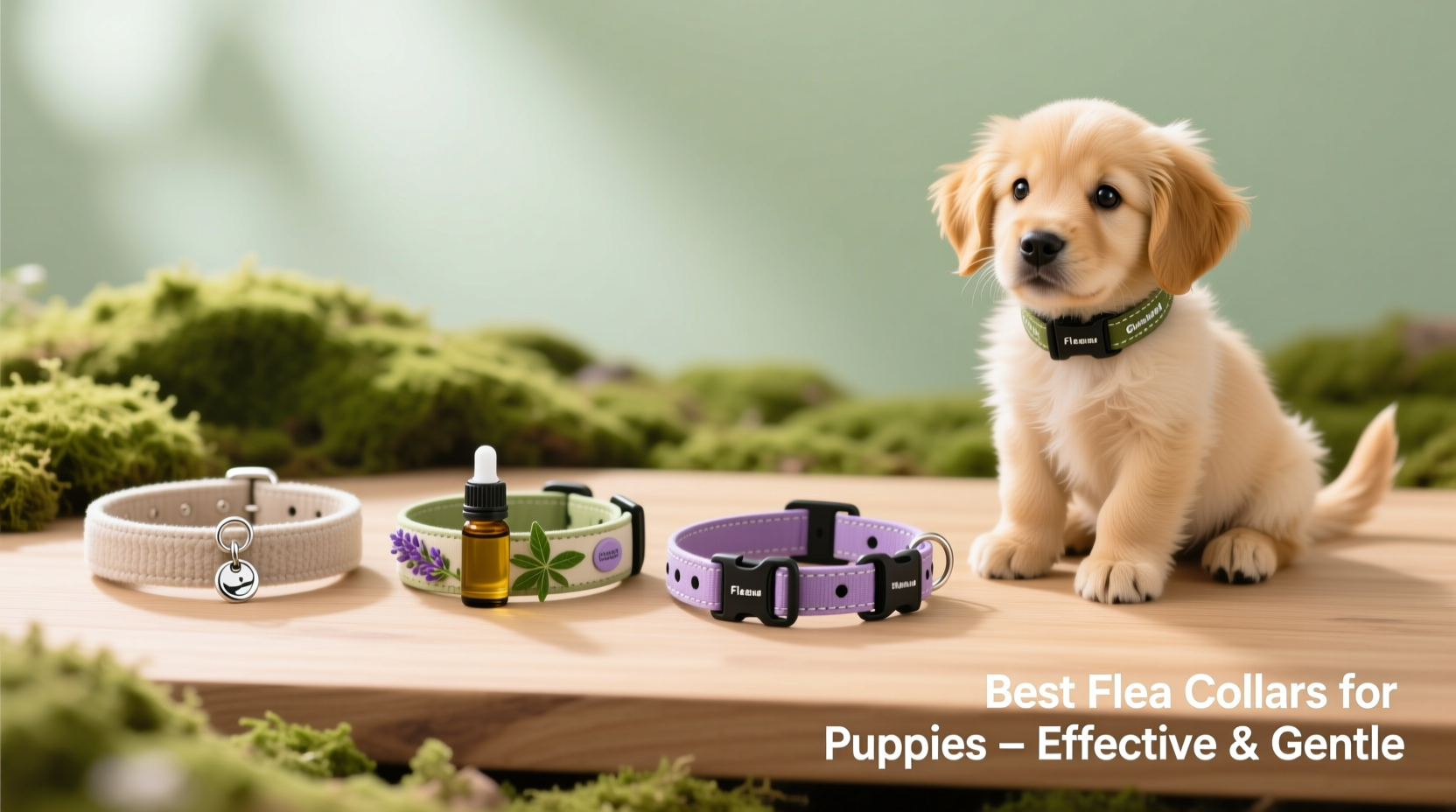
Puppies typically begin to face flea exposure around 6–8 weeks of age, especially if they come from shelters, breeders, or outdoor environments. Traditional flea treatments designed for adult dogs often contain concentrations too high for young pups. The American Veterinary Medical Association (AVMA) advises caution when using any topical or oral parasiticide on puppies under 8 weeks unless specifically labeled for their age and weight.
Flea collars offer a convenient alternative to monthly spot-ons or oral medications, particularly for owners who may forget doses. However, not all collars are created equal. Some release insecticides gradually through the puppy’s coat and skin oils, while others rely on vapor action to repel pests before they bite. The safest options use low-toxicity compounds such as imidacloprid, flumethrin, or natural essential oils in controlled amounts.
A key consideration is whether the collar targets both fleas and ticks. Ticks pose serious risks, including Lyme disease and ehrlichiosis, so dual protection is highly recommended in endemic areas. Duration matters too—some collars last only 30 days, while newer models provide up to 8 months of continuous defense.
Top 5 Gentle Yet Effective Flea Collars for Puppies
After reviewing clinical studies, veterinary recommendations, and customer feedback, the following five flea collars stand out for their combination of safety, efficacy, and longevity. Each is suitable for puppies meeting specific age and weight criteria, typically starting at 7–8 weeks old.
| Product | Active Ingredients | Protection Duration | Minimum Age | Key Benefits |
|---|---|---|---|---|
| Seresto Puppy Collar | Imidacloprid, Flumethrin | 8 months | 7 weeks | Water-resistant, odorless, no greasy residue |
| Vet’s Best Flea & Tick Collar | Peppermint, Citronella, Geraniol (natural oils) | 4 months | 12 weeks | Chemical-free, hypoallergenic, biodegradable materials |
| Hartz UltraGuard Plus | Tetrachlorvinphos, Deltamethrin | 7 months | 12 weeks | Budget-friendly, widely available |
| Adams Plus Flea & Tick Collar | Methoprene, Deltamethrin | 7 months | 12 weeks | Kills flea eggs and larvae, affordable |
| Preventic Delux Tick Collar | Amitraz | 3 months | 12 weeks | Highly effective against ticks only |
The Seresto collar consistently ranks highest among veterinarians due to its sustained release technology and broad-spectrum protection. It uses two active ingredients—imidacloprid to kill adult fleas and flumethrin to repel and eliminate ticks. Unlike older collars that rely on surface transfer, Seresto distributes the agents via the puppy’s lipid layer, minimizing direct contact with the skin.
In contrast, Vet’s Best offers a plant-based option ideal for owners avoiding synthetic chemicals. While slightly less potent than medicated collars, it provides reliable prevention in low-exposure environments. Its main limitation is reduced effectiveness in heavy infestation zones or tick-prone regions.
“Choosing a flea collar isn’t just about killing pests—it’s about matching the product to your puppy’s developmental stage and lifestyle.” — Dr. Laura Chen, DVM, Small Animal Parasitology Specialist
How to Safely Apply and Monitor a Flea Collar
Even the gentlest collar can cause issues if used incorrectly. Proper fit, placement, and observation are crucial during the first few days after application. Follow this step-by-step process to ensure safety and effectiveness.
- Check Age and Weight Requirements: Confirm your puppy meets the manufacturer’s minimum standards. Never use a collar designed for larger or older dogs.
- Inspect the Neck Area: Look for cuts, rashes, or existing irritation. A compromised skin barrier increases the risk of adverse reactions.
- Adjust the Fit: Slide the collar under two fingers snugly. It should not constrict breathing nor slip over the ears easily.
- Cut Excess Length: Trim any dangling portion to prevent chewing or entanglement, especially in playful puppies.
- Monitor for 48 Hours: Watch for signs of redness, scratching, lethargy, vomiting, or unusual behavior.
- Recheck Weekly: Gently move the collar aside to examine the skin beneath. Rotate the position daily if possible.
If your puppy shows signs of an allergic reaction—such as swelling, hives, or excessive drooling—remove the collar immediately and consult your veterinarian. Mild itching for the first 24 hours may be normal as the product disperses, but persistent discomfort is not.
Common Mistakes to Avoid When Using Flea Collars
Many well-meaning pet owners unintentionally compromise their puppy’s safety by overlooking simple precautions. These common errors reduce effectiveness and increase health risks:
- Using adult dog collars on puppies: Dosages aren’t scalable—what’s safe for a 50-pound dog can overdose a 5-pound pup.
- Doubling up: Combining a flea collar with another parasite treatment (e.g., topical or oral) can lead to toxic buildup.
- Ignoring water exposure: Some collars lose potency when wet; others require reactivation. Know your product’s water resistance rating.
- Leaving the collar on past expiration: Expired collars may degrade into harmful byproducts or fail to protect.
- Not checking for chew damage: Puppies may bite the collar, ingesting chemicals or risking intestinal blockage.
A real-world example illustrates this: A client brought in a 9-week-old Chihuahua with tremors and hypersalivation. The owner had applied a standard Hartz collar meant for dogs over 12 weeks, thinking “a little won’t hurt.” The puppy was suffering from mild pesticide toxicity. After supportive care and collar removal, the pup recovered—but the incident underscores the importance of strict adherence to labeling.
Expert-Recommended Alternatives and Complementary Measures
While flea collars are convenient, they’re not the only tool in parasite prevention. In high-risk environments or for puppies with sensitive skin, integrating multiple strategies enhances protection without overloading the system.
Dr. Chen recommends combining a gentle collar with regular grooming and environmental control: “Brush your puppy weekly with a fine-toothed flea comb. Dip the comb in soapy water to kill captured fleas. Wash bedding in hot water weekly and vacuum carpets frequently, paying attention to baseboards and furniture crevices where flea eggs hide.”
For households with recurring infestations, consider pairing a natural collar like Vet’s Best with a vet-approved oral medication such as nitenpyram (Capstar), which kills adult fleas within 30 minutes. This combo allows for immediate relief and long-term prevention without overlapping chemical classes.
Natural sprays containing cedar oil or lemongrass can also supplement collar use, especially during peak flea season (late summer to early fall). Spray lightly on toys and resting areas—but never directly on puppies under 12 weeks without veterinary approval.
When to Consult Your Veterinarian
Before introducing any flea control product, discuss your puppy’s medical history with your vet. Puppies with epilepsy, liver conditions, or previous skin allergies may react unpredictably to certain ingredients. Amitraz, for instance, can lower blood sugar and should be avoided in diabetic or hypoglycemic animals.
Your vet may recommend a prescription-grade collar or alternative method based on your region’s parasite prevalence. In tick-heavy areas like the Northeastern U.S., a flumethrin-based collar may be non-negotiable for Lyme disease prevention.
Frequently Asked Questions
Can I use a flea collar on a puppy younger than 8 weeks?
Generally, no. Most manufacturers and veterinarians advise against using any chemical flea control on puppies under 8 weeks old. At this stage, manual removal with a flea comb and thorough cleaning of the environment are safer options. Consult your vet before using any product on very young puppies.
Are natural flea collars as effective as medicated ones?
Natural collars tend to be less potent and have shorter durations of protection. They work best in low-exposure settings or as part of a broader prevention plan. If you live in an area with high flea or tick pressure, a vet-recommended medicated collar like Seresto is more reliable.
What should I do if my puppy chews the collar?
Remove the collar immediately and check for signs of poisoning—vomiting, drooling, shaking, or difficulty walking. Contact your vet or the ASPCA Animal Poison Control Center (888-426-4435) right away. Bring the product packaging to help identify active ingredients.
Final Checklist Before Buying a Flea Collar
- ✅ Confirmed minimum age and weight compatibility
- ✅ Active ingredients reviewed for safety (avoid organophosphates)
- ✅ Dual protection against fleas and ticks if needed
- ✅ Water-resistant or reactivatable if your puppy swims or gets bathed often
- ✅ Adjustable fit with secure clasp
- ✅ Positive reviews from other puppy owners and veterinary endorsement
- ✅ Easy-to-remove design in case of adverse reaction
Conclusion: Prioritize Safety Without Sacrificing Protection
Protecting your puppy from fleas doesn’t mean choosing between effectiveness and gentleness. With informed decisions, quality products, and vigilant monitoring, you can safeguard your pet’s health from day one. The best flea collars for puppies deliver consistent, long-lasting defense while respecting their developing bodies. Whether you choose a scientifically engineered option like Seresto or a botanical alternative like Vet’s Best, always prioritize label compliance, proper fit, and ongoing observation.
Your puppy’s comfort and safety depend on thoughtful choices today. Take the time to research, consult your veterinarian, and implement a holistic approach to parasite control. By doing so, you’re not just preventing itching—you’re supporting a healthier, happier start to life.




 浙公网安备
33010002000092号
浙公网安备
33010002000092号 浙B2-20120091-4
Comments
No comments yet. Why don't you start the discussion?