
For millions of people living with allergies, a good night’s sleep often feels out of reach. Dust mites, pet dander, mold spores, and chemical residues in conventional bedding can trigger sneezing, itchy skin, congestion, and disrupted rest. But suffering through discomfort doesn’t have to be the price of comfort. Today’s hypoallergenic bedding market offers high-performance solutions that don’t sacrifice softness, breathability, or elegance. The right bedding set can create a sanctuary—free from allergens and rich in sensory luxury.
The key lies in understanding what makes bedding truly hypoallergenic and how premium materials like organic cotton, TENCEL™, and tightly woven microfiber contribute to both health and indulgence. This guide explores top-rated bedding sets designed specifically for allergy sufferers who refuse to compromise on quality or comfort.
What Makes Bedding Hypoallergenic?
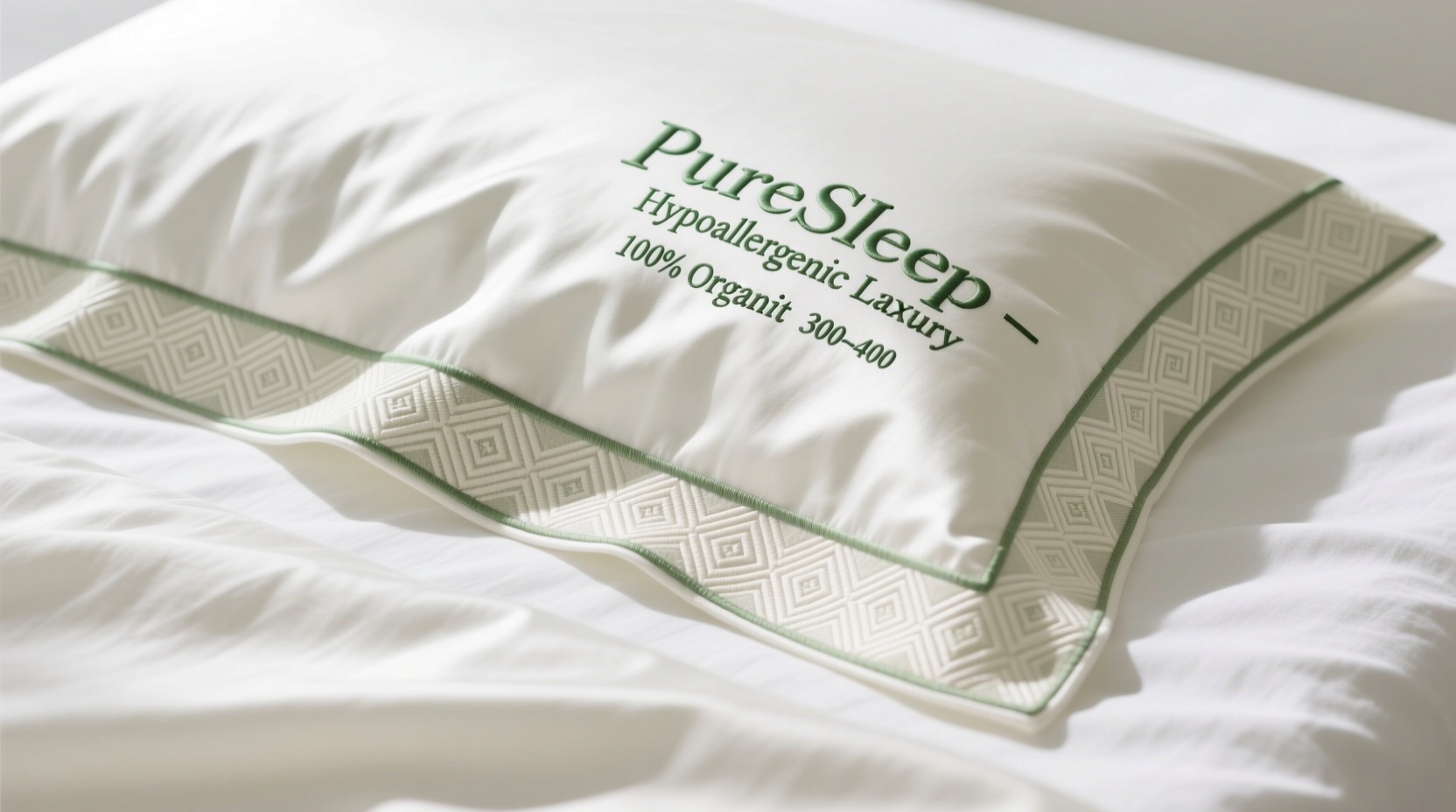
Hypoallergenic bedding is engineered to minimize exposure to common allergens. It’s not just about being “gentle” on the skin—it’s about creating a physical and chemical barrier against irritants. True hypoallergenic performance comes from three core elements: material composition, weave density, and manufacturing processes.
- Material origin: Natural fibers like organic cotton and TENCEL™ are inherently less likely to trap allergens and are grown without synthetic pesticides.
- Weave tightness: A high thread count (typically 300–600) with a sateen or percale weave reduces pore size, making it harder for dust mites and pollen to penetrate.
- Treatment-free processing: Avoidance of formaldehyde, chlorine bleach, and synthetic dyes ensures the fabric won’t emit volatile organic compounds (VOCs) that can irritate sensitive airways.
“Hypoallergenic bedding should act as a protective cocoon. It’s not enough to be soft—it must also block allergens at the microscopic level.” — Dr. Lena Peterson, Board-Certified Allergist & Immunologist
Top 5 Hypoallergenic Bedding Sets That Feel Luxurious
Luxury and allergen protection are no longer mutually exclusive. The following bedding sets combine medical-grade defense with hotel-inspired comfort. Each has been evaluated based on material integrity, user reviews, dermatologist recommendations, and tactile performance.
| Product Name | Material | Thread Count | Allergy Protection Features | Luxury Qualities |
|---|---|---|---|---|
| Boll & Branch Hemlock Sateen Sheet Set | Organic Cotton (GOTS-certified) | 400 | Dust mite resistant, no synthetic dyes, breathable | Buttery sateen finish, temperature-regulating |
| Parachute Eucalyptus Sheet Set | TENCEL™ Lyocell (OEKO-TEX® certified) | N/A (fiber density equivalent to 300+ TC) | Naturally antimicrobial, resists bacteria and mold | Ultra-soft, cooling, eco-luxe feel |
| AllerEase Ultra Plush Mattress Encasement + Sheet Set | Polyester microfiber with allergen barrier membrane | 1,000+ effective barrier | Blocks dust mites, bed bugs, pet dander; zippered encasement | Plush top layer, quiet fabric, seamless fit |
| Brooklinen Luxe Core Sheet Set | Long-staple Egyptian cotton | 480 | Hypoallergenic weave, OEKO-TEX® certified | Hotel-quality softness, excellent drape and luster |
| American Blossom Linens Flax Linen Sheets | 100% European flax | N/A (natural low-thread-count durability) | Mold-resistant, wicks moisture, non-irritating | Rustic elegance, becomes softer with each wash |
Each of these sets offers a different kind of luxury—whether it’s the silky glide of sateen, the cool touch of eucalyptus fiber, or the relaxed sophistication of linen. What unites them is their commitment to clean, safe sleep.
How to Choose the Right Set for Your Needs
Selecting the ideal hypoallergenic bedding requires matching your specific sensitivities with the right material and construction. Consider the following factors before purchasing:
Allergen Type
If you're primarily sensitive to dust mites, opt for tightly woven fabrics or encasements with pore sizes under 10 microns. For chemical sensitivities, prioritize OEKO-TEX® or GOTS certification. Those with eczema or contact dermatitis benefit most from smooth, non-abrasive fibers like TENCEL™ or organic cotton.
Climate and Sleep Temperature
Hot sleepers should lean toward breathable materials such as TENCEL™ or linen, which wick moisture and regulate temperature. In cooler climates, sateen-weave organic cotton provides warmth without trapping allergens.
Texture Preference
Luxury is subjective. Some prefer crisp percale; others crave the sheen of sateen. Linen lovers enjoy a lived-in look, while perfectionists favor the polished finish of Egyptian cotton. Try sample swatches if available.
Step-by-Step Guide to Creating an Allergy-Safe Sleep Environment
Bedding is just one component of an allergen-minimized bedroom. Follow this sequence to build a truly restorative sleep space:
- Encase your mattress and pillows: Use zippered, allergen-proof covers certified to block dust mites and bed bugs. These should be the first line of defense.
- Choose certified hypoallergenic sheets: Select from the top-tier options listed above, ensuring they meet third-party safety standards.
- Wash bedding weekly: Use fragrance-free, dye-free detergent in hot water (at least 130°F) to kill dust mites and remove allergens.
- Control humidity: Maintain indoor humidity between 30% and 50% using a dehumidifier or AC to prevent mold growth.
- Vacuum with a HEPA filter: Clean floors and upholstered furniture twice weekly to reduce airborne allergens.
- Rotate seasonal bedding: Store off-season comforters in sealed, breathable containers to prevent dust accumulation.
“The bedroom should function like a filtered chamber. Every textile, from pillowcases to duvet covers, plays a role in air quality and skin health.” — Dr. Rajiv Mehta, Environmental Medicine Specialist
Real-World Example: Sarah’s Transformation from Restless Nights to Deep Sleep
Sarah, a 42-year-old teacher from Portland, struggled with year-round congestion and itchy eyes despite taking antihistamines. Her doctor suspected her bedding was contributing to her symptoms. After switching to the Parachute Eucalyptus Sheet Set and adding an AllerEase mattress encasement, she noticed improvements within two weeks.
“I used to wake up with a stuffy nose every morning,” she said. “Now, I sleep through the night. The sheets feel cool and silky—nothing like the scratchy ‘medical’ fabrics I expected. It’s the first time in years I’ve looked forward to bedtime.”
Sarah also began washing her bedding every Sunday in hot water and invested in an air purifier. Combined, these changes reduced her reliance on medication by over 70%, according to her allergist’s assessment.
Checklist: Building a Hypoallergenic Bedding Routine
Use this checklist to maintain a consistently clean and luxurious sleep environment:
- ☐ Replace old sheets with a certified hypoallergenic set
- ☐ Install allergen-proof mattress and pillow encasements
- ☐ Wash all bedding weekly in hot water with hypoallergenic detergent
- ☐ Dry bedding completely to prevent mold
- ☐ Vacuum around the bed weekly using a HEPA-equipped vacuum
- ☐ Rotate between two sets of sheets to extend fabric life
- ☐ Store extra bedding in breathable cotton bags, not plastic
- ☐ Replace pillows every 1–2 years, even if they appear intact
Frequently Asked Questions
Can hypoallergenic bedding eliminate my allergies?
No single product can cure allergies, but high-quality hypoallergenic bedding significantly reduces exposure to common triggers like dust mites and dander. When combined with other environmental controls, it can greatly lessen symptom frequency and severity.
Is higher thread count always better for allergy sufferers?
Not necessarily. While a tighter weave (300–600 thread count) blocks more allergens, excessively high counts (above 800) may compromise breathability and trap heat. Optimal protection comes from balanced weave density and natural fiber quality.
Are luxury hypoallergenic sheets worth the investment?
Yes. Premium sets often use superior yarns, ethical manufacturing, and rigorous testing. They last longer, feel better, and perform more reliably than budget alternatives. Over time, the cost per use is often lower due to durability and improved sleep quality.
Final Thoughts: Sleep Shouldn’t Come at the Cost of Comfort
Living with allergies doesn’t mean resigning yourself to stiff, clinical-feeling bedding. The latest advancements in textile science have made it possible to enjoy sumptuous, five-star comfort without inviting allergens into your personal space. Whether you choose silky TENCEL™, breathable linen, or impeccably woven organic cotton, the goal remains the same: uninterrupted, healthy sleep wrapped in everyday luxury.
The best hypoallergenic bedding sets do more than protect—they elevate your nightly ritual into a restorative experience. By investing in materials that care for your body as much as your senses, you reclaim control over your health and well-being—one peaceful night at a time.




 浙公网安备
33010002000092号
浙公网安备
33010002000092号 浙B2-20120091-4
Comments
No comments yet. Why don't you start the discussion?