
In an era where digital solutions dominate self-care, mental health apps have surged in popularity. With over 10,000 mental wellness apps available today, many promise relief from anxiety, depression, and stress. However, most are built on generic algorithms with little or no input from licensed professionals. The result? Apps that may feel engaging but lack clinical validity or long-term efficacy.
The most effective mental health tools are those developed in collaboration with psychologists, psychiatrists, and behavioral scientists. These apps integrate evidence-based practices like cognitive behavioral therapy (CBT), mindfulness, and dialectical behavior therapy (DBT) into structured, measurable experiences. They don’t just track mood—they help users understand it, respond to it, and grow from it.
This article highlights the top mental health apps that have earned recognition from clinical experts, peer-reviewed research, and real-world outcomes. Each has been evaluated not just for usability, but for therapeutic integrity and psychological grounding.
Why Psychologist-Backed Apps Matter
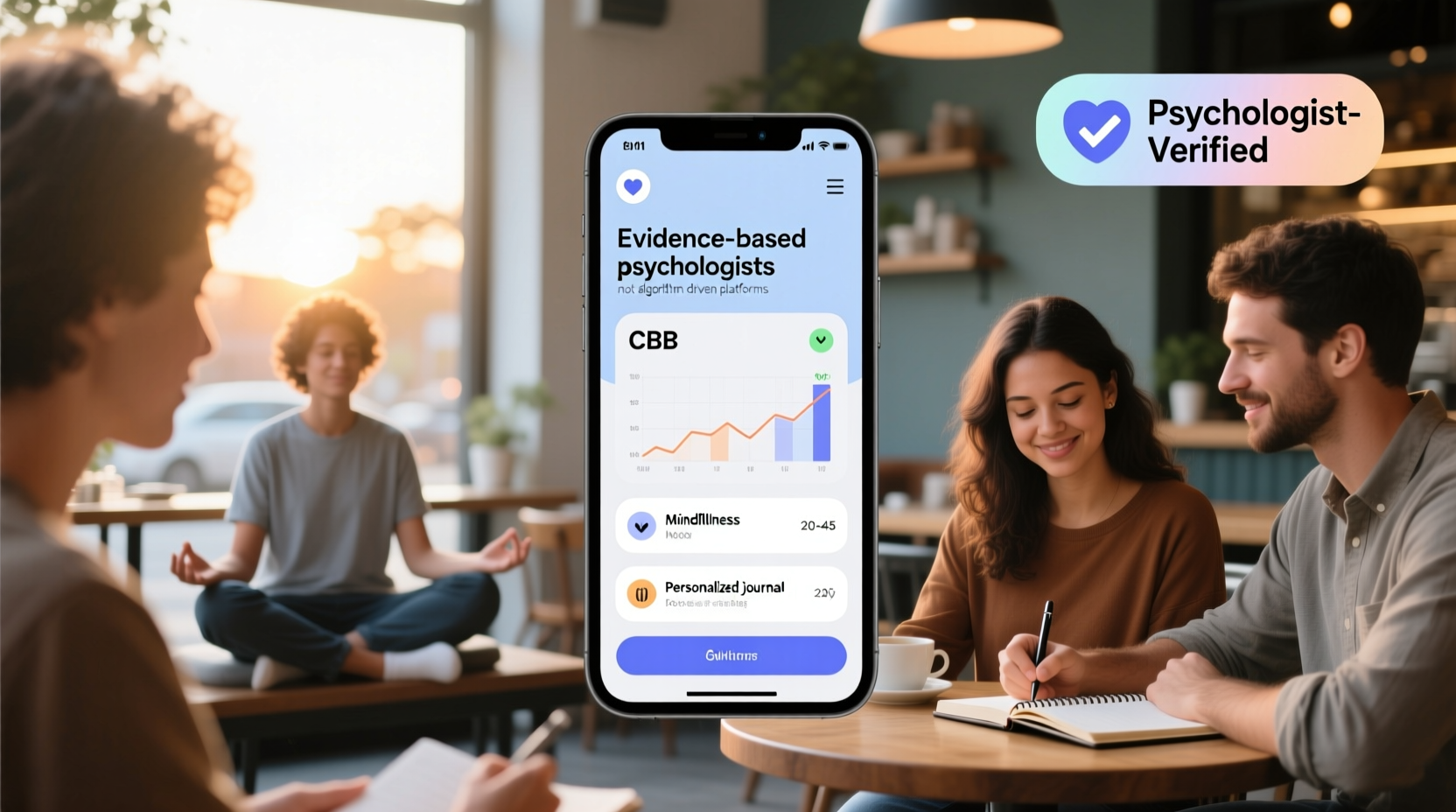
Not all mental health apps are created equal. Many rely on gamification, AI chatbots, or generalized advice pulled from self-help books. While these can offer temporary comfort, they often fail when users face complex emotional challenges. In contrast, apps co-developed with psychologists are designed with clinical frameworks at their core.
According to Dr. Lisa Firestone, a clinical psychologist and author:
“An app is only as good as the science behind it. When clinicians are involved from the start—designing interventions, validating tools, and testing outcomes—the user receives something closer to therapy than entertainment.”
Psychologist-backed apps typically include:
- Therapeutic modalities validated by decades of research (e.g., CBT, ACT, DBT)
- Tools calibrated to assess symptoms accurately
- Interventions tailored to individual needs based on clinical assessment
- Ongoing evaluation through user feedback and academic studies
These features distinguish them from algorithm-driven platforms that prioritize engagement metrics over mental health outcomes.
Top 5 Mental Health Apps Backed by Psychologists
The following apps stand out due to direct collaboration with licensed mental health professionals, integration of evidence-based techniques, and documented effectiveness in clinical settings.
1. Woebot – AI-Powered CBT with Clinical Oversight
Developed by Dr. Alison Darcy, a clinical psychologist formerly at Stanford University, Woebot uses conversational AI to deliver principles of cognitive behavioral therapy. Unlike generic chatbots, Woebot’s dialogue engine was designed with input from therapists and tested in randomized controlled trials.
A 2017 study published in JMIR Mental Health found that participants using Woebot for two weeks showed significant reductions in symptoms of depression and anxiety compared to a control group.
Key features:
- Daily check-ins with mood tracking
- Interactive CBT exercises
- Psychoeducation on thought patterns and emotional regulation
- No subscription required for core functionality
2. Sanvello – Clinically Validated Self-Care Platform
Originally launched as “Pacific,” Sanvello was co-created with input from psychologists and has since been used by millions. It combines guided journeys in CBT, mindfulness, and goal setting with clinically validated assessments.
The app includes a PHQ-9 depression screener and GAD-7 anxiety scale—tools commonly used in primary care and therapy settings. Progress is tracked over time, allowing users to identify patterns and share reports with their providers.
Sanvello has been studied in multiple clinical trials. One 2020 study in NPJ Digital Medicine showed a 42% improvement in anxiety symptoms among regular users after eight weeks.
3. Headspace Guide to Meditation (with Clinical Partnerships)
While primarily known for meditation, Headspace has partnered with institutions like the Mayo Clinic and Harvard Medical School to develop programs for stress reduction, sleep improvement, and focus enhancement.
Its “Managing Anxiety” and “Coping with Depression” packs were reviewed by clinical advisors and align with acceptance and commitment therapy (ACT) principles. Research funded by the company—but peer-reviewed—has shown measurable decreases in cortisol levels and perceived stress after consistent use.
Headspace also offers a corporate wellness version used in employee assistance programs, further validating its clinical utility.
4. MoodKit – Designed by Psychologists for Emotional Insight
MoodKit stands apart because it was explicitly created by two licensed psychologists, Dr. Randy A. Paterson and Patrick McGrath. Every tool within the app—from thought records to activity scheduling—is drawn directly from CBT manuals used in therapy.
Rather than relying on automation, MoodKit empowers users to actively engage with psychological strategies. For example, the “Thought Checker” helps users identify cognitive distortions like catastrophizing or black-and-white thinking.
The app does not collect personal data beyond what’s entered locally, emphasizing privacy and user control—key concerns in mental health tech.
5. Wysa – AI + Human Therapist Collaboration
Wysa blends AI-driven conversations with access to licensed coaches and psychologists. Its AI bot was trained using over 5 million anonymized therapy transcripts and refined with guidance from a global team of mental health professionals.
What sets Wysa apart is its tiered support model: users begin with free AI interactions, then can opt into coaching sessions led by certified practitioners. All coaches follow structured protocols rooted in CBT, DBT, and positive psychology.
A 2021 pilot study involving NHS patients in the UK reported a 68% reduction in anxiety severity among those using Wysa for six weeks alongside standard care.
| App | Clinical Foundation | Key Therapy Type | Free Tier? | Research Published? |
|---|---|---|---|---|
| Woebot | Stanford-affiliated psychologist | CBT | Yes | Yes |
| Sanvello | Peer-reviewed trials | CBT, Mindfulness | Yes (limited) | Yes |
| Headspace | Hospital partnerships | ACT, Mindfulness | Yes | Yes (sponsored) |
| MoodKit | Psychologist-developed | CBT | No (one-time purchase) | Limited |
| Wysa | NHS and clinician-reviewed | CBT, DBT | Yes | Yes |
How to Evaluate a Mental Health App Like a Professional
With so many options, it’s essential to know how to separate credible tools from digital placebos. Here’s a step-by-step guide used by clinicians when assessing mental health technology:
- Check for clinical advisory boards: Reputable apps often list mental health professionals on their website or in-app credits.
- Review cited research: Look for links to peer-reviewed studies or university collaborations. Be cautious of vague claims like “proven effective” without citations.
- Assess the methodology: Does the app use recognized therapies? If it mentions CBT, does it actually teach skills like cognitive restructuring?
- Evaluate data privacy: Apps handling sensitive emotional data should comply with HIPAA (U.S.) or GDPR (EU). Avoid those that sell anonymized data to third parties.
- Test the depth of interaction: Does the app respond meaningfully to user input, or simply cycle through scripted messages?
“Just because an app feels intuitive doesn’t mean it’s therapeutic. The best ones challenge unhelpful thinking—not just agree with you.” — Dr. John Grohol, founder of Psych Central
Real-World Example: Sarah’s Experience with Sanvello
Sarah, a 34-year-old project manager, struggled with chronic anxiety for years. She downloaded several mental health apps but found most too superficial. After her therapist recommended Sanvello, she began using its daily mood tracker and weekly CBT modules.
Within three weeks, she noticed a pattern: her anxiety spiked on Mondays after reviewing weekend emails. Using Sanvello’s “Cognitive Reframing” tool, she identified the automatic thought: “If I don’t respond immediately, everything will fall apart.” With guided prompts, she challenged this belief and replaced it with: “I can handle priorities during work hours.”
After two months, her GAD-7 score dropped from 15 (moderate anxiety) to 7 (mild). Her therapist noted improved coping strategies during sessions. “It wasn’t a replacement for therapy,” Sarah said, “but it gave me structure between appointments.”
Common Pitfalls to Avoid
Even well-designed apps can be misused. Here are common mistakes users make—and how to avoid them:
- Using apps as a sole treatment for severe conditions: Apps are best used as complements to professional care, not substitutes.
- Over-relying on mood tracking without action: Logging emotions is useful, but growth comes from applying new skills.
- Skipping onboarding or educational content: Many users jump straight to tracking without understanding the underlying psychology.
- Expecting immediate results: Behavioral change takes time. Consistent use over 4–6 weeks is typically needed to see benefits.
Frequently Asked Questions
Can mental health apps really replace therapy?
No. While some apps offer valuable tools, they cannot replicate the nuanced support of a licensed therapist. They are most effective when used alongside therapy or for mild-to-moderate symptoms.
Are free mental health apps trustworthy?
Some are. Apps like Woebot and Wysa offer free tiers developed with clinical input. However, always verify the source. Free apps funded by ads or data collection may prioritize profit over patient well-being.
How do I know if an app is using real psychology?
Look for references to established therapies (CBT, DBT, ACT), licensed professionals on the development team, and published research. Avoid apps that use terms like “mind healing energy” or “instant calm” without explaining the mechanism.
Action Checklist: Choosing the Right App for You
Use this checklist before downloading any mental health app:
- ☐ Does the app clearly state its therapeutic foundation (e.g., CBT, mindfulness)?
- ☐ Is there a clinical advisor or psychologist listed on the team?
- ☐ Has the app been studied in peer-reviewed research?
- ☐ Does it offer personalized feedback, not just generic tips?
- ☐ Is your data encrypted and not shared with advertisers?
- ☐ Can you export progress reports to share with your therapist?
- ☐ Does it encourage skill-building over passive consumption?
Conclusion: Invest in Tools That Respect Your Mind
Mental health is too important to leave to algorithms alone. The best digital tools don’t just react to your mood—they help you understand it, reshape it, and build resilience over time. By choosing apps developed with psychologists, you’re not just downloading software; you’re accessing decades of clinical insight in your pocket.
Start with one app. Commit to using it consistently for 30 days. Track your mood, complete a few CBT exercises, and reflect on what changes. Whether you're managing stress, navigating grief, or building emotional awareness, the right app can be a trusted companion on your journey.




 浙公网安备
33010002000092号
浙公网安备
33010002000092号 浙B2-20120091-4
Comments
No comments yet. Why don't you start the discussion?