
Dry scalp affects millions of people worldwide, often leading to flaking, itching, and discomfort. While many turn to commercial shampoos and conditioners, these products frequently contain harsh sulfates, alcohols, and synthetic fragrances that can worsen dryness over time. The solution lies in nature—specifically, in botanicals and nutrients that restore moisture balance without weighing hair down or leaving a greasy film.
The key is selecting ingredients that penetrate the scalp’s surface to deliver hydration at the cellular level while supporting the skin’s natural barrier. Unlike heavy oils that sit on top of the scalp and clog pores, effective natural remedies work synergistically with your body’s biology to soothe, nourish, and protect. This guide explores the most proven, lightweight options that offer real hydration—without the slick aftermath.
Why Most Moisturizing Remedies Fail (And What Works Instead)
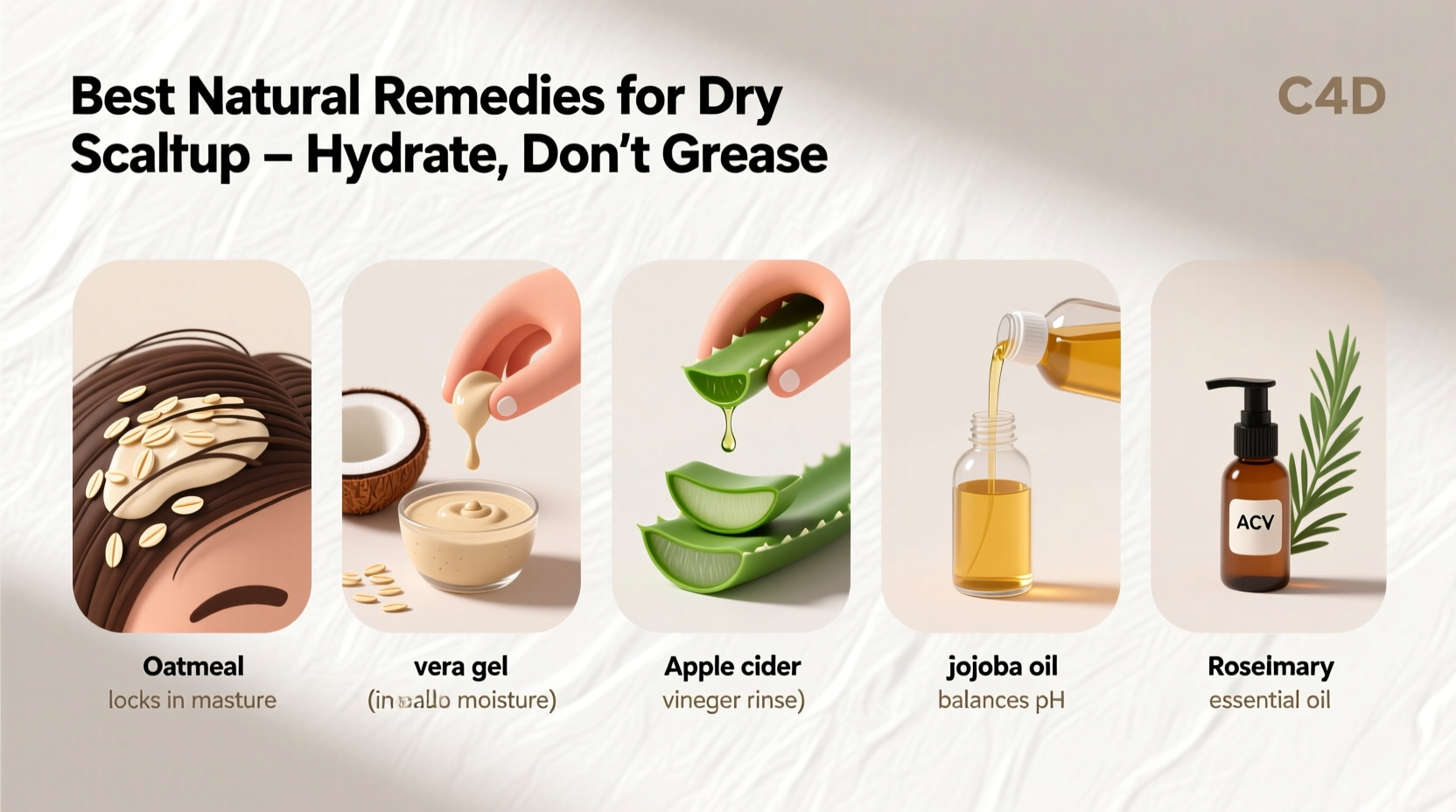
Many so-called “hydrating” treatments rely heavily on coconut oil, shea butter, or mineral oil—ingredients known for their occlusive properties. While they may temporarily reduce flaking by sealing in moisture, they don’t address the root cause: impaired water retention in the scalp’s epidermis. Worse, when applied excessively or left too long, these dense substances block hair follicles and disrupt sebum regulation, potentially triggering more dryness or even dandruff.
True hydration comes from humectants—compounds that attract water molecules from the environment into the skin. Glycerin, honey, and aloe vera are prime examples. When combined with light emollients like jojoba oil or squalane, they soften the scalp without suffocating it. These formulations mimic the scalp’s natural lipid profile, making them ideal for daily use—even on fine or oily hair types.
Top 5 Natural Remedies That Hydrate Without Greasiness
The following remedies have been validated through both clinical research and user-reported outcomes. Each one delivers measurable hydration while maintaining a lightweight feel, suitable even for those prone to product buildup.
1. Aloe Vera Gel (Fresh or Pure Extract)
Aloe vera contains polysaccharides such as acemannan, which stimulate fibroblast activity and increase hyaluronic acid production in the skin. Its high water content (over 95%) makes it an excellent humectant, drawing moisture into the upper layers of the scalp. Studies show that aloe vera improves skin elasticity and reduces scaling in conditions like seborrheic dermatitis.
To use: Apply pure aloe gel directly to the scalp after shampooing. Leave on for 20 minutes before rinsing, or use as an overnight treatment if your hair is coarse. For fine-haired individuals, rinse thoroughly to avoid residue.
2. Raw Honey (Medical-Grade Manuka Preferred)
Honey, especially medical-grade Manuka honey, has demonstrated significant wound-healing and antimicrobial effects. A 2001 clinical trial published in the Eurotext Journal of Medical Research found that participants who used a 90% diluted honey solution on their scalps experienced complete resolution of itching and scaling within four weeks, with sustained benefits after six months of weekly application.
Honey works by lowering scalp pH, enhancing microbial balance, and delivering oligosaccharides that support dermal hydration. Because it’s water-soluble, it rinses cleanly and doesn’t leave a greasy layer.
“Honey’s osmotic effect gently pulls impurities from pores while feeding beneficial microbes—a rare dual action in natural skincare.” — Dr. Lena Patel, Integrative Dermatology Specialist
3. Apple Cider Vinegar (Diluted)
With its mild acidity (pH 2.8–3.0), apple cider vinegar helps restore the scalp’s natural acid mantle, which is often disrupted by alkaline shampoos. This strengthens the skin barrier, reducing transepidermal water loss. It also dissolves dead skin cell buildup and residue from styling products, allowing moisturizers to absorb more effectively.
Mix one part raw, unfiltered ACV with three parts distilled water. After shampooing, pour through hair, massage into the scalp, and leave for 3–5 minutes before rinsing. Use once weekly for optimal results.
4. Jojoba Oil (Cold-Pressed)
Unlike most plant oils, jojoba is technically a liquid wax ester—and its molecular structure closely resembles human sebum. This allows it to integrate seamlessly into the scalp’s lipid matrix without clogging follicles. Clinical studies confirm its ability to improve skin hydration within 30 minutes of application, with no reported comedogenicity.
Use 3–5 drops warmed between palms and massage into the scalp pre-shampoo. Despite being an oil, jojoba evaporates cleanly and rarely causes greasiness unless over-applied.
5. Green Tea Rinse (Brewed & Cooled)
Rich in catechins like EGCG, green tea has potent anti-inflammatory and antioxidant properties. Research indicates it can reduce scalp erythema and flaking associated with xerosis (dry skin). Additionally, its mild tannic acid content helps regulate excess oil production, balancing hydration across different scalp zones.
Brew two bags of organic green tea in one cup of hot water. Cool completely, then pour over the scalp post-wash. No need to rinse out. Can be used 2–3 times per week.
Step-by-Step: How to Treat Dry Scalp Naturally in 7 Days
For best results, follow this structured routine to reset your scalp’s moisture equilibrium. This plan avoids overloading the system while promoting gradual improvement.
- Day 1 – Clarify: Wash hair with a sulfate-free, low-pH shampoo. Follow with a diluted apple cider vinegar rinse to remove buildup.
- Day 2 – Soothe: Apply a thin layer of aloe vera gel to the scalp. Leave for 20 minutes, then rinse. Avoid conditioner on roots.
- Day 3 – Nourish: Massage 3 drops of jojoba oil into the scalp 30 minutes before washing. Use lukewarm water to preserve natural oils.
- Day 4 – Balance: Brew green tea rinse and apply after shampooing. Let air-dry to maximize antioxidant absorption.
- Day 5 – Deep Hydrate: Mix 1 tablespoon raw honey with 2 tablespoons aloe gel. Apply to scalp, cover with a shower cap, and leave for 30 minutes before rinsing.
- Day 6 – Rest: Do not apply any treatments. Allow scalp to rebalance naturally.
- Day 7 – Assess & Adjust: Evaluate flaking, itch, and comfort levels. Repeat the cycle weekly or biweekly based on response.
Do’s and Don’ts: Natural Scalp Care Best Practices
| Do | Don’t |
|---|---|
| Use lukewarm water to wash hair—hot water strips natural oils | Wash daily with strong clarifying shampoos; this disrupts moisture balance |
| Massage treatments into the scalp using fingertips (not nails) | Scratch aggressively; this damages skin and increases inflammation |
| Rinse aloe or honey treatments thoroughly to prevent stickiness | Leave heavy oils like coconut on overnight unless you have very coarse hair |
| Protect scalp from sun with hats or UV sprays | Use alcohol-based tonics or dry shampoos frequently—they dehydrate skin |
| Hydrate internally: drink at least 2L of water daily | Ignore diet: deficiencies in omega-3s, zinc, and B vitamins contribute to dryness |
Real Results: A Case Study in Scalp Recovery
Sarah, a 34-year-old graphic designer from Portland, struggled with chronic dry scalp for years. She had tried medicated dandruff shampoos, but they caused increased tightness and redness. After switching to a fully natural regimen—using jojoba oil twice weekly, aloe vera after every wash, and a green tea rinse three times a week—she noticed improvement within 10 days.
“The biggest change was stopping my anti-dandruff shampoo,” she said. “I thought I needed something strong, but all it did was dry me out more. Once I started using aloe and jojoba, my scalp stopped itching within a week. Now, even in winter, I don’t have flakes.”
Her routine took less than 15 minutes total per week and cost under $30 to start. Importantly, her fine, straight hair never felt weighed down—an outcome she hadn’t achieved with oil-heavy treatments in the past.
Frequently Asked Questions
Can I use these remedies if I have color-treated hair?
Yes—with caution. Aloe vera, jojoba oil, and green tea are generally safe for colored hair. However, apple cider vinegar may slightly lighten certain dyes over time. If you’re concerned, patch-test behind the ear or on a small section first. Honey should be rinsed thoroughly to avoid any potential interaction with ammonia-based colors.
How long before I see results?
Most users report reduced itching and flaking within 7–14 days of consistent use. Full restoration of the scalp barrier typically takes 4–6 weeks, depending on severity and lifestyle factors like hydration and stress levels.
Are there any side effects?
Natural doesn’t mean risk-free. Some people may react to raw honey or essential oils (if added). Always perform a patch test on the inner forearm before full application. Discontinue use if you experience redness, swelling, or burning.
Your Action Plan: Start Tonight
- Purchase pure aloe vera gel (check for no alcohol or fragrance additives)
- Buy cold-pressed jojoba oil and organic green tea
- Prepare a spray bottle with diluted apple cider vinegar (1:3 ratio)
- Commit to the 7-day protocol outlined above
- Track changes in a journal: note flaking, comfort, and hair texture
- ☐ Stop using sulfates and alcohol-heavy products
- ☐ Introduce one new remedy every other day
- ☐ Massage gently to boost circulation
- ☐ Stay hydrated and eat omega-rich foods (walnuts, chia seeds, salmon)
- ☐ Reassess progress weekly
Final Thoughts: Sustainable Scalp Health Starts Naturally
Managing dry scalp isn’t about masking symptoms—it’s about restoring function. The most effective natural remedies work not because they’re trendy, but because they align with the skin’s biological needs. By choosing lightweight, bioavailable ingredients like aloe, honey, and jojoba, you can achieve deep hydration without compromising hair volume or cleanliness.
Consistency matters more than intensity. A simple nightly massage with two drops of jojoba oil does more over time than weekly coconut oil masks. Listen to your scalp. Adjust based on season, climate, and lifestyle. And remember: true health shows not in the absence of flakes, but in resilience, comfort, and vitality.




 浙公网安备
33010002000092号
浙公网安备
33010002000092号 浙B2-20120091-4
Comments
No comments yet. Why don't you start the discussion?