
For light sleepers, shift workers, or anyone sharing a bed with a snoring partner, finding peace at bedtime often means blocking out sound. While over-ear headphones can be bulky and uncomfortable, and traditional earbuds tend to slip out during sleep, the right noise cancelling earbuds can make all the difference. The ideal pair combines effective active noise cancellation (ANC), a secure fit, and ultra-low profile design to survive tossing and turning without discomfort or dislodging.
This guide cuts through the marketing hype to spotlight models proven to stay put through the night while delivering real sonic isolation. From ergonomic designs to pressure-free materials, we break down what works—and why most earbuds fail when used for sleep.
Why Most Noise Cancelling Earbuds Fail During Sleep
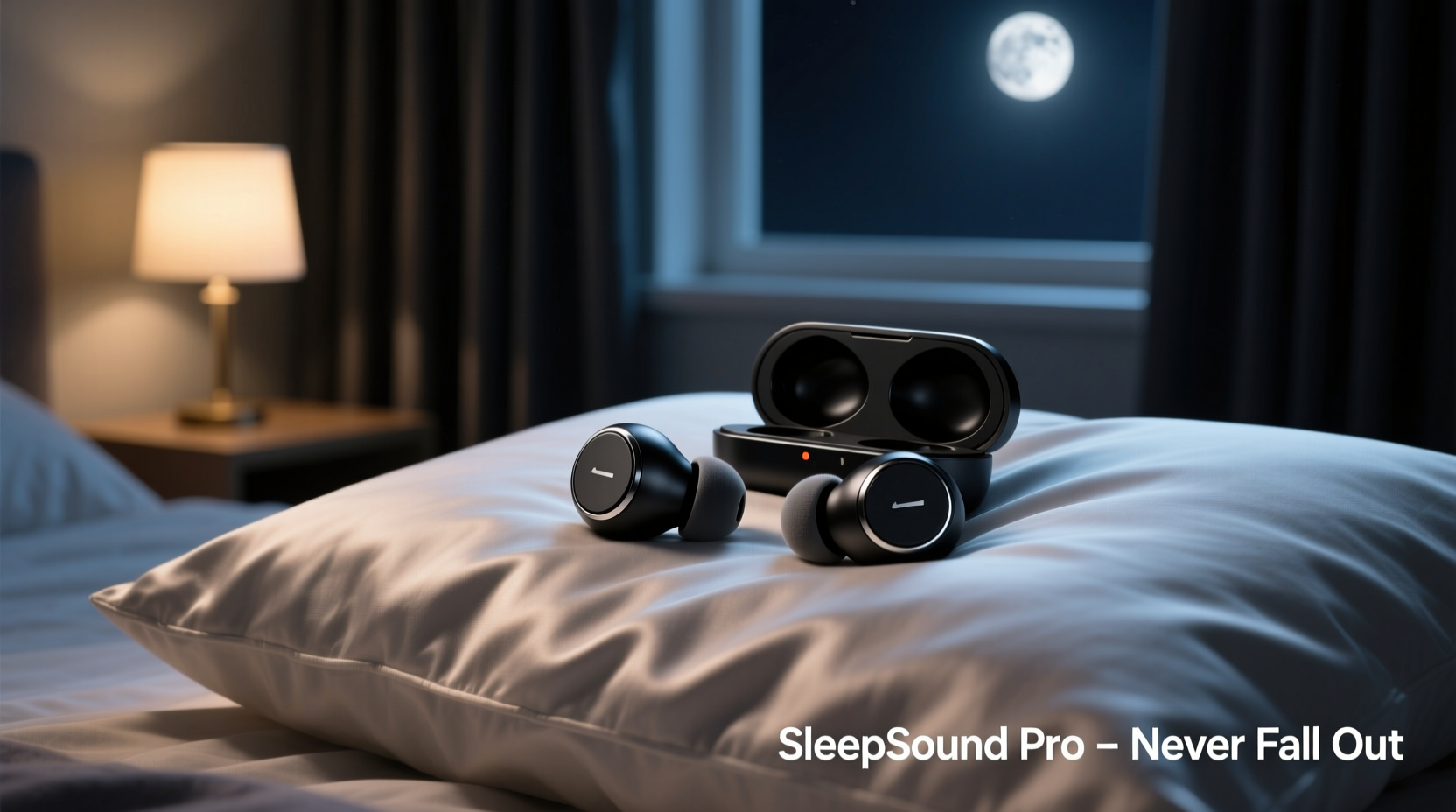
Standard earbuds are engineered for movement—running, commuting, working out—not lying still on a pillow. When you lie down, several factors compromise fit and comfort:
- Pillow pressure: Even slight contact can push earbuds out of alignment or cause pain from protruding stems.
- Side-sleeping dynamics: Over 60% of adults sleep on their side, compressing one ear against the mattress, which forces many earbuds to eject.
- Shallow ear canal fit: Many buds rely on friction alone, not anatomical stability, making them prone to slipping during micro-movements.
- Bulkiness: Long stems or large housings dig into the skull or get caught on fabric.
“Most consumers don’t realize that sleep-compatible earbuds require a different engineering approach—low-profile, flexible, and designed for static positioning.” — Dr. Lena Torres, Sleep Technology Researcher, Stanford Sleep Center
Active noise cancellation helps, but only if the earbud stays in your ear long enough to work. That’s why fit is just as critical as audio performance.
Key Features of Sleep-Friendly Noise Cancelling Earbuds
Not all earbuds marketed as “comfortable” are suitable for sleeping. Look for these specific design elements:
Low-Profile Design
The earbud should sit flush against the head. Models with short or horizontal stems minimize contact with pillows. Avoid tall, vertical designs like those mimicking certain premium brands—they’re notorious for catching on bedding.
Secure, Anatomical Fit
Earbuds should conform to the shape of your outer ear, not just plug into the canal. Wingtips, fins, or loop-style stabilizers help anchor the bud during movement. Memory foam tips also expand gently inside the ear for a vacuum-like seal without pressure.
Flexible Materials
Rigid plastics become painful under prolonged pressure. Soft-touch silicone, rubberized coatings, or semi-flexible housings reduce discomfort and adapt to positional shifts.
Effective Active Noise Cancellation (ANC)
ANC targets low-frequency sounds like snoring, traffic hum, or HVAC systems. Look for hybrid ANC with multiple microphones. However, even the best ANC needs a proper seal—so physical fit directly impacts noise reduction.
Lightweight Build
Anything over 6 grams per ear increases the risk of pulling or shifting. Top sleep-compatible models weigh between 4–5.5 grams.
Top 5 Noise Cancelling Earbuds That Stay In During Sleep
| Model | Weight (per ear) | ANC Type | Fit Features | Sleep Score (out of 10) |
|---|---|---|---|---|
| Bose Sleepbuds II | 5.2g | Noise masking (not ANC) | Round, flat design; memory foam tips | 9.5 |
| Sony WF-C700N | 4.4g | Hybrid ANC | Compact housing; angled nozzle | 8.7 |
| Jabra Elite Active 75t | 5.9g | Adaptive ANC | EarWings included; oval design | 8.0 |
| Apple AirPods Pro (2nd Gen) | 5.3g | Adaptive ANC | Ventilated stem; customizable tips | 7.5 |
| Anker Soundcore Sleep A10 | 4.8g | Hybrid ANC + white noise | Fully round; soft silicone dome | 9.0 |
Bose Sleepbuds II – Best Overall for Side Sleepers
Unlike conventional earbuds, Bose Sleepbuds II don’t stream music. Instead, they play pre-loaded soothing sounds and mask noise via a library of calming audio (ocean waves, rain, etc.). Their completely round, flat design sits snugly without protruding, making them ideal for side sleepers. Memory foam tips create a passive seal, and the ultra-light build ensures zero pressure. Battery life is limited (8 hours), but they're charging overnight anyway.
Sony WF-C700N – Best Value with True ANC
At under $100, these deliver genuine hybrid ANC in a featherlight shell. The compact housing fits deep in the ear, and the angled nozzle aligns naturally with the ear canal. While they lack wings, the snug tip seal keeps them stable for most back and stomach sleepers. Not ideal for aggressive side sleepers, but excellent for moderate movement.
Jabra Elite Active 75t – Best for Active Sleepers
If you toss and turn frequently, Jabra’s EarWings provide unmatched grip. The oval-shaped bud nestles into the concha, and the included silicone fins prevent rotation. ANC is solid, though not class-leading. Waterproof rating (IP57) also makes them resistant to sweat—a bonus if you run hot at night.
Apple AirPods Pro (2nd Gen) – Best for iPhone Users
With Adaptive ANC and Transparency mode, these are powerful—but the stem design can press against the pillow. However, Apple’s new XS ear tip creates a shallower fit that reduces protrusion. For back sleepers or combo positions, they work well. Side sleepers may need to adjust pillow firmness to avoid pressure points.
Anker Soundcore Sleep A10 – Best Hybrid Option
A rising star, these combine true ANC with built-in white noise and nature sounds. The fully rounded body lies flat against the head, and the soft silicone dome feels almost invisible. At $99, they offer premium features without the luxury price tag. Ideal for those who want both noise blocking and ambient sound options.
Step-by-Step Guide to Choosing & Using Earbuds for Sleep
- Determine your sleep position: Side sleepers need flatter designs; back sleepers can tolerate slightly taller profiles.
- Measure ear canal depth: Use a mirror to see how deep your canal goes. Shallow canals require shorter nozzles.
- Try multiple tip sizes: Always test with the smallest tip first—larger ones can cause fatigue over time.
- Simulate sleep conditions: Lie down on your pillow and turn your head side to side. Check for ejection or discomfort.
- Start with short sessions: Wear them for 30–60 minutes before bed to assess comfort before full-night use.
- Use a timer: Set audio or ANC to shut off after 60–90 minutes to preserve battery and reduce overnight exposure.
- Clean weekly: Wipe down earbuds with alcohol-free wipes to prevent wax buildup and irritation.
Real-World Example: How Sarah Regained Her Sleep
Sarah, a 34-year-old nurse working night shifts, struggled to sleep during daytime hours due to neighborhood noise and her partner’s snoring. She tried foam earplugs, over-ear headphones, and early-generation earbuds—all failed within an hour.
After researching sleep-specific models, she tested the Bose Sleepbuds II. The flat design allowed her to lie on her side without pain, and the preloaded \"gentle rain\" sound masked traffic and snoring effectively. Within three days, her average sleep duration increased from 4.5 to 6.8 hours. After two weeks, she reported feeling “actually rested for the first time in years.”
“I was skeptical about paying $250,” she said, “but it’s been six months, and I use them every single day. They’ve changed my quality of life.”
Common Mistakes to Avoid
- Choosing style over function: Sleek looks don’t matter if the earbud falls out at midnight.
- Ignoring weight: Every extra gram adds pressure over eight hours.
- Using oversized tips: Too-large ear tips stretch the canal and cause soreness by morning.
- Skipping the break-in period: Some earbuds feel odd at first but improve with short-term use.
- Leaving ANC on all night: Prolonged audio exposure—even low volume—can affect auditory sensitivity over time.
Frequently Asked Questions
Can noise cancelling earbuds damage my hearing if used while sleeping?
No, if used responsibly. Keep volume below 50% and consider using passive noise isolation or white noise instead of music. ANC itself does not emit harmful frequencies—it cancels sound electronically. However, extended headphone use may increase earwax buildup, so clean your ears and earbuds regularly.
Are there earbuds specifically designed for sleeping?
Yes. Bose Sleepbuds II and Anker Soundcore Sleep A10 are engineered explicitly for sleep, featuring flat profiles, motion-resistant fit, and non-invasive audio delivery. These differ from general-use earbuds adapted for bedtime use.
What if I’m a hot sleeper? Won’t earbuds make me sweat?
Potentially. Silicone creates a seal that traps heat. To reduce discomfort, choose breathable materials, use minimal tips, and consider models with ventilation like the AirPods Pro. Alternatively, pair earbuds with cooling gel pillows to offset warmth.
Final Checklist Before Buying
- ✅ Low-profile, flat, or horizontal design
- Ensures pillow compatibility.
- ✅ Weight under 6 grams per ear
- Reduces pressure and movement.
- ✅ Includes multiple ear tip sizes and stabilizers
- Allows customization for secure fit.
- ✅ Effective ANC or noise masking
- Blocks snoring, traffic, or household sounds.
- ✅ Comfortable for 8+ hours
- Test with short trials before overnight use.
- ✅ Reliable battery life (8+ hours)
- Matches typical sleep duration.
Conclusion: Rest Better with the Right Earbuds
Sleep is too precious to sacrifice to noise. With the right noise cancelling earbuds, you don’t have to choose between silence and comfort. The key is prioritizing design elements that support all-night wear—flat shape, lightweight build, secure fit, and intelligent noise control. Whether you’re battling snoring, city noise, or irregular work hours, the solutions exist.
Don’t settle for earbuds that work for workouts but fail at bedtime. Invest in a pair engineered for stillness, not motion. Your brain—and your mornings—will thank you.




 浙公网安备
33010002000092号
浙公网安备
33010002000092号 浙B2-20120091-4
Comments
No comments yet. Why don't you start the discussion?