
Potatoes are a cornerstone of soups across global cuisines, from creamy chowders to rustic vegetable broths. Yet not all potatoes behave the same when simmered in liquid. The right variety can mean the difference between a velvety, cohesive soup and one that’s grainy, broken, or overly thickened. Choosing the correct potato depends on its starch content, texture retention, and ability to absorb flavors. Understanding the characteristics of different potato types allows home cooks to achieve consistent results—whether aiming for a silky puree or a chunky, hearty stew.
Definition & Overview
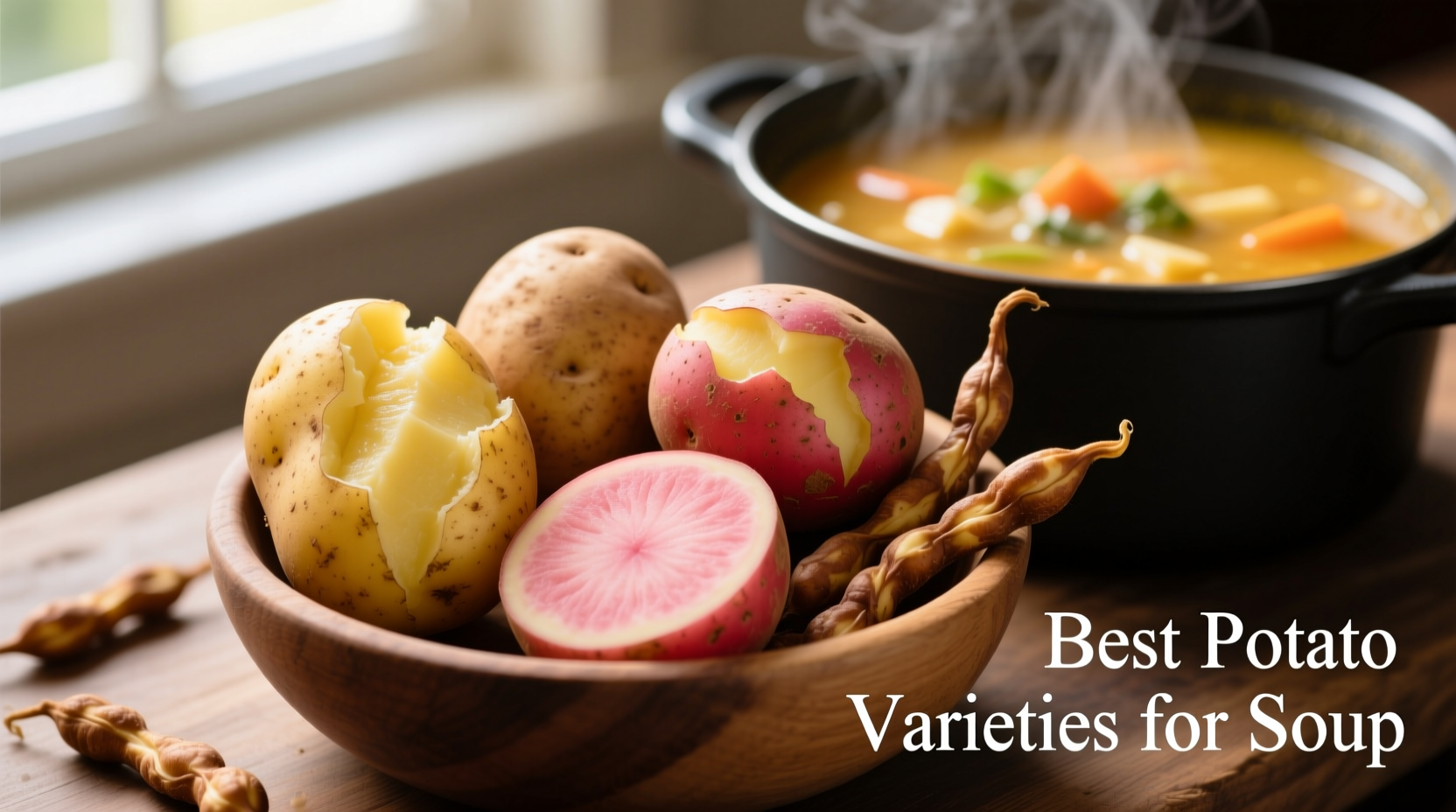
Potatoes (Solanum tuberosum) are tuberous root vegetables native to the Andes but now cultivated worldwide. They are categorized primarily by starch content into three groups: starchy, waxy, and all-purpose (or medium-starch). Each group responds differently to heat and moisture, making them suitable for specific culinary applications. In soup preparation, this distinction is critical. Starchy potatoes break down easily, contributing natural thickening and creaminess. Waxy potatoes hold their shape well, ideal for chunky soups where distinct pieces are desired. All-purpose varieties offer a balance, performing adequately in both roles depending on cooking time and method.
The success of a potato-based soup hinges not only on technique but on selecting a variety that aligns with the intended texture and mouthfeel. Using a high-starch Russet in a long-simmered minestrone may result in disintegration, while waxier fingerlings in a bisque might fail to blend smoothly. Recognizing these nuances elevates everyday cooking and ensures reliability in recipe execution.
Key Characteristics of Potato Types
The performance of a potato in soup is determined by several intrinsic qualities:
- Starch Content: High-starch potatoes release more granules when cooked, thickening liquids and creating creaminess.
- Moisture Level: Waxy potatoes have lower starch and higher moisture, helping them retain structure during prolonged cooking.
- Skin Thickness: Thinner skins often require less preparation and integrate better into blended soups.
- Flesh Color: Ranges from white to yellow to purple; color can influence visual appeal and nutrient profile (e.g., carotenoids in yellow-fleshed types).
- Flavor Profile: Some varieties have nutty, buttery notes (like Yukon Gold), while others are more neutral, serving as a canvas for other ingredients.
- Heat Stability: Refers to how well the potato maintains integrity under boiling or slow-simmer conditions.
| Characteristic | Starchy Potatoes | Waxy Potatoes | All-Purpose Potatoes |
|---|---|---|---|
| Starch Content | High (20–22%) | Low (16–18%) | Medium (18–20%) |
| Moisture | Low | High | Medium |
| Texture When Cooked | Falls apart easily | Firm, holds shape | Fluffy but retains some structure |
| Best For | Mashed, baked, pureed soups | Salads, boiled dishes, chunky soups | Versatile; works in many preparations |
| Common Examples | Russet, Idaho, King Edward | Red Bliss, Fingerling, New Potatoes | Yukon Gold, Kennebec, Nicola |
Practical Usage: How to Use Potatoes in Soup Recipes
Selecting the right potato begins with defining the soup’s desired outcome. For smooth, restaurant-quality purees or chowders without visible chunks, starchy or all-purpose types are optimal. For soups like French potée or Italian zuppa di patate, where individual pieces should remain intact after hours of simmering, waxy varieties are essential.
Cream-Based Soups
In bisques, veloutés, or dairy-enriched chowders, the goal is often a rich, uniform consistency. Starchy potatoes such as Russets excel here. As they cook, their cells rupture and release starch, acting as a natural thickener. To maximize this effect:
- Cut potatoes into even ¾-inch cubes to ensure uniform breakdown.
- Add them at the beginning of cooking to allow full disintegration.
- Use an immersion blender directly in the pot after simmering for 25–30 minutes to create silkiness without lumps.
For a more refined finish, strain through a fine-mesh sieve, especially if serving in formal settings.
Chunky Vegetable & Broth-Based Soups
In soups featuring beans, greens, or meats—such as Irish stew, Turkish ezme çorbasi, or Portuguese açorda—potatoes must maintain their form. Waxy red or fingerling potatoes are ideal. Their tight cell structure resists overcooking, even in acidic broths (which can accelerate breakdown in starchy types).
Pro tip: Add waxy potatoes about 15–20 minutes before the soup finishes cooking. This preserves texture while ensuring thorough heating. Avoid adding vinegar or tomatoes too early, as acidity weakens pectin in cell walls, increasing fragmentation risk.
All-Purpose Applications
Yukon Golds bridge the gap between categories. With moderate starch and a naturally buttery flavor, they perform well in both blended and chunky soups. When used in clam chowder, for instance, they provide body without requiring flour-based thickeners, yet still retain slight structure if not overcooked.
To optimize Yukon Golds:
- Peel only if a perfectly smooth texture is needed.
- Simmer gently—boiling too vigorously can cause uneven breakdown.
- Combine with a small portion of starchy potato (e.g., 75% Yukon Gold, 25% Russet) to enhance thickening in hybrid-style soups.
Pro Tip: For maximum flavor integration, sauté diced potatoes in aromatics (onion, celery, garlic) before adding liquid. This builds a deeper base and prevents raw taste, especially in quick-cooked soups.
Variants & Types: A Closer Look at Common Soup-Suitable Potatoes
Not all potatoes labeled “yellow” or “red” behave identically. Regional growing conditions, harvest times, and cultivar genetics influence performance. Below is a detailed breakdown of top-performing varieties for soup applications.
Starchy Varieties
- Russet (Idaho): The most widely available starchy potato in North America. Its dry, fluffy interior dissolves readily in liquid, making it ideal for thick, creamy soups. Best peeled before use, as skin doesn’t soften completely in short simmers.
- King Edward (UK): Popular in British cuisine, this red-skinned, white-fleshed potato has high starch and excellent melting properties. Often used in traditional leek and potato soup.
- Desirée (Europe): Slightly waxier than Russets but still breaks down well. Offers a pinkish skin and pale yellow flesh with a mild sweetness—good for soups needing subtle depth.
Waxy Varieties
- Red Bliss: Smooth red skin and firm white flesh. Holds up exceptionally well in long-cooked soups and pairs nicely with smoked meats or cheeses. Minimal flavor interference makes it versatile.
- Fingerling (e.g., Russian Banana, Ozette): Elongated shape and dense texture. Adds visual interest to soups and withstands acidic ingredients. Slight nuttiness enhances rustic broths.
- New Potatoes: Young, recently harvested tubers with thin skins and high moisture. Not a single variety, but a category. Excellent in spring soups with peas and herbs. Should be scrubbed, not peeled.
All-Purpose Varieties
- Yukon Gold: Developed in Canada, this golden-fleshed potato combines moderate starch with natural buttery notes. Performs reliably across soup styles. Skin is tender enough to leave on for added nutrition and texture.
- Kennebec: A workhorse variety grown commercially. Resists bruising and stores well. Neutral flavor suits bold spice profiles, such as in curried potato soups.
- Nicola: German origin, yellow skin and flesh. Low glycemic index and firm texture even after extended cooking. Gaining popularity in health-conscious kitchens for soups requiring intact pieces.
Comparison with Similar Ingredients
Potatoes are sometimes substituted with other starchy vegetables, but key differences affect soup outcomes.
| Ingredient | Difference from Potatoes | Suitability in Soup |
|---|---|---|
| Turnips | Sharper, peppery flavor; lower starch, higher fiber. Breaks down less than waxy potatoes. | Good in mixed root soups but cannot replace potato for thickening. |
| Parsnips | Sweet, earthy, aromatic. Contributes sugar rather than starch. | Adds sweetness and body but won’t thicken like potato. Best combined with potato. |
| Carrots | High in beta-carotene, firm texture. Minimal starch release. | Provides color and sweetness; structural support only. Not a thickener. |
| Daikon Radish | Very low starch, crisp texture, mildly spicy. Softens quickly. | Used in Asian broths for lightness, not body. Dissolves faster than any potato. |
| Yams (true) | Botanically distinct; drier, starchier, and sweeter than most potatoes. | Can substitute in pureed soups but alters flavor significantly. |
“In professional kitchens, we never assume a potato will behave the same across brands. We test each batch for starch levels by tasting a boiled sample. It’s the only way to guarantee consistency in signature soups.” — Chef Elena Torres, Executive Chef, Hearth & Vine
Practical Tips & FAQs
Should I peel potatoes before adding them to soup?
It depends on the variety and desired texture. Peel starchy types like Russets—their thick skin remains tough. For Yukon Golds or red potatoes, peeling is optional; thin skins add nutrients and texture. Always scrub thoroughly regardless.
How do I prevent potatoes from turning mushy in soup?
Choose waxy or all-purpose potatoes and avoid overcooking. Add them later in the process (last 15–20 minutes) if you want them to stay firm. Simmer gently—rolling boils accelerate breakdown.
Can I use frozen potatoes in soup?
Not recommended. Freezing damages cell walls, causing rapid disintegration upon reheating. Fresh or refrigerated (not frozen) potatoes yield superior texture control.
What size should I cut potatoes for soup?
Uniformity is key. For pureed soups: ½–¾ inch cubes. For chunky soups: ¾–1 inch. Larger pieces resist breaking down longer, useful in slow-simmered recipes.
Do potatoes thicken soup?
Yes, particularly starchy varieties. As they cook, released starch granules absorb water and swell, increasing viscosity. One medium Russet can thicken up to 4 cups of broth without additional roux or cornstarch.
Are there low-carb alternatives that mimic potato texture?
Cauliflower florets can approximate texture in blended soups but lack starch and thus don’t thicken. Combining with a small amount of peeled celeriac adds body. However, no substitute replicates the mouthfeel of real potatoes fully.
How long do potatoes last in the fridge once prepped?
Raw cut potatoes oxidize and degrade quickly. Store submerged in cold water for up to 24 hours. Beyond that, flavor and texture diminish. Do not freeze raw cut potatoes.
Can I make potato soup ahead of time?
Yes, but consider final texture. Soups with waxy potatoes reheat well. Cream-based versions may separate slightly—stir gently over low heat and add a splash of cream or milk to restore emulsion. Thickened soups often absorb liquid; thin with broth when reheating.
Storage Tip: Keep uncut potatoes in a cool, dark, well-ventilated place (not the refrigerator). Cold temperatures convert starch to sugar, leading to off-flavors and browning during cooking.
Summary & Key Takeaways
Selecting the best potato for soup requires understanding starch content, texture goals, and cooking duration. No single variety excels in every context—success lies in matching type to purpose.
- For creamy, thick soups: Use starchy potatoes like Russet or King Edward. They dissolve naturally, eliminating the need for flour-based thickeners.
- For chunky, structured soups: Opt for waxy types such as Red Bliss or fingerlings. These retain shape even in acidic or long-simmered broths.
- For balanced performance: Choose all-purpose potatoes like Yukon Gold, which offer moderate starch, good flavor, and reliable behavior across multiple soup styles.
- Preparation matters: Cut uniformly, add at the right stage, and adjust heat to preserve integrity. Sautéing first enhances flavor depth.
- Avoid substitutions blindly: Other root vegetables contribute flavor or color but rarely replicate the functional role of potatoes in thickening and mouthfeel.
Mastering potato selection transforms soup-making from guesswork into a precise, repeatable craft. Whether crafting a weeknight dinner or refining a seasonal menu, the right potato ensures a dish that is not only nourishing but texturally satisfying. By applying these principles, cooks gain confidence in building soups that are consistently flavorful, well-balanced, and professionally executed.




 浙公网安备
33010002000092号
浙公网安备
33010002000092号 浙B2-20120091-4
Comments
No comments yet. Why don't you start the discussion?