
Navigating a shared closet can be one of the most delicate balancing acts in a household. When two or more people store their wardrobes in the same space, conflicting styles, preferences, and seasonal needs often lead to overcrowding, disorganization, and frustration. Now add seasonal rotation into the mix—swapping out winter coats for summer dresses, storing bulky sweaters, and making room for lighter layers—and the challenge grows even greater.
The key to success isn’t just about having enough hangers or shelves. It’s about creating a system that respects both practicality and personal boundaries. With thoughtful planning, clear communication, and consistent routines, rotating seasonal clothing in a shared closet can become seamless, efficient, and even enjoyable. This guide outlines proven strategies to help you and your household members coexist peacefully within a single wardrobe space—all while keeping your clothes in excellent condition and easy to access.
1. Assess Your Space and Usage Patterns
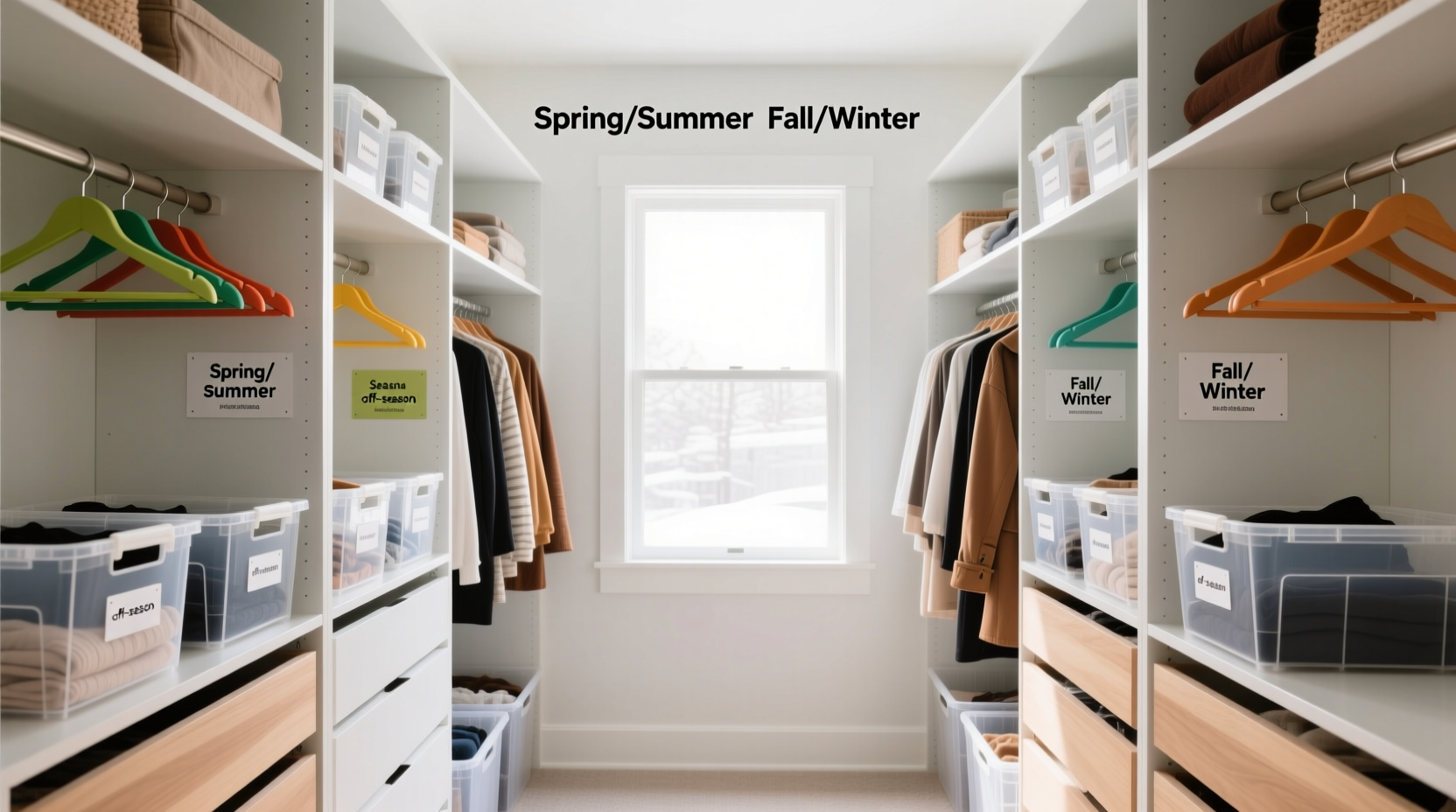
Before any clothes are moved or folded, take time to evaluate how the closet is currently used. Walk through with all users present and discuss habits: Who wears what? How often do they change outfits? Which items are worn seasonally versus year-round? Understanding these patterns prevents assumptions and sets the foundation for an equitable layout.
Measure the closet dimensions and note fixed features—shelving height, rod placement, drawer count. Then divide usable space proportionally based on each person’s clothing volume. For example, if one partner owns significantly more formal wear, they may need more hanging space, while the other might benefit from deeper drawers for casual knits.
Consider labeling sections clearly—not just by name, but by function. “Winter Bottoms,” “Summer Dresses,” or “Workout Layers” make it easier to rotate efficiently. Color-coded tags or bins (e.g., blue for Person A, green for Person B) also reduce confusion without requiring constant negotiation.
2. Establish a Seasonal Rotation Timeline
Timing is critical when transitioning between seasons. Rotate too early, and you’ll scramble when temperatures dip unexpectedly. Rotate too late, and off-season clothes clutter your daily choices. A predictable schedule removes guesswork and aligns everyone’s expectations.
“Seasonal transitions should happen before the weather shifts—not after.” — Lena Patel, Home Organization Consultant
Aim to begin rotations four weeks before the official start of a new season. This buffer accounts for unpredictable weather and gives you time to clean, repair, and properly store items.
Recommended Seasonal Rotation Schedule
- March 1–15: Begin removing heavy winter layers; store coats, scarves, and boots.
- May 15–30: Finalize spring-to-summer transition; pack away sweaters and denim jackets.
- September 1–15: Start reintroducing fall layers; pull out cardigans, long-sleeve shirts, and transitional footwear.
- November 15–30: Complete winter setup; hang coats, organize gloves, and store summer linens.
This staggered approach avoids last-minute chaos and allows for garment care between uses. It also creates natural check-in points where users can assess what stayed unworn—and whether it’s worth keeping at all.
3. Optimize Storage Solutions for Shared Use
In a shared environment, storage must serve multiple needs without sacrificing accessibility. The goal is to make every item easy to find, protect delicate fabrics, and minimize friction between users.
Use breathable cotton garment bags for structured pieces like blazers or dresses. Avoid plastic covers—they trap moisture and encourage mildew. For knitwear, fold and store in labeled bins with cedar blocks to deter moths naturally. Vacuum-sealed bags work well for bulky items like down jackets or comforters but should not be used for extended periods on wool or down-filled garments, as compression can damage fibers.
Shelf dividers and stackable bins help maintain order in deep shelves. Assign each person a set number of containers so no one inadvertently takes over more than their share. Over-the-door organizers are ideal for accessories—scarves, belts, or socks—that don’t require hanging space.
| Item Type | Best Storage Method | Shared Closet Tip |
|---|---|---|
| Dresses & Blouses | Hanging with padded hangers | Use color-coded hanger ends to identify ownership |
| Sweaters & Knits | Folded in breathable bins | Label bins clearly; avoid stacking beyond 3 high |
| Outerwear | Garment bags on upper rod | Rotate position seasonally; alternate who uses prime space |
| Shoes | Clear stackable boxes or low shelves | Limit to 6 pairs per person unless professional needs require more |
| Accessories | Drawer dividers or hanging organizers | Agree on shared vs. personal zones for common items (e.g., hats) |
4. Create a Fair and Transparent Rotation Process
Even the best-designed system fails without cooperation. To prevent resentment or passive-aggressive reorganization, establish a joint process for seasonal swaps—one that includes input, accountability, and consistency.
Hold a brief “closet meeting” before each rotation. Review what worked last season, address complaints (e.g., “My jeans got crushed”), and agree on adjustments. Then tackle the swap together. This doesn’t mean doing everything side-by-side—it means coordinating timing, methods, and cleanup.
Step-by-Step: Shared Seasonal Rotation
- Declutter First: Each person reviews their own clothes. Remove anything damaged, ill-fitting, or unworn for over a year.
- Clean Before Storing: Launder or dry-clean all items going into storage. Never store dirty clothes—odors and stains set over time.
- Pack Strategically: Group similar items together (e.g., all winter tops). Use uniform containers for visual harmony.
- Swap in Phases: Remove off-season clothes first, then bring in the next season’s core pieces. Avoid mixing both until the space is fully cleared.
- Reassess Layout: Adjust shelf heights or bin placements if needed. Ensure both users have equal access to prime real estate.
- Final Walkthrough: Confirm everything has a place, labels are visible, and nothing was left behind.
“Equality in closet space isn’t always about square footage—it’s about fairness in access and usability.” — Jordan Lee, Interior Systems Designer
This collaborative rhythm builds trust and ensures neither person feels dominated by the other’s wardrobe demands. Over time, it becomes routine rather than a recurring conflict.
5. Real-Life Example: The Martinez Family Solution
The Martinezes—a couple with two young children—struggled for years with a cramped master closet that doubled as overflow storage for baby clothes and hand-me-downs. Every spring, arguments erupted over missing pants and mislabeled bins. After hiring a home organizer, they implemented a tiered system:
- Adult clothing rotated biannually using vacuum bags (for bulk) and fabric bins (for delicate knits).
- Children’s clothes were sorted by size and season in rolling carts stored outside the closet but managed during the same rotation window.
- A shared digital checklist tracked what went into storage, including photos of packed bins.
They also introduced a “no exceptions” rule: If an item wasn’t cleaned and packed by the deadline, it remained unpacked until the next cycle. Within one year, closet stress dropped dramatically. Both partners reported feeling more in control, and the children learned early habits of organization.
FAQ: Common Questions About Rotating Clothes in Shared Closets
How do we split closet space fairly if one person has more clothes?
Fairness doesn’t always mean 50/50. Allocate space based on actual need, but set reasonable limits. If one person consistently exceeds agreed-upon capacity, consider whether edits (donations, purchases) are necessary. The goal is functionality, not perfection.
What should we do with clothes we’re unsure about keeping?
Use the “maybe box” method: Place uncertain items in a sealed container labeled with a date six months in the future. If you haven’t opened it by then, donate the contents unopened. This reduces decision fatigue and prevents hoarding.
Can we rotate seasonally if we live in a place with mild weather?
Absolutely. Even in temperate climates, some items are situational—light jackets for foggy mornings, heavier pajamas in damp winters. Define your own seasons based on usage, not calendar dates. Rotate when patterns shift, not when the thermometer does.
Conclusion: Build Harmony One Hanger at a Time
A shared closet is more than a storage space—it’s a reflection of partnership, compromise, and mutual respect. Rotating seasonal clothes doesn’t have to be a source of tension. With clear systems, scheduled rhythms, and open communication, it can become a ritual that strengthens household cohesion.
Start small: Pick one upcoming season and apply just two of these practices—decluttering before storage and setting a joint timeline. Observe the difference it makes. Then expand. Over time, you’ll create not just an organized closet, but a culture of collaboration around shared spaces.




 浙公网安备
33010002000092号
浙公网安备
33010002000092号 浙B2-20120091-4
Comments
No comments yet. Why don't you start the discussion?