
Fresh herbs elevate dishes with vibrant flavor, color, and aroma. Yet, their delicate nature often leads to premature wilting, browning, or mold—especially when stored improperly. Too often, a bunch of cilantro or basil ends up in the compost bin after just a few days. But with the right storage methods, you can significantly extend the freshness of your herbs, sometimes doubling or even tripling their usable life. Understanding how different herbs respond to moisture, temperature, and airflow is key to preserving their quality. Whether you grow your own, buy in bulk, or simply want to make the most of your grocery haul, applying science-backed storage techniques ensures you get the most out of every leaf.
Understanding Herb Categories: Tender vs. Hardy
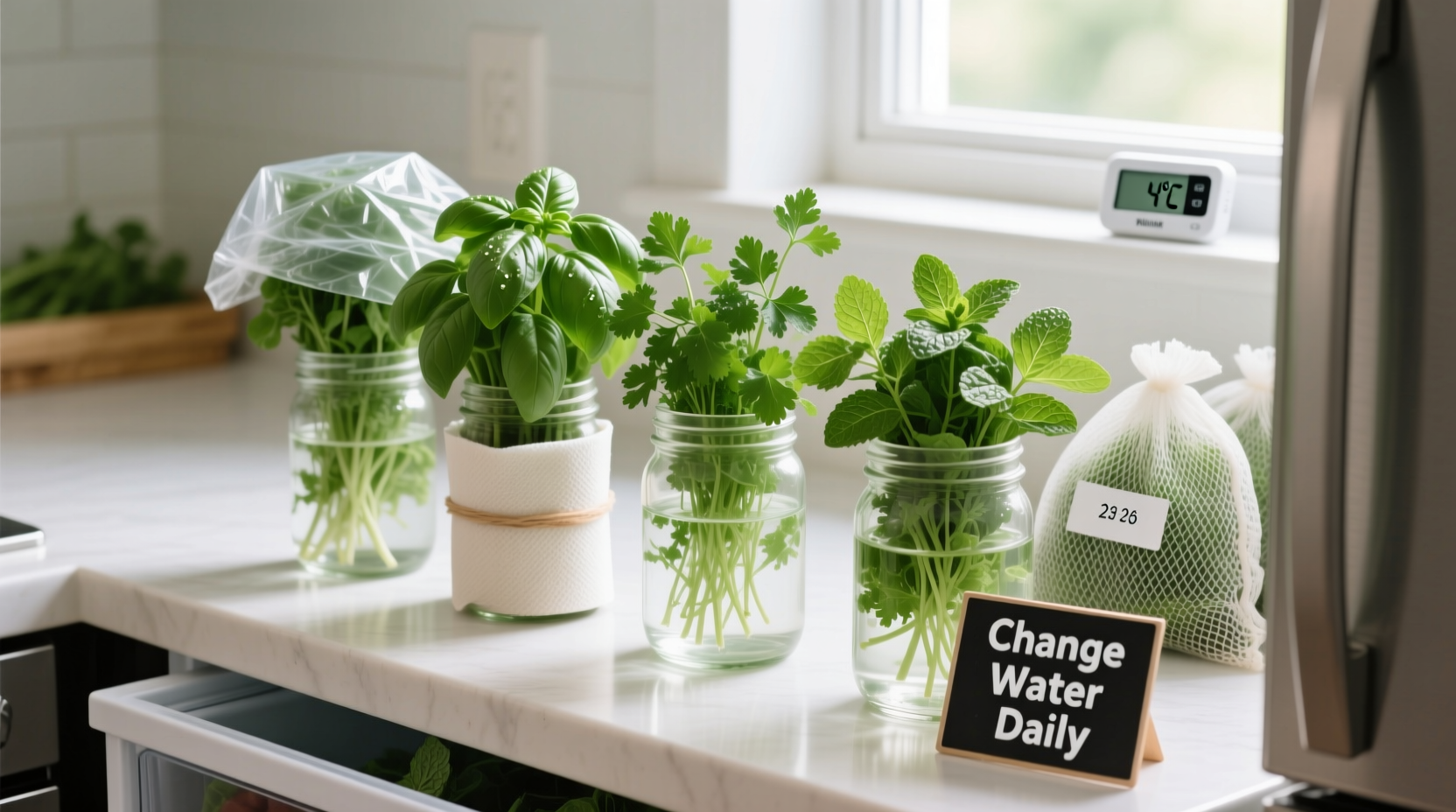
Not all herbs are created equal when it comes to storage. The first step in prolonging freshness is categorizing herbs based on their structure and water content. This distinction determines whether they should be treated more like cut flowers or leafy greens.
- Tender herbs: These have soft stems and high moisture content. Examples include basil, cilantro, parsley, dill, tarragon, and mint. They wilt quickly if dehydrated but also spoil fast if kept too wet.
- Hardy (woody) herbs: These have firm, fibrous stems and lower moisture levels. Rosemary, thyme, oregano, sage, and marjoram fall into this group. They are more resilient and typically last longer under dry conditions.
Mistreating one category using methods suited for the other is a common reason for early spoilage. For instance, wrapping rosemary in a damp paper towel may encourage mold, while letting basil dry out completely will cause it to blacken within hours.
Optimal Storage Methods by Herb Type
The ideal storage method depends on the herb’s biological needs. Below are the most effective approaches based on research and culinary practice.
For Tender Herbs: The Jar-and-Water Method
This technique mimics how cut flowers stay fresh. It works especially well for cilantro, parsley, dill, and mint.
- Trim about ½ inch from the bottom of the stems.
- Place the herbs upright in a jar or glass with 1–2 inches of water.
- Loosely cover the leaves with a plastic bag or reusable produce bag.
- Store in the refrigerator (except for basil—see below).
- Change the water every two days to prevent bacterial growth.
This method keeps tender herbs hydrated without saturating the leaves, which helps prevent rot. Expect parsley and cilantro to last 10–14 days, compared to 3–5 days when left loose in a drawer.
For Basil: Room Temperature is Best
Basil is uniquely sensitive to cold. Refrigeration causes its cells to break down rapidly, leading to blackened, slimy leaves. Instead, treat it like a bouquet.
- Trim the stems and place in a jar with water.
- Keep on the counter, away from direct sunlight.
- Replace water daily.
Stored this way, basil can remain vibrant for up to a week. If you must refrigerate, wrap it loosely in a dry cloth and place in the warmest part of the fridge—usually the door—but expect reduced shelf life.
For Hardy Herbs: Dry Wrap Technique
Woody herbs prefer cool, dry environments. Excess moisture promotes mold, so avoid submerging them in water.
- Gently pat herbs dry if damp.
- Wrap loosely in a slightly damp paper towel.
- Place inside a resealable container or unsealed plastic bag.
- Store in the crisper drawer.
This balances humidity and airflow, preventing desiccation while avoiding sogginess. Rosemary and thyme can last 2–3 weeks using this method.
“Herbs are living things—even after harvest. Treat them with attention to their environment, and they’ll reward you with better flavor and longevity.” — Chef Lena Torres, Culinary Instructor at Green Valley Cooking School
Advanced Techniques for Long-Term Preservation
When you have an abundance of herbs, short-term storage isn’t enough. These methods allow you to enjoy fresh flavors months later.
Freezing Herbs in Oil or Water
Freezing preserves both flavor and color, especially for herbs you use in cooked dishes.
- Chop herbs finely and pack into ice cube trays.
- Pour over olive oil (ideal for rosemary, thyme, sage) or water (better for cilantro, dill).
- Freeze, then transfer cubes to a labeled freezer bag.
Oil-infused cubes can go directly into sauté pans; water-based ones work well in soups and stews. Most retain quality for 6–12 months.
Drying Herbs Properly
Drying concentrates flavor and drastically extends shelf life. While store-bought dried herbs lose potency over time, home-dried versions are fresher and more aromatic.
- Wash and air-dry herbs thoroughly.
- Bundle small groups with twine and hang upside down in a warm, dark, well-ventilated area.
- Wait 1–2 weeks until completely crisp.
- Crumble leaves and store in airtight jars away from light.
Alternatively, use a food dehydrator or oven on the lowest setting (around 170°F) for 2–4 hours. Label jars with dates—dried herbs keep best for 6–12 months.
Do’s and Don’ts of Herb Storage
| Do | Don't |
|---|---|
| Remove packaging that traps moisture | Leave herbs sealed in plastic clamshells |
| Trim stems before storing in water | Submerge tender herb leaves in water |
| Use clean containers to prevent mold | Reuse jars without washing |
| Label frozen herb cubes with date and type | Freeze whole bunches without prep |
| Check herbs every 2–3 days for spoilage | Forget about them until ready to cook |
Real-World Example: Reducing Waste in a Home Kitchen
Sophia, a home cook in Portland, used to discard nearly half of her weekly herb purchases. After learning about the jar method, she began storing cilantro and parsley in water-filled mason jars covered with reusable silicone lids. She noticed immediate results: her cilantro stayed crisp for over 10 days instead of wilting by day four. Inspired, she started freezing excess basil into oil cubes during summer harvest. By winter, she was adding homemade pesto cubes to soups and pasta dishes, avoiding the need for expensive pre-made alternatives. Over six months, she estimated saving $150 on herb replacements and reducing kitchen waste by nearly 30%.
Her success wasn’t due to special equipment—it came from understanding the biology of each herb and adjusting her habits accordingly.
Step-by-Step Guide to Maximizing Herb Freshness
Follow this daily and weekly routine to keep herbs at peak condition:
- Day 1 – Preparation: Unwrap herbs immediately after purchase. Trim stems, remove damaged leaves, and sort by type.
- Day 1 – Storage Setup: Apply the correct method—water jar for tender herbs, dry wrap for woody ones. Keep basil on the counter.
- Every 2 Days: Change water for water-stored herbs. Re-moisten paper towels only if dry (not soggy).
- Weekly: Inspect all stored herbs. Remove any showing signs of mold or sliminess to protect others.
- Before Use: Rinse only when ready to use—pre-washing introduces excess moisture that speeds decay.
- Excess Handling: Freeze or dry surplus herbs within 48 hours of purchase for long-term use.
FAQ
Can I store mixed herbs together?
It’s best to store herbs separately by type. Tender herbs need more moisture than hardy ones, so combining them often leads to either drying or mold. If you must combine, group only those with similar needs—e.g., parsley and cilantro—and avoid mixing with rosemary or thyme.
Why does my cilantro always go bad so fast?
Cilantro is particularly prone to dehydration and microbial growth. Its thin stems absorb water poorly unless trimmed regularly, and its leaves are sensitive to ethylene gas produced by fruits like apples and bananas. Store it away from produce, change the water frequently, and consider freezing chopped cilantro in portions for smoothies or curries.
Is it safe to eat herbs that are starting to wilt?
Slightly wilted herbs are generally safe if there’s no discoloration, slime, or odor. Revive them by soaking in ice water for 10–15 minutes. However, if mold appears or the smell turns sour, discard them immediately. Do not consume herbs with visible fungal growth.
Essential Checklist for Herb Storage Success
- ☐ Sort herbs into tender and hardy categories
- ☐ Trim stems before placing in water
- ☐ Use clean jars and containers
- ☐ Store basil at room temperature
- ☐ Change water every 2 days for water-stored herbs
- ☐ Wrap woody herbs in a lightly damp paper towel
- ☐ Label and date frozen or dried herbs
- ☐ Keep herbs away from ripening fruit
- ☐ Inspect weekly for spoilage
- ☐ Preserve excess via freezing or drying
Conclusion: Make Every Leaf Count
Storing fresh herbs properly isn’t complicated, but it does require intention. A few simple adjustments—like treating parsley like a flower bouquet or keeping basil out of the fridge—can transform how long your herbs last and how good they taste. Beyond saving money and reducing waste, proper storage supports sustainable cooking habits and enhances your culinary results. Flavorful, vibrant herbs shouldn’t be a luxury reserved for the day you buy them. With these best practices, you can enjoy their freshness throughout the week—or even the year. Start tonight: check your fridge, reorganize your herbs, and give them the care they deserve.




 浙公网安备
33010002000092号
浙公网安备
33010002000092号 浙B2-20120091-4
Comments
No comments yet. Why don't you start the discussion?