
Pizza is more than a dish—it’s a canvas for flavor, where the right seasonings can transform a simple combination of dough, sauce, and cheese into an unforgettable culinary experience. While many home cooks focus on crust technique or cheese quality, the true differentiator often lies in the thoughtful use of herbs and spices. The best seasonings for pizza don’t just add taste; they balance acidity, enhance aroma, deepen umami, and create harmony across every bite. Whether you're crafting a classic Margherita, a spicy Calabrese, or a white truffle-infused gourmet pie, understanding which seasonings work, when to apply them, and how they interact with other ingredients is essential. This comprehensive guide explores the most effective herbs, spices, and blends used by professionals and passionate home bakers alike, offering practical insights into flavor layering, application timing, and regional traditions that define authentic and innovative pizza profiles.
Definition & Overview
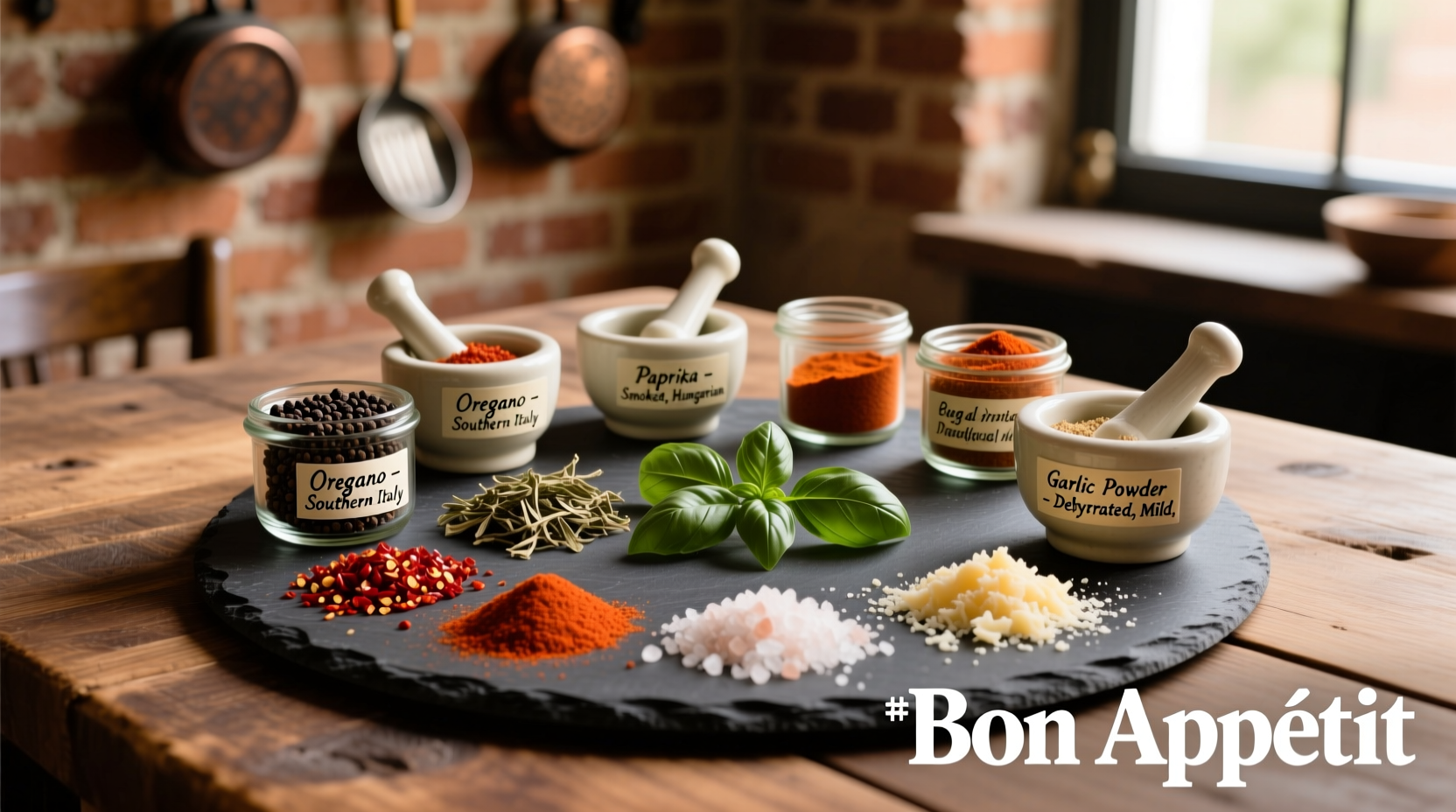
Seasonings for pizza refer to dried or fresh herbs, ground spices, salt varieties, and aromatic blends applied either during preparation or after baking to enhance flavor. Unlike toppings such as pepperoni or mushrooms, seasonings operate at the molecular level—amplifying savoriness (umami), balancing sweetness in tomato sauce, cutting through fat in cheese, or introducing brightness and complexity. Most traditional pizza seasonings originate from Mediterranean cuisine, particularly Italian culinary practices, where restraint and synergy are valued over boldness alone. The core philosophy centers on enhancing, not masking, the natural flavors of high-quality ingredients.
The most widely used seasonings include oregano, basil, garlic, red pepper flakes, and sea salt, but modern interpretations incorporate smoked paprika, fennel pollen, rosemary, and even citrus zest. These can be applied pre-bake (integrated into dough or sauce), during baking (sprinkled atop before oven entry), or post-bake (as finishing elements). Each method affects flavor intensity and aromatic release differently. For instance, dried oregano benefits from heat exposure, while fresh basil loses volatile oils if baked too long. Understanding these nuances separates functional seasoning from masterful flavor design.
Key Characteristics of Top Pizza Seasonings
Beyond personal preference, effective pizza seasonings share specific sensory and functional traits. The following table outlines the most impactful options, their flavor profiles, optimal uses, and chemical characteristics:
| Seasoning | Flavor Profile | Aroma | Heat Tolerance | Primary Culinary Function | Shelf Life (Dried) |
|---|---|---|---|---|---|
| Oregano (dried) | Earthy, slightly bitter, peppery | Pungent, warm | High – ideal for pre-bake use | Enhances tomato sauce depth | 2–3 years |
| Basil (fresh/dried) | Sweet, clove-like, mildly minty | Fragrant, floral | Low – best post-bake | Finishing brightness, visual appeal | 6 months (dried), 5 days (fresh) |
| Garlic (powder/fresh) | Pungent, savory, slightly sweet when roasted | Sharp, sulfurous | Medium – burns easily if raw | Umami foundation, aroma base | 3–4 years (powder) |
| Red Pepper Flakes (crushed chili) | Spicy, smoky, fruity | Warm, sharp | High – develops flavor under heat | Heat modulation, textural contrast | 2–3 years |
| Fennel Seeds (crushed) | Licorice-like, sweet, aromatic | Anise-forward | High – excellent in sausage blends | Meat pairing, digestive balance | 4 years |
| Rosemary (dried/fresh) | Piney, camphorous, resinous | Strong, herbal | High – use sparingly | Wood-fired accent, meat enhancement | 3 years |
| Sea Salt / Flaky Salt | Clean salinity, mineral notes | Neutral | Unaffected by heat | Flavor conductor, texture enhancer | Indefinite |
| Onion Powder | Sweet, mellow, umami-rich | Mild, savory | High – stable under heat | Background depth in sauces | 3–4 years |
Practical Usage: How to Apply Seasonings Effectively
Applying seasonings correctly is as important as selecting them. A poorly timed sprinkle can mute aromatics or create bitterness. The key is aligning each seasoning with its optimal thermal window and interaction point in the cooking process.
Pre-Bake Applications
Dried herbs and stable powders should be incorporated before baking to allow heat activation. Oregano, garlic powder, onion powder, and fennel seeds benefit from oven exposure, releasing deeper, rounded flavors. For example, mixing ½ teaspoon of dried oregano and ¼ teaspoon of garlic powder into every cup of tomato sauce builds a foundational layer that supports, rather than overwhelms, the final product.
In dough seasoning, flaky sea salt or crushed rosemary can be brushed onto focaccia-style bases before topping. This creates a seasoned crust that complements the interior. When using strong herbs like rosemary, crush lightly between fingers to release essential oils before application.
During Baking
Mid-intensity items like crushed red pepper flakes or grated Parmesan rind (used as a seasoning agent) can be added just before baking. The heat intensifies their impact without scorching. For spicy pizzas, distribute flakes evenly over mozzarella to ensure consistent heat distribution. Avoid placing them directly on bare dough, where they may burn.
Post-Bake Finishing
Fresh herbs and delicate salts belong here. Torn fresh basil leaves laid over a hot Margherita immediately after removal from the oven wilt slightly, releasing fragrance without turning black. Similarly, a light drizzle of olive oil followed by a pinch of Maldon salt or lemon zest elevates richness and adds textural contrast.
Pro Tip: Layer your seasonings. Start with garlic and oregano in the sauce, add red pepper flakes before baking, then finish with fresh basil and a grind of black pepper. This creates a three-dimensional flavor profile that evolves with each bite.
Variants & Types of Pizza Seasonings
Not all versions of a given herb or spice perform the same way on pizza. Understanding the differences ensures better results.
- Fresh vs. Dried Herbs: Fresh basil and oregano have brighter, greener notes but lack the concentrated earthiness of their dried counterparts. Use fresh for finishing; dried for cooking.
- Crushed vs. Whole Spices: Crushed fennel seeds release flavor faster and integrate better into sausage or rubs. Whole seeds offer bursts of flavor and are preferred in artisanal salumi.
- Regional Oregano Varieties: Greek oregano (Origanum vulgare hirtum) is more robust and less floral than Mexican oregano (Lippia graveolens), which has a sharper, woody tone better suited to chili-based applications.
- Garlic Forms: Fresh garlic provides pungency but risks burning. Roasted garlic paste offers sweetness and spreadability, ideal for white pizzas. Garlic powder delivers consistent, background savoriness.
- Salt Types: Fine sea salt dissolves quickly in sauces. Flaky salt (e.g., Maldon) is strictly a finishing agent, adding crunch and burst-of-salt sensation.
Some specialty seasonings have gained popularity in gourmet circles:
- Fennel Pollen: Extremely aromatic, honeyed, and rare—used sparingly on pork-topped pizzas for luxury appeal.
- Smoked Paprika: Adds subtle smokiness without heat; excellent on BBQ chicken or mushroom pizzas.
- Herbes de Provence: A French blend including thyme, rosemary, marjoram—works well on vegetable or goat cheese pizzas but use cautiously to avoid straying from Italian authenticity.
- Truffle Salt: Infused with real truffle essence; apply post-bake to preserve volatile compounds.
Comparison with Similar Ingredients
Many seasonings are mistaken for one another, leading to imbalanced flavors. Clarifying distinctions ensures proper usage.
| Ingredient Pair | Key Differences | Best Used For |
|---|---|---|
| Oregano vs. Marjoram | Marjoram is sweeter, milder, and more floral; oregano is robust and assertive. | Use marjoram in delicate seafood pizzas; oregano in meat-heavy or tomato-rich pies. |
| Thyme vs. Rosemary | Thyme is subtle and earthy; rosemary is strong and pine-like. Overuse of rosemary dominates. | Thyme blends well in sauces; rosemary suits wood-fired or lamb-topped pizzas in small amounts. |
| Red Pepper Flakes vs. Cayenne | Flakes provide texture and gradual heat; cayenne is pure, intense capsaicin with no mouthfeel. | Flakes for balanced spice; cayenne only in controlled blends (e.g., DIY seasoning mixes). |
| Italian Seasoning vs. Individual Herbs | Pre-mixed blends vary widely in quality and ratios; often over-rely on sage or thyme. | Build custom blends for control; reserve store-bought for convenience only. |
\"The mistake most home cooks make is treating all dried herbs the same. Oregano needs heat to shine. Basil dies under it. If you want restaurant-level flavor, treat each seasoning like an instrument in an orchestra—not noise, but part of a composition.\" — Marco Bellucci, Pizzaiolo and Culinary Instructor, Naples
Practical Tips & FAQs
How much seasoning should I use?
Start conservatively. For a standard 12-inch pizza:
- Dried oregano: ¼–½ tsp
- Garlic powder: ⅛–¼ tsp
- Red pepper flakes: ¼ tsp (adjust for heat tolerance)
- Fresh basil: 5–6 whole leaves, torn
- Sea salt (finishing): pinch (0.1–0.2g)
Adjust based on sauce volume and cheese saltiness. Remember: cheese contributes salt, so undersalt the sauce slightly.
Can I substitute fresh herbs for dried?
Yes, but adjust ratios. As a rule: 1 part dried herb = 3 parts fresh. So ½ tsp dried oregano ≈ 1½ tsp chopped fresh oregano. However, due to differing chemical profiles, this is a starting point, not a strict conversion.
When should I add garlic?
For even distribution and safety, cook garlic in the sauce. Sauté minced garlic in olive oil for 1 minute before adding tomatoes to prevent raw bite and bitterness. Alternatively, use roasted garlic paste blended into the sauce base.
What’s the best salt for pizza?
Use fine sea salt in sauce and dough for even dispersion. Reserve flaky sea salt (like Maldon or Fleur de Sel) for post-bake finishing to add crunch and salinity bursts.
How do I store dried seasonings?
Keep in airtight glass containers away from light, heat, and moisture. Most dried herbs retain potency for 1–2 years; ground spices up to 3–4 years. Test freshness by rubbing a pinch between fingers—if aroma is weak, replace.
Are pre-made pizza seasoning blends worth it?
Some are convenient, but many contain fillers (e.g., maltodextrin) or excessive salt. High-quality blends like Antica Dispensa or artisanal brands can be reliable. For full control, mix your own using: 2 parts dried oregano, 1 part garlic powder, 1 part onion powder, ½ part crushed red pepper, 1 part dried basil. Store in a jar for up to 6 months.
Does the type of oven affect seasoning choices?
Absolutely. Wood-fired ovens (900°F+) char toppings quickly, so delicate herbs burn. Rely on pre-bake seasonings and finish with fresh elements afterward. Home ovens (450–550°F) allow more flexibility—fresh herbs can be added mid-bake if shielded by cheese.
Storage Checklist:
✓ Label jars with purchase date
✓ Store away from stove (heat degrades oils)
✓ Keep whole spices when possible (grind as needed)
✓ Avoid clear containers (light reduces potency)
Summary & Key Takeaways
Mastering pizza seasonings is about precision, timing, and respect for ingredient integrity. The best results come not from loading on spices, but from strategic layering and informed selection. Dried oregano, garlic, and red pepper flakes form the backbone of most savory pies, while fresh basil and flaky salt serve as elegant finishing touches. Regional authenticity matters, but innovation—such as smoked paprika or fennel pollen—can elevate a pizza when used thoughtfully.
Remember these core principles:
- Apply dried, heat-stable seasonings pre-bake; reserve fresh, volatile ones for post-bake.
- Layer flavors: build depth in sauce, add heat before baking, finish with aroma and texture.
- Respect proportions—over-seasoning masks quality ingredients.
- Store herbs and spices properly to maintain potency.
- Understand the difference between similar herbs to avoid flavor mismatches.
Whether you’re perfecting a family recipe or experimenting with new combinations, the right seasonings turn good pizza into exceptional pizza. Treat them not as afterthoughts, but as essential tools in your culinary repertoire.
Ready to refine your pizza game? Try this challenge: Make two identical pies—one with only salt and cheese, the other with a layered seasoning approach (oregano in sauce, garlic sautéed, red pepper pre-bake, fresh basil post-bake). Taste the difference. That’s the power of seasoning done right.




 浙公网安备
33010002000092号
浙公网安备
33010002000092号 浙B2-20120091-4
Comments
No comments yet. Why don't you start the discussion?