
In tropical cities like Bangkok, Miami, or Mumbai, stepping outside can feel like walking into a steam room. The air clings to your skin, sweat mixes with pollution, and sebum production ramps up—creating a perfect storm for clogged pores, blackheads, and breakouts. Humidity doesn’t just make you uncomfortable; it fundamentally alters how your skin behaves. Without an adjusted routine, even those with naturally balanced skin can develop congestion and acne.
The good news? With the right approach, you can maintain a clear, matte, and resilient complexion—even in the most oppressive heat. This guide outlines a science-backed, dermatologist-approved skincare regimen tailored specifically for humid environments. From product selection to application timing, every detail matters when fighting pore congestion in high humidity.
Why Humid Climates Challenge Your Skin
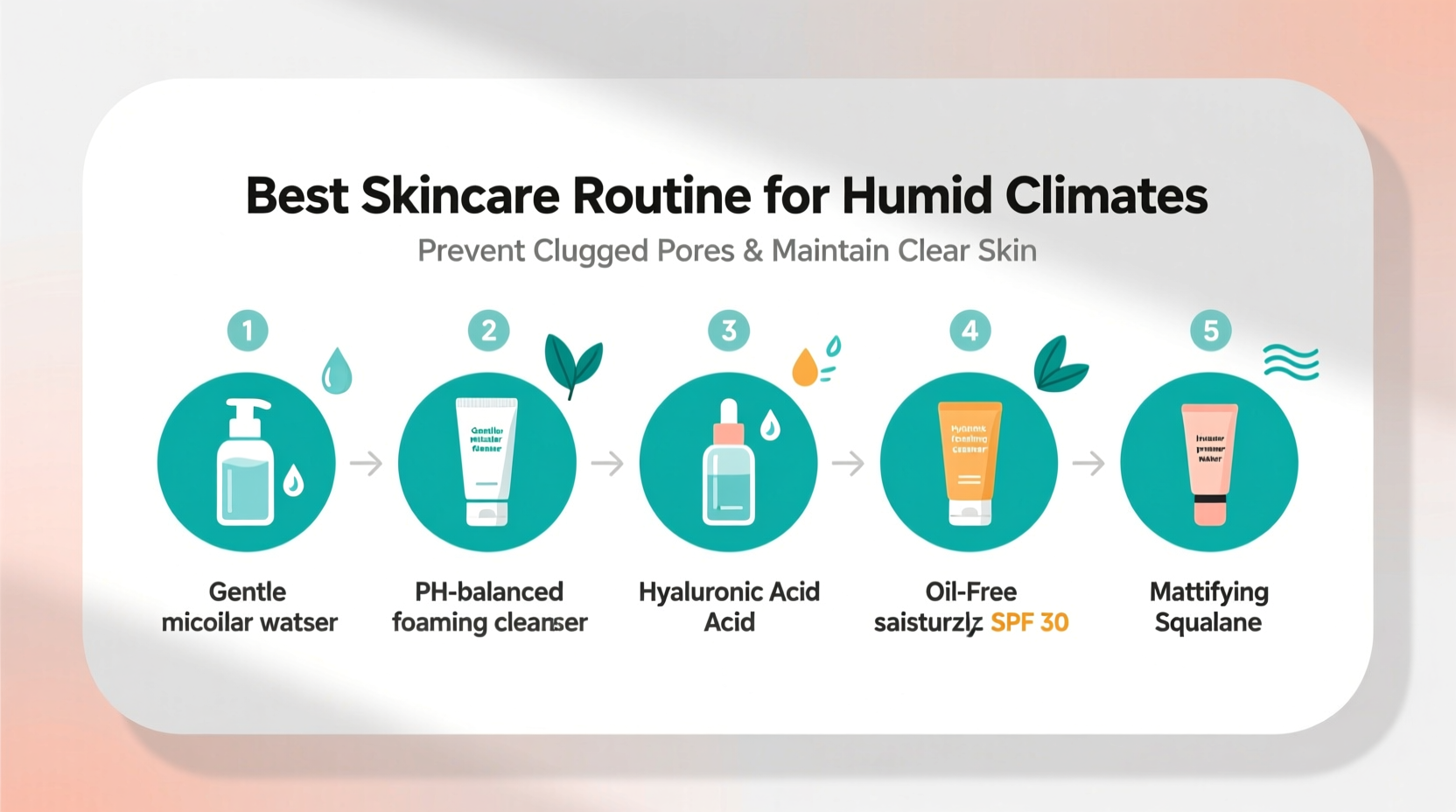
Humidity levels above 60% significantly impact the skin’s barrier function and sebum regulation. When moisture in the air is already high, your skin absorbs less from topical products and loses water more slowly. While this might sound beneficial, it often leads to overcompensation: oil glands go into overdrive, especially if they sense dehydration beneath the surface.
Compounding the issue, pollutants and airborne particles cling to damp skin, mixing with sweat and natural oils to form a film that blocks pores. This occlusion traps dead skin cells and bacteria, creating ideal conditions for comedones (blackheads and whiteheads) and inflammatory acne.
“High humidity increases transepidermal water loss disruption and sebum oxidation, both of which contribute to pore blockage and acne formation.” — Dr. Lena Torres, Board-Certified Dermatologist, Miami Skin Institute
Additionally, many people unknowingly worsen the problem by using heavy moisturizers or skipping cleansing after sweating. In humid zones, skincare must prioritize lightweight hydration, gentle exfoliation, and consistent removal of surface debris without stripping the skin.
Daily Routine: Step-by-Step Guide for Clear Pores
A successful routine in humid weather balances cleansing, regulating oil, and protecting the skin—all without over-drying. Here’s a morning and evening regimen designed to keep pores clear and skin calm.
Morning Routine (5 Steps)
- Cleanse with a water-based gel wash: Use a foaming or gel cleanser containing salicylic acid (0.5–2%) or niacinamide to remove overnight oil buildup and prep skin for daytime protection.
- Tone with a pH-balancing mist or liquid: Apply an alcohol-free toner with witch hazel, tea tree, or zinc PCA to tighten pores and reduce surface bacteria.
- Apply antioxidant serum: Use a vitamin C (L-ascorbic acid 10–15%) or ferulic acid formula to neutralize free radicals from UV and pollution exposure.
- Hydrate with a water-light moisturizer: Choose an oil-free, non-comedogenic gel-cream with hyaluronic acid or glycerin to hydrate without heaviness.
- Finish with broad-spectrum SPF 30+: Opt for a matte-finish, mineral or hybrid sunscreen labeled “non-comedogenic” to avoid clogging pores.
Evening Routine (6 Steps)
- Double cleanse (if wearing sunscreen/makeup): Start with an oil-based cleanser (like squalane) to dissolve SPF, then follow with a water-based cleanser to remove residue.
- Exfoliate 2–4 times per week: On exfoliation nights, use a leave-on chemical exfoliant with BHA (salicylic acid) or PHA (gluconolactone) to penetrate pores gently.
- Apply targeted treatment (as needed): Spot-treat active breakouts with benzoyl peroxide (2.5%) or azelaic acid (10%).
- Use a lightweight hydrating serum: Replenish with niacinamide (5%) or panthenol to support barrier health and reduce inflammation.
- Moisturize with a breathable formula: Even oily skin needs moisture—choose a gel-lotion hybrid free of coconut oil, lanolin, or petrolatum.
- Weekly clay mask (optional): Once weekly, apply a kaolin or bentonite clay mask to draw out impurities without overdrying.
Product Selection: Do’s and Don’ts
Not all “oil-free” labels are trustworthy. Some lightweight gels still contain hidden pore-cloggers. To help you navigate ingredient lists, here’s a comparison of recommended versus risky components.
| Category | Do’s (Safe & Effective) | Don’ts (Pore-Clogging Risks) |
|---|---|---|
| Cleansers | Glycolic acid, salicylic acid, decyl glucoside | Sodium lauryl sulfate (drying), heavy oils |
| Moisturizers | Hyaluronic acid, dimethicone (low concentration), squalane | Coconut oil, shea butter, lanolin, mineral oil |
| Sunscreens | Zinc oxide (micronized), silica, ethylhexyl methoxycinnamate | Oxybenzone (comedogenic for some), thick emollients |
| Exfoliants | Salicylic acid (BHA), lactic acid (AHA), PHAs | Physical scrubs with large beads, walnut shells |
| Actives | Niacinamide, azelaic acid, retinol (encapsulated) | Pure retinoids (too harsh unless acclimated) |
Always check products against the Comedogenic Scale, where ingredients rated 0–2 are generally safe, while those rated 4–5 (like cocoa butter or algae extract) are likely to clog pores.
Real-Life Example: Managing Breakouts in Ho Chi Minh City
Thao Nguyen, a 28-year-old graphic designer in Ho Chi Minh City, struggled with persistent chin and jawline acne despite washing her face twice daily. She used a creamy cleanser, rich night cream, and a tinted sunscreen—but saw no improvement. After consulting a local dermatologist, she learned her routine was trapping moisture and oil under occlusive layers.
Her new regimen replaced the heavy cream with a hyaluronic acid serum and gel moisturizer, switched to a salicylic acid cleanser, and added a bi-weekly BHA toner. Within six weeks, her breakouts decreased by 70%, and her skin felt smoother and less greasy throughout the day.
“I thought I needed moisture because my T-zone was shiny,” Thao said. “But actually, my skin was dehydrated underneath. Light layers made all the difference.”
Essential Checklist: Build Your Humidity-Proof Routine
To ensure you’re covering all bases, use this checklist when building or auditing your current routine:
- ☑ Double cleanse at night only if wearing sunscreen or makeup
- ☑ Use a water-based, foaming or gel cleanser morning and night
- ☑ Incorporate salicylic acid 2–3 times weekly for deep pore cleaning
- ☑ Apply a non-comedogenic, matte-finish sunscreen every morning
- ☑ Avoid heavy creams and butters—opt for gel or fluid textures
- ☑ Hydrate internally with water and electrolytes to support skin balance
- ☑ Wash pillowcases and phone screens twice weekly to reduce bacterial transfer
- ☑ Store skincare in a cool, dark place—heat degrades actives like vitamin C and retinol
FAQ: Common Questions About Skincare in Humid Weather
Can I skip moisturizer in humid weather?
No. Skipping moisturizer may trigger rebound oil production. Dehydrated skin signals the sebaceous glands to produce more sebum, worsening shine and congestion. Always use a lightweight, oil-free moisturizer—even if your skin feels oily.
Is it safe to use retinol in hot, humid climates?
Yes, but with caution. Retinol increases sun sensitivity and can cause irritation if combined with excessive sweating or strong actives. Use encapsulated retinol or low-concentration formulas (0.1–0.3%) 2–3 nights per week, always followed by moisturizer. Never pair with AHA/BHA on the same night initially.
How often should I exfoliate in high humidity?
2–4 times per week is ideal. Daily physical scrubbing damages the barrier, but regular chemical exfoliation (especially with salicylic acid) helps prevent buildup. Adjust frequency based on how your skin responds—peeling or redness means you’re overdoing it.
Final Thoughts: Consistency Over Intensity
Living in a humid climate doesn’t mean surrendering to shiny skin and constant breakouts. The key lies not in aggressive drying, but in intelligent balancing—removing excess without stripping, hydrating without weighing down, and protecting without suffocating pores.
Success comes from consistency, not extreme measures. A well-formulated, minimalist routine that respects your skin’s natural rhythm will outperform ten-step regimens loaded with conflicting ingredients. Pay attention to texture, absorption, and how your skin feels two hours after application—these cues matter more than marketing claims.
Start today by auditing your current products. Replace one heavy item with a lighter alternative. Introduce a BHA toner slowly. Track changes over three weeks. Small shifts compound into lasting clarity.




 浙公网安备
33010002000092号
浙公网安备
33010002000092号 浙B2-20120091-4
Comments
No comments yet. Why don't you start the discussion?