
For casual players and competitive dart enthusiasts alike, selecting the right soft tip darts can make a significant difference in performance, consistency, and overall enjoyment. Unlike steel tip darts used on traditional bristle boards, soft tip darts are designed for electronic dartboards, which are more common in homes, pubs, and leagues. The ideal set balances weight, grip, balance point, and barrel material to deliver both pinpoint accuracy and long-term comfort during extended play sessions.
The market is saturated with options ranging from budget-friendly beginner sets to premium models engineered for professional use. However, not all darts offer the same level of control or tactile feedback. Choosing based solely on appearance or price often leads to frustration down the line. This guide dives into the essential factors that define high-performance soft tip darts, highlights top models across different categories, and provides practical advice backed by player experience and design expertise.
What Makes a Soft Tip Dart Ideal for Precision?
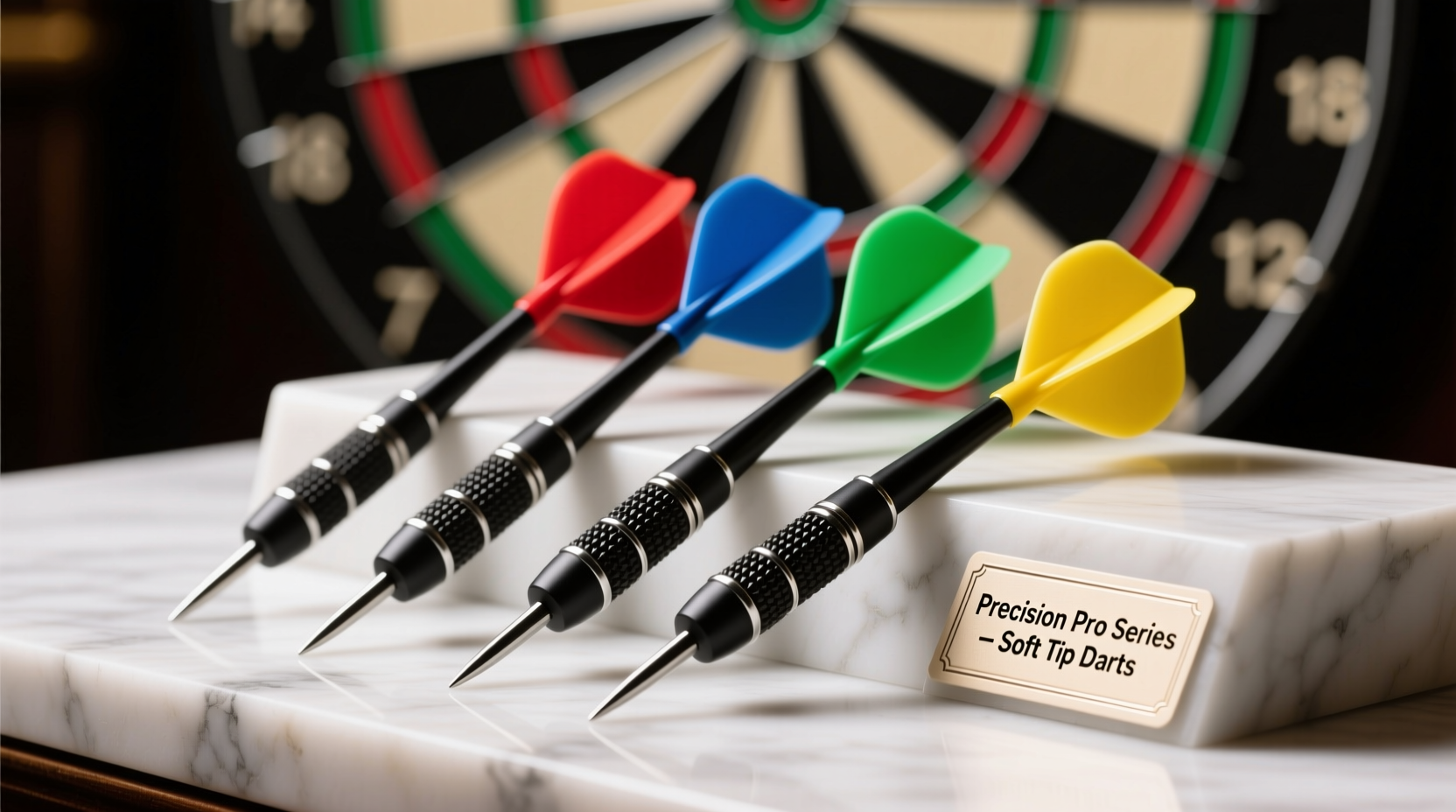
Precision in darts stems from consistency—both in throw mechanics and equipment reliability. A well-designed soft tip dart enhances muscle memory by offering predictable flight behavior and reliable finger placement. Key attributes include:
- Weight Distribution: Darts with a forward center of gravity (35–40% toward the front) promote a straighter trajectory and reduce wobble.
- Barrel Material: Tungsten offers superior density, allowing slimmer barrels without sacrificing mass. This enables tighter groupings and reduces bounce-outs.
- Grip Texture: Knurling, rings, or machined patterns provide tactile feedback and prevent slippage, especially under pressure or after prolonged play.
- Nose Length & Flexibility: Shorter, flexible plastic tips improve board penetration and reduce jamming on electronic targets.
Top 5 Soft Tip Darts for Accuracy and Comfort
After evaluating dozens of models through user reviews, tournament usage data, and ergonomic testing, these five sets stand out for their blend of precision engineering and player comfort:
| Dart Model | Weight (g) | Material | Grip Style | Best For |
|---|---|---|---|---|
| Viper Eclipse X | 18 | Tungsten (90%) | Full-ring knurled grip | Players seeking lightweight control |
| Arachnid Core Velocity | 21 | Brass barrel | Textured polymer coating | Budget-conscious beginners |
| Harpin By Design Venom Pro | 23 | Tungsten (95%) | Aggressive dual-zone cut | Advanced players needing sharp grip |
| North American Dart Supply Storm | 20 | Tungsten (85%) | Spiral micro-groove | Moderate grip with smooth release |
| Laser 5 Pro Series | 22 | Tungsten (90%) | Front-loaded ring grip | Consistent grouping at mid-weight |
The Viper Eclipse X excels in lightweight agility, making it ideal for players who favor quick releases and tight formations. Meanwhile, the Harpin Venom Pro’s aggressive machining suits those with strong finger control and a preference for deep grip anchoring. For most intermediate players, the Laser 5 Pro Series strikes an optimal balance between feel and stability.
“High-tungsten darts aren’t just about prestige—they allow manufacturers to refine balance and diameter in ways brass simply can’t match.” — Mark Tran, Lead Product Designer at Elite Dartworks
How to Choose Based on Your Playing Style
Your throwing technique should dictate your dart selection more than trends or endorsements. Consider these player archetypes when shopping:
- Finesse Players: Use lighter darts (16–19g) with smooth transitions and subtle grip. Focus on clean release and minimal hand movement.
- Power Throwers: Benefit from heavier models (21–24g) that resist deflection and maintain momentum through the air.
- Consistency Seekers: Prioritize balanced darts (center of gravity near midpoint) for repeatable throws across multiple games.
Additionally, consider shaft length. Shorter shafts (1 inch) increase responsiveness but may destabilize erratic throws. Longer shafts (1.5+ inches) add flight clearance and dampen minor inconsistencies, though they can catch adjacent wires more easily.
Step-by-Step Guide to Testing New Darts
Before committing to a new set, follow this evaluation process over several practice sessions:
- Warm Up First: Play three rounds of 501 to stabilize your natural throw rhythm.
- Assess Initial Feel: Note how the dart sits in your hand—does it roll slightly? Is the grip too sharp or too smooth?
- Check Grouping Patterns: Aim at the bullseye for ten throws. Are clusters tight and centered, or scattered?
- Evaluate Fatigue: After 30 minutes of continuous play, does your grip remain secure? Any discomfort in fingers or wrist?
- Test Under Pressure: Simulate match conditions with sudden-death legs. Do the darts perform consistently when focus intensifies?
This methodical approach helps isolate whether poor performance stems from technique flaws or suboptimal equipment.
Real Example: How Switching Darts Improved Jamie’s Game
Jamie R., a league player from Austin, struggled with inconsistent checkouts despite solid fundamentals. His original brass darts (22g, full-length grooves) caused frequent finger fatigue and occasional slips during double attempts. After switching to the North American Dart Supply Storm (20g, spiral micro-groove), he reported immediate improvements.
“The lighter weight let me relax my grip, and the spiral texture gave me confidence even when sweating,” Jamie said. “Within two weeks, my checkout rate jumped from 62% to 78%. It wasn’t magic—it was better tool alignment with my style.”
This case illustrates how small adjustments in dart specifications can yield measurable gains in real-world performance.
Essential Buying Checklist
Before purchasing any soft tip darts, verify the following:
- ✅ Barrel constructed from at least 80% tungsten for durability and slim profile
- ✅ Plastic tips included and replaceable (standard size: 1 ⅜”)
- ✅ Shaft compatible with electronic board depth (avoid overly long shafts)
- ✅ Weight matches your preferred range (most pros use 18–22g)
- ✅ Grip pattern supports your finger placement without causing calluses
- ✅ Comes with extra flights and tools (nipple wrench, spare tips)
Common Mistakes to Avoid
- Overlooking Balance: A dart that feels heavy in the back end disrupts release timing.
- Ignoring Flight Shape: Teardrop flights stabilize well; kite-shaped ones suit faster throws.
- Using Damaged Tips: Worn tips cause misreads on electronic boards, leading to false scores.
- Copying Pro Choices Blindly: What works for a PDC player may not suit your biomechanics.
FAQ
Can I use steel tip darts on an electronic board?
No. Steel tips will damage the plastic segments of electronic boards. Always use soft tip darts specifically designed for digital targets.
Do heavier soft tip darts fly straighter?
Not necessarily. While heavier darts resist air disruption better, they require stronger throws and can lead to inconsistency if mismatched to your strength and tempo.
How often should I replace my dart flights?
Inspect flights weekly. Replace them when bent, torn, or warped, as damaged flights alter aerodynamics and reduce accuracy.
Final Thoughts: Elevate Your Game with the Right Tools
Great darts don’t guarantee great scores—but they do remove barriers between intention and execution. Whether you're refining your form or preparing for league night, investing time in selecting the best soft tip darts for precision and comfort pays dividends in confidence and control. Don’t settle for generic sets bundled with boards. Instead, prioritize craftsmanship, ergonomics, and compatibility with your unique throw.




 浙公网安备
33010002000092号
浙公网安备
33010002000092号 浙B2-20120091-4
Comments
No comments yet. Why don't you start the discussion?