
Inflatable stand up paddle boards (SUPs) have revolutionized water sports, offering unmatched portability, durability, and performance across lakes, rivers, and oceans. Whether you're a beginner taking your first strokes or an experienced paddler exploring coastal routes, today’s top inflatable SUPs deliver stability, rigidity, and versatility that rival hardboards. With so many models on the market, choosing the right one can be overwhelming. This guide breaks down the best inflatable SUPs for every skill level, highlights key features to consider, and provides expert-backed advice to help you make a confident decision.
Why Inflatable SUPs Are the Smart Choice
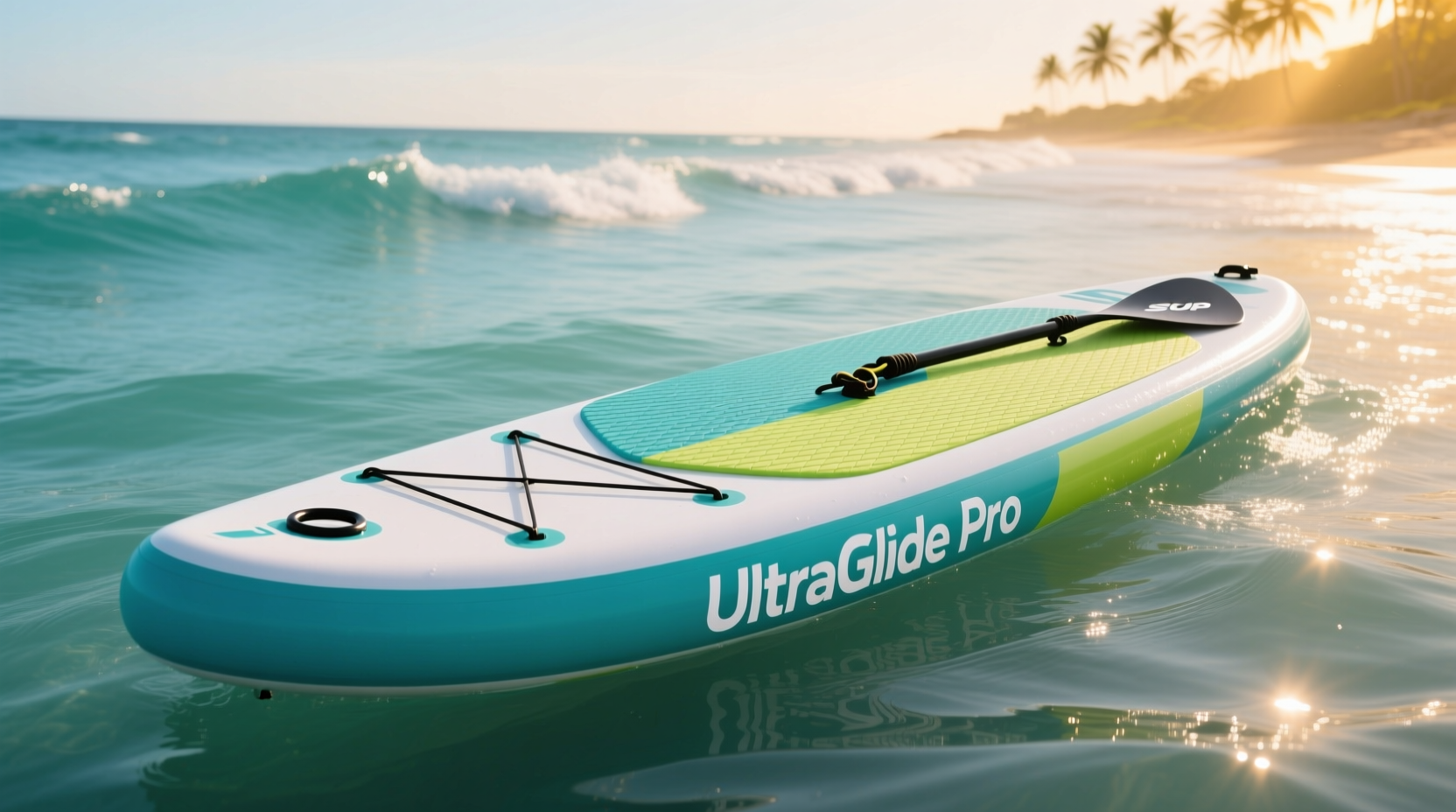
Gone are the days when inflatable boards were seen as flimsy or less capable. Modern drop-stitch construction and high-pressure materials allow inflatables to reach 15–20 PSI, creating a rigid platform that performs like a traditional epoxy board. Their lightweight design, compact storage size, and resistance to dings make them ideal for travelers, city dwellers, and families.
Additionally, inflatables are safer in crowded areas and around children due to their soft edges. They’re also easier to transport—no roof rack required. Just roll it into a backpack and go.
Top 5 Inflatable SUPs for Every Skill Level
The best inflatable SUP depends on your experience, intended use, and body type. Below is a curated list of top-performing boards categorized by skill level and purpose.
| Model | Skill Level | Length x Width | Weight Capacity | Key Feature |
|---|---|---|---|---|
| Bluefin Cruise 10'6 | Beginner | 10'6\" x 33\" | 250 lbs | Excellent stability, modular accessory system |
| ISLE Explorer | Beginner-Family | 10'8\" x 34\" | 300 lbs | All-around family-friendly design, durable PVC |
| Red Paddle Co Ride 10'6 | Intermediate | 10'6\" x 32\" | 220 lbs | Maneuverable with Red's patented RSS battens |
| Manawa One Pro | Intermediate-Advanced | 11'6\" x 31\" | 240 lbs | Performance-oriented, lightweight, fast-tracking |
| NIXY Voyager X7 | All Levels | 10'8\" x 33\" | 275 lbs | Budget-friendly with premium features |
Best for Beginners: Bluefin Cruise 10'6
With its wide deck and excellent primary stability, the Bluefin Cruise 10'6 is perfect for new paddlers. It comes with a comprehensive kit including a dual-action pump, adjustable paddle, and repair kit. The integrated deck pad offers grip, while multiple D-rings allow attachment of a kayak seat or action camera mount.
Best All-Around Value: NIXY Voyager X7
For those balancing cost and quality, the NIXY Voyager delivers exceptional value. It features military-grade PVC, a full-length EVA foam deck, and a streamlined shape suitable for yoga, touring, and casual paddling. Its 10'8\" length strikes a balance between stability and glide efficiency.
Best for Performance: Manawa One Pro
Designed for fitness enthusiasts and touring paddlers, the Manawa One Pro excels in tracking and speed. Its tapered nose and reinforced rails reduce drag, making it ideal for longer distances. At just 22 lbs, it’s one of the lightest high-performance inflatables available.
“Modern inflatables have closed the performance gap with hardboards. For most recreational and even competitive paddlers, they’re the smarter choice.” — Dr. Lena Torres, Outdoor Recreation Researcher, University of Oregon
What to Look for When Choosing an Inflatable SUP
Not all inflatable SUPs are created equal. Understanding the technical aspects ensures you invest in a board that matches your needs.
- Construction: Look for double-layered PVC with drop-stitch cores. Higher thread counts mean better durability.
- Volume and Weight Capacity: Heavier riders or those planning to carry gear should opt for higher volume (over 280L).
- Fins: Removable center fins improve tracking. Three-fin setups offer more control in choppy water.
- Deck Pad: A full EVA foam deck enhances comfort and grip, especially during yoga or long sessions.
- Pump Quality: A dual-chamber hand pump reduces inflation time. Some brands now include electric pumps.
Real-World Example: Sarah’s Weekend Paddling Journey
Sarah, a 32-year-old teacher living in Denver, wanted to start paddleboarding but didn’t own a car with a roof rack. She chose the ISLE Explorer after reading reviews highlighting its family-friendly design and high weight capacity. She stores it under her bed and takes it to nearby reservoirs on weekends. “I was nervous at first,” she said, “but the board is so stable, I stood up within ten minutes. Now my dog joins me—it holds both of us with room to spare.”
Sarah’s experience reflects a growing trend: urban adventurers using inflatables to access nature without logistical hurdles. Her board’s durability has held up through rocky shorelines and sun exposure, proving that thoughtful design meets real-world demands.
Step-by-Step Guide: How to Set Up and Care for Your Inflatable SUP
- Unroll the board on a flat, debris-free surface. Avoid sharp objects or hot pavement.
- Attach the fin(s) securely into the fin box. Ensure it’s tight to prevent wobbling.
- Connect the pump to the valve and begin inflating. Use a pressure gauge to reach the recommended PSI.
- Check stiffness by pressing on the deck. It should feel solid, not spongy.
- Rinse after each use with fresh water, especially if used in saltwater or chlorinated pools.
- Dry completely before deflating and rolling to avoid mildew.
- Store in a cool, dry place, away from direct sunlight. Never leave it inflated in extreme temperatures.
Common Mistakes to Avoid
- Over-inflating beyond the recommended PSI, which can damage seams.
- Rolling the board while still damp, leading to mold growth.
- Leaving the board exposed to UV rays for extended periods.
- Using chemical cleaners that degrade PVC layers.
- Ignoring fin alignment, which affects tracking and efficiency.
FAQ
How long do inflatable SUPs last?
With proper care, most high-quality inflatable SUPs last 5–7 years. Regular cleaning, correct inflation, and avoiding UV exposure extend lifespan significantly.
Can you surf waves with an inflatable SUP?
Yes, but choose a shorter, more agile model designed for surfing, such as the Red Paddle Co Whip or iRocker Surf. Inflatables are more forgiving on wipeouts, making them great for learning.
Are inflatable SUPs slower than hardboards?
Historically, yes—but modern designs have minimized the difference. High-performance inflatables like the Manawa One Pro or Blackfish Stealth track and glide nearly as efficiently as epoxy boards.
Final Checklist Before Buying
- ✅ Determine your primary use:
- Touring, yoga, fishing, surfing, or family recreation?
- ✅ Check weight and volume specs:
- Ensure the board supports your weight plus gear.
- ✅ Verify included accessories:
- Pump, paddle, leash, repair kit, and carry bag should be standard.
- ✅ Research warranty:
- Look for at least a 2-year manufacturer warranty against material defects.
- ✅ Read user reviews:
- Pay attention to long-term durability feedback, not just initial impressions.
Conclusion: Find Your Perfect Match on the Water
The best inflatable stand up paddle board isn’t about the highest price or the most features—it’s about finding the right fit for your lifestyle and skill level. From the ultra-stable Bluefin Cruise for beginners to the sleek Manawa One Pro for seasoned paddlers, today’s market offers exceptional choices. With smart selection and consistent care, your inflatable SUP can provide years of adventure, fitness, and connection with nature.




 浙公网安备
33010002000092号
浙公网安备
33010002000092号 浙B2-20120091-4
Comments
No comments yet. Why don't you start the discussion?