
For aspiring vloggers, choosing the right camera is a pivotal step toward building a professional presence. While iPhones have become capable tools for casual content creation, they fall short in key areas like manual controls, audio input flexibility, and consistent stabilization under varied conditions. A dedicated vlogging camera offers superior image quality, better low-light performance, and accessories tailored for creators. This guide focuses on accessible, user-friendly cameras ideal for beginners who want to move beyond smartphone limitations without overspending.
Why a Dedicated Camera Beats an iPhone for Vlogging
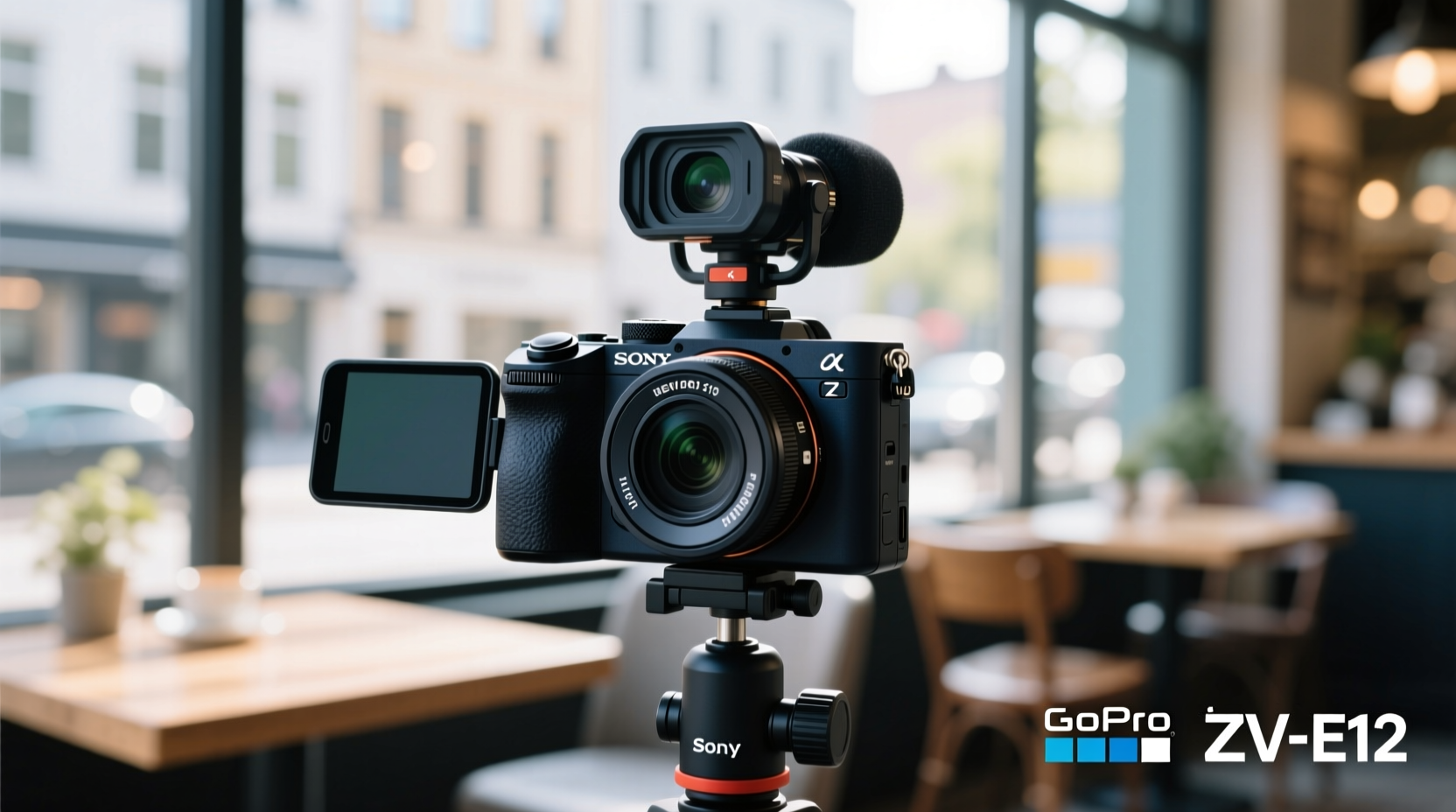
Smartphones are convenient, but they lack the customization and reliability needed for growing channels. iPhones, despite their impressive sensors and computational photography, operate within closed ecosystems. You can’t swap lenses, use external microphones freely, or adjust settings with precision. Battery life drains quickly during extended recording, and overheating is common when shooting 4K for more than 20 minutes.
Dedicated vlogging cameras offer features specifically designed for content creators: flip-out screens, built-in gimbals or advanced digital stabilization, clean HDMI output, and robust autofocus systems. They’re also optimized for continuous recording, often supporting hot-swappable batteries and larger storage cards.
“Transitioning from phone to a purpose-built vlogger camera immediately improved my framing consistency and audio integration.” — Jordan Lee, travel vlogger with 350K YouTube subscribers
Top 5 Starter Cameras for Vlogging (Non-iPhone)
Below is a curated list of beginner-friendly vlogging cameras that balance price, performance, and ease of use. These models prioritize front-facing screen visibility, reliable autofocus, and solid stabilization—key traits for solo creators.
- Sony ZV-1 (Mark I & Mark II)
- Panasonic Lumix G7 + 12-32mm Kit Lens
- Canon PowerShot V10
- Fujifilm X-T30 II
- DJI Pocket 3
Sony ZV-1: The Vlogger’s First Choice
The Sony ZV-1 remains one of the most popular vlogging-specific compact cameras. Designed with influencers in mind, it features a fully articulating touchscreen, excellent skin-tone rendering, and AI-powered autofocus that locks onto faces and eyes—even when moving. The Mark II version improves dynamic range with a larger APS-C sensor and adds a vertical video mode for social media platforms.
Its compact size makes it easy to carry, and the built-in directional microphone reduces background noise significantly. It lacks interchangeable lenses, but for most new vloggers, this trade-off is acceptable given its plug-and-play simplicity.
Panasonic Lumix G7: Best Value Mirrorless Option
While slightly bulkier, the G7 paired with the 12-32mm lens delivers exceptional value. It shoots 4K at 30fps with no crop, a rarity in its price range. The large Micro Four Thirds sensor performs well in indoor lighting, and the deep menu system introduces users to manual photography as they grow.
The swivel LCD is essential for framing self-vlogs, and unlimited recording time makes it ideal for long takes or interviews. However, beginners may find the interface overwhelming at first.
Canon PowerShot V10: Ultra-Compact and Social-First
Canon’s PowerShot V10 is a palm-sized cube-shaped camera aimed squarely at TikTok and Instagram creators. It mounts directly onto a tripod or selfie stick and features a magnetic base for quick attachment. With 4K recording, a wide-angle lens, and built-in stereo mics, it’s perfect for tight spaces or on-the-go filming.
It connects via USB-C for live streaming and powers over mobile power banks, extending field usability. Its main limitation is the small 1-inch sensor, which struggles in dim environments compared to larger-sensor rivals.
Fujifilm X-T30 II: Creative Control Meets Quality
This mirrorless camera appeals to those interested in both photography and videography. Its retro design hides a powerful processor and film simulation modes that produce cinematic colors straight out of camera—ideal for vloggers who dislike heavy editing.
The X-T30 II supports 4K/30p, has excellent color science, and works seamlessly with Fujifilm’s XF and XC lenses. However, it lacks in-body stabilization and has a shorter battery life, so carrying spares is necessary.
DJI Pocket 3: Smallest Stabilized Camera with Big Features
The DJI Pocket 3 redefines portability. Equipped with a three-axis gimbal, it captures buttery-smooth footage even while walking. Its 1-inch sensor outperforms most smartphones in dynamic range and low light, and the rotating touchscreen allows effortless switching between front and rear views.
Voice tracking uses AI to follow your voice directionally, reducing ambient noise. It records up to 4K/60fps and supports external mics via a wireless module. The only downside? Limited zoom control and no optical zoom lens.
Comparison Table: Key Features at a Glance
| Camera | Max Video Resolution | Screen Type | Stabilization | Price Range (USD) |
|---|---|---|---|---|
| Sony ZV-1 Mark II | 4K/30p | Articulating Touchscreen | Digital (Active Mode) | $898 |
| Panasonic G7 | 4K/30p (no crop) | Swivel LCD | None (lens-based only) | $450 (body + kit lens) |
| Canon PowerShot V10 | 4K/30p | Fixed Rotating Screen | Digital | $449 |
| Fujifilm X-T30 II | 4K/30p | Tilt Screen | None | $899 (body only) |
| DJI Pocket 3 | 4K/60p | Rotating Touchscreen | Mechanical (3-axis gimbal) | $669 |
Step-by-Step Guide to Choosing Your First Vlogging Camera
Selecting the right tool doesn’t have to be overwhelming. Follow this logical process to identify the best fit for your needs and budget.
- Define Your Content Style: Are you filming static talking-head videos, walking tours, or fast-paced challenges? Stationary vlogs favor cameras with good audio inputs; dynamic ones need strong stabilization.
- Set a Realistic Budget: Include essentials like memory cards, extra batteries, and a basic microphone. Aim for $500–$900 total for a functional setup.
- Prioritize Key Features: For vlogging, screen visibility, autofocus reliability, and audio quality matter more than megapixels.
- Test Ergonomics: If possible, hold demo units. Can you comfortably frame yourself? Is the screen visible in sunlight?
- Check Accessory Ecosystem: Ensure availability of affordable mounts, cases, and compatible mics. Brands like Sony and Panasonic have wider third-party support.
- Buy Used or Refurbished: Platforms like B&H, KEH, or MPB offer certified pre-owned gear with warranties, helping stretch your budget.
Real-World Example: How Mia Upgraded Her Channel
Mia ran a lifestyle vlog using her iPhone 13 for nine months. While her content was engaging, viewers frequently commented on shaky footage and inconsistent exposure when she moved between rooms. She invested $700 in a DJI Pocket 3 and a Rode Wireless GO II mic.
Within two weeks, her watch time increased by 22%. The mechanical stabilization eliminated handheld jitter, and the external mic made her voice sound crisp even near traffic. “I didn’t realize how much the audio was turning people off,” she said. “Now, my videos feel like they belong on TV.”
She later added a small LED panel for indoor shots, completing a sub-$900 ecosystem that outperformed her previous phone rig.
Essential Accessories Checklist
A camera is just the start. Complete your vlogging kit with these must-have items:
- Extra SD cards (UHS-I Speed Class 3 or higher)
- At least one spare battery (two recommended for full-day shoots)
- Unidirectional lavalier or shotgun microphone
- Compact tripod or gorilla pod with phone mount
- Portable diffuser or reflector for natural light shaping
- Camera cage or protective case for durability
- USB-C hub (for live streaming or direct PC connection)
“Your first thousand dollars should go 60% to camera, 30% to audio, 10% to lighting. Never reverse that order.” — Alex Tran, video production coach
Common Mistakes New Vloggers Make
Even with the right gear, poor practices can undermine results. Avoid these pitfalls:
- Ignoring Audio Quality: Viewers forgive soft visuals but rarely tolerate bad sound.
- Overlooking Lighting: Natural light is free—shoot near windows or invest in a $50 ring light.
- Skipping Framing Rules: Use the rule of thirds and leave headroom to look polished.
- Buying Too Many Gadgets Early: Master one camera before adding gimbals, lights, or drones.
- Not Charging Batteries Before Shoots: Always verify all batteries are fully charged and formatted SD cards work.
FAQ: Common Questions About Starter Vlogging Cameras
Can I use a DSLR for vlogging as a beginner?
Yes, but only if you're willing to learn manual settings. Entry-level DSLRs like the Canon EOS Rebel T7i are capable but lack flip screens and modern autofocus found in mirrorless alternatives. For true beginners, a mirrorless or compact vlogging cam is easier to master.
Do I need 4K video for YouTube?
Not strictly. 1080p at 30fps looks excellent on most devices and requires less storage and processing power. However, 4K gives you flexibility in post-production (like cropping) and future-proofs your content.
Is the DJI Pocket 3 worth it over a traditional camera?
If mobility and stabilization are priorities, absolutely. It excels in motion-heavy scenarios like hiking, biking, or urban exploration. But for studio-style vlogs or interviews, a camera with a larger screen and better low-light performance may serve you better.
Final Thoughts: Start Smart, Grow Confidently
Choosing the best starter camera for vlogging isn’t about chasing specs—it’s about finding a reliable partner that grows with your skills. The Sony ZV-1 and DJI Pocket 3 lead the pack for plug-and-play excellence, while the Panasonic G7 and Fujifilm X-T30 II offer room to evolve into advanced filmmaking.
Remember, great vlogging hinges not on gear alone, but on consistency, authenticity, and clarity of message. Invest wisely, focus on storytelling, and let your equipment fade into the background where it belongs.




 浙公网安备
33010002000092号
浙公网安备
33010002000092号 浙B2-20120091-4
Comments
No comments yet. Why don't you start the discussion?