
Dogs have many curious habits, but coprophagia—the act of eating feces—is one of the most distressing for pet owners. While it’s more common than many realize, especially in puppies and certain breeds, allowing this behavior to continue can lead to health risks such as intestinal parasites, bacterial infections, or exposure to toxins. The good news is that with consistent training, environmental management, and sometimes medical intervention, you can successfully break this habit. This guide outlines practical, science-backed strategies to help you stop your dog from eating poop in the yard for good.
Understanding Why Dogs Eat Poop
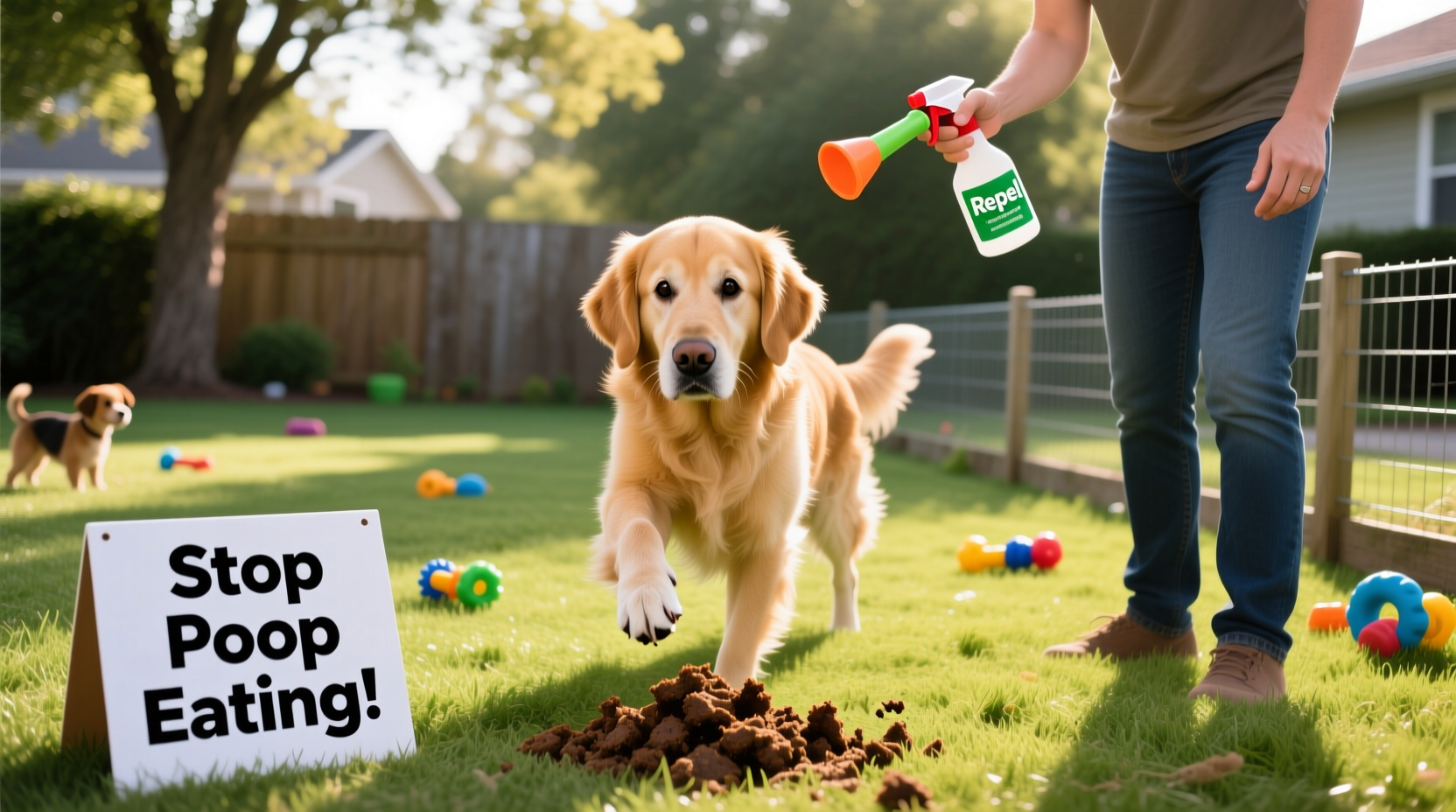
Coprophagia may seem bizarre, but it often stems from natural instincts or underlying issues. In the wild, mother dogs clean their den by consuming their puppies’ waste to avoid attracting predators. Some domestic dogs retain this instinct. Others may eat poop due to boredom, anxiety, attention-seeking, or nutritional deficiencies. Puppies are especially prone to this behavior as part of their exploratory phase.
In some cases, medical conditions like malabsorption syndromes, enzyme deficiencies, diabetes, or thyroid disorders can increase appetite and lead to unusual eating behaviors. If your dog suddenly starts eating feces or shows other symptoms like weight loss, diarrhea, or excessive hunger, consult a veterinarian before assuming it's purely behavioral.
“While occasional stool consumption is not uncommon in young dogs, persistent coprophagia warrants investigation into both medical and behavioral causes.” — Dr. Karen Becker, DVM, Integrative Veterinarian
Immediate Prevention: Environmental Management
The first line of defense is reducing access. If feces are readily available in the yard, your dog will be tempted. Consistent cleanup is essential.
Pick up waste immediately after your dog defecates. Use a pooper-scooper or biodegradable bags to maintain hygiene. Ideally, do this multiple times a day if your dog spends extended periods outdoors. A clean yard removes the opportunity and gradually reduces the reinforcement of the behavior.
If you have multiple pets, clean all waste promptly, including cat feces. Many dogs are particularly drawn to cat litter because of its high protein content. Keep outdoor litter boxes inaccessible or use covered litter systems if indoors.
Secure Yard Access
Consider limiting unsupervised yard time until the behavior improves. Use a leash during potty breaks to control movement and redirect attention. You can also section off areas of the yard where waste tends to accumulate, making them off-limits.
Behavioral Training Techniques
Training requires patience and consistency. The goal is to teach your dog an alternative behavior and reinforce it strongly.
Leave-It Command
This foundational command is crucial. Begin training indoors with low distractions using treats.
- Hold a treat in your closed hand and let your dog sniff it.
- When they pull back or stop nudging, say “Leave it” and immediately reward with a different treat from your other hand.
- Repeat until your dog looks at you or backs away upon hearing the cue.
- Progress to placing a treat on the floor, covering it with your hand, and using the command.
- Eventually practice near actual feces (use a plastic replica at first if needed).
Once mastered, use “Leave it” the moment your dog sniffs or approaches waste. Reward compliance generously with high-value treats like boiled chicken or cheese.
Redirection and Positive Reinforcement
Instead of only saying “no,” redirect your dog’s focus. Carry treats or a favorite toy during outdoor walks or yard time. When your dog moves toward feces, call their name or use a cue like “Come!” or “Look!” and reward heavily when they respond.
Over time, your dog learns that ignoring waste leads to better rewards than consuming it.
| Training Method | How It Works | Success Tips |
|---|---|---|
| Leave-It Command | Teaches dog to disengage from undesirable items | Use high-value rewards; practice daily in low-distraction settings first |
| Redirection | Shifts focus to positive alternatives | Have toys/treats ready; reward instantly |
| Out-of-Sight, Out-of-Mind | Removes temptation entirely | Scoop poop immediately; supervise closely |
Using Taste Deterrents
Taste aversion is a widely used strategy. The idea is to make feces unappealing by adding substances that alter the taste.
Commercial products like For-Bid, Deter, or Potty Mouth are designed to be mixed with food. These contain enzymes or bitter compounds that pass through the digestive system and make stool taste unpleasant. Results vary, but many owners report success within 1–2 weeks of consistent use.
You can also try natural deterrents by adding a small amount of canned pumpkin (not pie filling), pineapple, or spinach to your dog’s meals. These foods slightly alter stool composition and odor, which may reduce appeal. Pineapple contains bromelain, an enzyme some believe makes feces less palatable—though scientific evidence is anecdotal.
Note: Never apply sprays directly to feces in the yard, as this can expose your dog to unsafe chemicals and isn’t practical for ongoing management.
Addressing Underlying Health and Nutritional Issues
If behavioral strategies fail, consider medical causes. Dogs fed low-quality diets may not absorb nutrients efficiently, leading to increased appetite and odd cravings. Switching to a highly digestible, premium dog food with real meat as the first ingredient can resolve subtle deficiencies.
Some dogs benefit from digestive enzyme supplements or probiotics, especially if they’ve had gastrointestinal issues. These support gut health and nutrient absorption, potentially reducing the drive to seek nutrition from non-food sources.
Your vet may recommend blood tests, fecal exams, or a trial diet change to rule out conditions like exocrine pancreatic insufficiency (EPI) or parasitic infections. Treating the root cause often eliminates the symptom.
Checklist: Is Your Dog’s Diet Supporting Healthy Behavior?
- ✅ High-quality protein source listed as the first ingredient
- ✅ No excessive fillers (corn, soy, by-products)
- ✅ Appropriate calorie count for age, size, and activity level
- ✅ Fed consistently at scheduled times (free-feeding increases scavenging)
- ✅ Supplemented with vet-approved additives if needed (e.g., enzymes)
Real-Life Example: Turning Around a Persistent Habit
Milo, a two-year-old Labrador mix, had a long-standing habit of eating his own feces shortly after elimination. His owner, Sarah, tried scolding and leashing him outside, but the behavior continued. After consulting her vet, she ruled out medical issues and began a structured training plan.
She started picking up waste within seconds of Milo defecating. She introduced the “Leave it” command during daily 10-minute sessions and carried chicken cubes during potty breaks. Whenever Milo looked toward stool, she said “Leave it,” and when he obeyed, she rewarded him with praise and a treat. Within three weeks, Milo consistently looked to her instead of the ground. By week six, the behavior had stopped completely.
The key was consistency—Sarah never allowed unsupervised yard time during the training phase. She also added a spoonful of plain pumpkin to his meals, which helped firm his stool and may have altered its taste. Today, Milo remains poop-free and responds reliably to commands even in distracting environments.
Common Mistakes That Sabotage Progress
Even well-intentioned owners can unintentionally reinforce the behavior. Avoid these pitfalls:
- Reacting emotionally: Yelling or chasing your dog can turn poop-eating into a game of keep-away.
- Inconsistent cleanup: Leaving waste overnight gives your dog repeated opportunities to practice the habit.
- Delayed rewards: If you reward too late, your dog won’t connect the behavior with the treat.
- Free-feeding: Unrestricted access to food can encourage overeating and scavenging behaviors.
- Ignoring supervision: Allowing your dog to roam the yard alone ensures you can’t intervene when temptation arises.
Frequently Asked Questions
Is eating poop dangerous for dogs?
Yes, it can be. Consuming feces—especially from other animals—exposes dogs to parasites like roundworms, hookworms, and giardia. It can also lead to bacterial infections such as salmonella or E. coli. Additionally, if the stool contains residues from medications (e.g., dewormers from other pets), toxicity is possible.
Will my dog grow out of eating poop?
Many puppies do stop by 9–12 months as they mature and learn appropriate behaviors. However, if the habit continues past this stage, intervention is usually necessary. Adult dogs rarely outgrow coprophagia without training or environmental changes.
Can I use a muzzle to prevent poop eating?
A basket muzzle can be used temporarily during supervised outdoor time to prevent ingestion while you train alternative behaviors. Ensure the muzzle allows panting, drinking, and comfort. Never leave a muzzled dog unattended. Use this as a short-term tool, not a permanent solution.
Conclusion: A Step-by-Step Action Plan
Stopping your dog from eating poop in the yard is achievable with a multi-pronged approach. Follow this timeline for best results:
- Week 1: Begin daily cleanup and eliminate access to waste. Start teaching the “Leave it” command indoors.
- Week 2–3: Practice “Leave it” outdoors with distractions. Begin using a commercial deterrent or add pumpkin to meals.
- Week 4–6: Supervise all outdoor time, redirect with treats or toys, and reinforce desired behavior. Evaluate diet quality with your vet.
- Ongoing: Maintain strict yard hygiene, continue training, and phase out treats as behavior becomes reliable.
Patience and persistence are essential. Most dogs improve significantly within 4–8 weeks when all strategies are applied consistently. Remember, this behavior is not a reflection of poor ownership—it’s a common challenge that many dogs overcome with the right support.




 浙公网安备
33010002000092号
浙公网安备
33010002000092号 浙B2-20120091-4
Comments
No comments yet. Why don't you start the discussion?