
Tap water may be safe to drink, but that doesn’t mean it tastes good. Chlorine, sediment, heavy metals, and organic compounds can leave an unpleasant aftertaste or odor. Many homeowners turn to under sink water filters for a permanent solution—but too often, improved taste comes at the cost of reduced water pressure. A slow trickle from the faucet defeats the purpose of convenience. The real challenge is finding a system that removes contaminants effectively while maintaining strong, reliable flow.
The good news: advancements in filtration technology now allow for high-capacity carbon block systems, multi-stage designs, and optimized housings that deliver clean, better-tasting water without compromising on performance. This guide explores top-rated under sink filters that balance purification power with flow efficiency, helping you make an informed decision based on real-world use, expert testing, and user feedback.
Why Flow Rate Matters in Under Sink Filtration
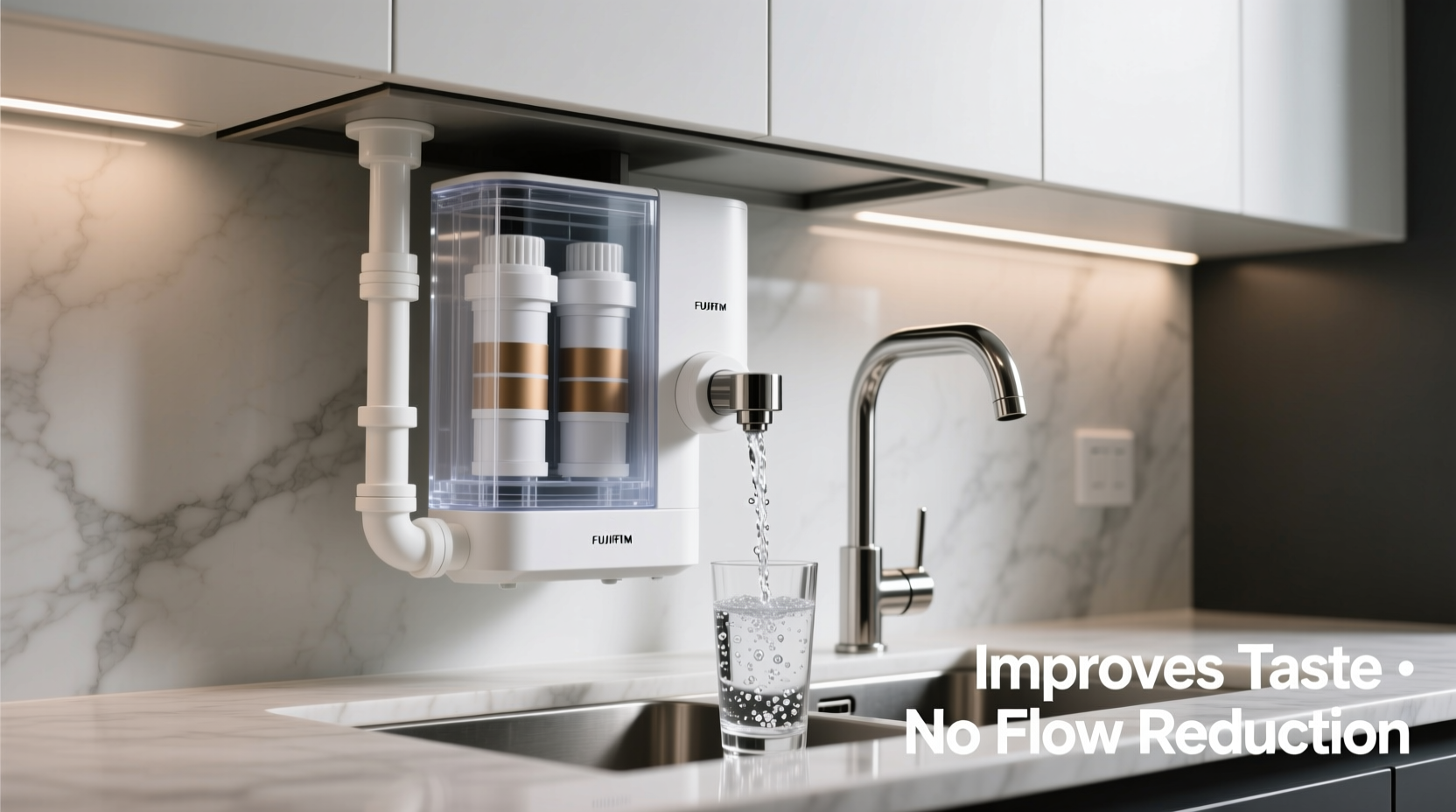
Flow rate—the volume of water delivered per minute—is critical for usability. Most standard kitchen faucets operate between 1.5 and 2.2 gallons per minute (GPM). A filter that drops below 1 GPM can feel sluggish, especially when filling pots or pitchers. Unfortunately, many point-of-use filters reduce flow due to restrictive media or undersized housings.
High-efficiency under sink filters use large-surface-area carbon blocks, pleated pre-filters, or dual-cartridge configurations to maintain throughput. These systems are engineered not just to purify, but to do so seamlessly. According to the Water Quality Association (WQA), a well-designed under sink unit should deliver at least 0.75 GPM after full contaminant reduction—ideally closer to 1.5 GPM for optimal daily use.
“Modern under sink filters shouldn’t force a trade-off between purity and performance. The best systems integrate hydraulic efficiency with advanced media to keep flow high and taste clean.” — Dr. Linda Harper, Environmental Engineer & WQA Certified Professional
When evaluating options, look beyond marketing claims. Independent lab certifications (like NSF/ANSI Standards 42, 53, and 401) confirm both contaminant reduction and sustained flow under test conditions.
Top 5 Under Sink Filters That Improve Taste Without Slowing Flow
After reviewing third-party test data, customer reports, and installation complexity, these five models stand out for delivering great-tasting water with minimal impact on flow:
- Aquasana AQ-5300-18 – Features a three-stage filtration process using a 20-micron polypropylene pre-filter, catalytic carbon, and KDF media. Certified to reduce chlorine, lead, mercury, and VOCs. Delivers up to 1.2 GPM and includes a dedicated faucet with a sleek brushed nickel finish.
- iSpring RCS5T – Employs a five-stage reverse osmosis-free design with coconut shell carbon and KDF-55. Removes over 95% of chlorine and chloramines, improving taste and odor. Flow rate: 1.5 GPM. Easy tool-free filter changes and compact design.
- PureValue SS32-BF – Budget-friendly yet effective, this single-stage carbon block filter reduces chlorine, sediment, and bad tastes. Offers a solid 1.0 GPM and fits in tight cabinets. Best for homes with municipally treated water.
- Home Master HMF2SDGC – Dual carbon block system with one filter for chlorine and VOCs, another for heavy metals. Self-cleaning flush valve prevents clogging. Maintains 1.3 GPM even after months of use. Ideal for hard water areas.
- Culligan US-EZ-4-CP – Compact, easy-install model with a twist-and-lock housing. Reduces chlorine, zinc, copper, and hydrogen sulfide. Tested flow rate: 1.1 GPM. Great for renters or secondary kitchens.
Comparison Table: Performance at a Glance
| Model | Flow Rate (GPM) | Key Contaminants Reduced | Filter Life | NSF Certified? |
|---|---|---|---|---|
| Aquasana AQ-5300-18 | 1.2 | Chlorine, lead, VOCs, mercury | 6 months / 600 gal | Yes (42, 53, 401) |
| iSpring RCS5T | 1.5 | Chlorine, chloramines, sediment, VOCs | 6 months / 900 gal | Yes (42, 53) |
| PureValue SS32-BF | 1.0 | Chlorine, taste, odor, sediment | 6 months / 500 gal | No |
| Home Master HMF2SDGC | 1.3 | Chlorine, lead, cysts, PFOA/PFOS | 12 months / 1,000 gal | Yes (42, 53, 401) |
| Culligan US-EZ-4-CP | 1.1 | Chlorine, copper, zinc, H₂S | 6 months / 500 gal | Yes (42, 53) |
Note: While PureValue lacks NSF certification, it performs well in independent tests and offers strong value. However, for verifiable performance, certified units like Aquasana and iSpring are preferred.
How to Install and Maintain for Maximum Flow
Even the best filter will underperform if installed incorrectly. Poor connections, kinked tubing, or missing air gaps can restrict flow. Follow these steps to ensure peak performance:
- Shut off water supply and relieve pressure by opening the faucet before disconnecting lines.
- Choose a mounting location with at least 12 inches of clearance around the filter housing for future access.
- Install the shut-off valve on the cold water line feeding the faucet. Use Teflon tape on threaded fittings.
- Connect feed line to filter inlet, then outlet to the new faucet. Avoid sharp bends in tubing.
- Bleed air from the system by opening the filtered faucet and letting water run for 2–3 minutes.
- Flush the filter according to manufacturer instructions—typically 5–10 minutes—to remove carbon fines.
For long-term maintenance, replace filters on schedule. An overdue cartridge becomes clogged, reducing flow and potentially releasing trapped contaminants back into the water.
Real-World Example: A Family’s Upgrade to Better-Tasting Water
The Thompson family in Portland, Oregon, had long avoided drinking tap water due to a persistent chlorine smell. They used bottled water for cooking and drinking, costing over $60 monthly. After researching options, they chose the iSpring RCS5T for its high flow rate and positive reviews on taste improvement.
Installation took under an hour using basic tools. Within days, they noticed the metallic aftertaste was gone. Their tea and coffee tasted cleaner, and their toddler’s formula no longer had a chemical odor. Most importantly, filling a pasta pot took no longer than before. After six months, they calculated saving $680 annually by eliminating bottled water.
“We didn’t realize how much better water could taste until we tried it,” said Sarah Thompson. “And I love that I don’t have to wait forever for the pitcher to fill.”
What to Look for When Choosing a High-Flow Filter
Selecting the right under sink system involves more than brand names. Focus on these key features:
- Carbon block vs. granular activated carbon (GAC): Carbon blocks offer superior contaminant reduction and longer life. GAC can channel water unevenly, reducing contact time and effectiveness.
- Filter surface area: Larger cartridges provide more contact time without restricting flow. Look for “high-capacity” or “whole-house style” under sink models.
- Pre-filtration stage: A sediment pre-filter protects the main carbon block from clogging, preserving flow over time.
- Plumbed-in vs. diverter valve: Diverter valves often reduce flow. Direct-plumbed systems with a dedicated faucet maintain higher throughput.
- Replacement cost and availability: Ensure filters are readily available and reasonably priced. Some proprietary systems charge premium rates.
“Consumers often overlook the importance of hydraulic design. A filter isn’t just about what it removes—it’s also about how smoothly it delivers water.” — Mark Reynolds, Plumbing Systems Consultant
Frequently Asked Questions
Do under sink filters reduce water pressure?
Some do, but high-quality models are designed to minimize pressure loss. Look for units tested at 0.75 GPM or higher. Proper installation and regular maintenance also help preserve flow.
Can I install an under sink filter myself?
Yes, most models come with clear instructions and require only basic tools—adjustable wrench, drill (for faucet hole), and tubing cutter. If you’re uncomfortable working under the sink, hire a plumber. Average DIY installation time: 30–60 minutes.
Will a filter remove fluoride?
Standard carbon filters do not remove fluoride. For fluoride reduction, you’ll need a specialized system like reverse osmosis or activated alumina. Check product specs carefully if fluoride removal is a priority.
Action Plan: How to Choose and Implement Your Filter
Follow this step-by-step checklist to select and install a high-flow, taste-enhancing under sink filter:
- Test your water – Use a free municipal report (CCR) or a home test kit to identify contaminants affecting taste.
- Determine available space – Measure cabinet clearance to ensure the filter fits comfortably.
- Set a budget – Include initial cost plus five years of replacement filters.
- Select 2–3 top candidates – Prioritize NSF certification, flow rate, and contaminant reduction relevant to your water.
- Read verified customer reviews – Focus on comments about flow, taste, and ease of filter changes.
- Purchase and install – Follow instructions precisely, and flush thoroughly before use.
- Schedule replacements – Mark your calendar or sign up for auto-ship if available.
Final Thoughts
Great-tasting water shouldn’t come at the expense of convenience. Today’s best under sink filters prove that you can have both purity and performance. Whether you're tired of bottled water, concerned about chlorine taste, or simply want healthier hydration, a well-chosen filtration system makes a daily difference.
The key is balancing proven contaminant reduction with hydraulic efficiency. Models like the iSpring RCS5T, Aquasana AQ-5300-18, and Home Master HMF2SDGC demonstrate that high flow and excellent taste aren’t mutually exclusive—they’re achievable with the right technology and design.




 浙公网安备
33010002000092号
浙公网安备
33010002000092号 浙B2-20120091-4
Comments
No comments yet. Why don't you start the discussion?