
Every household struggles with forgotten cans of beans or expired spices buried in the back of a cabinet. Food waste costs the average family hundreds of dollars each year, much of it due to poor visibility and disorganization in the pantry. The solution isn’t just cleaning out old items—it’s designing a system that makes expiration dates impossible to ignore. By organizing your pantry with intention, you can ensure older items are used first, minimize spoilage, and simplify grocery planning.
The key lies in creating a structure that prioritizes visibility, accessibility, and consistency. This approach doesn’t require expensive tools or hours of labor. With strategic placement, labeling, and a few organizational habits, you can maintain an efficient pantry that runs itself—almost effortlessly.
Why Expiration-Based Organization Matters
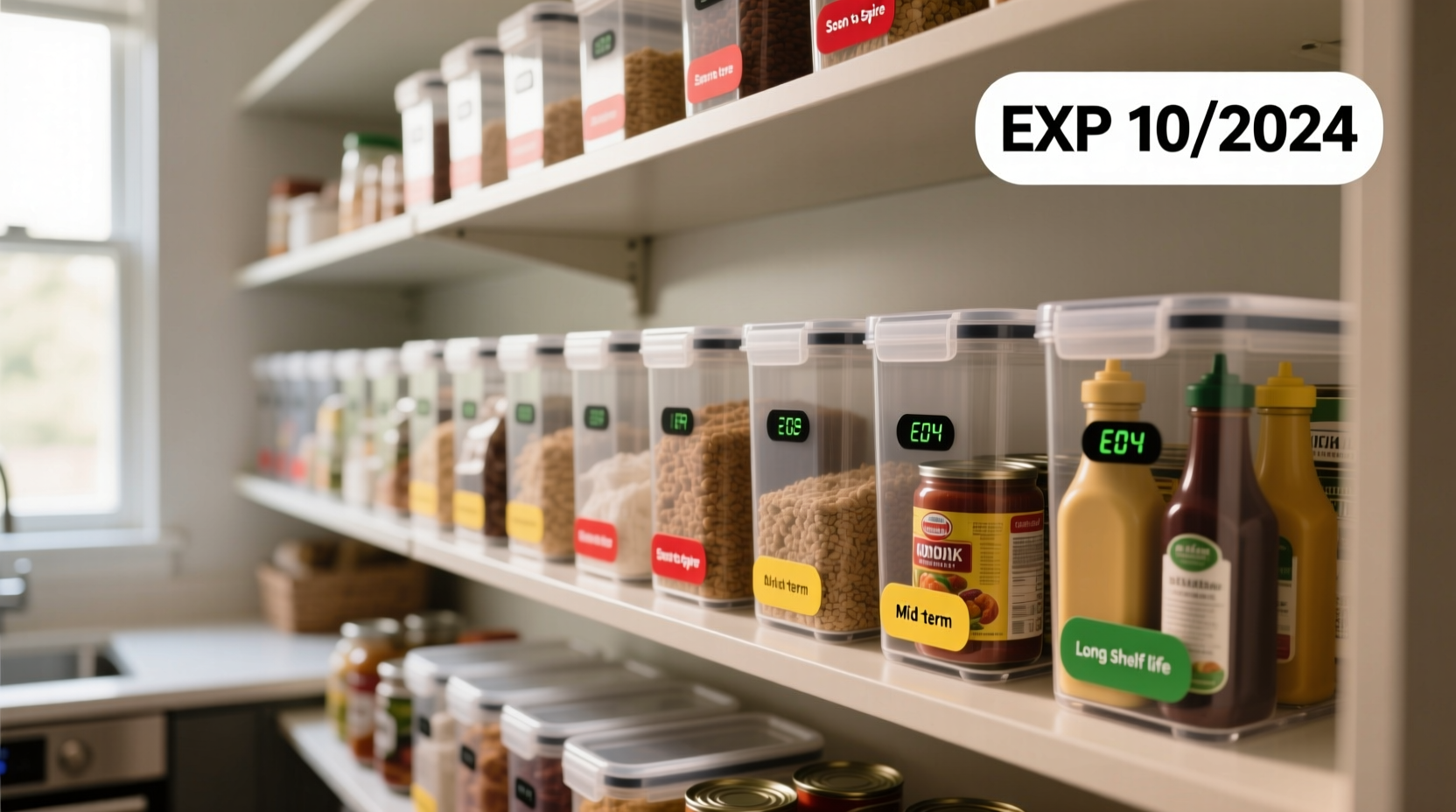
Most people organize their pantries by category: pasta here, canned goods there, snacks in the middle. While this seems logical, it often leads to newer items being placed in front, pushing older ones into obscurity. Without a clear visual cue, those older products get overlooked until they’re past their prime.
According to the USDA, confusion over date labels contributes to up to 20% of household food waste. Many consumers misinterpret \"best by,\" \"sell by,\" and \"use by\" dates as safety indicators when most refer to peak quality, not spoilage. But regardless of label meaning, having a system that surfaces older inventory naturally encourages timely use.
“Rotation is the cornerstone of food safety and efficiency in both commercial kitchens and home pantries.” — Dr. Lena Torres, Food Safety Specialist, University of Illinois Extension
When you organize by expiration date, you're applying the First Expired, First Out (FEFO) method—a standard in food service industries. This principle ensures that the item closest to expiring is used first, reducing risk and waste simultaneously.
Step-by-Step: Building an Effortless Pantry System
Creating a low-maintenance system starts with preparation and ends with habit formation. Follow these steps to build a pantry that stays organized with minimal daily effort.
- Empty and assess: Remove everything from your pantry. Check expiration dates and discard anything expired or questionable. Wipe down shelves while empty.
- Categorize items: Group similar foods—canned goods, grains, baking supplies, snacks, etc. This helps determine container needs and shelf layout.
- Assign zones: Designate specific areas for each category. For example, place breakfast items on lower shelves, baking supplies higher up.
- Use transparent containers: Transfer dry goods like rice, pasta, flour, and cereal into clear, airtight bins. Label each with contents and expiration date.
- Face labels forward: Arrange all packages and containers so expiration dates are visible at eye level. Turn boxes and cans so the date faces outward.
- Implement front-to-back rotation: When restocking, move older items to the front and place new ones behind them. Think “push-back” shelving.
- Add date tags if needed: Use small sticky labels or a marker to write expiration dates on opaque jars or bulk items without packaging.
- Schedule monthly checks: Pick one day per month to scan for upcoming expirations and plan meals around them.
Smart Storage Tools That Make a Difference
You don’t need a full pantry renovation to improve organization. A few well-chosen tools can transform how easily you manage expiration dates.
- Turntables (Lazy Susans): Ideal for oils, sauces, and condiments. Rotate to see all items without digging.
- Pull-out bins or tiered shelves: Increase visibility on deep shelves. No more guessing what’s hidden behind.
- Label maker or chalkboard labels: Clearly mark contents and dates. Chalk labels allow for easy updates.
- Bins and baskets: Group small items like spice packets, tea bags, or instant sides. One bin = one expiration check.
- Magnetic whiteboard or checklist pad: Mount inside the pantry door to track soon-to-expire items.
| Item Type | Best Container | Expiration Visibility Tip |
|---|---|---|
| Dry pasta, rice, grains | Clear airtight containers | Label lid top and side with purchase & expiry date |
| Canned goods | Original packaging + tiered rack | Arrange by month of expiration using sticky dots |
| Snacks & bars | Open-top bins by type | Place newest at back; oldest always in front |
| Spices | Uniform jars with labels | Alphabetize, but highlight expired ones in red |
| Baking supplies | Labeled bins (flour, sugar, etc.) | Use chalkboard labels to update dates after refill |
Real Example: How the Martinez Family Reduced Waste by 60%
The Martinez family of four in Austin, Texas, used to toss nearly $150 worth of groceries monthly—mostly unopened pantry items discovered too late. After attending a community workshop on food preservation, they redesigned their pantry using the FEFO method.
They began by transferring all dry goods into uniform clear containers labeled with both purchase and expiration dates. They installed two tiered shelves for canned vegetables and soups, arranging them left (closest expiry) to right (farther out). A small magnetic board on the inside door tracks items expiring within two weeks.
Within three months, their grocery waste dropped dramatically. They now plan weekly meals based on what needs to be used soon. “It’s changed how we cook,” says Maria Martinez. “We’re more creative, less wasteful, and actually enjoy checking the pantry now.”
Checklist: Maintain Your Expiration-Aware Pantry
To keep your system running smoothly, follow this simple maintenance checklist:
- ✅ Unpack groceries with rotation in mind—older items stay front, new go behind
- ✅ Wipe containers before returning to prevent dust buildup on labels
- ✅ Update expiration dates when refilling bulk containers
- ✅ Conduct a 10-minute scan once a week for urgent items
- ✅ Schedule a deeper review every 30 days to remove expired goods
- ✅ Keep a notepad or app list of near-expiry items for meal planning
- ✅ Teach all household members the “front-first” rule
Avoid These Common Mistakes
Even well-intentioned systems fail when common pitfalls aren’t addressed. Steer clear of these errors:
- Over-relying on memory: Don’t assume you’ll remember when something expires. Always label.
- Ignoring frozen or shelf-stable myths: Just because something lasts “a long time” doesn’t mean it lasts forever. Canned tomatoes degrade in flavor after 18 months.
- Cluttering the door: Pantry doors are prime real estate. Reserve them for high-turnover or time-sensitive items, not bulky appliances.
- Using non-transparent storage: Opaque bins may look neat, but they hide what’s inside. If you can’t see it, you’ll forget it.
- Skipping the cleanup phase: Starting organization mid-stock leads to confusion. Always purge first.
“Organization fails when it depends on perfect behavior every day. The best systems work even when you’re tired or rushed.” — Jordan Lee, Home Efficiency Consultant
Frequently Asked Questions
How do I handle items without expiration dates?
Bulk purchases, homemade mixes, or restaurant leftovers often lack printed dates. Always add one yourself. Use a permanent marker or waterproof label with the expected expiry based on ingredient shelf life. For example, homemade broth should be used within 6 months in the pantry.
What’s the difference between 'best by' and 'use by'?
'Best by' refers to peak quality—not safety. Foods are typically safe to eat after this date but may lose texture or flavor. 'Use by' is closer to a safety threshold, especially for perishables like dairy or meat. When in doubt, inspect for odor, mold, or texture changes before consuming.
Can I organize by expiration if I shop infrequently?
Absolutely. In fact, it’s even more important. Less frequent shopping means longer storage times, increasing the risk of forgotten items. Organizing by expiration ensures you rotate stock effectively, even with bi-weekly or monthly trips.
Conclusion: Turn Pantry Management Into a Seamless Habit
Organizing your pantry by expiration date doesn’t have to be a chore. With a thoughtful setup and consistent micro-habits, it becomes second nature. The goal isn’t perfection—it’s progress. You don’t need every jar perfectly labeled or every shelf Instagram-ready. What matters is creating a system where the right information is visible at the right time.
When expiration dates are easy to see and access, you naturally make better decisions. Meals get planned around what needs to be used. Grocery lists become more accurate. And waste—both financial and environmental—plummets. This kind of organization pays for itself in saved money, reduced stress, and improved kitchen efficiency.




 浙公网安备
33010002000092号
浙公网安备
33010002000092号 浙B2-20120091-4
Comments
No comments yet. Why don't you start the discussion?