
Moving is stressful enough without the added anxiety of shattered glassware or cracked electronics. The truth is, most damage during relocation isn’t caused by rough handling alone—it’s due to poor packing techniques. Fragile items like dishware, mirrors, lamps, and picture frames don’t need to be sacrificed to the chaos of moving day. With the right materials, strategy, and attention to detail, you can transport even the most delicate belongings across town or across the country without a single crack.
This guide breaks down the complete process—from selecting proper supplies to mastering box organization—so your valuables arrive intact. Whether you're moving a studio apartment or a multi-level home, these methods are designed for real-world use, not just theory.
Choose the Right Packing Supplies
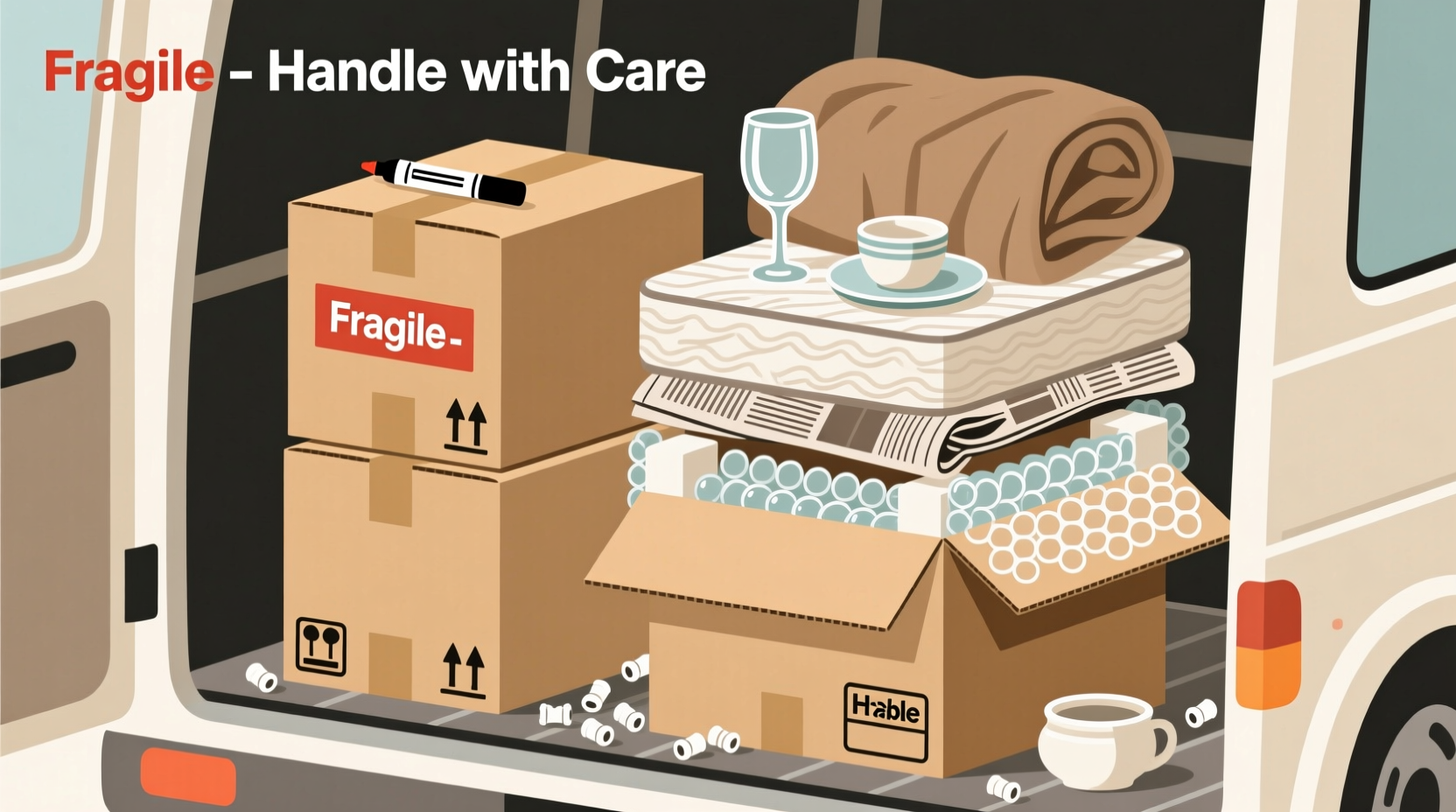
The foundation of safe fragile-item packing starts long before you wrap your first plate. Using subpar materials leads to shifting, compression, and breakage. Invest in high-quality supplies that offer cushioning, structure, and stability.
Essential packing materials include:
- Double-wall corrugated boxes (small to medium size)
- Bubble wrap (preferably with small bubbles for better conformity)
- Packing paper or unprinted newsprint (never colored newspaper—it can bleed)
- Foam corner protectors (for furniture edges and framed art)
- Packing tape (water-activated tape is strongest)
- Ziplock bags (for organizing small hardware from disassembled items)
- Stretch wrap (ideal for securing drawers and preventing spills)
Step-by-Step Guide to Packing Fragile Items Safely
Success lies in consistency and method. Follow this timeline-based approach to ensure every item gets the care it needs.
- Start Early: Begin packing non-essentials at least two weeks before moving day. This prevents rushed, careless wrapping.
- Sort by Fragility Level: Group items into categories: highly fragile (glassware, mirrors), moderately fragile (ceramics, electronics), and durable (plastic containers, books).
- Disassemble Furniture and Electronics: Remove legs from tables, take apart shelving units, and label all screws and bolts in sealed bags taped to the underside of each piece.
- Wrap Individually: Use bubble wrap for each item, sealing seams with tape if necessary. For plates, wrap edge-first to prevent chipping.
- Line Boxes with Cushioning: Place 2–3 inches of crumpled packing paper at the bottom of each box to absorb impact.
- Pack Strategically: Heavier items on the bottom, lighter ones on top. Never overpack—leave an inch of space at the top for additional padding.
- Fill All Gaps: Use air pillows, foam inserts, or more crumpled paper to eliminate movement inside the box.
- Seal and Label Clearly: Tape all seams securely. Mark boxes “FRAGILE,” “THIS SIDE UP,” and include room designation.
“Most breakage happens within the first six inches of a drop. Proper internal cushioning reduces impact force by up to 70%.” — Dr. Alan Zhou, Materials Engineer & Packaging Consultant
Do’s and Don’ts When Packing Delicate Belongings
| Do’s | Don’ts |
|---|---|
| Use small boxes for heavy fragile items (e.g., books, dishes) so they’re easier to lift and less likely to buckle under weight. | Overfill boxes until they bulge—this weakens structural integrity and increases risk of lid failure. |
| Wrap glass frames in bubble wrap and place cardboard corners over edges for extra protection. | Lay flat items like mirrors flat in a box—always stand them upright to avoid pressure cracks. |
| Label contents clearly (e.g., “Kitchen – Glasses,” “Living Room – Photo Frames”) to speed unpacking. | Stack multiple fragile boxes more than three high—vertical pressure can crush lower boxes. |
| Use stretch wrap on dresser drawers to keep contents from spilling out during transit. | Place sharp objects loose in a box—wrap knives, tools, or scissors separately and mark accordingly. |
| Pack lampshades upside down in cone-shaped boxes with stuffing around the base to maintain shape. | Store liquids inside electronics or appliances—even sealed bottles can leak under vibration. |
A Real Moving Scenario: How One Family Moved 500+ Glass Items Without a Single Break
The Thompson family relocated from Chicago to Denver with a collection of over 500 heirloom glass pieces—stemware, vases, holiday ornaments, and decorative bowls passed down through generations. They refused to ship via specialty services due to cost and instead applied meticulous DIY packing methods.
They began four weeks prior to moving day. Each piece was wrapped in packing paper, then double-wrapped in bubble wrap. Plates were packed vertically (like records), not stacked flat. Small boxes (18” x 12” x 12”) were used exclusively for glassware, filled only to the top with crumpled paper, and never weighed more than 30 pounds.
Boxes were labeled with detailed descriptions and marked with red stickers for high-priority handling. During loading, movers were briefed personally, and fragile boxes were placed near the front of the truck, secured with straps to prevent sliding.
Result? Every single glass item arrived undamaged. Their secret wasn’t luck—it was discipline in execution and refusal to cut corners.
Special Handling for Common Problem Items
Certain items require unique approaches beyond standard wrapping.
Mirrors and Wall Art
Never rely on the original backing for support. Reinforce with cardboard cut to size and secured with tape across the front in an “H” pattern. Use mirror crates for large pieces when possible. Always carry vertically, never flat.
Electronics (TVs, Monitors, Lamps)
If available, use original boxes with custom foam inserts. Otherwise, wrap screens in soft cloth first, then bubble wrap. For TVs, avoid placing anything against the screen surface. Lamp bases should be packed separately from shades, which need conical boxes or rolled newspaper support.
Dishware and Drinkware
Wrap cups and glasses individually, placing them upside down in the box. Stack plates vertically, not flat. Use dividers or cardboard inserts between layers if available. Separate saucers from cups unless nesting with padding between each.
Ornamental Figurines and Collectibles
These often have protruding parts (arms, wings, antennae). Wrap limbs separately before enclosing the whole object. Consider custom-cut foam inserts for irreplaceable collectibles.
Complete Fragile Packing Checklist
Use this checklist to ensure nothing is overlooked before sealing each box:
- ✅ All items cleaned and dried (no moisture trapped inside)
- ✅ Wrapped individually in bubble wrap or paper
- ✅ Box lined with 2–3 inches of cushioning material
- ✅ Items packed snugly but not tightly; no empty spaces
- ✅ Lightweight items on top, heavier on bottom
- ✅ Final layer of padding added before closing
- ✅ Box sealed with strong packing tape on all seams
- ✅ Clear labeling: \"FRAGILE\", \"THIS SIDE UP\", room name, and brief contents
- ✅ Weight checked—under 50 lbs (ideally under 30 lbs for dense items)
- ✅ Special instructions noted (e.g., “Do Not Lay Flat”)
Frequently Asked Questions
Can I use towels or clothing to wrap fragile items?
Yes—but only as supplementary padding. Soft fabrics provide minimal shock absorption compared to bubble wrap. Use them to fill gaps or wrap items lightly, but always pair with proper protective layers. Never rely solely on clothes for high-value or extremely delicate objects.
How many plates can I safely pack in one box?
For standard dinner plates (10–12”), limit stacks to 15–20 per small-to-medium box, depending on thickness. However, it's better to pack fewer plates with more vertical spacing. Stacking more than 20 increases pressure on the bottom plates, especially during drops or bumps.
Should I hire professional packers for fragile items?
If you have valuable antiques, extensive crystal collections, or medical/art equipment, professional packing may be worth the investment. Movers often offer partial packing services focused on high-risk zones like kitchens and display cabinets. Even hiring help for just one day can drastically reduce risk and personal fatigue.
Final Thoughts: Protect What Matters Most
Packing fragile items isn’t about perfection—it’s about preparation. The difference between a broken vase and a cherished memory arriving intact comes down to simple choices: taking time, using the right materials, and respecting the physics of motion and impact. You don’t need expensive gear or years of experience. You need a plan, patience, and persistence.
Every wrapped glass, every labeled box, every inch of padding is a vote of confidence in your ability to manage change without losing what matters. Moving doesn’t have to mean mourning shattered treasures. With the methods outlined here, you can move forward—literally and emotionally—knowing your most delicate possessions are protected.




 浙公网安备
33010002000092号
浙公网安备
33010002000092号 浙B2-20120091-4
Comments
No comments yet. Why don't you start the discussion?