
Moving is stressful enough without worrying about your delicate dishes, glassware, or heirloom vases arriving cracked or shattered. While professional packing supplies like bubble wrap, foam inserts, and specialized boxes can help, they’re not always accessible—or affordable. The good news? You don’t need them. With a little creativity and resourcefulness, you can protect your fragile belongings using only what’s already in your home.
The key lies in understanding how shock absorption, cushioning, and secure containment work together to prevent damage during transport. This guide walks through practical, tested methods to safeguard fragile items using common household materials—no specialty packaging required.
Understand the Risks: Why Fragile Items Break During Moves
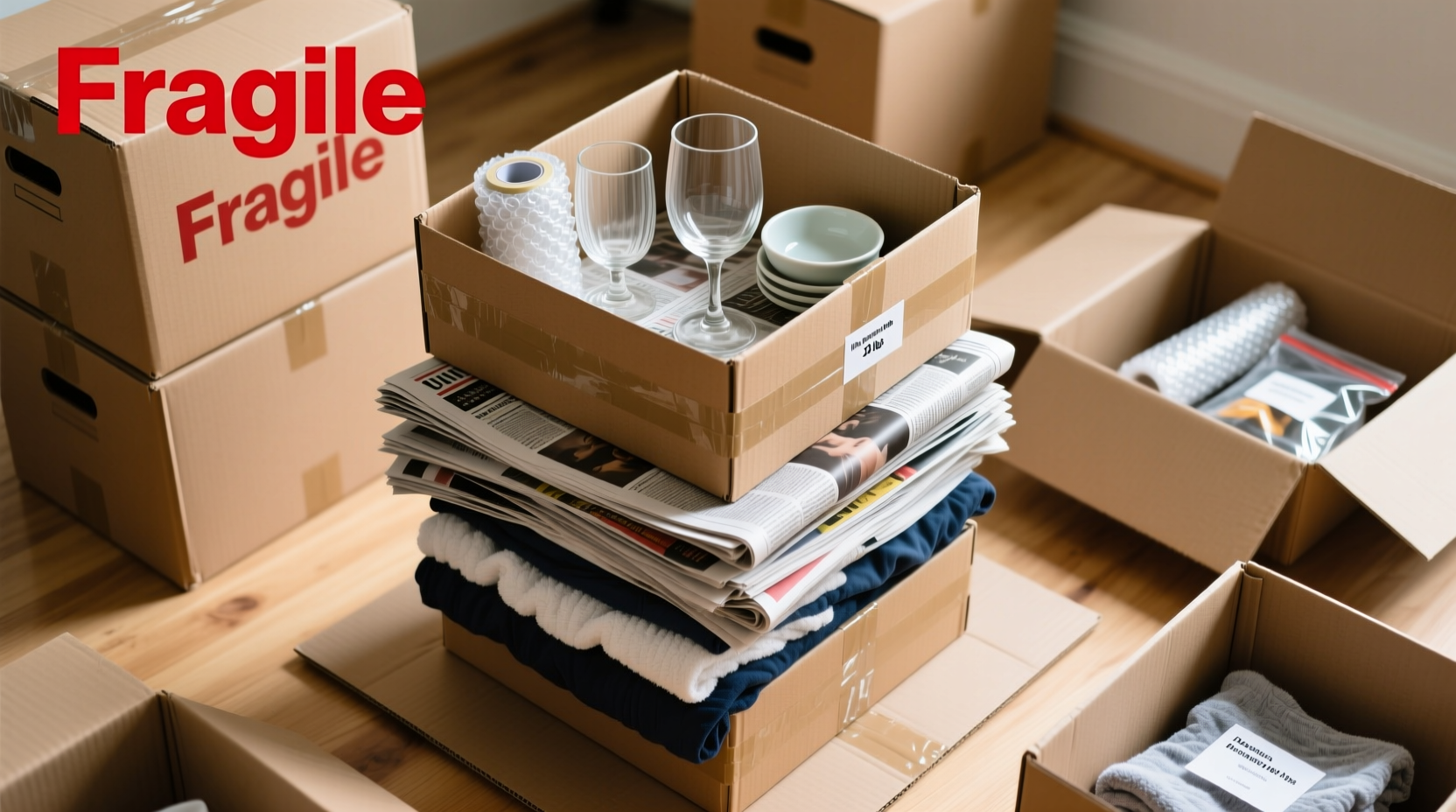
Fragile items typically break due to three main factors: impact, vibration, and shifting. When boxes are dropped, stacked, or jostled in a moving truck, unprotected objects inside collide with each other or the walls of the container. Even minor vibrations over long distances can weaken glass or ceramic over time.
Without proper cushioning, pressure points form where rigid surfaces meet. A wine glass resting directly on cardboard may survive one bump—but if its stem bends slightly under weight or movement, it can snap. Similarly, plates stacked loosely will rub against each other, leading to chips or cracks.
Professional movers mitigate these risks with layered protection: inner wrapping for surface safety, mid-layer cushioning to absorb shocks, and outer rigidity to maintain box integrity. You can replicate this system at home.
Household Alternatives to Professional Packing Materials
You likely already own everything you need to pack fragile items securely. The trick is knowing how to use these items effectively.
- Old newspapers and magazines: Excellent for wrapping and filling voids. While ink may transfer to some surfaces (test first), layering prevents direct contact.
- Clothing and linens: Sweaters, towels, blankets, and pillowcases provide soft cushioning and can wrap oddly shaped objects.
- Plastic bags and grocery sacks: Useful for creating air pockets when crumpled. Not ideal alone, but effective when combined with other materials.
- Toilet paper or paper towel rolls: Perfect for protecting stemware or vase necks by sliding them over delicate parts.
- Shoeboxes and small containers: Serve as internal dividers or secondary boxes within larger ones.
- Dish towels and rags: Better than paper for wrapping glass because they’re less abrasive and more pliable.
Avoid using tissues or thin gift wrap—they offer no structural support. Also steer clear of plastic wrap as a primary barrier; while it holds things together, it doesn’t cushion and can trap moisture.
“Improvisation is part of every successful move. People who rely solely on store-bought supplies often overlook the superior cushioning found in their own closets.” — Marcus Reed, Certified Relocation Specialist (CRS)
Step-by-Step Guide: How to Pack Fragile Items Without Specialty Supplies
Follow this proven process to maximize protection using only household items.
- Gather and sort your fragile items by size and fragility. Group heavy ceramics separately from lightweight glass. Identify high-risk pieces like crystal stemware or antique figurines.
- Clean each item thoroughly. Dust, grease, or moisture trapped under wrapping can degrade materials or cause slipping during transit.
- Wrap individually using soft cloths, dish towels, or multiple layers of newspaper. For glassware, fold paper into a loose collar around the base and stem before wrapping fully.
- Create a base layer of cushioning in your box using crumpled towels, socks, or folded jeans. Aim for at least two inches of padding across the bottom.
- Pack items vertically when possible. Plates should stand on edge like books, not lie flat. This distributes weight more evenly and reduces stress on the center.
- Fill all empty spaces with soft filler—rolled t-shirts, scarves, or stuffed animals. No item should shift when the box is gently shaken.
- Top with another thick layer of soft material, then close the box tightly. If the lid bulges or sags, the box is overfilled or under-supported.
- Label clearly with “Fragile – This Side Up” on at least two sides. Use a permanent marker for visibility.
Do’s and Don’ts: Common Mistakes When Packing Without Supplies
Even with the right materials, poor technique can compromise your efforts. Refer to this table to avoid frequent errors.
| Do | Don’t |
|---|---|
| Use soft, compressible materials like towels and sweaters for cushioning | Use brittle materials like egg cartons or cardboard scraps that collapse under pressure |
| Stand plates and bowls on edge, not flat | Stack plates horizontally unless separated by rigid dividers |
| Double-box delicate items (place wrapped item in a smaller box, then inside a larger one with padding) | Place fragile items directly against box walls |
| Test stability by gently shaking the sealed box | Assume a full box is automatically safe—overpacking causes internal collisions |
| Use rolled socks or gloves to pad corners and edges inside the box | Rely solely on tape to hold items in place |
Real Example: Moving a Kitchen Without a Single Sheet of Bubble Wrap
Sophia, a freelance designer in Portland, moved across state lines with only two weeks’ notice. She had no time to order supplies and couldn’t afford last-minute purchases. Her solution? Turn her entire move into a zero-waste, supply-free operation.
She started by clearing out her linen closet. Old bath towels became corner guards. Washcloths wrapped individual glasses. She used rolled-up flannel shirts to separate plates in a sturdy wardrobe box. Coffee mugs were secured with balled-up T-shirts in between.
For her set of hand-blown wine glasses, she inserted toilet paper tubes over the stems, wrapped each in a dish towel, and stood them upright in a shoebox. That shoebox went into a larger box surrounded by six pairs of wool socks on all sides. The result? Every glass arrived intact, despite a bumpy ride over mountain passes.
“I thought I’d need to buy everything,” she said. “But once I saw how much cushioning my clothes provided, I realized I was overestimating the need for ‘real’ packing materials.”
Checklist: Packing Fragile Items Without Professional Supplies
Use this checklist to ensure every box meets safety standards before sealing.
- ✅ All items are clean and dry before wrapping
- ✅ Each fragile piece is wrapped in soft, non-abrasive material
- ✅ Box has at least 2 inches of cushioning on the bottom
- ✅ Items are packed snugly—no movement when box is tilted
- ✅ Empty spaces are filled with soft filler (clothing, linens, etc.)
- ✅ Delicate necks or stems are protected with cardboard tubes or rolled paper
- ✅ Top layer has at least 2 inches of soft padding before closing
- ✅ Box is labeled “Fragile” and “This Side Up” on multiple sides
- ✅ Weight is manageable—under 30 pounds for easy lifting
- ✅ Seams and edges are reinforced with tape if needed
FAQ: Common Questions About Packing Fragiles Without Supplies
Can I use paper bags instead of bubble wrap?
Yes, but only when crumpled into tight balls and used as filler—not as primary wrapping. Flat paper bags offer no shock absorption. Crumpled, they mimic packing peanuts by distributing force across many small points.
How do I pack mirrors or framed art without mirror boxes?
First, remove any hanging wires that could puncture the box. Lay the frame face-down on a flat surface. Cut two pieces of cardboard slightly larger than the frame—one for front, one for back. Tape them together securely along all edges using packing or duct tape. Then wrap the entire unit in a blanket or thick comforter and secure with rope or stretch wrap. Transport vertically in a car or truck, never flat.
Is it safe to pack fragile items in suitcases?
Suitcases with rigid shells can work well for small, high-value items like lamps or collectibles—especially if lined with soft clothing. However, avoid checking them as luggage, where handling is unpredictable. Use them only for personal vehicle transport.
Final Thoughts: Resourcefulness Beats Perfection
You don’t need branded packing kits to move fragile items safely. What matters most is attention to detail, thoughtful layering, and the willingness to adapt. Everyday textiles, old papers, and even your winter wardrobe can serve as highly effective protective materials when used correctly.
The goal isn’t perfection—it’s prevention. By minimizing movement, absorbing impact, and isolating delicate surfaces, you create a buffer zone that mimics professional-grade protection. And in many cases, homemade solutions outperform store-bought ones because they’re softer, more flexible, and tailored to your specific items.
Start early, work systematically, and trust the process. Your grandmother’s china, your favorite cocktail glasses, and that handmade bowl from your trip to Oaxaca can all make the journey unscathed—with nothing more than what you already own.




 浙公网安备
33010002000092号
浙公网安备
33010002000092号 浙B2-20120091-4
Comments
No comments yet. Why don't you start the discussion?