
Pan-seared scallops are a hallmark of refined home cooking—simple in concept, but deceptively easy to misstep. When executed well, they deliver a crisp, golden crust and a delicate, buttery interior that melts in the mouth. Yet many home cooks end up with rubbery, unevenly cooked, or steamed scallops instead of the elegant dish they envisioned. The key lies not in complexity, but in precision: selecting the right scallops, proper prep, controlled heat, and timing. This guide breaks down the exact method professionals use to achieve flawless results, along with actionable tips to avoid common pitfalls.
Choosing the Right Scallops
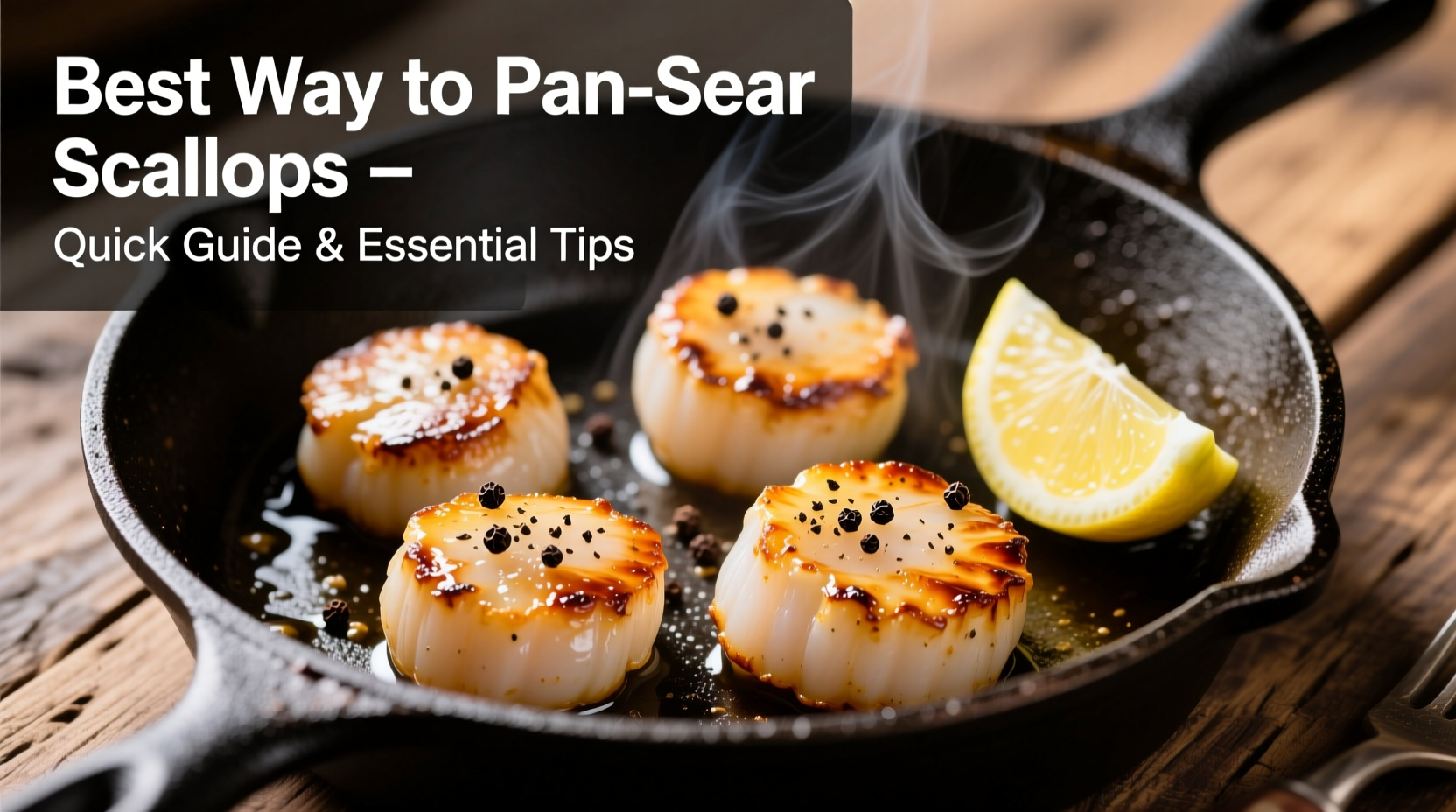
The foundation of a great sear begins long before the pan heats up—it starts at the market. Not all scallops are created equal, and understanding the difference can make or break your dish.
There are two main types: wet-packed and dry-packed. Wet-packed scallops are treated with a solution of water and sodium tripolyphosphate (STPP) to preserve moisture during storage. While they look plumper, this treatment causes them to retain excess water, which inhibits browning and leads to a mushy texture when cooked. Dry-packed scallops, on the other hand, are untreated and naturally harvested. They are slightly smaller but have a superior sweet, briny flavor and sear beautifully due to their lower moisture content.
Essential Prep: Drying and Seasoning
Moisture is the enemy of a good sear. Even dry-packed scallops carry surface moisture from handling or refrigeration, which must be removed to allow caramelization. Pat each scallop thoroughly with paper towels until no dampness remains. For even better results, place them on a bed of paper towels, cover with more towels, and refrigerate for 10–15 minutes to draw out additional moisture.
Season just before cooking. Use kosher salt and freshly ground black pepper. Over-seasoning or salting too early can draw out moisture again, sabotaging your efforts. Handle gently—scallops are fragile and can bruise, affecting texture.
“Drying scallops properly is non-negotiable. I’ve seen seasoned cooks fail because they skip this step. A dry surface equals a golden crust.” — Chef Daniel Harper, Executive Chef at Ocean & Vine
Step-by-Step Guide to Perfect Pan Searing
Follow this precise sequence for consistently excellent results:
- Preheat the pan: Use a heavy-bottomed skillet—cast iron or stainless steel works best. Heat over medium-high heat for 2–3 minutes until hot but not smoking.
- Add fat: Use a high-smoke-point oil like grapeseed, avocado, or clarified butter. Add enough to lightly coat the pan (about 1 tbsp).
- Wait for the oil to shimmer: This indicates the pan is hot enough to create an instant sear without sticking.
- Place scallops carefully: Lay them down in a single layer, flat side down, leaving at least ½ inch between each to prevent steaming.
- Sear undisturbed: Cook for 2–3 minutes without moving. You’ll know it’s time to flip when the edges turn opaque and the bottom develops a deep golden-brown crust.
- Flip and finish: Turn each scallop with tongs or a spatula. Add a knob of butter, a few thyme sprigs, and a clove of garlic to the pan. Tilt the pan and spoon the melted butter over the scallops for 1–2 minutes.
- Check doneness: The center should be just translucent—overcooking turns scallops tough. Remove immediately and serve.
Do’s and Don’ts of Pan-Searing Scallops
| Do’s | Don’ts |
|---|---|
| Use dry-packed scallops | Use wet-packed scallops |
| Dry scallops thoroughly before cooking | Pat them briefly and assume they’re ready |
| Cook over medium-high heat | Use low heat, hoping to avoid burning |
| Let scallops sear undisturbed | Move or poke them constantly |
| Season right before cooking | Salt scallops too early |
| Finish with butter basting for flavor | Add butter at the beginning (it burns) |
Real Example: From Failed Dinner to Showstopper
Sarah, a home cook in Portland, had tried pan-searing scallops twice before giving up. The first batch stuck to the pan and tore apart when flipped. The second came out gray and rubbery. After reading about dry-packed scallops and proper drying technique, she tried again. She bought dry scallops, patted them dry, let them rest on paper towels for 15 minutes, and used a cast-iron skillet preheated just right. This time, the scallops released easily and developed a rich, mahogany crust. She finished them with browned butter and lemon zest. Her partner didn’t believe she’d made them at home. “It was like something from a seafood restaurant,” she said. The difference wasn’t talent—it was technique.
Frequently Asked Questions
Can I use frozen scallops?
Yes, but only if they are dry-packed and thawed slowly in the refrigerator overnight. Avoid freezing wet-packed scallops, as the added water expands and damages texture. Once thawed, treat them like fresh—pat dry thoroughly before cooking.
Why do my scallops stick to the pan?
Sticking usually happens when the pan isn’t hot enough or the scallops aren’t dry. A cold or improperly heated pan prevents immediate searing, allowing proteins to bond with the metal. Ensure the pan is fully preheated and the scallops are completely dry before adding them.
How do I know when scallops are done?
Perfectly cooked scallops are opaque about 80–90% of the way through, with just a hint of translucency in the very center. They should feel slightly springy when pressed, not hard or squishy. Remember, they continue to cook slightly after removal from the pan due to residual heat.
Pro Checklist for Success
- ☑ Source dry-packed scallops
- ☑ Pat scallops completely dry
- ☑ Refrigerate on paper towels for 10–15 minutes if needed
- ☑ Preheat skillet over medium-high heat
- ☑ Use high-smoke-point oil
- ☑ Do not overcrowd the pan
- ☑ Sear undisturbed for 2–3 minutes
- ☑ Flip once and baste with butter and aromatics
- ☑ Remove before fully opaque in center
- ☑ Serve immediately on warm plates
Final Thoughts
Pan-seared scallops don’t require rare ingredients or advanced tools—just attention to detail. From selection to searing, every step influences the final result. Master these fundamentals, and you’ll transform a simple ingredient into a luxurious dish worthy of fine dining. Whether served over risotto, on a salad, or simply with a squeeze of lemon, perfectly seared scallops elevate any meal.




 浙公网安备
33010002000092号
浙公网安备
33010002000092号 浙B2-20120091-4
Comments
No comments yet. Why don't you start the discussion?