
Sticky residue on glass surfaces—whether from price tags, tape, adhesive labels, or old stickers—is a common but frustrating problem. Glass is delicate, and aggressive scrubbing or harsh chemicals can lead to scratches, cloudiness, or permanent damage. The key lies in using the right combination of solvents, tools, and techniques that dissolve adhesives safely while preserving the integrity of the glass. This guide reveals proven, non-abrasive methods to restore clarity and shine to mirrors, windows, glass cookware, and display cases without risk.
Understanding Sticky Residue on Glass
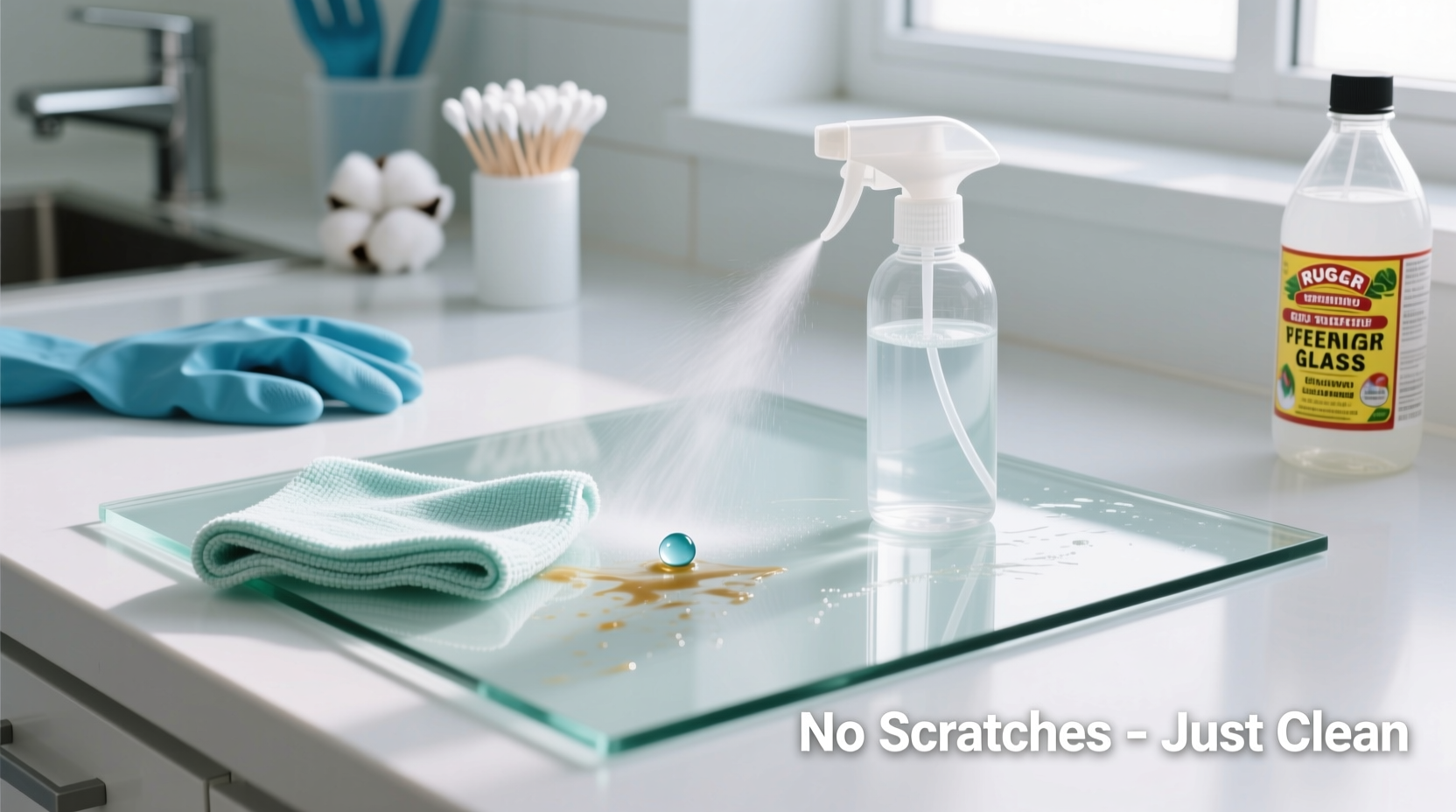
Adhesive residues are typically made from polymers designed to bond strongly to surfaces. Over time, exposure to heat, sunlight, or aging causes these substances to harden, making them difficult to peel off cleanly. Common sources include:
- Price tag glue on new appliances or glassware
- Tape residue left behind after removing masking or duct tape
- Old bumper stickers or decals on car windows or storefronts
- Label remnants on jars or bottles reused for storage
The challenge with glass is its susceptibility to micro-scratches. Even soft cloths paired with gritty residues can cause fine abrasions under pressure. Therefore, mechanical removal (like scraping with a blade) should be avoided unless absolutely necessary—and even then, only with proper precautions.
“Glass may seem durable, but its surface can be marred by improper cleaning. Always prioritize chemical dissolution over physical force when dealing with adhesives.” — Dr. Lena Patel, Materials Scientist & Surface Care Specialist
Safe and Effective Methods to Remove Residue
The most successful approaches rely on controlled solvent action followed by gentle wiping. Below are five reliable methods, ranked by effectiveness and safety for different types of glass.
1. Rubbing Alcohol (Isopropyl Alcohol)
Rubbing alcohol is one of the safest and most accessible options for dissolving sticky residues. It evaporates quickly, doesn’t leave streaks, and won’t damage tempered or coated glass when used properly.
How to apply:
- Dampen a lint-free microfiber cloth with rubbing alcohol.
- Press it gently onto the sticky area for 30–60 seconds to soften the residue.
- Wipe in small circular motions until the adhesive lifts.
- Follow with a clean, dry section of the cloth to polish.
This method works especially well on mirrors, smartphone screens, and oven doors.
2. White Vinegar and Baking Soda Paste
A natural alternative, white vinegar contains acetic acid, which helps break down organic adhesives. When combined with baking soda into a paste, it provides mild abrasive action without scratching.
Preparation:
- Mix 2 tablespoons of baking soda with enough white vinegar to form a thick paste.
- Apply to the affected area using a soft sponge or cloth.
- Let sit for 5 minutes, then gently rub in a circular motion.
- Rinse thoroughly with water and dry with a microfiber towel.
Best suited for larger areas like shower doors or tabletops where slight abrasion is acceptable if done lightly.
3. Commercial Adhesive Removers (Select Wisely)
Products like Goo Gone, 3M Adhesive Remover, or WD-40 can be highly effective—but not all are safe for glass. Some contain oils or solvents that may leave behind films or degrade anti-reflective coatings.
| Product | Suitable for Glass? | Key Precautions |
|---|---|---|
| Goo Gone Original | Yes (with caution) | Test in hidden area; wipe residue immediately; avoid tinted or coated glass |
| WD-40 | Limited use | Leaves oily film; requires thorough degreasing afterward |
| 3M General Purpose Adhesive Cleaner | Yes | Designed for smooth surfaces; low-residue formula |
| Goof Off (Heavy Duty) | No | Too harsh; risks etching or fogging glass |
If using commercial products, always follow up with a glass cleaner to remove any residual chemicals.
4. Heat-Assisted Removal with Hair Dryer
Heat softens most adhesives, reducing their grip on the surface. A hair dryer offers a safe, controllable heat source without direct contact.
Procedure:
- Set the hair dryer to medium heat.
- Hold it 3–4 inches from the residue for 30–60 seconds.
- Use a plastic scraper (like an old credit card) to gently lift the edge of the sticker or goo.
- Wipe remaining stickiness with a damp microfiber cloth.
This technique is ideal for large decals on windows or glass partitions. Never use metal scrapers—even stainless steel can scratch.
5. Dish Soap and Warm Water Soak (For Glassware)
For reusable jars, drinking glasses, or bakeware, soaking is often the gentlest solution.
Fill the container with warm water and add a few drops of dish soap like Dawn or Palmolive. Let sit for 1–2 hours. For stubborn labels, cover with a damp paper towel to prevent evaporation and extend soak time. After soaking, use a soft sponge to wipe away softened glue.
Step-by-Step Guide: Removing Residue Without Scratching
Follow this universal process to maximize results while minimizing risk:
- Assess the surface: Determine if the glass is plain, tempered, coated (e.g., anti-glare), or part of an electronic device. Coated or sensitive glass requires extra caution.
- Start with the mildest method: Begin with rubbing alcohol or soapy water before progressing to stronger solutions.
- Apply solvent and wait: Allow 30–60 seconds for penetration. Patience reduces the need for scrubbing.
- Wipe gently in circular motions: Use a folded microfiber cloth with light pressure.
- Rinse and inspect: If residue remains, repeat the process rather than increasing force.
- Final polish: Use a separate dry microfiber cloth to eliminate streaks and restore shine.
Never reuse the same section of a cloth once it’s picked up adhesive—flip or fold to a clean area frequently.
Mini Case Study: Restoring a Vintage Glass Cabinet Door
Sarah, a homeowner in Portland, inherited a 1950s glass-front cabinet from her grandmother. The doors were clouded with decades-old tape residue from holiday decorations. She initially tried scrubbing with a kitchen sponge and window cleaner, which only smeared the gunk and created fine swirl marks.
She switched tactics: using a hair dryer to warm each panel, then applying isopropyl alcohol with a microfiber pad. After letting it dwell for a minute, she wiped gently and repeated twice. The result? Crystal-clear glass with no scratches. “I was amazed how little effort it took once I stopped scrubbing,” she said. “The alcohol did all the work.”
This case underscores the importance of avoiding friction and trusting chemical action.
Do’s and Don’ts of Glass Residue Removal
| Do’s | Don’ts |
|---|---|
| Use lint-free microfiber cloths | Use paper towels (can leave fibers and grit) |
| Test solvents on a small, hidden area first | Apply undiluted acetone or nail polish remover directly |
| Allow solvents to dwell before wiping | Scrub aggressively with steel wool or abrasive pads |
| Use plastic scrapers for lifting edges | Use razor blades unless absolutely necessary |
| Clean final surface with vinegar-water mix (1:1) | Leave oily residues from commercial removers |
Frequently Asked Questions
Can I use nail polish remover on glass?
Only if it’s acetone-free. Traditional nail polish removers contain oils, fragrances, and dyes that can stain or etch glass. Pure acetone can work in emergencies but must be diluted (50/50 with water), applied sparingly, and rinsed immediately. Not recommended for everyday use.
What should I do if the glass has already been scratched?
Minor scratches from light abrasion may be minimized with a cerium oxide polish applied with a soft cloth and buffing machine. However, deep scratches are usually permanent. Prevention is far more effective than repair.
Will vinegar damage glass over time?
No. Household white vinegar (5% acidity) is safe for occasional use on plain glass. It does not etch or weaken the surface. However, avoid prolonged exposure on antique or hand-painted glass, where it might affect finishes or paint adhesion.
Essential Checklist for Safe Residue Removal
- Identify the type of glass (coated, tempered, electronic screen, etc.)
- Gather supplies: microfiber cloths, rubbing alcohol, white vinegar, baking soda, plastic scraper
- Test chosen method on a small inconspicuous area
- Apply solvent and allow 30–60 seconds of dwell time
- Wipe gently in circular motions with a clean cloth section
- Rinse or wipe with clean water if needed
- Polish with a dry microfiber cloth for streak-free finish
- Dispose of used cloths properly—adhesive can transfer to other surfaces
Conclusion: Preserve Clarity, Prevent Damage
Removing sticky residue from glass doesn’t require harsh chemicals or risky scraping. With the right approach—starting mild, allowing solvents to work, and using soft tools—you can achieve spotless results every time. Whether you're prepping a mason jar for crafts, cleaning a car window, or restoring vintage glass, the principles remain the same: patience beats pressure, and prevention beats repair.




 浙公网安备
33010002000092号
浙公网安备
33010002000092号 浙B2-20120091-4
Comments
No comments yet. Why don't you start the discussion?