
Avocados are one of the most beloved ingredients in modern kitchens—creamy, nutrient-rich, and incredibly versatile. But their unpredictable ripening behavior frustrates even experienced cooks. One day you're slicing into a perfectly ripe fruit; the next, you’re tossing out a mushy brown mess or struggling to cut through an unyielding rock. The secret isn’t luck—it’s science-backed storage strategy. By understanding how avocados ripen and applying precise environmental controls, you can ensure consistent, even ripening every single time.
Unlike many fruits that ripen on the plant, avocados undergo a unique post-harvest maturation process. They don’t soften until after picking, relying on ethylene gas—a natural plant hormone—to trigger ripening. This gives us powerful leverage: by managing exposure to ethylene and controlling temperature and airflow, we can dictate exactly when and how avocados reach peak readiness.
The Science Behind Avocado Ripening
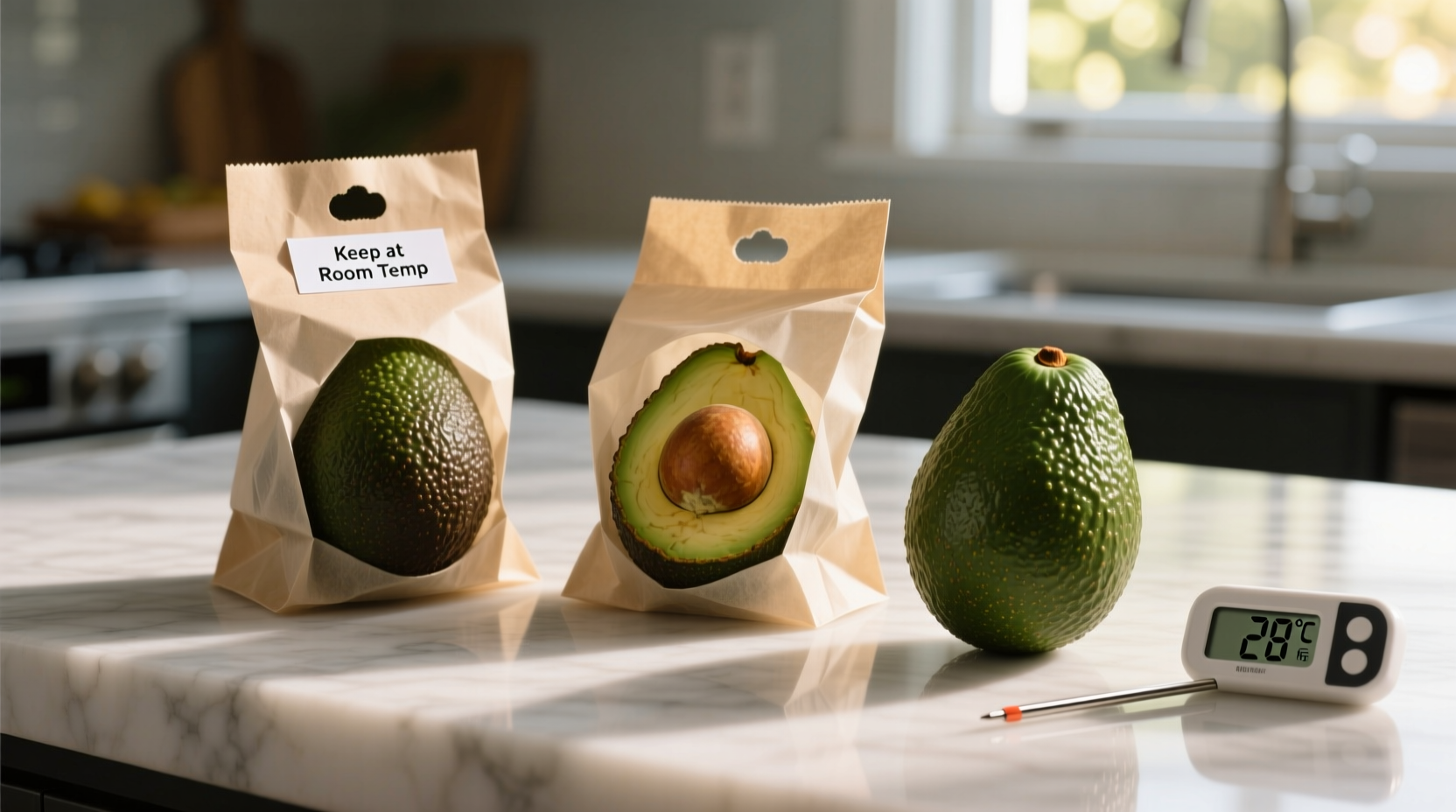
Avocados are climacteric fruits, meaning they continue to ripen after harvest due to increased respiration and ethylene production. Once picked, they begin converting stored starches into sugars and softening their cell walls. However, this process doesn’t start immediately. Most commercial avocados are harvested mature but still firm, entering a lag phase before ethylene synthesis kicks in.
Temperature plays a critical role. Cold environments (below 50°F / 10°C) suppress ethylene activity, effectively pausing ripening. Warmth accelerates it. Humidity matters too—too dry, and the skin cracks; too moist, and mold develops. Air circulation prevents localized rot while allowing gases to distribute evenly around the fruit.
“Ripening is not about waiting—it’s about managing conditions. A well-stored avocado responds predictably to controlled warmth and ethylene exposure.” — Dr. Linda Ruiz, Postharvest Horticulturist, UC Davis
Step-by-Step Guide to Even Ripening
To achieve uniform texture and flavor across your avocados, follow this timeline-based method used by professional produce managers:
- Assess Firmness Upon Purchase: Gently press near the stem end. If it doesn’t yield at all, expect 4–7 days of ripening. Slight give indicates 1–3 days. Softness means ready now.
- Sort by Ripeness Stage: Group avocados into three categories: hard, slightly yielding, and soft. Never mix stages in storage—they influence each other via ethylene.
- Use the Paper Bag Method (For Faster, Uniform Ripening): Place firm avocados in a standard paper bag. Fold the top loosely. Add an apple or banana if faster ripening is desired—the extra ethylene speeds up the process without sacrificing evenness.
- Maintain Room Temperature (68–75°F / 20–24°C): Store the bag in a dark cupboard or pantry away from sunlight. Avoid hot spots like stoves or dishwashers.
- Check Daily After Day Two: Press gently at the stem end. Rotate position in the bag every 24 hours to prevent pressure points and promote airflow.
- Refrigerate at First Sign of Ripeness: Once the avocado yields slightly under gentle pressure, transfer it to the fridge. This slows further ripening and extends shelf life by 3–5 days.
Storage Do’s and Don’ts: A Comparison Table
| Practice | Why It Works / Fails | Recommended? |
|---|---|---|
| Paper bag with ethylene-producing fruit | Concentrates natural gases, speeding up and evening out ripening | ✅ Yes – ideal for firm avocados needing quick, uniform ripening |
| Plastic bag at room temperature | Traps moisture, encourages mold, restricts gas exchange | ❌ No – increases spoilage risk |
| Refrigerating unripe avocados | Halts ripening permanently; may cause internal discoloration | ❌ No – only refrigerate once ripe |
| Storing whole ripe avocado in fridge | Slows degradation, preserves texture and color | ✅ Yes – optimal for delaying use by several days |
| Leaving cut avocado exposed to air | Oxidation causes rapid browning regardless of storage tricks | ❌ No – always cover tightly with lemon juice or seal in container |
Real-World Example: Meal Prep Success Story
Sophie, a home cook in Portland, used to waste at least two avocados per week. She’d buy six for Sunday prep, only to find three overripe by Tuesday and two still rock-hard. After learning about ethylene management, she changed her approach. Every Saturday, she places four firm avocados in a paper bag with half a green apple, folds the top closed, and stores it in her pantry. On Monday morning, she checks them—three are perfectly ripe, one still firm. She moves the ripe ones to the fridge and leaves the last one in the bag. By Wednesday, it's ready. Now she uses every avocado at its peak, reducing food waste and improving consistency in her salads and toast recipes.
This small shift didn’t require new tools or effort—just better timing and separation of ripeness stages. Her weekly grocery bill dropped slightly, and her family noticed the improved texture in meals.
Advanced Storage Techniques for Precision Results
For those who want total control, consider these pro-level strategies:
- Use a Breathable Produce Bin: If your kitchen has a designated fruit drawer, line it with a cotton tea towel and place only avocados inside. Keep it partially open for airflow. This mimics commercial produce crates and prevents gas buildup.
- Invest in an Ethylene Absorber Packet: Available online or with specialty produce kits, these sachets absorb excess ethylene and extend the window of usability. Place one in your avocado storage area to slow down ripening once desired softness begins to appear.
- Monitor with Touch Calibration: Train your fingers to recognize the exact pressure point of “perfect” ripeness. Use a ripe Hass avocado as a reference—press near the stem with your thumb until there’s slight indentation without collapse. Compare future avocados to this standard.
- Avoid Stacking or Crowding: When storing multiple avocados, lay them in a single layer. Pressure from stacking creates bruising and uneven softening, especially on the bottom layer.
Checklist: Perfect Avocado Storage Routine
Follow this daily and weekly checklist to master avocado ripening:
- ☑️ Inspect newly purchased avocados for bruises or dents
- ☑️ Sort by firmness into separate groups
- ☑️ Place firm ones in a paper bag; add apple/banana if accelerating needed
- ☑️ Store bag in cool, dark place between 68–75°F (20–24°C)
- ☑️ Check firmness daily starting on day two
- ☑️ Refrigerate any avocado showing slight give when pressed
- ☑️ Use ripe avocados within 3–5 days of refrigeration
- ☑️ Never wash until ready to use—moisture promotes mold
Frequently Asked Questions
Can I speed up ripening without using another fruit?
Yes. While adding ethylene-rich fruits like apples or bananas is the most effective accelerator, simply placing firm avocados in a warm spot—such as near a coffee maker or toaster oven that emits residual heat—can modestly increase ripening speed. Just avoid direct heat sources, which can cook the outer layers unevenly.
Why do some avocados ripen unevenly even with proper storage?
Uneven ripening often stems from pre-harvest stress—temperature fluctuations, inconsistent watering, or mechanical damage during transport. These factors affect oil distribution within the fruit. To minimize this, buy from reputable suppliers and choose avocados with intact, unblemished skins. Hass avocados, with their pebbly dark skin, tend to ripen more uniformly than smoother varieties like Fuerte.
Is it safe to freeze avocados for later use?
Freezing alters texture due to water crystallization, making thawed avocados unsuitable for slicing. However, mashed avocado (with a splash of lemon juice to prevent oxidation) freezes well for use in smoothies, dips, or baking. Portion into ice cube trays, freeze solid, then transfer to sealed bags. Use within six months for best quality.
Final Thoughts: Consistency Over Convenience
The best way to store avocados so they ripen evenly every time isn't a single trick—it's a system. It combines knowledge of plant physiology with practical kitchen habits. You don’t need special equipment or exotic methods. What matters is attention to detail: sorting by ripeness, using breathable containers, leveraging ethylene wisely, and knowing when to pause the process with refrigeration.
Mastering this routine transforms avocados from a gamble into a reliable ingredient. No more guessing, no more waste. Whether you're preparing weekday lunches or hosting weekend brunches, you’ll always have perfectly ripe fruit on hand—exactly when you need it.




 浙公网安备
33010002000092号
浙公网安备
33010002000092号 浙B2-20120091-4
Comments
No comments yet. Why don't you start the discussion?