
Spices are the soul of flavor in kitchens around the world. Whether it’s a pinch of cumin in a curry or smoked paprika on roasted vegetables, their potency can elevate even the simplest dish. But all that aromatic magic fades quickly if spices aren’t stored properly. Exposure to heat, light, moisture, and air degrades essential oils and volatile compounds—the very elements responsible for taste and aroma. Worse, improper storage often leads to clumping, especially in salt, garlic powder, and spice blends, making them difficult to use and less effective.
The good news is that with thoughtful organization and smart storage practices, you can preserve your spices’ freshness for months—or even years—beyond what most people expect. This guide breaks down the science behind spice degradation, compares common storage methods, and delivers actionable strategies to keep every jar vibrant, free-flowing, and full of flavor.
Why Proper Spice Storage Matters
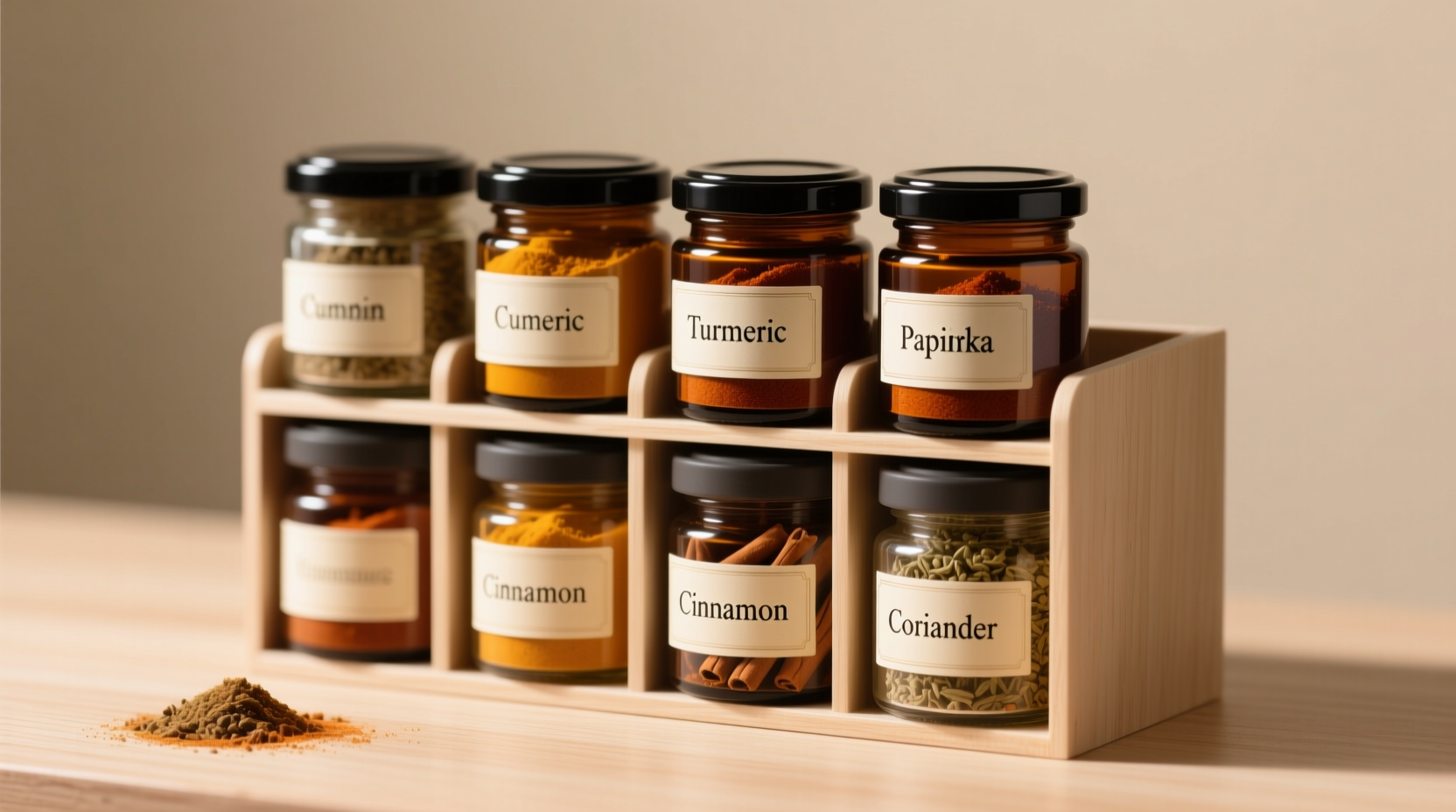
Spices don’t technically “expire” in the sense of becoming unsafe to eat, but they do lose potency over time. Whole spices like cinnamon sticks, cloves, and coriander seeds typically last 3–4 years when stored well, while ground spices begin to fade within 6 months to a year. The key factors accelerating this decline are:
- Light: UV rays break down essential oils and pigments (e.g., turmeric fading).
- Heat: Kitchens near stoves or ovens expose spices to temperature fluctuations that degrade compounds.
- Air: Oxygen causes oxidation, leading to staleness and loss of aroma.
- Moisture: Humidity causes clumping and can promote mold in rare cases.
Each of these elements acts individually or in combination to compromise quality. A spice jar left on a sunny windowsill above the stove may look appealing—but its contents could be nearly flavorless within weeks.
Best Containers for Long-Term Spice Preservation
The container you choose plays a critical role in extending shelf life. Not all jars are created equal. Consider material, seal quality, and accessibility when selecting storage.
| Container Type | Pros | Cons | Best For |
|---|---|---|---|
| Glass Jars with Tight Lids | Inert, non-porous, UV-resistant (if amber), excellent seal | Heavy, fragile | All spices, especially long-term storage |
| Metal Tins | Block light completely, durable, stackable | Can rust if exposed to moisture, harder to label | Ground spices, blends, humid environments |
| Plastic Containers | Lightweight, affordable | Porous over time, can absorb odors, may leach chemicals | Short-term or travel use only |
| Vacuum-Sealed Bags | Removes air, compact, ideal for bulk storage | Not resealable after opening, no visibility | Backup stock in pantry or freezer |
For daily use, small glass jars with shaker lids or flip-top closures offer the best balance of protection and convenience. Amber or cobalt blue glass blocks UV light more effectively than clear glass. Ensure lids have airtight seals—silicone gaskets make a significant difference.
“Light and oxygen are the two biggest enemies of dried herbs and spices. Opaque, airtight containers stored in a dark cabinet can extend shelf life by up to 50%.” — Dr. Lena Patel, Food Scientist at Culinary Preservation Lab
Optimal Location: Where to Store Spices in Your Kitchen
Location matters just as much as container choice. Even the best jar won’t help if it’s placed next to a steaming kettle or under fluorescent lights.
The ideal spice storage zone is cool, dark, dry, and away from appliances that generate heat. That means avoiding:
- The countertop near the stove or oven
- Under-cabinet lighting fixtures that emit heat
- The refrigerator door (temperature swings and moisture)
- Windowsills exposed to sunlight
Instead, prioritize interior cabinets, preferably on lower shelves where temperatures are more stable. Drawer inserts with labeled slots keep spices organized and shielded from light. Magnetic spice tins mounted inside cabinet doors are another space-efficient option that keeps bottles out of direct sight—and harm’s way.
If you live in a humid climate, consider adding a silica gel packet (food-safe) inside larger spice containers to absorb ambient moisture and prevent clumping.
Step-by-Step Guide to Organizing Your Spice Collection
Follow this sequence to maximize longevity and usability:
- Inventory & Sort: Empty all spices and check expiration dates. Smell each one—if it has little aroma, discard it.
- Transfer to Uniform Containers: Use identical-sized glass jars or tins for consistency and easy labeling.
- Label Clearly: Include spice name and purchase date. Use waterproof labels or masking tape.
- Group by Frequency: Keep everyday spices (salt, pepper, paprika) within reach; store specialty items in a separate drawer.
- Store in Dark Cabinet: Choose a consistently cool location away from heat sources.
- Monitor Quarterly: Reassess potency every three months. Replace faded or clumped spices.
Preventing Clumping: Science and Solutions
Clumping occurs when fine particles absorb moisture and stick together. It’s especially common in iodized salt, garlic powder, onion powder, and seasoned salt blends. While not harmful, clumps reduce flow and make accurate measuring difficult.
To prevent clumping:
- Always use a dry spoon—never introduce moisture into the container.
- Avoid storing spices above the sink or dishwasher, where steam accumulates.
- Add natural anti-caking agents: a few grains of uncooked rice or a piece of dried bread crust in salt shakers absorb humidity.
- Use shaker lids with built-in agitators (plastic balls) for powders prone to clumping.
For already-clumped spices, gently break them apart with a fork or pulse briefly in a clean coffee grinder. Sifting through a fine mesh strainer restores uniform texture.
Real Example: How One Home Cook Transformed Her Spice Cabinet
Sophie, a home cook in New Orleans, used to store her spices in transparent plastic bottles on an open rack beside her gas range. After six months, she noticed her chili powder tasted flat and her cumin had formed hard lumps. Following a cooking class on ingredient preservation, she transferred everything to amber glass jars and moved them to a drawer beneath her island.
She added small silica packets to her paprika and garlic powder containers and began labeling each with purchase dates. Within weeks, she noticed stronger aromas when opening jars and more vibrant flavors in her Creole dishes. Nine months later, her spices still performed like new—proving that small changes yield lasting results.
Do’s and Don’ts of Spice Storage
| Do’s | Don’ts |
|---|---|
| Store in airtight, opaque containers | Leave spices in thin paper bags from bulk bins |
| Keep in a cool, dark cabinet | Place near stove, oven, or sink |
| Use dry utensils when scooping | Dip wet spoons into spice jars |
| Buy whole spices and grind as needed | Grind large batches far in advance |
| Replace ground spices yearly, whole spices every 3–4 years | Assume spices last forever |
One overlooked habit is buying spices in bulk. While cost-effective, large quantities only make sense if you use them frequently. For infrequently used spices like cardamom pods or sumac, purchase small amounts from reputable vendors with high turnover to ensure freshness.
Frequently Asked Questions
Can I store spices in the refrigerator or freezer?
Refrigeration is generally not recommended due to moisture and temperature fluctuations, which cause condensation when jars are opened. However, freezing can work for long-term storage of whole spices—especially in humid climates. Place them in airtight, vacuum-sealed bags, and allow them to come to room temperature before opening to prevent moisture buildup. Ground spices are not ideal for freezing due to increased surface area and faster oxidation.
How can I tell if my spices are still good?
The sniff test is the most reliable method. Crush a small amount in your palm and inhale. If the aroma is faint or absent, the flavor will be weak. Visually, spices should retain vibrant color—dull or faded hues indicate degradation. Taste a tiny pinch: stale spices will taste flat or dusty.
Is it worth investing in a spice preservation system?
Yes, if you cook regularly and value flavor integrity. High-quality magnetic tins, modular drawer systems, or vacuum-sealed racks pay for themselves over time by reducing waste and improving meal quality. Look for systems with UV-blocking materials and tight seals. Even a simple upgrade from flimsy plastic to amber glass makes a measurable difference.
Final Checklist: Optimize Your Spice Storage Today
- ✅ Discard old or scentless spices
- ✅ Transfer to airtight, opaque containers (glass or metal)
- ✅ Label each container with name and date
- ✅ Store in a cool, dark cabinet or drawer away from heat
- ✅ Use dry spoons and minimize air exposure
- ✅ Add rice or silica packets to prevent clumping
- ✅ Review and refresh inventory every 3–6 months
Conclusion: Flavor Starts with Smart Storage
Great cooking relies on fresh ingredients—not just produce and proteins, but the spices that define a dish’s character. By treating your spice collection with care, you protect both your investment and your culinary results. Simple changes—like switching to dark glass jars, relocating them from the stove edge, or labeling with dates—can dramatically extend shelf life and prevent frustrating clumps.
You don’t need a professional pantry to get this right. Start with one drawer, organize ten core spices, and build from there. Over time, you’ll notice deeper flavors, fewer replacements, and greater confidence in your seasoning choices. The best meals begin with the smallest details—make sure your spices are ready to deliver.




 浙公网安备
33010002000092号
浙公网安备
33010002000092号 浙B2-20120091-4
Comments
No comments yet. Why don't you start the discussion?