
Spices are the soul of flavorful cooking. Whether it's a pinch of cumin in a curry or smoked paprika on roasted vegetables, their presence transforms simple ingredients into memorable meals. But all that complexity fades if spices aren’t stored properly. Over time, exposure to light, heat, moisture, and air degrades essential oils, diminishing both aroma and taste. Many home cooks unknowingly keep their spices near the stove or in clear jars on open shelves—conditions that accelerate deterioration. The result? Dull, lifeless seasonings that fail to deliver on promise.
Preserving spice quality isn’t complicated, but it does require intention. With the right storage practices, ground spices can remain potent for up to two years, and whole spices for as long as four. This guide breaks down the science behind spice degradation, outlines optimal storage methods, and provides actionable steps to ensure every sprinkle delivers maximum impact.
Why Proper Spice Storage Matters
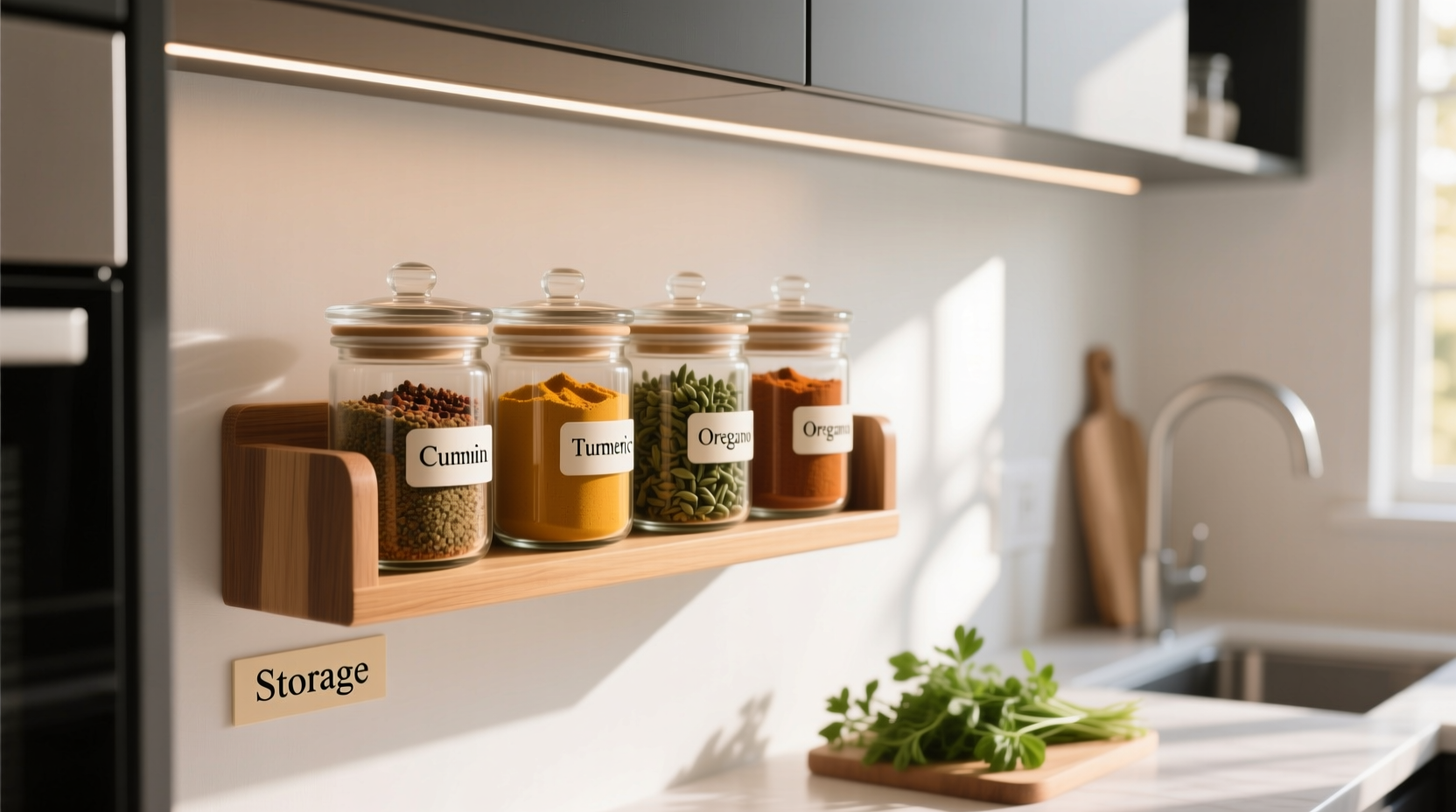
Spices derive their power from volatile compounds—aromatic oils released when heated or crushed. These same compounds are highly sensitive to environmental factors. Once exposed to heat, sunlight, humidity, or oxygen, they begin to break down. Ground spices degrade faster than whole ones because their increased surface area allows quicker oxidation.
A study published in the Journal of Food Science found that ground cinnamon lost nearly 40% of its essential oil content after just six months when stored at room temperature in clear containers near a window. In contrast, the same spice kept in an opaque, airtight container in a dark cupboard retained over 90% of its potency.
“Spice longevity is less about expiration dates and more about storage conditions. A well-stored spice can outlive its label by years.” — Dr. Lena Torres, Food Preservation Scientist, University of California, Davis
The key is minimizing exposure to the four main enemies: heat, light, moisture, and air. Each plays a role in diminishing flavor, color, and even nutritional value. For example, turmeric’s curcumin—a compound prized for its anti-inflammatory properties—degrades rapidly under UV light. Similarly, garlic powder absorbs moisture from the air, leading to clumping and mold risk.
Optimal Storage Conditions for Maximum Shelf Life
To preserve flavor and potency, create a stable environment that shields spices from degradation triggers. Consider the following criteria when choosing where and how to store your collection:
- Temperature: Keep spices below 70°F (21°C). Avoid storing them near ovens, stovetops, dishwashers, or refrigerators—appliances that emit heat.
- Light: Use opaque or tinted containers. Clear glass jars may look attractive on display, but they allow UV rays to penetrate and degrade essential oils.
- Humidity: Maintain low moisture levels. Bathrooms and above-sink cabinets are poor choices due to steam and splashes.
- Air Exposure: Minimize headspace in containers. Oxygen promotes oxidation, which dulls flavors and fades colors.
One often-overlooked factor is vibration. Frequent cabinet slamming or proximity to washing machines can agitate spice particles, accelerating breakdown. Choose a quiet, undisturbed location—such as a deep pantry shelf or interior cabinet away from foot traffic.
Whole vs. Ground: Understanding the Difference
Whole spices—like cumin seeds, peppercorns, or star anise—retain their integrity far longer than pre-ground versions. Their protective outer layer shields volatile oils until cracked or toasted. As a rule of thumb:
- Whole spices: Last 3–4 years when stored properly.
- Ground spices: Peak flavor lasts 1–2 years.
- Herbs (dried): Best within 1–3 years, depending on leaf density.
- Blends (e.g., curry powder): Often contain salt and fillers; use within 6–12 months for best results.
For maximum freshness, consider buying whole spices and grinding them as needed using a dedicated spice grinder or mortar and pestle. Not only does this preserve potency, but it also unlocks deeper, more vibrant flavors impossible to achieve with pre-ground alternatives.
Choosing the Right Containers
Not all spice jars are created equal. The container you choose directly impacts shelf life. Here’s a comparison of common storage options:
| Container Type | Pros | Cons | Best For |
|---|---|---|---|
| Amber Glass Jars | Blocks UV light, non-reactive, reusable | Heavier, more expensive | All spices, especially light-sensitive ones like paprika |
| Stainless Steel Tins | Airtight, durable, no light penetration | Labels may wear off, not transparent | Frequent-use spices stored in drawers |
| Clear Glass Jars | Attractive, easy to label | Allows light damage, increases oxidation risk | Short-term display; not ideal for long-term storage |
| Plastic Containers | Lightweight, inexpensive | Porous over time, may absorb odors | Temporary transfer; avoid for long-term use |
| Vacuum-Sealed Bags | Minimizes air, compact storage | No reusability, hard to access daily | Bulk backup storage in freezer or pantry |
Regardless of material, ensure lids are tight-sealing. Look for containers with rubber gaskets or clamp-style closures. For added protection, consider using oxygen absorbers in long-term storage bins—especially useful for bulk purchases.
Step-by-Step Guide to Organizing Your Spice Collection
Effective storage isn’t just about containers—it’s about system. Follow this timeline to organize your spices for lasting freshness:
- Week 1: Audit & Sort
Clean out your current spice collection. Discard anything past its prime (use the smell test: if it has little aroma, it has little flavor). Group spices into categories: herbs, seeds, roots, chilies, blends. - Week 2: Invest in Quality Containers
Purchase amber glass jars or stainless steel tins with consistent sizes for uniform labeling. Include a small funnel for mess-free transfers. - Week 3: Label & Transfer
Label each container with the spice name and purchase date. Use waterproof labels or masking tape. Transfer spices carefully, pressing out excess air before sealing. - Week 4: Designate a Storage Zone
Choose a cool, dark cabinet—ideally interior-facing and away from appliances. Install pull-out drawers or turntables for easy access. - Ongoing: Rotate Stock
Adopt a “first in, first out” policy. Place newer purchases behind older ones to ensure nothing sits too long.
Common Mistakes That Ruin Spice Quality
Even experienced cooks make storage errors that compromise flavor. Watch out for these pitfalls:
- Storing spices above the stove: Heat from burners can exceed 150°F during cooking, rapidly degrading volatile compounds.
- Using wet spoons: Introducing moisture invites mold and clumping. Always use dry utensils.
- Buying in bulk without rotation: Large quantities seem economical, but if not used quickly, half may lose potency before the container empties.
- Keeping spices in original paper packets: Paper offers zero protection from light and moisture. Transfer immediately upon purchase.
- Ignoring sniff tests: Labels don’t tell the full story. Smell your spices monthly; weak aroma signals fading potency.
“The most expensive saffron in the world is useless if stored next to a boiling kettle.” — Chef Rafael Mendez, Culinary Instructor at Le Cordon Bleu Madrid
Real Example: How One Home Cook Transformed Her Pantry
Sophia, a home cook from Portland, Oregon, noticed her curries lacked depth despite using high-quality ingredients. After recording her process, she realized she’d been storing all her spices in clear jars on a rack beside the stove. After six months of cooking three times a week, many had dulled in color and scent.
She decided to overhaul her system. She purchased 24 amber glass bottles with shaker lids, labeled them with dates, and moved everything to a lower cabinet across the kitchen—away from heat and light. She began buying whole spices like coriander and fennel seeds, grinding them fresh before use.
Within weeks, family members commented on the improved taste of her dishes. Her paprikash tasted richer, her chai more aromatic. A year later, her oldest spice—a bay leaf—still had a strong fragrance. “I didn’t realize how much I was losing,” she said. “Now I actually enjoy cooking more because the flavors come alive.”
Checklist: Optimize Your Spice Storage Today
Use this checklist to audit and upgrade your current setup:
- ☐ Remove all spices from heat sources (oven, stove, dishwasher)
- ☐ Discard any spice that lacks a strong aroma when crushed or sniffed
- ☐ Transfer spices from paper or plastic bags into airtight, opaque containers
- ☐ Label each container with name and purchase date
- ☐ Store in a cool, dark, dry cabinet with minimal foot traffic
- ☐ Use dry spoons or shakers to prevent moisture contamination
- ☐ Implement a rotation system (older spices in front)
- ☐ Consider investing in a countertop carousel made of tinted glass or metal
Frequently Asked Questions
How can I tell if my spices are still good?
The best method is the smell test. Crush a small amount between your fingers and inhale. If the aroma is faint or stale, potency has declined. Visually, faded color (e.g., bright red paprika turning brownish) is another sign. Taste a tiny pinch—if flavor is flat, it’s time to replace.
Should I refrigerate or freeze spices?
Generally, no. Refrigeration introduces moisture and temperature fluctuations, increasing spoilage risk. However, certain delicate spices like saffron or large quantities of homemade blends can benefit from freezing in vacuum-sealed containers. Allow them to reach room temperature before opening to prevent condensation.
Is it worth buying organic or specialty spices if they cost more?
Yes, but only if stored correctly. Premium spices often have higher essential oil content and cleaner sourcing. However, improper storage negates these advantages. Invest in quality, then protect that investment with proper containment and environment.
Conclusion: Flavor Starts Long Before Cooking
The journey to vibrant, bold meals begins long before the pan heats up. It starts the moment you close the spice jar. Every decision—from container choice to cabinet placement—shapes the final taste of your food. By treating spices as the perishable, aromatic treasures they are, you unlock deeper layers of flavor that elevate everyday cooking into something extraordinary.
Start today. Reorganize one shelf. Replace one clear jar. Label one container. Small changes compound into lasting results. Soon, reaching for a spice won’t be a routine act—it’ll be an invitation to awaken the senses.




 浙公网安备
33010002000092号
浙公网安备
33010002000092号 浙B2-20120091-4
Comments
No comments yet. Why don't you start the discussion?