
Winter coats are a significant investment—both financially and functionally. Whether it's a wool trench, a down-filled parka, or a tailored cashmere overcoat, these garments endure heavy use during colder months and require careful attention when stored for extended periods. Storing them improperly during the summer can lead to moth damage, musty odors, fabric deterioration, and permanent creasing. Moths, particularly clothes moths like *Tineola bisselliella*, are most active in warm weather and are drawn to natural fibers such as wool, fur, silk, and feathers. Without proper precautions, your prized coat could emerge from storage with holes, stains, or a faint odor of decay.
The good news is that with the right preparation and storage strategy, you can protect your winter outerwear for years to come. This guide outlines the science-backed, practical steps to store your coats safely, deter pests, and maintain their shape and integrity—all while keeping your closet organized and ready for seasonal transitions.
Why Moths Target Winter Coats
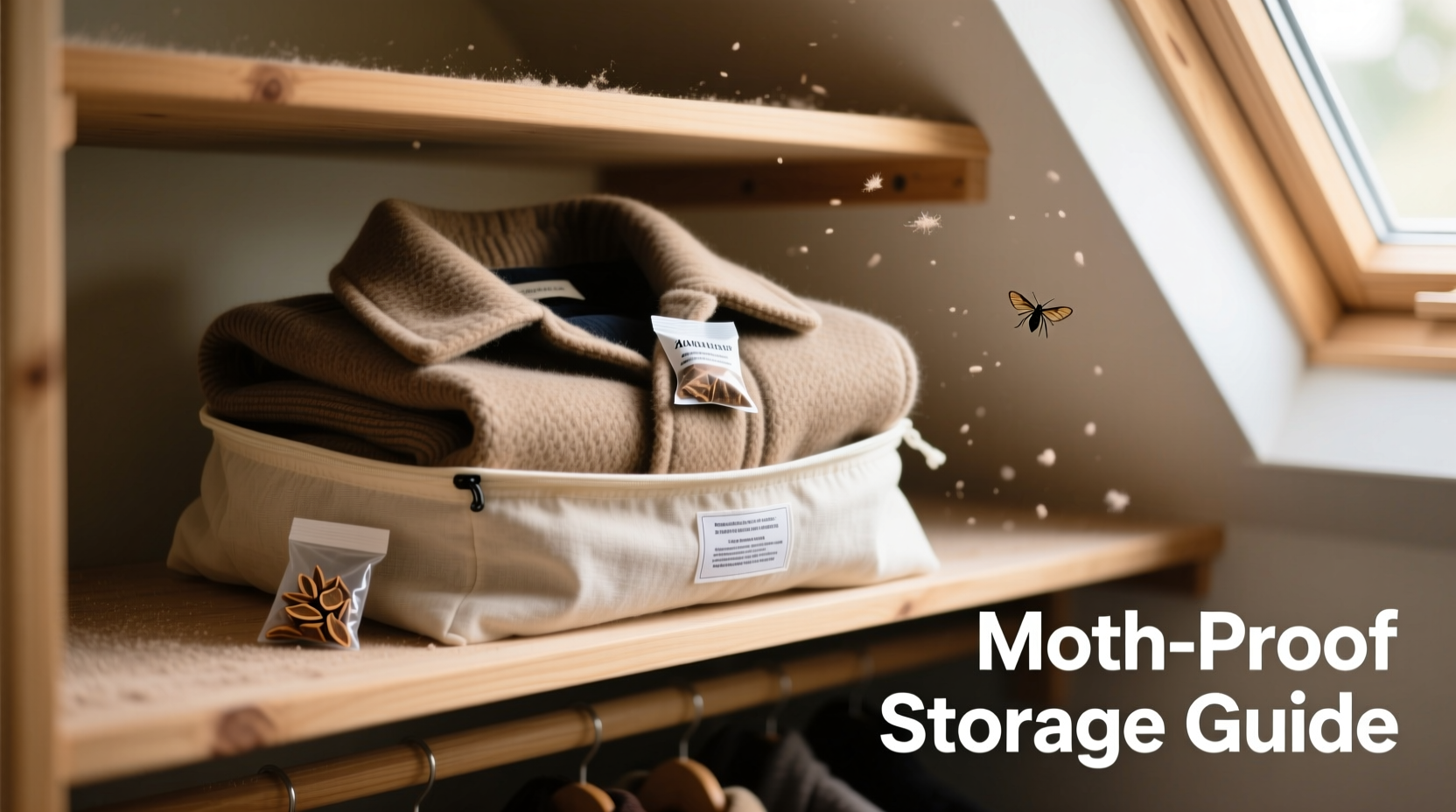
Moths don’t eat fabric directly. Instead, their larvae feed on organic matter embedded in textiles—primarily keratin found in human sweat, skin cells, food residues, and body oils. Winter coats, worn frequently without frequent deep cleaning, accumulate these residues over time, making them ideal targets. Natural fiber coats, especially those made of wool, camel hair, or down, are at highest risk because they contain proteins that larvae thrive on.
Adult moths lay eggs in dark, undisturbed areas—such as inside coat linings, along seams, or in pockets. The hatched larvae then burrow into the fabric, causing irregular holes and weakening the material. By the time damage becomes visible, it’s often too late to reverse.
“Moth infestations are rarely about poor hygiene—they’re about improper storage. Clean but unsealed wool garments left in attics or basements are practically an invitation.” — Dr. Lena Torres, Entomologist & Textile Preservation Specialist
Step-by-Step Guide to Preparing Coats for Summer Storage
Effective storage begins long before you hang the coat in a closet or box. Follow this timeline to ensure your coat enters dormancy in optimal condition.
- Wear the coat one last time (early spring): Let it absorb any lingering body oils so they can be cleaned out thoroughly.
- Inspect for damage (April–May): Check seams, buttons, zippers, and linings. Repair loose threads or small tears now to prevent worsening.
- Deep clean (before June): Use professional dry cleaning for wool, cashmere, or structured coats. For down or synthetic-filled coats, follow care labels—many can be gently machine-washed on a delicate cycle with mild detergent.
- Dry completely: Ensure no moisture remains. Dampness encourages mold and attracts pests. Air-dry flat away from direct sunlight.
- Deodorize naturally (optional): Spritz the interior lightly with a solution of water and a few drops of tea tree or lavender oil—a natural moth deterrent.
- Pack for storage (by early summer): Once clean and dry, move to sealed storage using breathable yet protective methods.
Choosing the Right Storage Method: Do’s and Don’ts
Not all storage solutions are equal. Some common practices—like using plastic bags or cedar chests without maintenance—can do more harm than good.
| Storage Method | Best For | Do’s | Don’ts |
|---|---|---|---|
| Cotton garment bags | Wool, tweed, tailored coats | Breathable, dust-resistant, allows airflow | Don’t use if basement or attic is humid |
| Vacuum-sealed bags | Down or puffer coats (short-term only) | Saves space, blocks pests | Avoid long-term use—crushes insulation and weakens fibers |
| Wooden cedar chests (lined) | Multiple coats, heirloom pieces | Natural repellent; sand and re-oil annually | Don’t rely solely on scent—moths adapt over time |
| Plastic bins with lids | All coat types, especially in humid climates | Use with silica gel packs; label contents | Never seal dirty or damp garments |
| Hanging in closet | Coats used occasionally in shoulder seasons | Use padded hangers; rotate monthly | Don’t leave exposed long-term—dust and light degrade fabric |
The Myth of Cedar and Lavender
Cedar wood and lavender sachets are popular moth deterrents, but their effectiveness is often overstated. Cedar emits aromatic oils that repel moths, but only when freshly sanded—typically lasting 3 to 6 months. After that, the scent fades and protection diminishes. Similarly, dried lavender discourages moths but doesn’t kill eggs or larvae.
These should be viewed as supplementary tools, not standalone solutions. For real protection, combine them with physical barriers like sealed containers and regular monitoring.
Real Example: How One Family Prevented Moth Damage for Five Years
The Reynolds family lives in upstate New York, where winters are harsh and wool coats see heavy rotation. In 2018, they discovered several moth holes in a vintage wool pea coat stored in a canvas bag under the bed. Alarmed, they consulted a local textile conservator and overhauled their storage system.
They now follow a strict annual routine: each May, all winter coats are professionally dry-cleaned, inspected, and stored in individual cotton garment bags inside labeled plastic bins. Each bin contains two activated cedar blocks, a silica gel pack, and a lavender sachet. The bins are kept on a high shelf in a climate-controlled bedroom closet, not the attic or basement.
Every three months, they open the bins briefly to air out the contents and check for signs of pests. Over five years, they’ve had zero moth damage—even with multiple wool, cashmere, and fur-trimmed coats in rotation.
“We used to think ‘out of sight, out of mind’ was fine. Now we know that proactive care makes all the difference.” — Sarah Reynolds, Home Organizer & Sustainable Fashion Advocate
Essential Storage Checklist
Before putting your winter coats away, run through this checklist to ensure every base is covered:
- ✅ All coats have been worn one final time to expose residues
- ✅ Inspected for loose buttons, torn linings, or frayed seams
- ✅ Professionally dry-cleaned or carefully hand/machine washed
- ✅ Completely air-dried with no moisture trapped in padding or lining
- ✅ Treated with natural repellents (e.g., lavender spray or cedar block)
- ✅ Placed in breathable garment bags or airtight plastic bins
- ✅ Stored in a cool, dry, dark location away from humidity and sunlight
- ✅ Labeled clearly with contents and storage date
- ✅ Scheduled for mid-season check (August) to inspect for pests
Frequently Asked Questions
Can I store my down coat in a vacuum bag?
You can, but only for short durations (under 3 months). Long-term compression damages the down clusters, reducing loft and insulating power. For summer storage, use a large cotton bag or a plastic bin with minimal pressure. Fluff the coat periodically to restore its shape.
How do I know if my coat already has moth eggs?
Eggs are nearly invisible to the naked eye. Look for signs of adult activity: silken tubes in seams, tiny pellets (larvae droppings), or small irregular holes. If you suspect infestation, freeze the coat in a sealed plastic bag for 72 hours to kill eggs and larvae, then clean it before storage.
Is it safe to store coats in the garage or attic?
Generally, no. These areas are prone to temperature swings, humidity, and pests. Attics become ovens in summer, accelerating fabric breakdown. Garages attract rodents and insects. If you must use these spaces, place coats in sealed plastic bins with desiccants and elevate them off the floor.
Final Tips for Long-Term Coat Care
Storing winter coats isn’t just about preventing moths—it’s about preserving value, structure, and wearability. A well-maintained coat can last a decade or more, reducing waste and saving money over time. Consider integrating coat care into your seasonal rhythm: clean and store in early summer, inspect in late summer, and air out before fall.
Avoid overcrowding storage bins—coats need room to breathe. Never store a coat with items like scarves or sweaters inside the pockets; weight distorts shoulders and traps moisture. And always use padded hangers for hanging storage to maintain shoulder shape.
“A coat’s lifespan isn’t determined by brand or price—it’s determined by how it’s treated between uses.” — Marcus Lin, Master Tailor & Heritage Apparel Restorer
Conclusion: Protect Your Investment with Smart Habits
Properly storing winter coats during the summer is a simple yet powerful act of garment stewardship. By cleaning thoroughly, choosing the right containers, and using proven deterrents, you shield your coats from moths, mold, and mechanical damage. These steps take only a few hours each year but yield years of extended wear and confidence in your wardrobe’s longevity.
Don’t wait until next winter to discover avoidable damage. Take action now—clean, prepare, and store your coats with intention. Your future self will pull that warm, pristine coat from storage with gratitude, knowing it’s ready to serve another season in comfort and style.




 浙公网安备
33010002000092号
浙公网安备
33010002000092号 浙B2-20120091-4
Comments
No comments yet. Why don't you start the discussion?