
Moving a cake from kitchen to celebration can be nerve-wracking. No matter how perfectly you’ve baked, frosted, or decorated, all your effort risks collapsing before it reaches its destination. The most common culprit? A sliding cake shifting during transit. Whether it’s a delicate tiered wedding confection, a multi-layer birthday masterpiece, or a simple sheet cake for a potluck, stability is non-negotiable. The key isn’t just careful driving—it’s preparation. With the right tools, positioning, and techniques, you can ensure your cake arrives intact, level, and ready to impress.
Choose the Right Cake Carrier
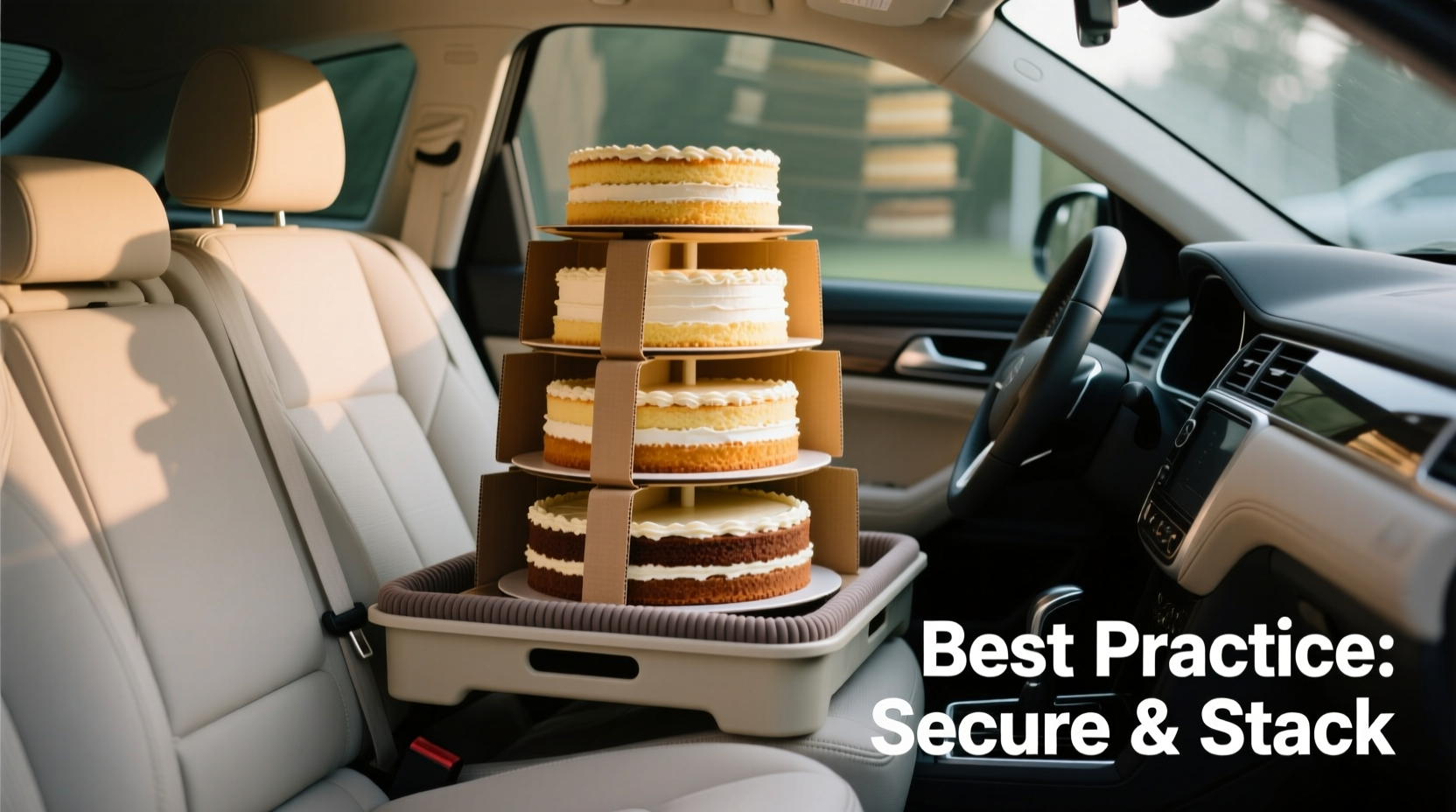
The foundation of safe cake transportation starts with the container. Not all boxes are created equal. Standard bakery boxes may protect against dust and light bumps, but they rarely prevent internal movement. Invest in a proper cake carrier—rigid, lidded, and designed with stability in mind.
Professional carriers often feature non-slip interiors, handles, and reinforced corners. Some even include adjustable dividers or foam inserts to cradle different cake sizes. For home bakers, a plastic cake carrier with a rubberized base or built-in grip lining significantly reduces slippage on car seats or floors.
Secure the Cake Inside the Box
Even within a sturdy box, a cake can shift if not anchored properly. This is especially true for tiered cakes, which require structural reinforcement before travel.
For single-tier cakes, ensure the base board is slightly smaller than the cake diameter (about 1/2 inch smaller) so it doesn’t catch on the box edges. Use dowels or support rods through the center if stacking layers. Once assembled, secure the cake to its base board with a dab of frosting or edible glue—just enough to hold it firmly without damaging the design.
Tiered cakes demand extra attention. Each tier should rest on a sturdy dowel that extends into the layer below, preventing lateral movement. After assembly, avoid placing the tiers directly on top of each other without support. Instead, use separator plates or pillars designed for stability.
“Never underestimate the power of dowels. A well-doweled cake can survive potholes and sharp turns.” — Laura Bennett, Professional Pastry Chef & Catering Specialist
Optimize Your Vehicle Setup
Your car is more than just a mode of transport—it’s a mobile stabilization zone. How you position the cake inside your vehicle plays a critical role in minimizing movement.
The ideal spot is the floor behind the front passenger seat. This location offers the flattest, most stable surface and is less affected by sudden braking or turning than seats. Avoid placing cakes on rear seats where seatbelts can interfere or cause tilting. Never put a cake in the trunk unless it’s secured in a closed, padded container and won’t shift during acceleration or deceleration.
If transporting multiple cakes, stagger their placement to balance weight distribution. Keep taller cakes closer to you for visibility and easier monitoring.
Step-by-Step Guide: Preparing for Transport
- Chill the cake: Refrigerate the finished cake for at least 30 minutes before moving. Cold frosting firms up, reducing smudging and improving structural integrity.
- Select the right box: Use a rigid, snug-fitting cake box with a secure lid. Avoid flimsy cardboard that warps under pressure.
- Add grip: Place a non-slip mat, silicone pad, or folded towel beneath the cake box to prevent sliding on surfaces.
- Position in car: Place the cake on the flat floor space behind the front passenger seat, ideally near the center hump for added stability.
- Seatbelt anchor (optional): If using a larger carrier, loop a seatbelt around the base to prevent forward movement during stops.
- Drive smoothly: Avoid abrupt starts, stops, and sharp turns. Maintain speeds under 45 mph when possible, especially on winding roads.
- Monitor temperature: On hot days, keep windows closed and AC running to prevent melting. In winter, avoid placing cakes near heaters, which can dry out frosting.
Tools That Make a Difference
Certain accessories dramatically improve cake transport safety. While not always essential, they offer peace of mind—especially for long trips or valuable creations.
| Tool | Purpose | Best For |
|---|---|---|
| Rubberized shelf liner | Creates friction between cake box and car surface | All cake types; budget-friendly solution |
| Plastic cake carrier with handle | Provides rigidity and easy carrying | Home bakers, small events |
| Foam insert tray | Holds cake snugly inside carrier | Irregular shapes, tiered cakes |
| Non-slip drawer liner | Alternative to shelf liner; widely available | Emergency fixes, last-minute trips |
| Insulated cake bag | Maintains temperature and absorbs shock | Long-distance transport, extreme weather |
Avoid These Common Mistakes
Even experienced bakers make errors when transporting cakes. Awareness of these pitfalls can save your dessert from disaster.
- Placing the cake on a sloped seat: Car seats are angled, increasing the risk of tipping. Always opt for the floor.
- Overpacking the car: Cluttered spaces force unstable stacking. Clear the path to your chosen cake location.
- Driving too fast: High speeds amplify every bump. Slow down, especially on uneven roads.
- Ignoring temperature: Heat softens buttercream; cold drafts dry out fondant. Control the cabin climate.
- Leaving the cake unattended: If possible, have someone sit beside the cake to monitor it during turns or stops.
Real-World Example: Transporting a Wedding Cake
Sophie, a home baker, was tasked with delivering a three-tier vanilla bean cake with fresh flowers to a countryside venue 45 minutes away. She knew the route included winding roads and several sharp turns.
She prepared by chilling the cake overnight. Each tier was supported with wooden dowels cut to size, and she used a plastic cake carrier with a rubberized interior. She placed a silicone trivet under the carrier on the car floor and secured it gently with a seatbelt threaded around the base.
During the drive, she maintained speeds below 40 mph and avoided sudden maneuvers. Upon arrival, the cake was perfectly level, with no frosting damage or structural shifts. The couple was thrilled—and Sophie credited her success to preparation, not luck.
Checklist: Cake Transport Readiness
Before leaving your driveway, verify the following:
- ✅ Cake has been chilled for at least 30 minutes
- ✅ Base board is securely attached to the cake
- ✅ Tiered cakes are properly doweled and stabilized
- ✅ Cake box is rigid, clean, and fits snugly around the cake
- ✅ Non-slip material is placed under the box or carrier
- ✅ Transport location in car is flat and secure (preferably floor space)
- ✅ Seatbelt is used to anchor larger carriers (if applicable)
- ✅ Climate control is set to maintain stable temperature
- ✅ Emergency kit includes spatula, extra frosting, and touch-up tools
Frequently Asked Questions
Can I transport a cake in the trunk?
You can, but only if the cake is in a locked, padded container that prevents movement. Trunks lack climate control and are prone to jostling. Sudden braking causes items to slide forward violently. If you must use the trunk, place the cake in the spare tire well (if flat) and surround it with blankets for cushioning.
What if my cake slides despite precautions?
If minor shifting occurs, inspect the cake immediately upon stopping. Use a small offset spatula and reserved frosting to repair cracks or smudges. For tiered cakes, check alignment and gently reposition if needed. Always carry a touch-up kit with piping bags, tips, and spare decorations.
How do I transport a cake in hot weather?
In temperatures above 75°F (24°C), consider using an insulated cake carrier with ice packs wrapped in towels to avoid condensation. Keep the AC on during the drive and minimize time outside the vehicle. Avoid leaving the cake in a parked car, even for five minutes—interior temperatures can soar past 120°F (49°C).
Final Tips for Stress-Free Cake Delivery
Transporting a cake safely is equal parts technique and mindfulness. It’s not just about getting from point A to B—it’s about preserving artistry, flavor, and emotional value. A cake often represents celebration, love, and effort. Protecting it during transit honors that intention.
Always plan ahead. Allow extra time for cooling, packing, and cautious driving. Communicate with event hosts about arrival timing so you’re not rushed. And never hesitate to ask for help—a second pair of hands can steady a carrier while you navigate doors or stairs.
Remember: the best way to transport cakes without them sliding in the car combines physical safeguards (carriers, grips, anchoring) with behavioral care (smooth driving, climate awareness, preparation). Master both, and your cakes will arrive as beautifully as they were made.




 浙公网安备
33010002000092号
浙公网安备
33010002000092号 浙B2-20120091-4
Comments
No comments yet. Why don't you start the discussion?