
Standing in front of an audience—even a small one—can trigger a rush of adrenaline. Heart racing, palms sweating, breath shallow: these are all signs of the body’s natural stress response. While some nervous energy can sharpen focus, unchecked anxiety undermines clarity, voice control, and presence. The good news? You don’t need medication or years of meditation practice to regain composure. One of the most accessible, scientifically backed tools for calming pre-presentation nerves is something you already do thousands of times a day: breathing.
When used intentionally, specific breathing techniques can reset your nervous system, lower cortisol levels, and signal safety to your brain. Unlike distractions or suppression tactics, breathwork addresses the physiological root of anxiety—not just the symptoms. This article explores practical, evidence-based breathing methods that professionals, speakers, and performers use to stay grounded before stepping into the spotlight.
The Science Behind Breath and Anxiety
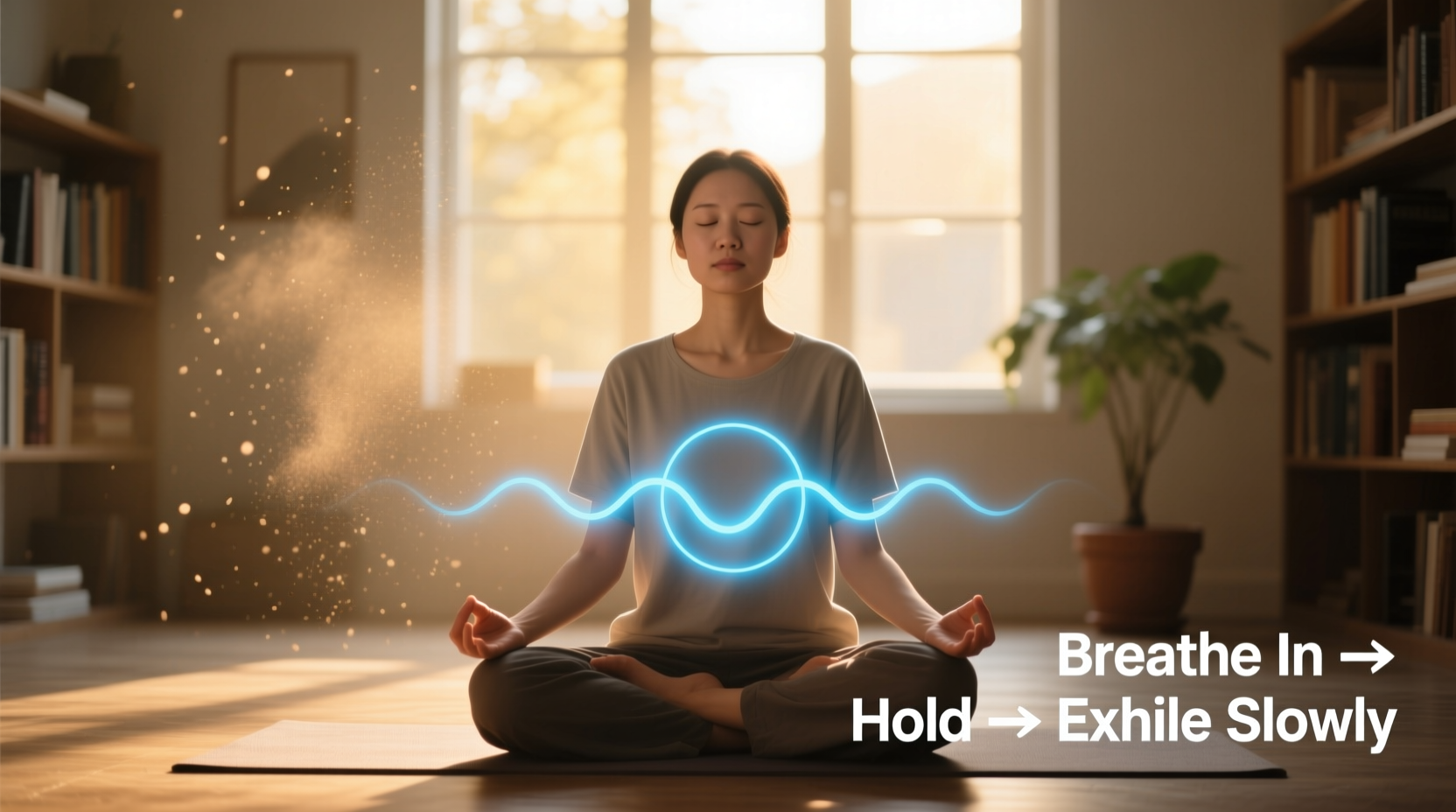
Your autonomic nervous system has two main branches: the sympathetic (fight-or-flight) and the parasympathetic (rest-and-digest). In high-pressure moments like public speaking, the sympathetic system dominates, increasing heart rate, tightening muscles, and accelerating breath. This evolutionary survival mechanism isn’t always helpful in modern settings where we’re not fleeing predators—but presenting quarterly reports.
Controlled breathing directly influences the vagus nerve, a key component of the parasympathetic system. Deep, slow inhalations and extended exhalations stimulate this nerve, which sends signals to the brain to reduce arousal and promote relaxation. Research published in *Frontiers in Psychology* shows that diaphragmatic breathing significantly reduces subjective feelings of stress and improves attention within just five minutes of practice.
“Breathing is the bridge between mind and body. When you regulate your breath, you gain immediate access to emotional regulation.” — Dr. Anika Patel, Cognitive Behavioral Therapist and Performance Coach
This makes breath not just a coping tool, but a strategic advantage. Unlike external aids like notes or caffeine, your breath is always available—and with practice, it becomes a reliable anchor under pressure.
Effective Breathing Techniques for Pre-Presentation Calm
Not all breathing exercises are equally effective in high-stakes moments. The best techniques balance simplicity, physiological impact, and ease of recall when under stress. Below are four proven methods, each suited to different stages of preparation.
1. Box Breathing (Navy SEAL Method)
Used by military personnel, astronauts, and elite athletes, box breathing creates mental clarity and physical steadiness through equal-duration phases.
How to do it:
- Inhale through your nose for 4 seconds.
- Hold the breath for 4 seconds.
- Exhale slowly through your mouth for 4 seconds.
- Hold the lungs empty for 4 seconds.
- Repeat for 4–6 cycles.
This technique stabilizes heart rate variability and enhances focus. It’s particularly useful during the 5–10 minutes before walking on stage, when mental chatter peaks.
2. 4-7-8 Breathing (Relaxing Breath)
Developed by Dr. Andrew Weil, this method emphasizes prolonged exhalation to activate the parasympathetic nervous system more rapidly.
How to do it:
- Place the tip of your tongue behind your upper front teeth.
- Exhale completely through your mouth, making a whoosh sound.
- Close your mouth and inhale quietly through your nose for 4 seconds.
- Hold your breath for 7 seconds.
- Exhale completely through your mouth for 8 seconds.
- Repeat for 4 cycles.
The extended exhale triggers a stronger relaxation response than equal-ratio breathing. Use this when you feel panic rising or experience shortness of breath backstage.
3. Diaphragmatic (Belly) Breathing
Also known as deep abdominal breathing, this foundational technique counters the shallow chest breathing common during anxiety.
How to do it:
- Sit upright or lie down with one hand on your chest, the other on your belly.
- Inhale slowly through your nose, allowing your abdomen to rise while keeping your chest still.
- Feel your lower ribs expand outward.
- Exhale fully through pursed lips, gently drawing your navel toward your spine.
- Continue for 5–10 minutes at a steady pace (5–6 breaths per minute).
This method increases oxygen exchange, lowers blood pressure, and reduces muscle tension. Ideal for morning rehearsal sessions or during breaks in long meetings.
4. Coherent Breathing (Resonance Frequency)
Coherent breathing aligns your heart rate with your breath cycle, creating optimal cardiovascular efficiency and emotional balance.
How to do it:
- Breathe in through your nose for 5 seconds.
- Breathe out through your nose for 5 seconds.
- Maintain a smooth, even flow without pauses.
- Sustain for at least 5 minutes.
Studies show that breathing at approximately 5 breaths per minute maximizes heart rate variability coherence—a marker of stress resilience. Apps like *HeartMath* or *Paced Breathing* can guide timing if needed.
When and How to Apply These Techniques
Timing matters. Using the right technique at the right moment enhances its effectiveness. Here’s a practical timeline for integrating breathwork into your presentation routine.
Timeline: Breathing Strategy Before a Presentation
| Time Before Talk | Technique | Purpose |
|---|---|---|
| 60–30 min prior | Diaphragmatic Breathing (5–10 min) | Prevent buildup of baseline tension |
| 30–15 min prior | Coherent Breathing (5 min) | Stabilize heart rate and focus |
| 15–5 min prior | Box Breathing (4–6 cycles) | Sharpen mental clarity and presence |
| Immediately before stepping up | 4-7-8 Breathing (3–4 cycles) | Counteract acute anxiety spikes |
This phased approach ensures you’re not relying on a single last-minute fix. Instead, you progressively condition your nervous system for peak performance.
Avoid Common Breathing Mistakes
Even well-intentioned breathwork can backfire if done incorrectly. Below are frequent errors and how to correct them.
- Hyperventilating during stress: Rapid, shallow breaths reduce CO₂ levels, causing dizziness and increased anxiety. Counter this by slowing down and focusing on longer exhalations.
- Overholding the breath: Especially in box or 4-7-8 breathing, forcing a hold beyond comfort can spike stress. Adjust ratios to what feels sustainable.
- Ignoring posture: Slouching compresses the diaphragm. Sit upright with shoulders relaxed and chin slightly tucked for optimal airflow.
- Practicing only in crisis: Breathwork is a skill. Relying on it for the first time mid-panic limits its effectiveness. Daily practice builds neural familiarity.
“People think they need to ‘get rid of’ nerves. But the goal isn’t elimination—it’s regulation. Breath gives you control without suppression.” — Marcus Lin, Executive Communication Coach
Mini Case Study: From Panic to Poise in 7 Minutes
Sophie, a project manager at a tech startup, was scheduled to present quarterly results to company leadership. Despite thorough preparation, she experienced intense anxiety 10 minutes before her slot. Her hands trembled, her voice felt tight, and her thoughts raced.
Instead of pacing or checking her slides again, she retreated to a quiet hallway and followed a structured breathing sequence:
- Minute 0–2: Belly breathing to interrupt hyperventilation.
- Minute 2–5: Three rounds of box breathing to regain mental focus.
- Minute 5–7: Two cycles of 4-7-8 breathing to calm residual jitteriness.
By the time she was called, her heart rate had normalized, her voice was steady, and she delivered her talk with confidence. Later, she noted, “I didn’t feel zero nerves—but I felt in charge of them. That made all the difference.”
Breathing Technique Checklist
Use this checklist to ensure you're prepared to manage pre-presentation nerves effectively:
- ✅ Practice one primary breathing technique daily for at least 5 minutes
- ✅ Identify which method works best for you (test during simulated stress)
- ✅ Memorize the steps—no need to rely on phone or app during critical moments
- ✅ Schedule breathing into your pre-talk routine (e.g., after final slide check)
- ✅ Use a private space (bathroom stall, quiet corner) if necessary
- ✅ Combine with grounding: Feel your feet on the floor while breathing
- ✅ Avoid caffeine 60 minutes before speaking—it heightens respiratory sensitivity
Frequently Asked Questions
Can breathing really stop my voice from shaking?
Yes—indirectly. A shaky voice often results from tense vocal cords caused by rapid, shallow breathing. Slow, diaphragmatic breaths reduce laryngeal tension and support vocal stability. With consistent practice, you’ll notice greater control over pitch and volume.
What if I forget the pattern when I’m nervous?
Start with the simplest method: inhale for 4, exhale for 6. You don’t need perfect ratios. Even slight prolongation of the exhale activates the calming response. Over time, practice engrains the pattern so it becomes automatic under stress.
Is there a risk of overdoing breathing exercises?
For most people, no—but those with respiratory conditions (like COPD or asthma) should consult a physician. Also, avoid aggressive techniques like holotropic breathing in high-pressure contexts. Stick to gentle, rhythmic patterns designed for regulation, not stimulation.
Conclusion: Breathe Your Way to Confidence
Nervousness before a presentation isn’t a flaw—it’s a sign you care. The goal isn’t to eliminate anxiety, but to transform it into focused energy. Breathing techniques offer a silent, invisible, and immediate way to reclaim control when your body says otherwise.
Unlike pills, pep talks, or superstitions, breath is a skill you can master. It requires no equipment, leaves no trace, and works whether you’re pitching investors or leading a team meeting. Start small: pick one technique, practice it daily for a week, and apply it before your next speaking moment.




 浙公网安备
33010002000092号
浙公网安备
33010002000092号 浙B2-20120091-4
Comments
No comments yet. Why don't you start the discussion?