
Collectible figurines are more than just decorative objects—they represent passions, memories, and sometimes significant investments. Whether you're a collector of anime figures, vintage action toys, or limited-edition sculptures, preserving their condition is essential. One of the most persistent challenges in display is dust accumulation. Over time, fine particles settle on surfaces, dulling paint finishes, clogging joints, and degrading materials. The good news is that with thoughtful planning and the right tools, you can showcase your collection proudly while minimizing maintenance and damage. This guide explores proven strategies to keep your figurines visible, protected, and pristine.
Choose the Right Display Case
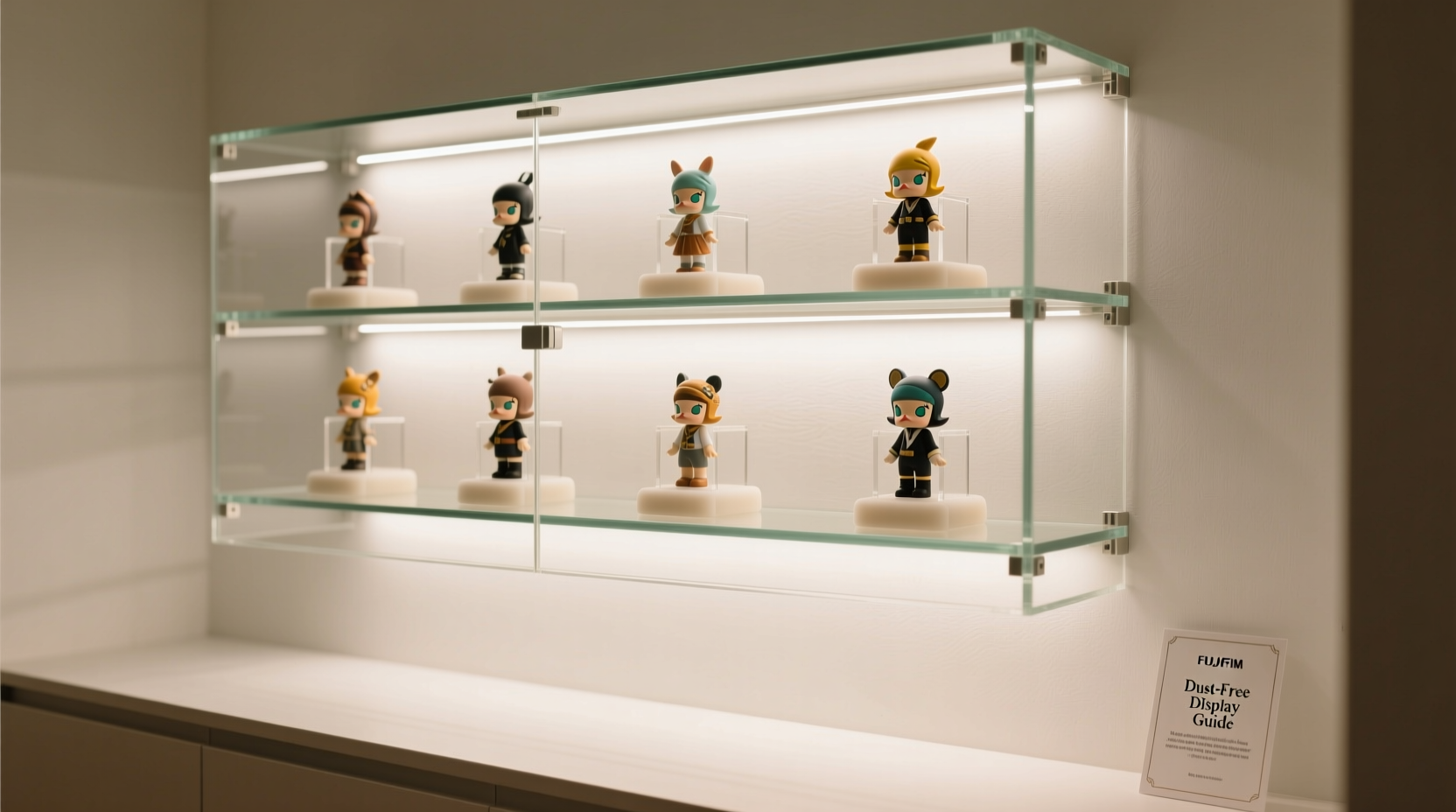
The foundation of dust-free display begins with the enclosure. A well-designed case acts as a physical barrier against airborne particles while still allowing visibility. Not all cases are created equal—some offer full protection, while others prioritize aesthetics over function.
Glass display cabinets with tight-sealing doors are among the most effective options. Tempered glass resists scratches and provides clarity, while gasketed edges prevent dust infiltration. Acrylic cases are lighter and less prone to breakage but may develop static, which actually attracts dust if not treated properly.
Open shelving may be visually appealing, but it exposes figurines directly to ambient air. If you prefer open displays, consider placing them in low-traffic areas away from vents, windows, and doorways where airflow carries dust.
Control the Environment
Dust isn’t the only environmental threat—humidity, temperature fluctuations, and sunlight also impact your collection. High humidity encourages mold and warping, especially in resin or fabric-based figures. Dry conditions can cause cracking, while UV exposure fades colors and weakens plastics.
Indoor air quality plays a crucial role. Homes with pets, smokers, or frequent cooking generate more airborne particulates. Using a HEPA air purifier in the room where you display your figurines reduces dust at the source. Position the unit near the display area, ideally running continuously on a low setting.
“Dust isn’t just dirt—it’s a mix of skin cells, fibers, pollen, and pollutants. Controlling indoor air quality is half the battle in preservation.” — Dr. Lena Torres, Conservation Scientist, Museum of Decorative Arts
Maintain relative humidity between 40% and 55%, and avoid placing displays near radiators, HVAC vents, or exterior walls. A small digital hygrometer can help monitor conditions. In particularly dry climates, a humidifier prevents brittleness; in damp areas, a dehumidifier stops moisture buildup inside sealed cases.
Effective Cleaning Techniques Without Damage
Even the best enclosures require occasional cleaning. The key is using methods that remove dust without harming delicate surfaces. Many collectors make the mistake of using household cleaners or rough cloths, which can strip paint or scratch glossy finishes.
For routine maintenance, use a soft-bristle brush (like a makeup or artist’s brush) to gently sweep dust from crevices. Compressed air dusters work well for hard-to-reach spots, but hold the can upright and use short bursts to avoid propellant residue. Never shake the can before use—this can release liquid that damages plastic.
| Cleaning Tool | Best For | Avoid On |
|---|---|---|
| Microfiber cloth | Smooth surfaces, glass cases | Frosted or textured finishes (can trap fibers) |
| Soft-bristle brush | Hair, armor details, joints | Loose paint or decals |
| Compressed air | Base gaps, electronic components | Figurines with fragile attachments |
| Lint roller (low-tack) | Textured surfaces, fabric parts | High-gloss paint (may leave residue) |
Never immerse resin or PVC figures in water. If deeper cleaning is needed, lightly dampen a microfiber cloth with distilled water and wipe sparingly. For stubborn grime, a 1:10 solution of distilled water and isopropyl alcohol (70%) can be used on non-painted areas, but test on an inconspicuous spot first.
Smart Display Solutions That Minimize Exposure
Beyond traditional shelves and cabinets, innovative display methods balance accessibility with protection. Here are several practical approaches:
Rotating Display System
Instead of exposing your entire collection at once, rotate figurines on a monthly or seasonal basis. Store the remainder in protective boxes with silica gel packs. This reduces cumulative dust exposure and keeps your display feeling fresh.
Modular Enclosed Shelves
These are open-style shelves with removable acrylic covers. You gain the aesthetic of openness when desired, but can snap on transparent lids during high-dust periods (e.g., renovations, pollen season).
Wall-Mounted Shadow Boxes with UV Glass
Ideal for spotlighting individual pieces, shadow boxes with UV-filtering glass protect against both dust and fading. Mount them away from direct sunlight and at eye level for maximum impact.
Under-Cabinet LED Display Recesses
If you’re renovating or building custom furniture, consider recessed niches within wall units. These can be fitted with sliding glass doors or magnetic acrylic panels, offering sleek integration and superior sealing.
Step-by-Step Guide to Dust-Free Figurine Display
Follow this practical sequence to set up or optimize your current display setup:
- Assess Your Collection: Identify which figurines are most valuable, fragile, or frequently handled. Prioritize these for enclosed storage.
- Choose Location Wisely: Pick a stable, low-traffic area away from windows, vents, and kitchens. Avoid carpeted floors, which generate more dust.
- Select Appropriate Cases: Invest in sealed glass or acrylic cabinets with locking mechanisms if security is a concern.
- Install Air Purification: Place a HEPA filter nearby and run it daily to reduce airborne particles.
- Add Internal Lighting: Use LED strips with low heat output to highlight details without raising temperature inside the case.
- Implement a Cleaning Schedule: Wipe exterior glass weekly and clean figurines quarterly using safe methods outlined above.
- Rotate and Refresh: Swap out displayed items every few months to reduce wear and enjoy your full collection.
Mini Case Study: Preserving a Limited-Edition Anime Collection
Sarah Kim, a Tokyo-based collector, owns over 80 limited-run anime figurines, some valued at over $1,000 each. After noticing fine haze forming on her display shelves despite regular wiping, she reevaluated her setup. She replaced open shelves with floor-to-ceiling glass cabinets featuring magnetic seals and installed a compact HEPA purifier in her living room. She also began rotating her collection every six weeks, storing off-display pieces in padded boxes with desiccant packs.
Within three months, dust accumulation slowed dramatically. “I used to clean every weekend,” she said. “Now, I do a thorough check every two months, and the figures look just as sharp as the day I unboxed them.” Her approach demonstrates how combining environmental control with smart rotation preserves both appearance and value.
Checklist: Dust-Resistant Figurine Display Setup
- ✅ Choose sealed display cases with tight-fitting doors
- ✅ Install a HEPA air purifier near the display area
- ✅ Avoid direct sunlight and high-humidity zones
- ✅ Use soft brushes or compressed air for cleaning
- ✅ Apply UV-filtering film or glass if lighting is bright
- ✅ Label and store rotated figures in protective packaging
- ✅ Check seals and hinges every 3–6 months for wear
- ✅ Keep cleaning supplies dedicated to figurines only
FAQ
Can I use a regular glass cabinet from a furniture store?
Yes, but ensure it has tight seals and minimal gaps. Standard cabinets may lack dust resistance unless modified with adhesive weather stripping along the door edges.
How often should I clean sealed display cases?
Exterior glass should be wiped weekly to prevent buildup. Interior cleaning—removing figurines and dusting shelves—should happen every 3 to 6 months, depending on environment.
Are acrylic cases better than glass for preventing dust?
Acrylic is lighter and safer, but it can generate static electricity, attracting dust more readily. Anti-static acrylic coatings or periodic treatment with anti-static wipes improve performance.
Conclusion
Displaying collectible figurines without constant dusting is entirely achievable with the right strategy. It’s not about eliminating dust entirely—that’s impossible—but about creating barriers, controlling environments, and adopting sustainable maintenance habits. From investing in sealed cases to rotating your collection and using air purification, each step adds a layer of protection that preserves both beauty and value. The goal is to enjoy your figurines daily without the frustration of perpetual cleaning. By applying these methods, you transform display from a chore into a celebration of your passion.




 浙公网安备
33010002000092号
浙公网安备
33010002000092号 浙B2-20120091-4
Comments
No comments yet. Why don't you start the discussion?