
Funko Pops have become more than just toys—they’re prized collectibles, often representing years of fandom, careful curation, and significant financial investment. Whether you own a single rare chase figure or an expansive collection spanning movies, games, and pop culture icons, preserving their condition is paramount. One of the most damaging yet overlooked threats? Sunlight.
Direct and even indirect sunlight contains ultraviolet (UV) rays that degrade plastics over time, leading to discoloration, yellowing, and brittleness. A once-vibrant red jumpsuit can fade into a dull pink; a pristine white base may develop a sickly yellow tint. These changes are irreversible. But with thoughtful display strategies, collectors can showcase their figures proudly while protecting them from solar damage.
Understanding How Sunlight Damages Funko Pops
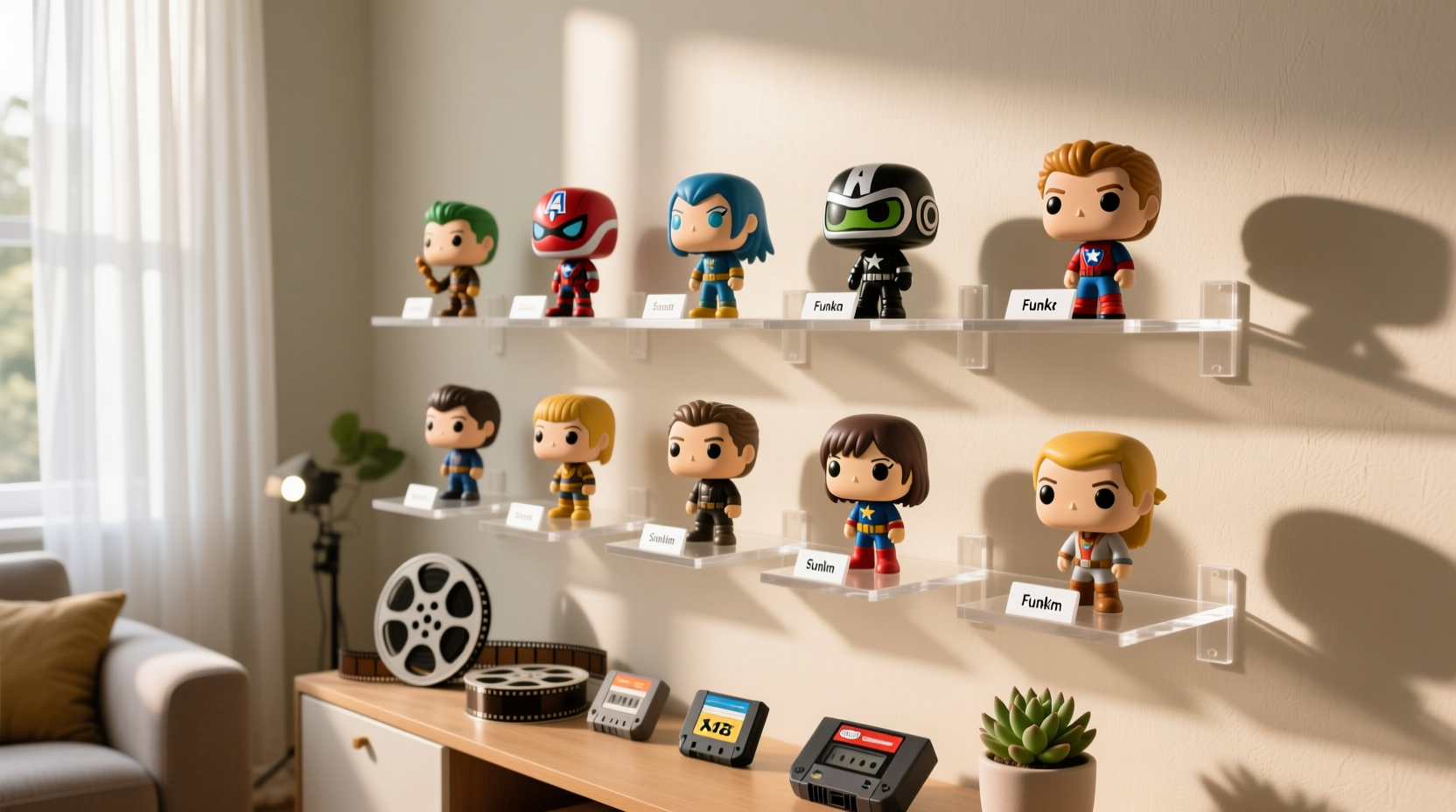
The plastic used in Funko Pops—typically vinyl or PVC—is not inherently UV-stable. When exposed to UV radiation, photochemical reactions occur within the polymer structure. This causes:
- Color degradation: Dyes and pigments break down, especially lighter and brighter colors like red, yellow, and white.
- Oxidation: The surface becomes brittle and develops a hazy film.
- Yellowing: Clear or white plastic absorbs UV energy, triggering a chemical shift that results in yellow or brown tints.
Even rooms with large windows can expose displays to harmful levels of UV light. Indirect sunlight through sheer curtains or reflected off walls still carries enough intensity to cause cumulative damage over months or years.
“Plastic collectibles are among the most vulnerable to UV exposure. Unlike paper or fabric, they don’t just fade—they chemically change.” — Dr. Lena Torres, Materials Conservation Specialist at the National Collectibles Preservation Lab
Best Display Solutions That Block UV Light
The key to long-term preservation lies in blocking UV radiation before it reaches your figures. Here are the most effective methods:
1. UV-Blocking Display Cases
Investing in a high-quality acrylic or polycarbonate display case with built-in UV protection is one of the smartest moves for serious collectors. These cases filter out up to 99% of UV rays while maintaining excellent visibility.
Look for cases labeled “UV-protected” or “with UV inhibitors.” Some premium brands use TruVu acrylic, which offers optical clarity and permanent UV resistance. Avoid standard clear plastic enclosures—they offer no real protection.
2. Apply UV-Protective Film to Windows
If your display area is near a window, consider installing UV-blocking window film. These adhesive films reduce UV transmission by 95–99% and are nearly invisible once applied.
Available in both professional-install and DIY peel-and-stick versions, they also help regulate indoor temperature and reduce glare—making them ideal for living rooms or home offices where collections are often shown.
3. Use LED Lighting Instead of Natural or Fluorescent Light
While natural light is appealing, it’s the most unpredictable and damaging source. Fluorescent bulbs also emit small amounts of UV. Switch to warm-white LED lights, which produce negligible UV radiation and generate less heat.
For display shelves or cabinets, install internal LED strip lighting with a color temperature between 2700K and 3500K to create a soft, museum-like glow that enhances detail without risking harm.
Optimal Room Placement and Environmental Control
Location matters as much as protection. Choosing the right spot in your home can dramatically extend the life of your collection.
Avoid High-Sunlight Zones
Kitchens with morning sun, south-facing living rooms, and bedrooms with large east- or west-facing windows are common culprits for UV damage. Even brief daily exposure adds up. Instead, opt for interior rooms or hallways with minimal natural light.
Maintain Stable Temperature and Humidity
Heat accelerates UV damage. Warm environments increase molecular activity in plastic, making it more reactive to light. Keep your display area below 75°F (24°C) and avoid placing figures near radiators, vents, or electronics that emit heat.
Relative humidity should stay between 40% and 50%. Too dry, and static builds up; too humid, and dust sticks more easily, increasing cleaning frequency and potential surface scratches.
| Display Location | UV Risk | Recommended? |
|---|---|---|
| Interior wall, no windows | Very Low | ✅ Yes – Ideal |
| Room with north-facing window | Low | ✅ Yes – With UV film |
| Living room with large glass doors | High | ❌ No – Unless fully shaded and filtered |
| Basement (dry, climate-controlled) | Very Low | ✅ Yes – Excellent option |
| Sunroom or conservatory | Extreme | ❌ No – Avoid completely |
Step-by-Step Guide to Safely Display Your Collection
Follow this five-step process to set up a display that balances visibility and preservation.
- Assess your space: Walk through your home and identify areas with little to no direct sunlight. Use a UV meter app or simple observation: if a sunbeam crosses the floor or wall at any point during the day, avoid that zone.
- Select UV-safe display furniture: Choose cabinets or shelves made with UV-protective materials. Glass-front bookcases with low-iron glass and UV coating are excellent choices.
- Install artificial lighting: Add warm-white LED strips inside or above the display. Ensure lights turn off when not in use to minimize exposure time.
- Apply window treatments: Install UV-blocking film or close blinds/curtains during peak sunlight hours (10 a.m.–4 p.m.). Automated smart shades can simplify this routine.
- Monitor and rotate: Inspect figures every few months for signs of fading. Consider rotating displays seasonally to give each piece a rest period in dark storage.
“Think of your display like a museum exhibit—controlled environment, limited exposure, maximum impact.” — Marcus Reed, Curator of Pop Culture Collections at the American Fandom Archive
Real Collector Case Study: Protecting a Vintage Marvel Collection
James L., a collector from Portland, OR, had spent over a decade amassing a complete set of first-edition Marvel Funko Pops. His favorite display was a custom-built shelf in his home office, directly opposite a large south-facing window. For years, he enjoyed the natural light—until he noticed his Captain America figure’s iconic white star had begun turning yellow.
After consulting a local conservation expert, James took action. He installed UV-blocking window film, replaced the overhead fluorescent fixture with dimmable LEDs, and moved the shelf away from direct line-of-sight to the window. He also added a rotating schedule: every three months, half the figures go into archival storage, while the others take their place on display.
Two years later, no further fading has occurred. More importantly, James reports greater enjoyment—he now feels confident showing his collection to guests without worrying about long-term damage.
Do’s and Don’ts of Funko Pop Display
| Do | Don't |
|---|---|
| Use UV-protected display cases | Place figures in direct sunlight |
| Install LED lighting | Rely on natural light for visibility |
| Store extras in original boxes in dark closets | Leave boxes in attics or garages (heat/humidity) |
| Clean cases with microfiber cloths and mild cleaner | Use ammonia-based cleaners (can damage coatings) |
| Rotate displayed pieces every 3–6 months | Keep the same figures on display indefinitely |
Frequently Asked Questions
Can I leave my Funko Pops in the box and display them near a window?
No. Cardboard and plastic windows in packaging offer no meaningful UV protection. In fact, sunlight can cause the artwork on the box to fade faster than the figure itself. If you display boxed figures, follow the same UV precautions as for loose ones.
Will LED lights ever damage my Funko Pops?
Standard LED lights emit negligible UV and very little heat, making them safe for prolonged exposure. However, avoid high-intensity stage or spotlight LEDs unless they’re specifically rated for museum or artifact display. Stick to low-wattage, warm-toned strips designed for cabinetry.
How can I tell if my Funko Pop is already fading?
Compare the current color to official product images or unopened versions online. Look for yellowing on white parts, dullness in bright colors, or a hazy film on the surface. Early-stage fading may only be visible under bright light or at certain angles.
Preservation Checklist
- ✅ Identify all sources of natural and artificial light in your display area
- ✅ Install UV-blocking window film if near sunlight
- ✅ Choose display cases with certified UV protection
- ✅ Replace fluorescent or halogen bulbs with warm-white LEDs
- ✅ Position shelves and cabinets away from direct sun paths
- ✅ Maintain room temperature below 75°F and humidity around 40–50%
- ✅ Rotate displayed figures every 3–6 months
- ✅ Store backup figures in original boxes in a cool, dark place
- ✅ Inspect your collection quarterly for early signs of fading
- ✅ Clean display surfaces regularly with non-abrasive materials
Final Thoughts: Pride in Preservation
Your Funko Pop collection is a reflection of passion, memory, and artistry. Displaying it isn’t just about showing off—it’s about honoring what each figure represents. By taking proactive steps against sunlight damage, you ensure that your collection remains vibrant and valuable for years to come.
Preservation doesn’t require sacrificing aesthetics. With UV-safe cases, intelligent lighting, and mindful placement, you can create a stunning display that protects as much as it presents. The best exhibits aren’t just seen—they endure.




 浙公网安备
33010002000092号
浙公网安备
33010002000092号 浙B2-20120091-4
Comments
No comments yet. Why don't you start the discussion?