
Cats scratch—it’s a natural behavior essential to their physical and emotional well-being. But when that instinct targets your favorite couch, it can lead to frustration, damaged furniture, and even strained relationships between pet and owner. The good news is, you don’t need to resort to declawing, sprays with harmful chemicals, or punitive measures. There are entirely legal, humane, and highly effective strategies to redirect your cat’s scratching habits. By understanding *why* cats scratch and applying consistent, compassionate methods, you can protect your furniture while keeping your feline happy and healthy.
Why Cats Scratch: It’s Not About Destruction
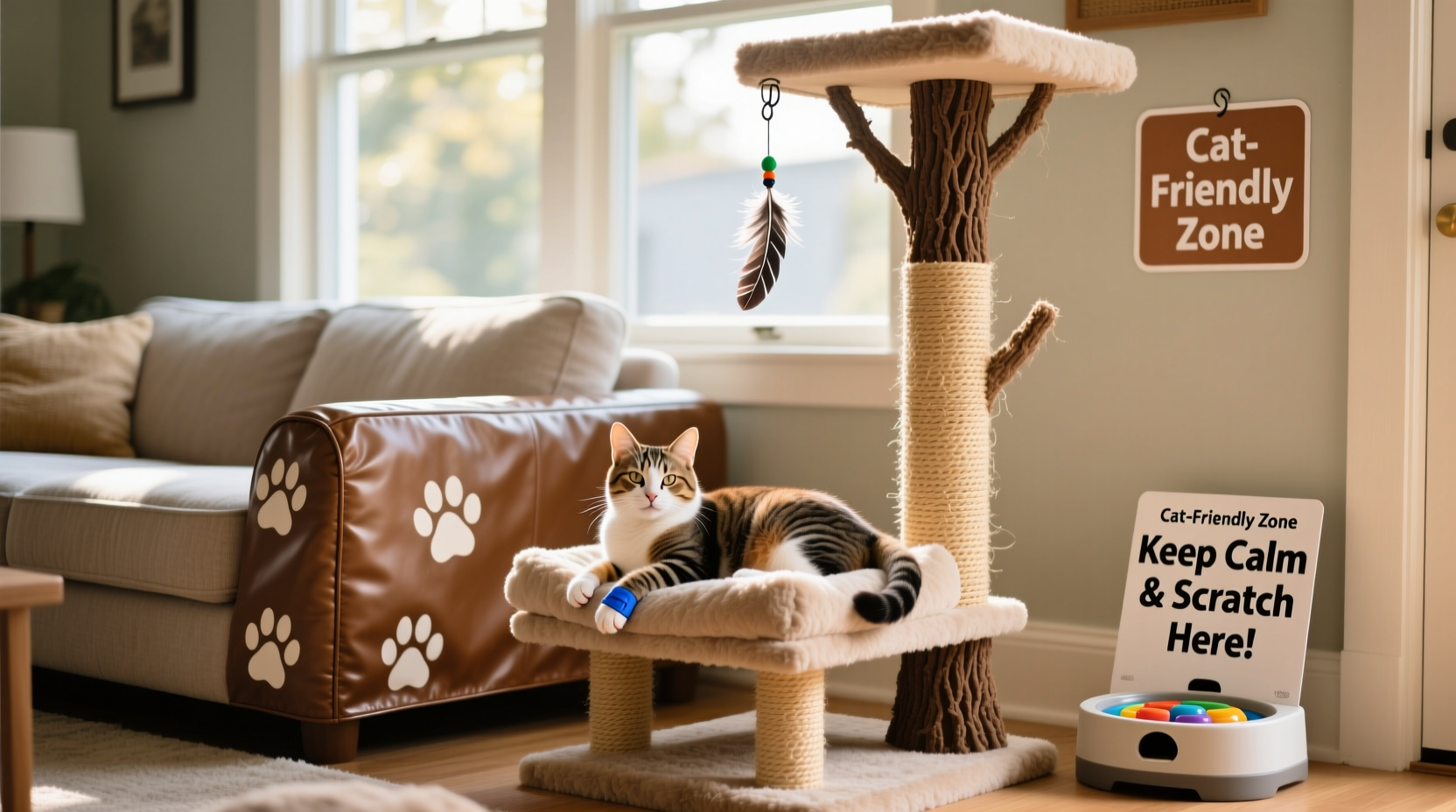
Before addressing how to stop couch scratching, it’s crucial to understand what drives the behavior. Scratching isn’t rebellion or mischief—it serves several biological purposes:
- Claw maintenance: Scratching removes the outer layer of dead claws, keeping them sharp and functional.
- Stretching muscles: The full-body stretch during scratching helps maintain flexibility and joint health.
- Scent marking: Cats have scent glands in their paws. Scratching leaves both visual and olfactory signals to other animals.
- Stress relief: Scratching can be a calming ritual, especially in unfamiliar or tense environments.
Attempting to eliminate this behavior entirely is neither fair nor practical. The goal isn’t to stop scratching altogether—it’s to redirect it to appropriate surfaces.
“Scratching is as essential to a cat’s daily routine as eating or grooming. Redirecting, not suppressing, is the key to coexistence.” — Dr. Rebecca Thompson, DVM, Feline Behavior Consultant
Provide Attractive Alternatives: The Power of Choice
The most effective strategy is giving your cat better options than the couch. Many cats scratch furniture simply because no appealing alternative is available—or accessible. A well-placed, satisfying scratching post can make all the difference.
Types of Scratching Surfaces
Cats have preferences based on texture, height, and stability. Experiment with these common types:
| Type | Best For | Likelihood of Success |
|---|---|---|
| Cardboard scratchers (flat or angled) | Cats who like horizontal scratching | High – inexpensive and replaceable |
| Sisal rope posts (vertical) | Cats who stretch upward | Very High – durable and mimics tree bark |
| Carpet-covered posts | Kittens or less aggressive scratchers | Moderate – may encourage carpet digging |
| Wood or corrugated fiberboard panels | Wall-mounted solutions | High – space-saving and sturdy |
Place scratchers near the furniture being targeted—especially by entryways, windows, or sleeping areas, where cats often mark territory after waking or observing outdoor activity.
Make the Alternative Irresistible
Even the best scratching post won’t work if ignored. Increase appeal with these tactics:
- Rub the post with catnip or silver vine.
- Attach dangling toys or feathers to encourage interaction.
- Use pheromone sprays like Feliway Classic to reduce stress and promote acceptance of new objects.
- Position near sunlight or high-traffic family areas so your cat feels secure using it.
Protect and Modify the Couch—Without Harm
While introducing alternatives, safeguard your furniture to prevent further damage. The goal is temporary protection, not permanent aversion.
Physical Barriers and Covers
These create an immediate deterrent while allowing your cat to adjust to new scratching zones:
- Furniture covers: Use tightly woven, unappealing fabrics like denim or microfiber slipcovers.
- Double-sided tape: Apply sticky strips (e.g., Sticky Paws) to armrests and corners. Cats dislike the sensation underfoot.
- Aluminum foil or plastic mats: Temporarily cover problem areas. The crinkling sound and texture deter most cats.
- PVC piping or cardboard guards: Attach rigid materials to vulnerable corners for added protection.
Avoid Ineffective or Harmful “Solutions”
Some commonly suggested methods are unethical, illegal in many regions, or counterproductive:
- Declawing (onychectomy): A surgical amputation banned in over 20 countries and multiple U.S. states (e.g., New York, Maryland). It causes chronic pain and behavioral issues.
- Anti-scratching sprays with strong citrus or bitter scents: While legal, overuse can stress sensitive cats and damage trust.
- Shouting, spraying water, or confinement: These create fear-based associations and may increase destructive behaviors elsewhere.
Humane training relies on encouragement, not fear.
Step-by-Step Guide to Redirection
Changing scratching behavior takes time—typically 2 to 6 weeks of consistent effort. Follow this timeline for best results:
- Week 1: Assess and Prepare
- Identify which parts of the couch are targeted.
- Purchase 2–3 different types of scratching posts.
- Install protective covers or tape on damaged areas.
- Week 2: Introduce Alternatives
- Place scratchers within 1–2 feet of the couch.
- Use catnip, treats, or feather wands to draw attention.
- Interrupt scratching gently—clap once or say “Ah!”—then immediately guide to the post.
- Week 3–4: Reinforce Positive Behavior
- Reward every correct use with praise or a small treat.
- Gradually move the scratching post away from the couch (if desired), but only after consistent use.
- Replace worn cardboard or loose sisal to maintain appeal.
- Week 5–6: Monitor and Maintain
- Remove protective barriers slowly, one section at a time.
- If relapse occurs, reapply tape and repeat reinforcement.
- Add a second post in another room to support long-term habit formation.
Mini Case Study: From Chewed Arms to Confident Scratching
Sarah, a pet owner in Portland, noticed her 3-year-old tabby, Milo, was shredding the left arm of her vintage sofa. She tried yelling and spraying water, but Milo only scratched more—and began avoiding her. After consulting a veterinary behaviorist, she adopted a redirection plan.
Sarah placed a 32-inch sisal-wrapped post right next to the couch, rubbed it with silver vine, and hung a jingle ball from the top. Each time Milo approached the sofa, she’d toss a treat toward the post. Within ten days, he used the post consistently. After three weeks, she removed the double-sided tape from the couch. Today, eight months later, the sofa remains intact, and Milo has two additional scratchers—one by the bedroom window and one near his favorite napping spot.
“I thought I had to choose between my cat and my furniture,” Sarah said. “But once I stopped seeing it as defiance and started offering better options, everything changed.”
Checklist: Humane Couch Protection Plan
Use this checklist to ensure you’re covering all bases:
- ✅ Understand why your cat scratches—don’t label it as “bad behavior.”
- ✅ Place multiple scratching posts near targeted furniture.
- ✅ Choose the right material (sisal, cardboard, wood) based on your cat’s preference.
- ✅ Use temporary deterrents (tape, foil, covers) to protect the couch.
- ✅ Avoid punishment—never shout, hit, or spray water.
- ✅ Reward correct scratching with treats or affection.
- ✅ Trim front claws every 2–3 weeks to minimize damage.
- ✅ Consult a vet or behaviorist if scratching becomes obsessive or aggressive.
Frequently Asked Questions
Can I train an older cat to stop scratching the couch?
Yes. While kittens are easier to shape, adult cats can learn new habits with patience and consistency. Older cats may have stronger routines, so introduce changes gradually and reinforce success frequently.
Is nail trimming enough to prevent damage?
Trimming helps reduce claw sharpness and potential harm to furniture and people, but it doesn’t eliminate the need to scratch. Combine trimming with environmental enrichment and proper scratching outlets for best results.
Are soft paw caps a humane option?
Yes, vinyl nail caps (like Soft Paws) are safe, non-toxic, and glue-on temporarily (lasting 4–6 weeks). They prevent fabric damage without impairing your cat’s ability to scratch or retract claws. Most cats adapt quickly, and they’re fully removable.
Final Thoughts: Coexistence Is Possible
Your cat doesn’t need to choose between comfort and your couch—and neither should you. With empathy, observation, and proactive planning, you can preserve your furniture while honoring your cat’s instincts. The foundation of success lies in providing appealing alternatives, protecting vulnerable areas temporarily, and reinforcing good choices with kindness.
Remember, every scratch redirected is a step toward a more harmonious home. Declawing and punishment are outdated, ineffective, and increasingly illegal. The future of pet care is compassion-driven, science-backed, and mutually respectful.




 浙公网安备
33010002000092号
浙公网安备
33010002000092号 浙B2-20120091-4
Comments
No comments yet. Why don't you start the discussion?